
PFA Centrifuge Tubes, 15 mL, Graduated, Chemically Inert Sample Vials for Elemental Analysis
| Brand | Binzhenghong |
|---|---|
| Origin | Jiangsu, China |
| Manufacturer Type | Direct Manufacturer |
| Product Code | NJ-PFA-LXG-015 |
| Material | Perfluoroalkoxy (PFA) Resin |
| Volume | 15 mL |
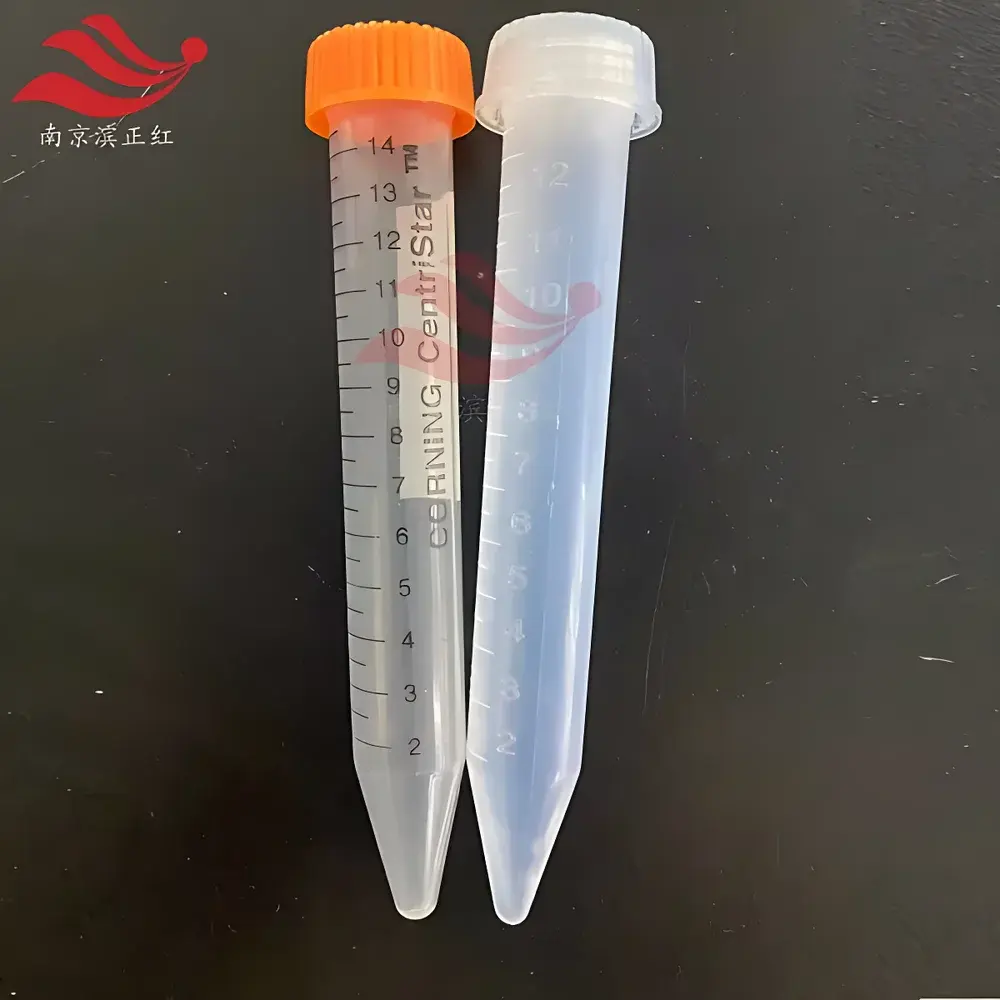
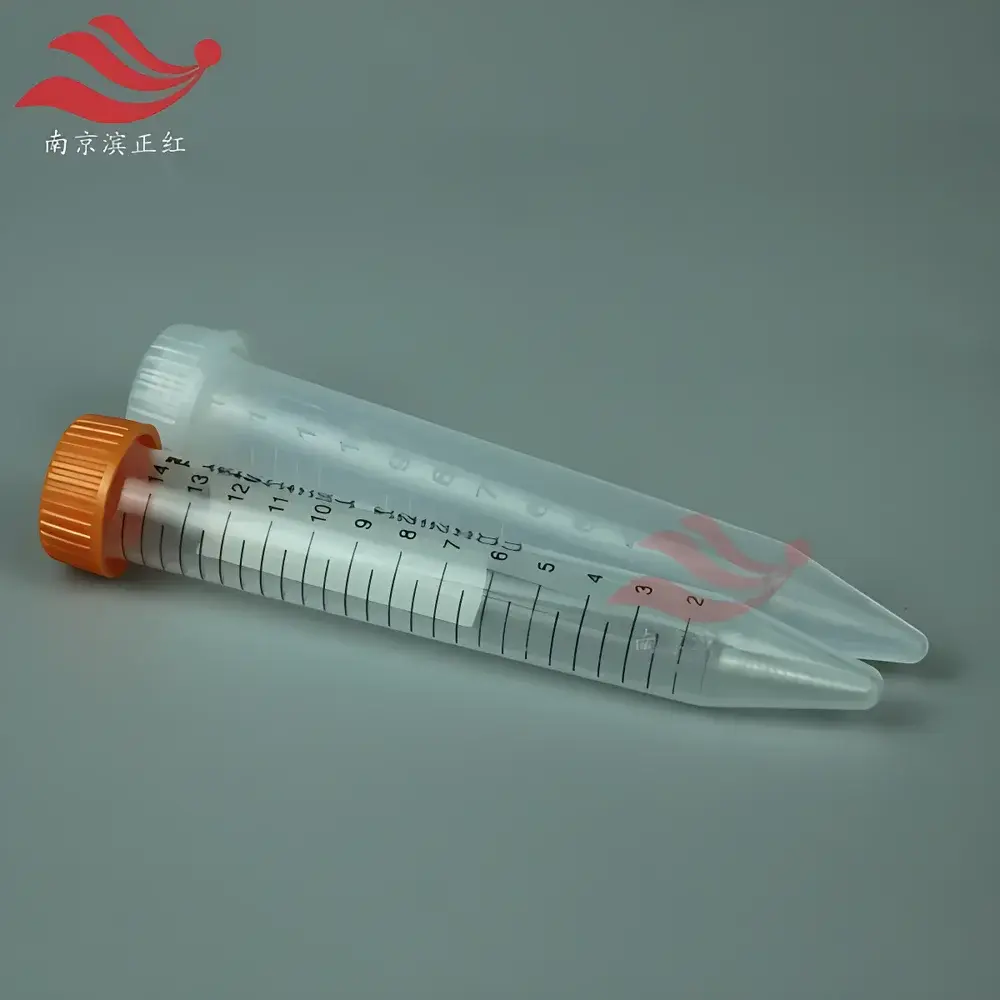
| Graduation | Yes (0.5–15 mL, ±0.2 mL accuracy) |
| Max Centrifugal Force | 20,000 × g |
| Temperature Range | –200 °C to +260 °C |
| Chemical Resistance | Resistant to HF, Aqua Regia, hot conc. HNO₃/H₂SO₄, NaOH (up to 50 %), and all organic solvents |
| Autoclavable | Yes (121 °C, 20 min, 15 psi) |
| USP Class VI & FDA Compliant | Yes |
| Extractables Profile | Low metal leachables (<0.1 ppq for Al, Fe, Cr, Ni, Cu, Zn, Pb, As) |
Overview
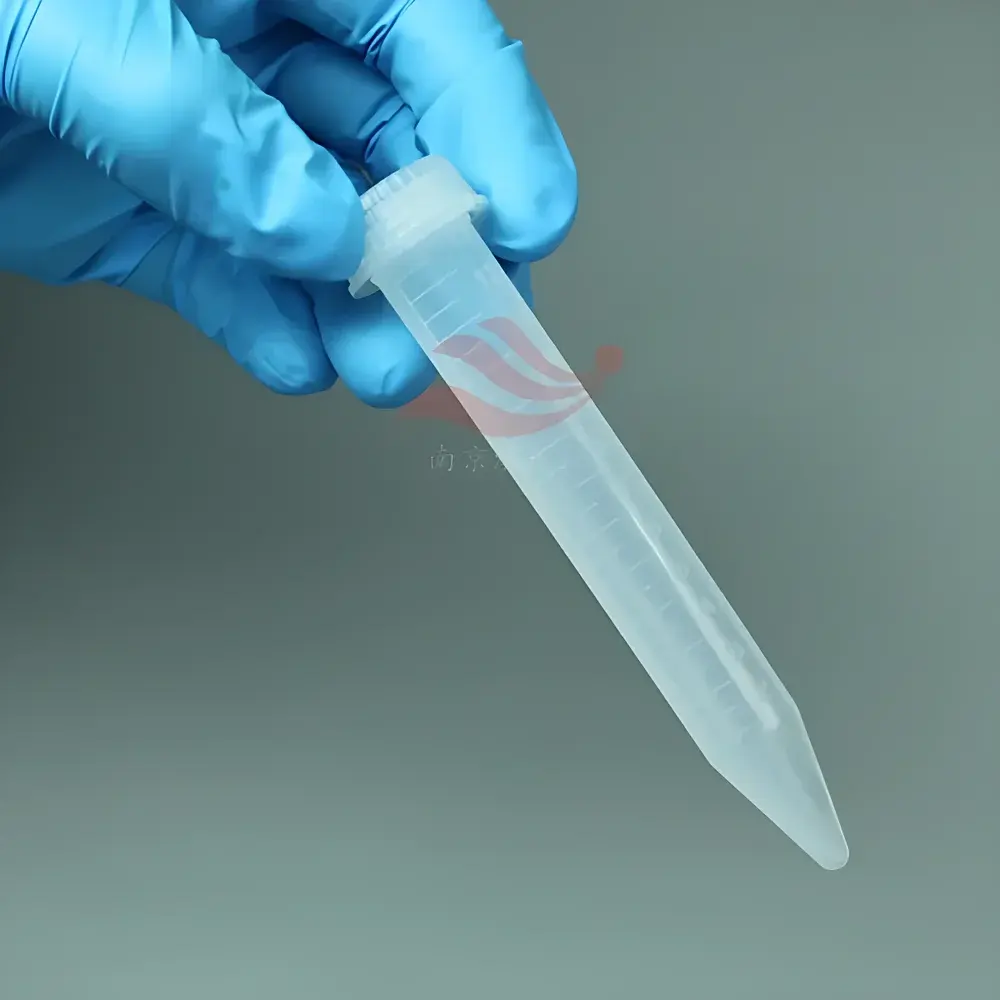
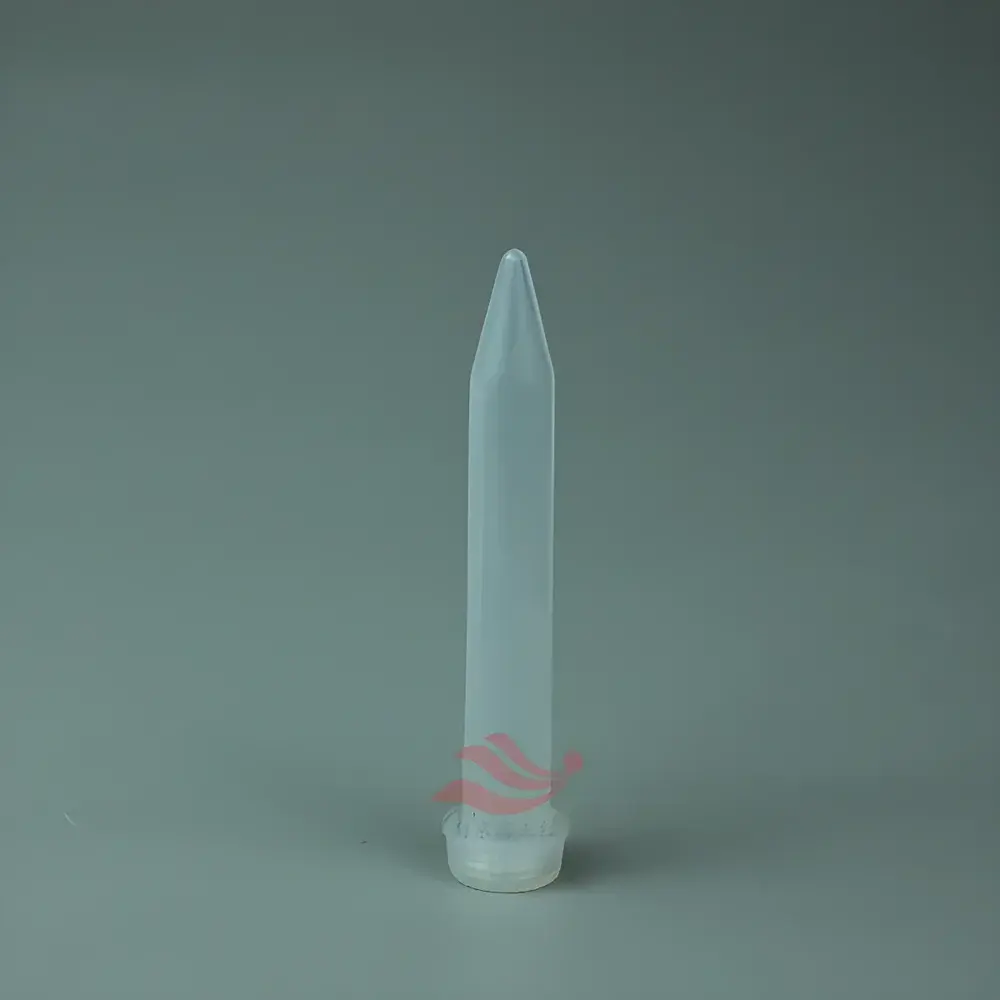
PFA centrifuge tubes are high-purity, ultra-inert sample containment solutions engineered specifically for trace-level elemental analysis workflows where contamination control, thermal stability, and aggressive chemical compatibility are non-negotiable. Constructed from perfluoroalkoxy (PFA) resin—a fully fluorinated thermoplastic with molecular structure identical to PTFE but enhanced melt-processability—these 15 mL vials deliver exceptional resistance to hydrofluoric acid (HF), aqua regia, boiling concentrated nitric and sulfuric acids, caustic alkalis, and halogenated organics. Unlike glass or polypropylene alternatives, PFA exhibits negligible metal extractables, making it the material of choice for ICP-MS, ICP-OES, HR-ICP-MS, and EPA Method 200.2/6020B applications requiring sub-ppt detection limits. The NJ-PFA-LXG-015 model features precision-molded graduations (0.5–15 mL, calibrated to ±0.2 mL at 20 °C), a conical bottom for quantitative recovery, and a chemically inert screw cap with integrated PFA-faced silicone septum—ensuring leak-tight sealing without metallic components or adhesive residues.
Key Features
- Ultra-low background: Certified for ≤0.1 parts-per-quadrillion (ppq) leachable metals (Al, Fe, Cr, Ni, Cu, Zn, Pb, As) per batch-tested certificate of analysis (CoA)
- Thermal resilience: Stable from –200 °C (liquid nitrogen immersion) to +260 °C (short-term), enabling cryogenic storage, hotplate digestion, and autoclaving (121 °C, 15 psi, 20 min)
- Centrifugation-rated: Validated for continuous operation up to 20,000 × g; wall thickness and geometry optimized to prevent deformation or microcracking under high radial forces
- Optical clarity: Transparent, non-yellowing PFA allows visual inspection of sample homogeneity and phase separation without UV interference
- Regulatory alignment: Complies with USP Class VI biological reactivity requirements and FDA 21 CFR §177.1550 for fluoropolymer food-contact materials
- Traceability: Each lot accompanied by full extractables testing report, FTIR identity verification, and ISO 17025-accredited residual ash content data (<10 µg/g)
Sample Compatibility & Compliance
These vials are validated for use with acidic and alkaline digestates derived from microwave-assisted digestion (MARS 6, ETHOS UP), open-vessel hot-block digestion, and low-temperature plasma ashing. They are compatible with all major elemental analyzers—including Thermo iCAP RQ, Agilent 8900 ICP-QQQ, PerkinElmer NexION 5000—and meet ASTM D5686 (standard guide for handling trace-element samples), ISO/IEC 17025:2017 clause 5.8.2 (sample integrity), and EPA SW-846 Method 3050B/3052 prerequisites for container selection. No silanization, passivation, or pre-leaching is required prior to use in GLP or ISO 17025-accredited laboratories.
Software & Data Management
While inherently hardware-based, the NJ-PFA-LXG-015 integrates seamlessly into LIMS and electronic lab notebook (ELN) ecosystems via standardized barcode labeling (GS1-128 compliant). Batch-specific CoAs are digitally archived with unique QR-coded lot identifiers, enabling full chain-of-custody tracking from receipt through final analysis. For labs operating under 21 CFR Part 11, the associated documentation package supports audit-ready electronic signatures and version-controlled revision history.
Applications
- Pre-digestion sample storage for geological, environmental, and clinical matrices (soil, sediment, blood, tissue)
- Post-digestion holding and dilution of high-acidity digests prior to ICP analysis
- Calibration standard preparation and long-term stock solution storage (e.g., multi-element CRM dilutions)
- Hydride generation atomic absorption (HG-AAS) and cold vapor atomic fluorescence (CV-AFS) sample introduction
- Reference material homogenization and sub-sampling in proficiency testing schemes (e.g., FAPAS, IRMM)
FAQ
Can these tubes be used directly in microwave digestion rotors?
Yes—NJ-PFA-LXG-015 vials are rated for static microwave exposure up to 300 °C and 60 bar pressure when used with compatible rotor inserts; however, direct placement in closed-vessel systems requires validation against manufacturer-specific torque and venting protocols.
Do they require acid washing before first use?
No—each tube undergoes factory cleanroom rinsing with 18.2 MΩ·cm deionized water and Class 100 nitrogen purge; acid washing may introduce contaminants and is not recommended unless mandated by internal SOPs.
Is the graduation scale resistant to HF etching?
Yes—the刻度 (graduation markings) are laser-etched into the PFA matrix—not printed or inked—ensuring permanent legibility even after repeated exposure to 49 % hydrofluoric acid.
What is the shelf life under ambient storage?
Unopened, sealed units retain specification compliance for 36 months from manufacture date when stored in original packaging at 15–25 °C, protected from UV light and ozone sources.




