
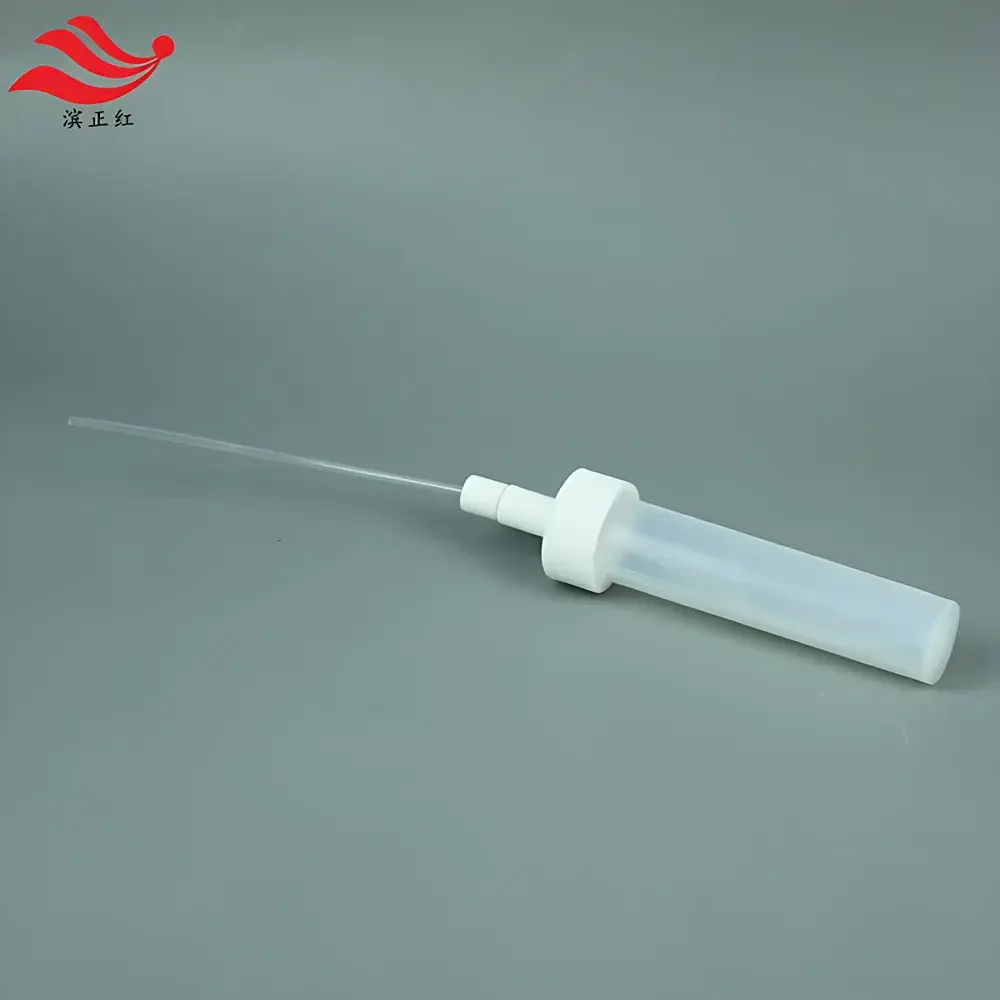
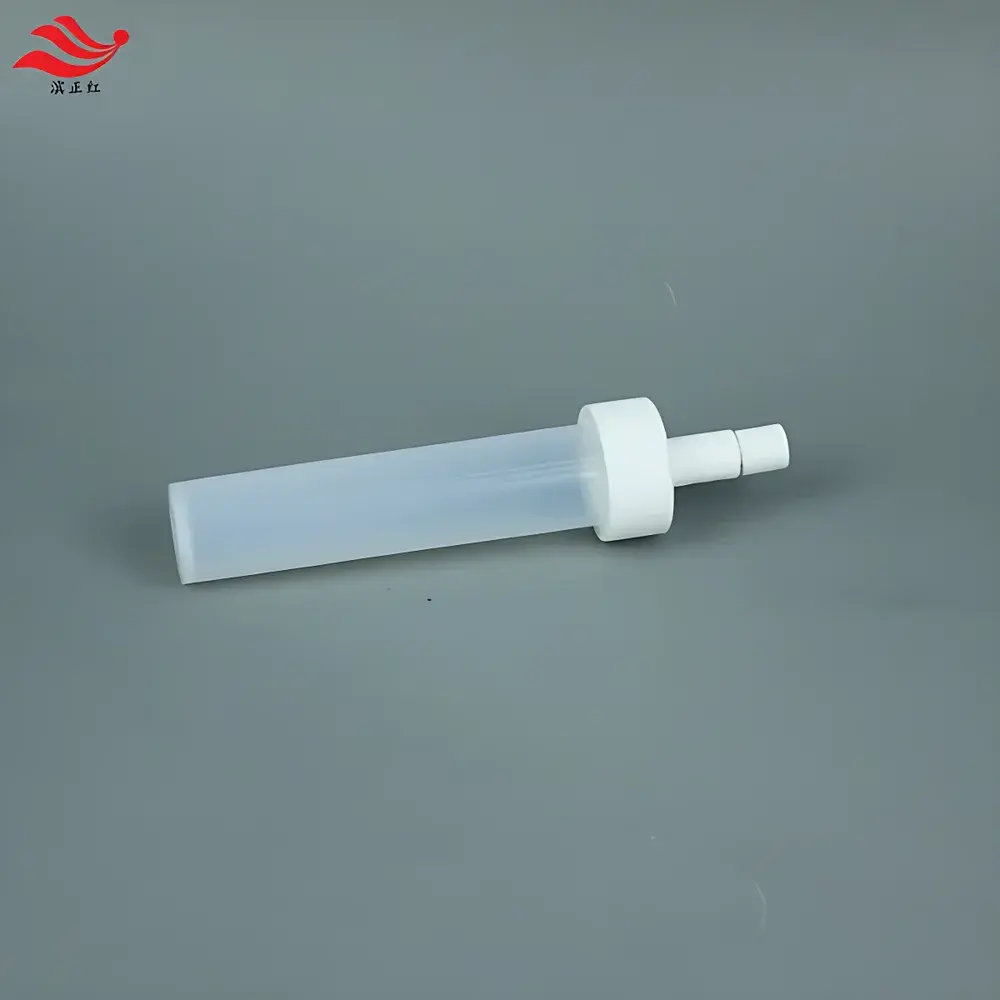
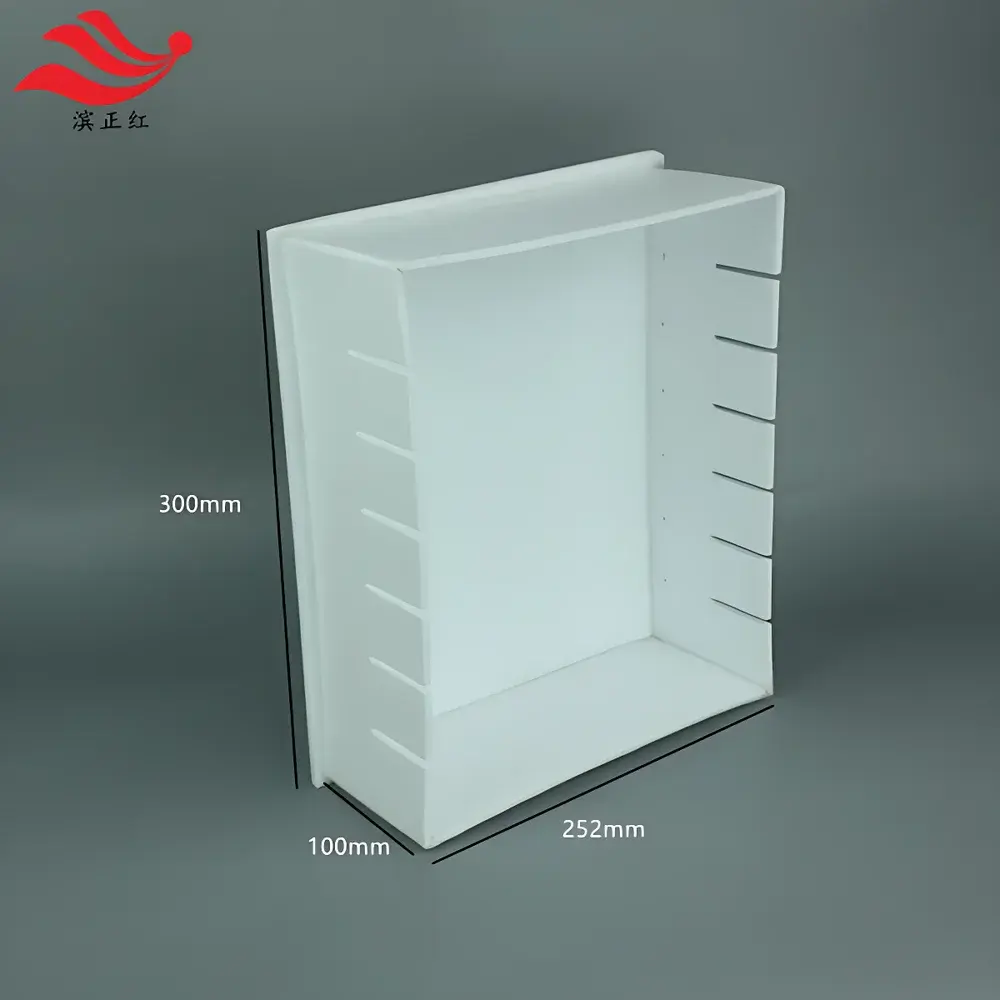
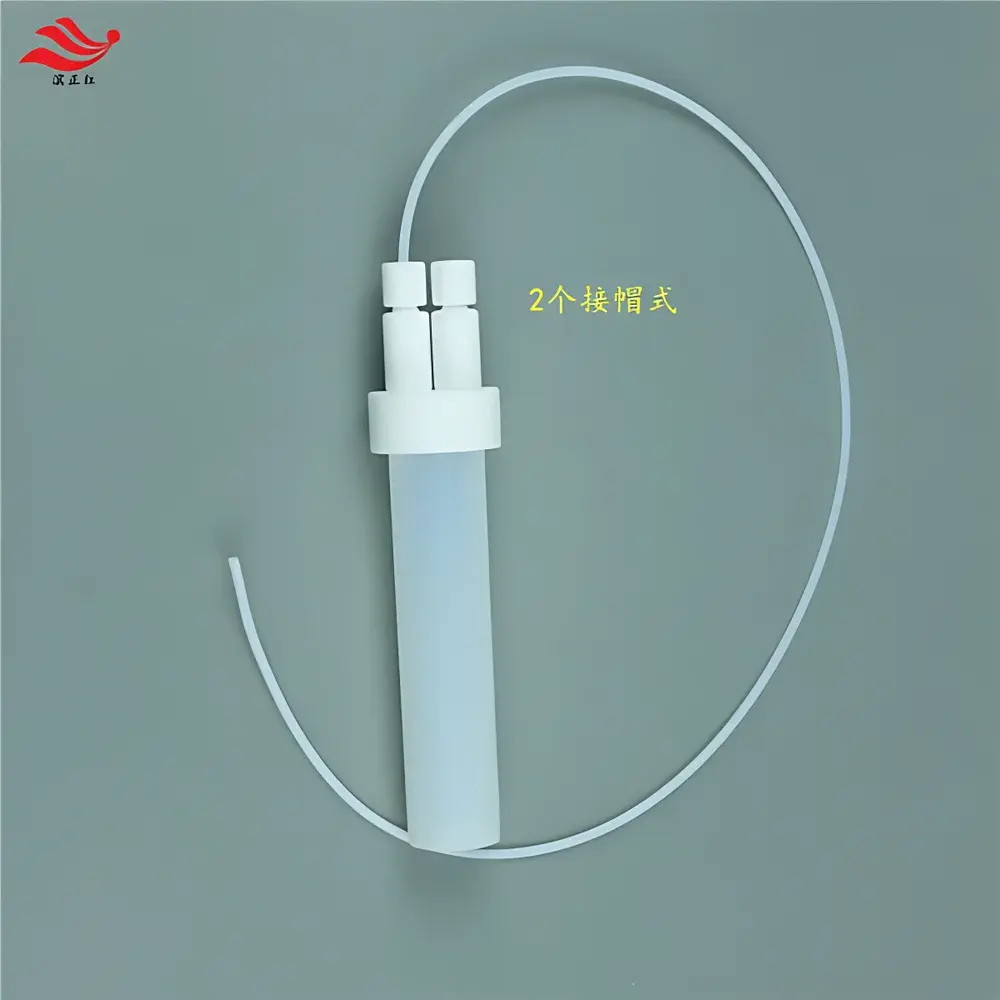
PFA Methylmercury (CH₃Hg) Distillation Reactor Vessel, 60 mL
| Brand | Binzhenghong |
|---|---|
| Origin | Jiangsu, China |
| Manufacturer Type | Direct Producer |
| Model Designation | CH₃Hg-Distill-Vessel-60 |
| Material | High-Purity PFA (Perfluoroalkoxy Alkane) Body + PTFE Lid |
| Volume | 60 mL |
| Tubing Compatibility | 1/8″, 1/4″, and 6 × 4 mm OD/ID configurations |
| Compliance | Designed for trace-level methylmercury speciation and cold-vapor distillation workflows |
Overview
The Binzhenghong CH₃Hg-Distill-Vessel-60 is a purpose-engineered, high-purity PFA (perfluoroalkoxy alkane) distillation reactor vessel designed specifically for the quantitative isolation and thermal separation of monomethylmercury (CH₃Hg⁺) species from complex environmental, biological, and sediment matrices. Built upon established cold-vapor distillation principles—where CH₃Hg⁺ is selectively liberated as volatile CH₃HgCl or CH₃HgBr under controlled acidic oxidation and subsequent reduction conditions—the vessel serves as the primary reaction and vapor-transfer chamber in EPA Method 1630/1631-compliant workflows. Its all-PFA construction eliminates metal ion leaching, adsorptive losses, and catalytic degradation pathways that compromise recovery accuracy at sub-pg/g levels. The vessel operates within closed-system distillation manifolds, interfacing directly with gas-tight transfer lines, condensers, and collection traps to ensure quantitative transfer efficiency and minimize atmospheric contamination.
Key Features
- Monolithic PFA body and chemically inert PTFE lid—certified for ultra-trace mercury analysis with <0.1 pg/cm² extractables (per ASTM D5127)
- 60 mL calibrated working volume optimized for 10–50 g sample loads and stoichiometric reagent dosing (e.g., BrCl, SnCl₂, NaBH₄)
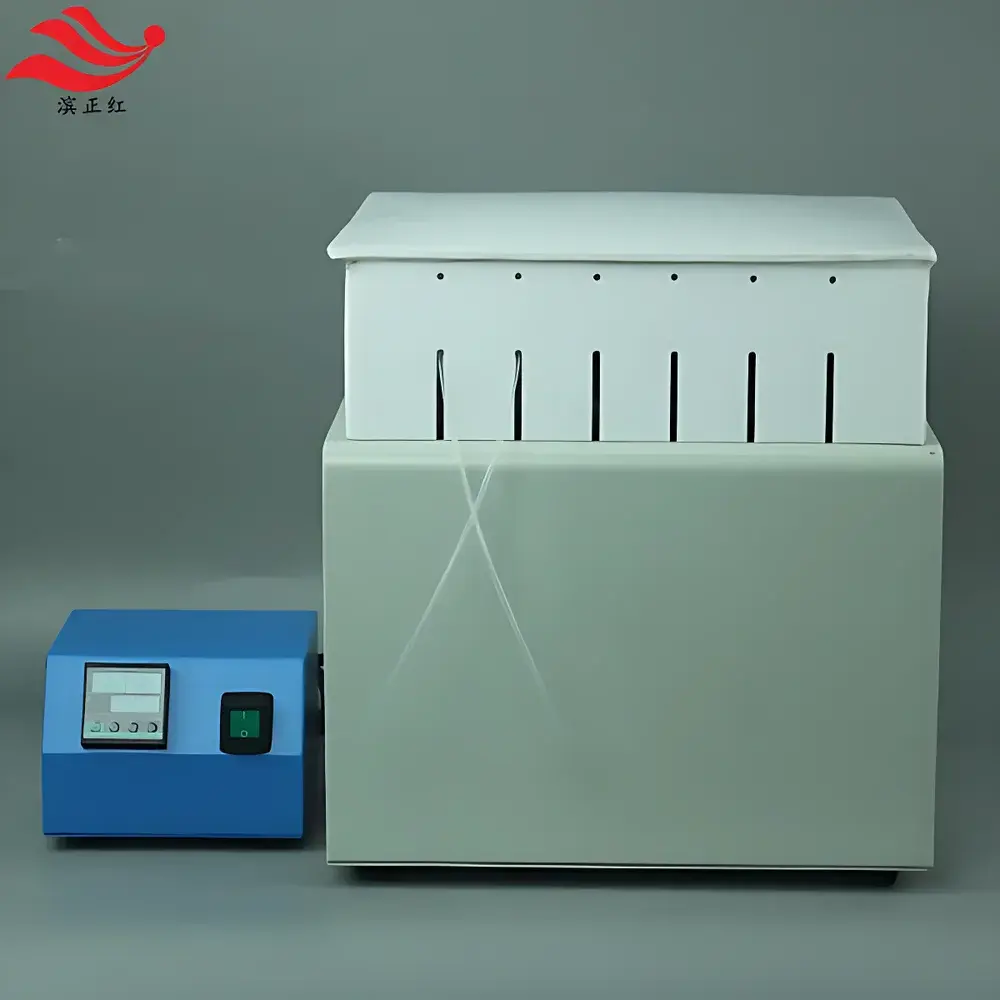
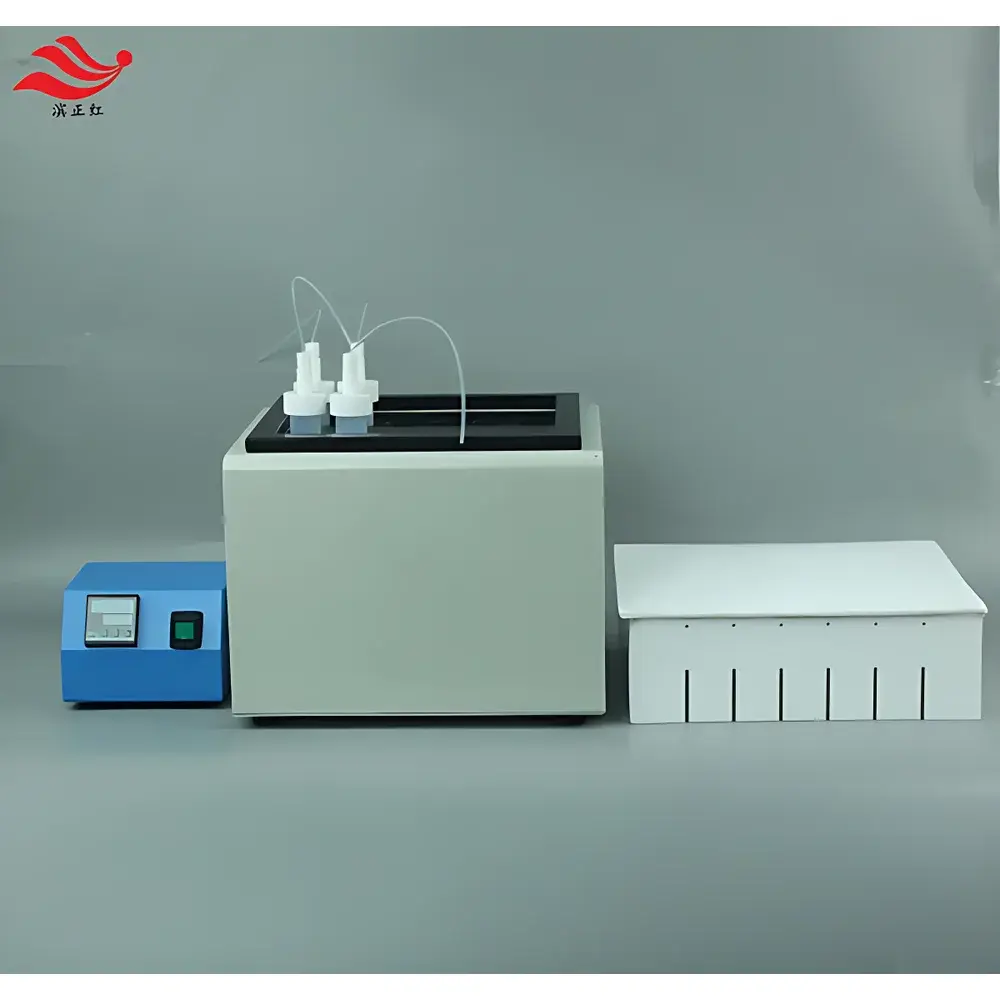
- Integrated dual-port design: one for reagent addition/inert gas purge (via 1/8″ or 1/4″ Swagelok-compatible ferrule), and one for vapor-phase effluent routing (6 × 4 mm tubing interface)
- Thermal stability up to 220 °C; compatible with programmable heating blocks and oil bath systems used in stepwise distillation protocols
- No internal threads, weld seams, or metallic components—eliminates memory effects and enables full acid-wash regeneration (HNO₃/HCl/H₂O₂)
Sample Compatibility & Compliance
The CH₃Hg-Distill-Vessel-60 supports aqueous extracts, acid-digested tissues, filtered porewaters, and centrifuged slurry supernatants. It meets material compatibility requirements for EPA Method 1630 (Determination of Methyl Mercury in Water by Distillation/Atomic Fluorescence Spectrometry) and ISO 17294-2:2016 (Water quality — Elemental composition by ICP-MS — Part 2: Determination of selected elements including Hg species). When deployed within validated laboratory workflows, the vessel contributes to GLP-compliant data generation, supporting audit readiness for US EPA, ISO/IEC 17025, and state-certified environmental testing laboratories. Its PFA composition conforms to FDA CFR 21 Part 177.1550 for fluoropolymer food-contact safety—providing an additional layer of assurance against organic interference.
Software & Data Management
While the vessel itself is a passive hardware component, it integrates seamlessly into instrument-controlled distillation platforms equipped with automated temperature ramping, pressure monitoring, and fraction-collection triggers. When paired with ICP-MS, CV-AFS, or GC-ICP-MS detection systems, raw signal intensities are logged via vendor-neutral ASCII or .csv export formats. Full chain-of-custody documentation—including vessel lot number, cleaning log timestamps, and calibration standard traceability—is maintained through LIMS modules compliant with 21 CFR Part 11 electronic record requirements. Each vessel is supplied with a material certification sheet listing residual metal content (Al, Fe, Cu, Zn, Pb < 10 ppt by ICP-MS) and batch-specific extractable assay results.
Applications
- Quantitative recovery of CH₃Hg⁺ from fish tissue homogenates prior to GC-ICP-MS speciation
- Distillation-based cleanup of methylmercury from high-salinity estuarine waters (up to 35 ppt NaCl)
- Method validation studies comparing distillation efficiency vs. solid-phase extraction (SPE) for regulatory reporting
- Interlaboratory comparison exercises under NIST SRM 2973 (Methylmercury in Freeze-Dried Fish Flesh)
- Development of low-blank protocols for paleolimnological sediment core analysis
FAQ
Is this vessel suitable for use with hydrobromic acid (HBr) and bromine monochloride (BrCl) digestion systems?
Yes—PFA exhibits full resistance to concentrated BrCl, HBr, and aqua regia at temperatures ≤180 °C, making it ideal for oxidative pre-distillation steps.
Can the vessel be reused after rigorous cleaning?
Yes—validated cleaning protocols include sequential rinses with 2 M HNO₃, 1 M HCl, and 30% H₂O₂, followed by ultrapure water (18.2 MΩ·cm) and nitrogen drying; recovery tests show >98.5% CH₃Hg⁺ retention across ≥20 cycles.
Does the 6 × 4 mm port accommodate standard PFA or FEP capillary tubing?
Yes—the 6 mm OD × 4 mm ID port accepts standard PFA tubing with compression fittings; recommended wall thickness: 0.8–1.0 mm for vacuum integrity and thermal shock resistance.
Is third-party certification for mercury blank performance available?
Each production lot undergoes independent verification per EPA 1631 Appendix B; certified blank levels are ≤0.05 pg CH₃Hg⁺ per vessel (n = 10, 95% CI).
Related Products



