
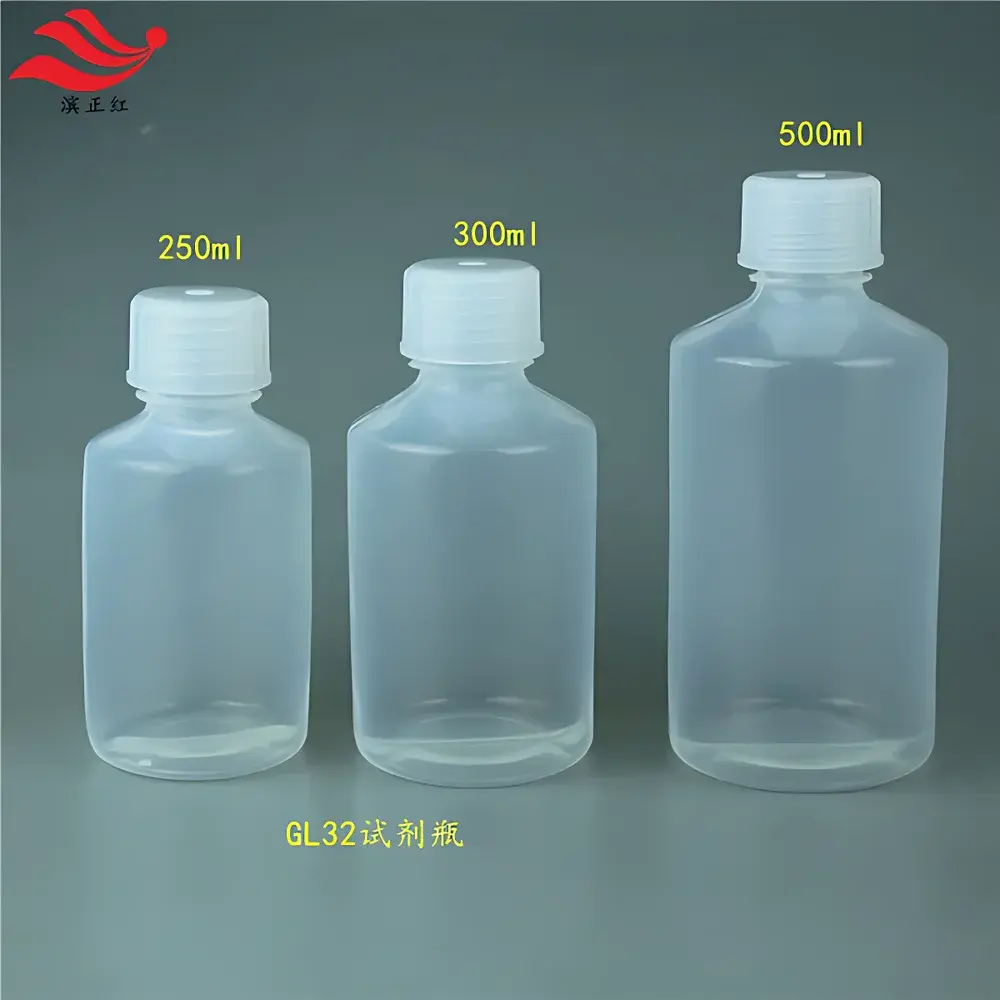
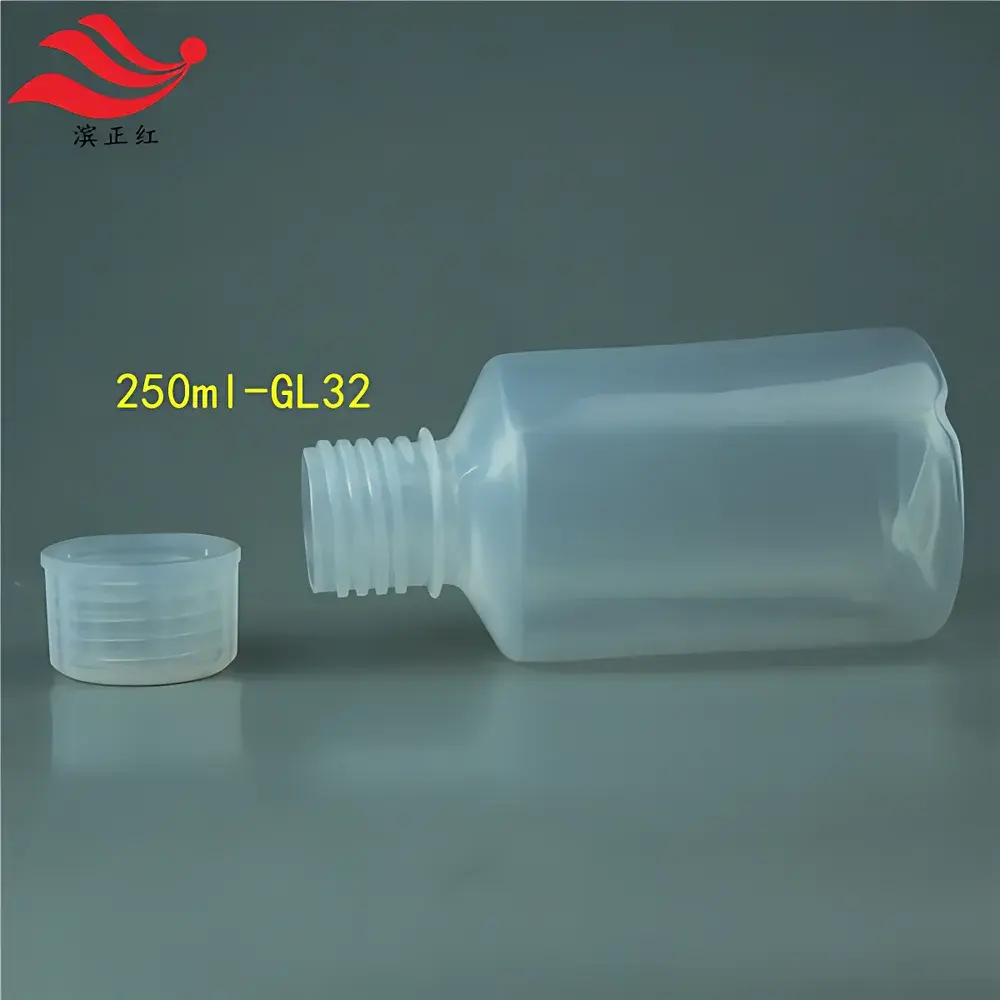
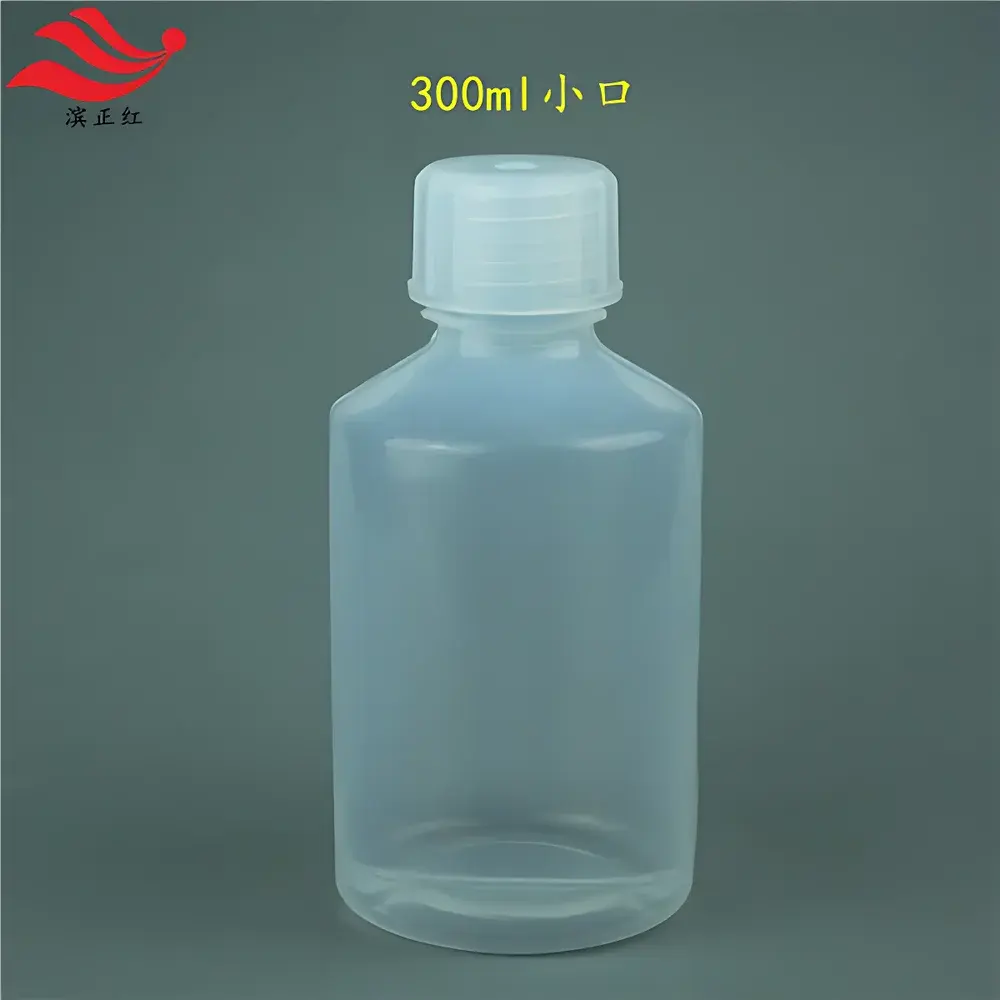
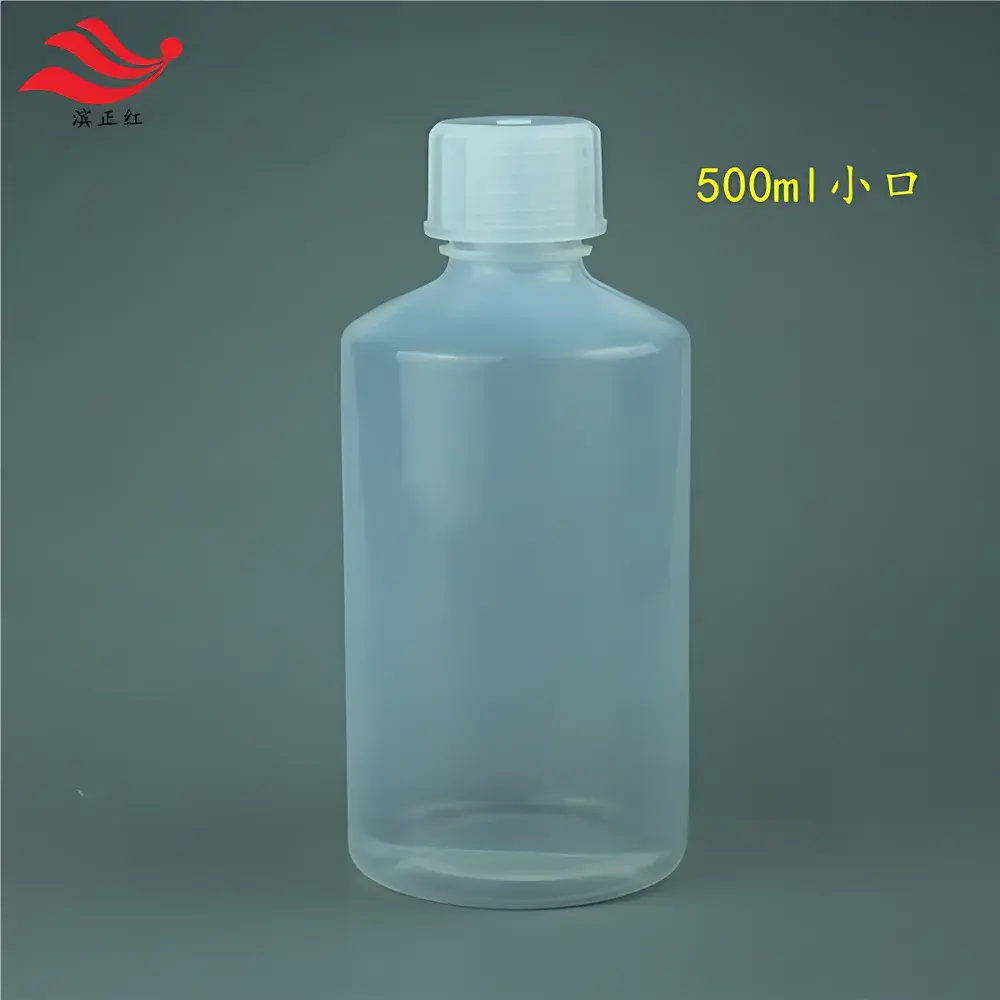
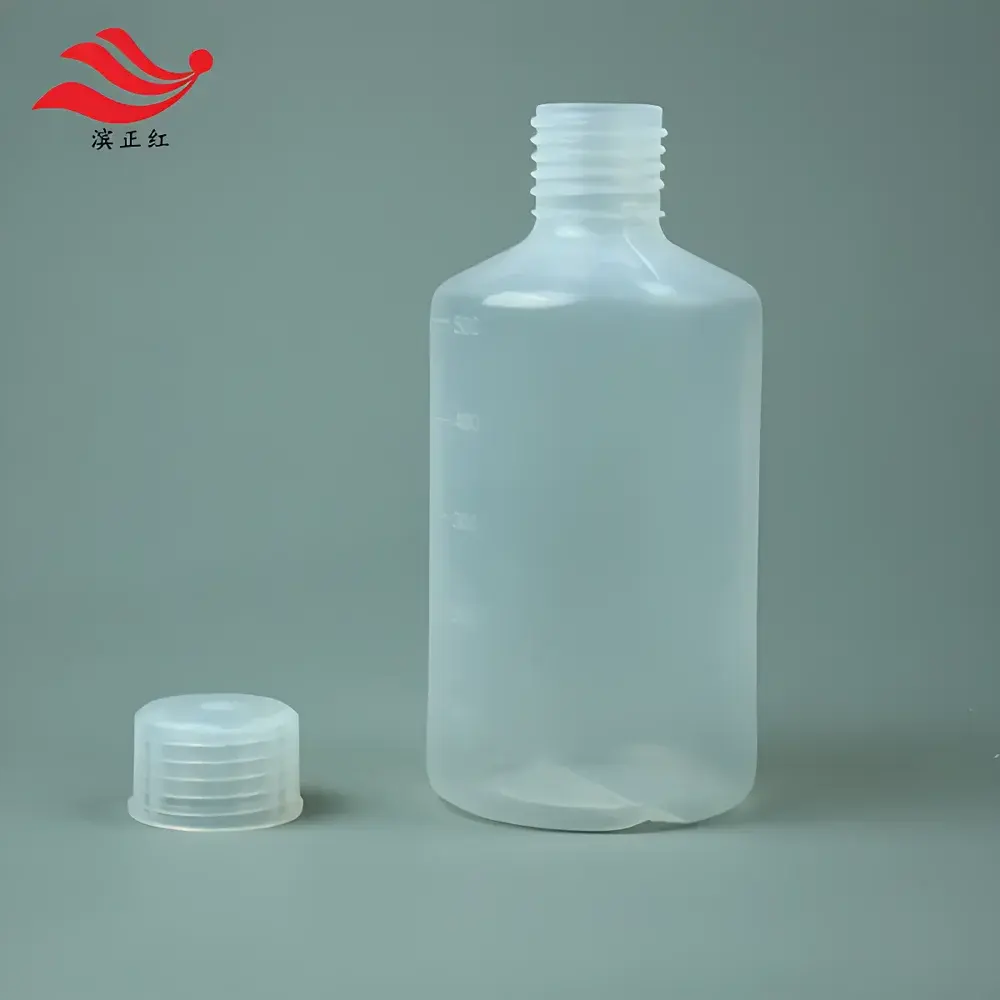
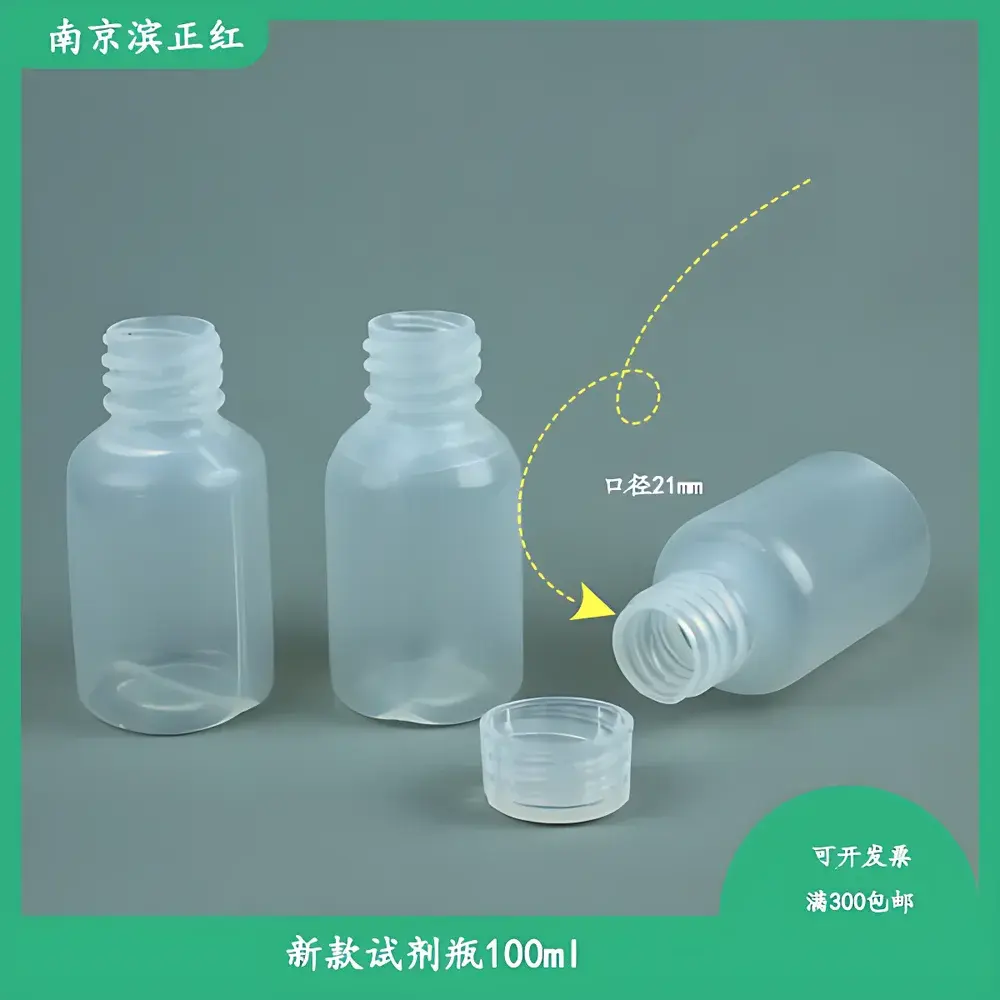
PFA Reagent Vials with GL32 Thread – High-Purity Fluoropolymer Sample Containers for Trace Analysis
| Brand | Binzhenghong |
|---|---|
| Model | GL32 Series |
| Material | Perfluoroalkoxy (PFA) |
| Transparency | Semi-Transparent |
| Operating Temperature Range | −200 °C to +260 °C |
| Electrical Insulation | Frequency- and Temperature-Independent Dielectric Properties |
| Metallic Impurity Levels | Sub-ppt (parts-per-trillion) |
| Extractables/Leachables | Ultra-Low |
| Compliance | Suitable for ISO/IEC 17025-accredited laboratories, compatible with ICP-MS, ICP-OES, and GF-AAS workflows |
| Regulatory Alignment | Meets requirements for trace-metal-free storage per ASTM D5127 and USP <661.2> for fluoropolymer containers |
Overview
The Binzhenghong GL32 Series PFA Reagent Vials are high-purity, chemically inert sample containers engineered for ultra-trace elemental analysis and reference material stewardship. Constructed from perfluoroalkoxy alkane (PFA), a melt-processable variant of polytetrafluoroethylene (PTFE), these vials deliver exceptional resistance to thermal stress, aggressive solvents, and high-purity acid digestion matrices—including hydrofluoric acid (HF), aqua regia, and hot concentrated nitric acid. Unlike glass or HDPE alternatives, PFA exhibits negligible metal leaching and near-zero background contamination across the full elemental spectrum—from alkali metals (Li, Na, K) to transition metals (Fe, Cu, Zn, Pb) and refractory elements (Ti, Zr, Hf). This makes the GL32 vials suitable for applications governed by stringent detection limits (e.g., sub-ng/L in seawater analysis) and validated methodologies such as EPA Method 200.8, ISO 17294-2, and ASTM D5673.
Key Features
- Ultra-Low Elemental Background: Batch-certified for trace-metal purity; typical metallic impurity levels ≤10 pg/mL for key analytes (Al, Cr, Fe, Ni, Cu, Zn, Cd, Pb) when extracted with 2% HNO₃ at 60 °C for 24 h.
- Thermal & Chemical Robustness: Stable across −200 °C to +260 °C; withstands rapid thermal cycling without crazing or delamination; compatible with microwave-assisted digestion systems and hotplate-based evaporation protocols.
- Dimensional Precision & Seal Integrity: GL32-thread design conforms to DIN 12451 standards; paired with PFA-coated silicone septa or PTFE-faced caps, ensuring helium-leak-tight closure (<1×10⁻⁸ mbar·L/s) for long-term volatile standard storage.
- Optical Clarity & Handling Safety: Semi-transparent body enables visual verification of sample volume and phase separation without opening; non-shattering construction eliminates breakage risk during centrifugation, transport, or cryogenic handling.
- Regulatory-Ready Documentation: Supplied with Certificate of Analysis (CoA) listing measured extractable metals, residual monomers, and thermal degradation onset temperature (TGA onset ≥360 °C).
Sample Compatibility & Compliance
These vials are validated for direct use with certified reference materials (CRMs) including NIST SRM 1640a (Natural Water), BCR-414 (North Atlantic Seawater), and IRMM-320 (Mercury in Aqueous Solution). They meet the container qualification criteria outlined in ISO/IEC 17025:2017 Clause 7.4.3 for reference standard storage and are routinely employed in laboratories undergoing GLP audits per OECD Principles and FDA 21 CFR Part 58. The PFA formulation complies with USP Class VI biocompatibility testing and demonstrates no detectable leachables under LC-MS/MS screening per ICH Q5C guidelines.
Software & Data Management
While the GL32 vials themselves are passive hardware components, they integrate seamlessly into LIMS-enabled workflows. Each vial batch is assigned a unique QR-coded lot identifier linked to its CoA in Binzhenghong’s traceability portal—accessible via secure API for automated import into laboratory information management systems (e.g., LabWare LIMS, Thermo Fisher SampleManager). This supports full chain-of-custody documentation, expiration tracking, and audit-ready reporting for ISO/IEC 17025 clause 7.7 (result validity) and ISO 15195 (reference measurement system compliance).
Applications
- Long-term storage of isotopically enriched standards for MC-ICP-MS calibration (e.g., NIST SRM 3100 series)
- Field collection and stabilization of marine, glacial, and atmospheric samples requiring sub-femtomolar metal preservation
- Preparation and dilution of calibration standards for EPA Method 6020B (ICP-MS multi-element analysis)
- Holding vessels for method blanks and reagent blanks in cleanroom-based trace metal labs (Class 100 / ISO 5 environments)
- Secondary containment for hygroscopic or light-sensitive organometallic compounds (e.g., methylmercury chloride, trimethyllead chloride)
FAQ
Are these vials suitable for hydrofluoric acid (HF) storage?
Yes—PFA exhibits the highest HF resistance among all commercial fluoropolymers; GL32 vials have been verified for 48-hour exposure to 49% HF at room temperature with no measurable etching or mass loss.
Do you provide lot-specific certificates of analysis (CoA)?
Yes—each production lot undergoes ICP-MS analysis for 32 elements; CoAs include quantitative results, uncertainty budgets, and test method references (e.g., ASTM D5127 Annex A1).
Can these vials be autoclaved?
Yes—they are rated for repeated steam sterilization at 121 °C, 15 psi for 20 minutes without dimensional change or surface degradation.
What cap options are available for GL32 vials?
Standard configurations include PFA-lined screw caps with silicone septa (for syringe access), PTFE-faced caps with aluminum crimp seals (for volatile standards), and magnetic caps compliant with ISO 8536-2 for pharmaceutical-grade use.
How does PFA compare to FEP or ETFE for trace metal work?
PFA offers superior extractable purity versus FEP (lower monomer residuals) and higher thermal stability than ETFE; it is the only fluoropolymer routinely specified in ISO 17294-2 Annex C for ICP-MS sample introduction systems.





