
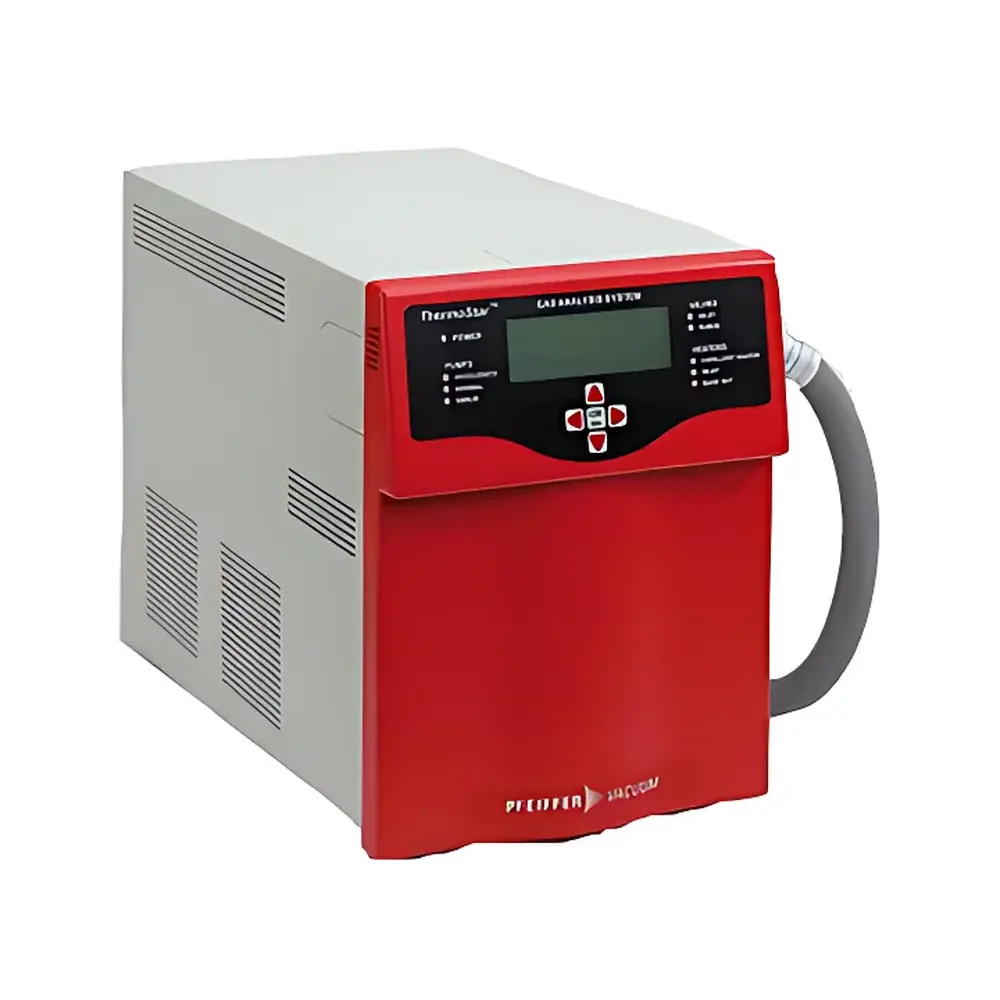
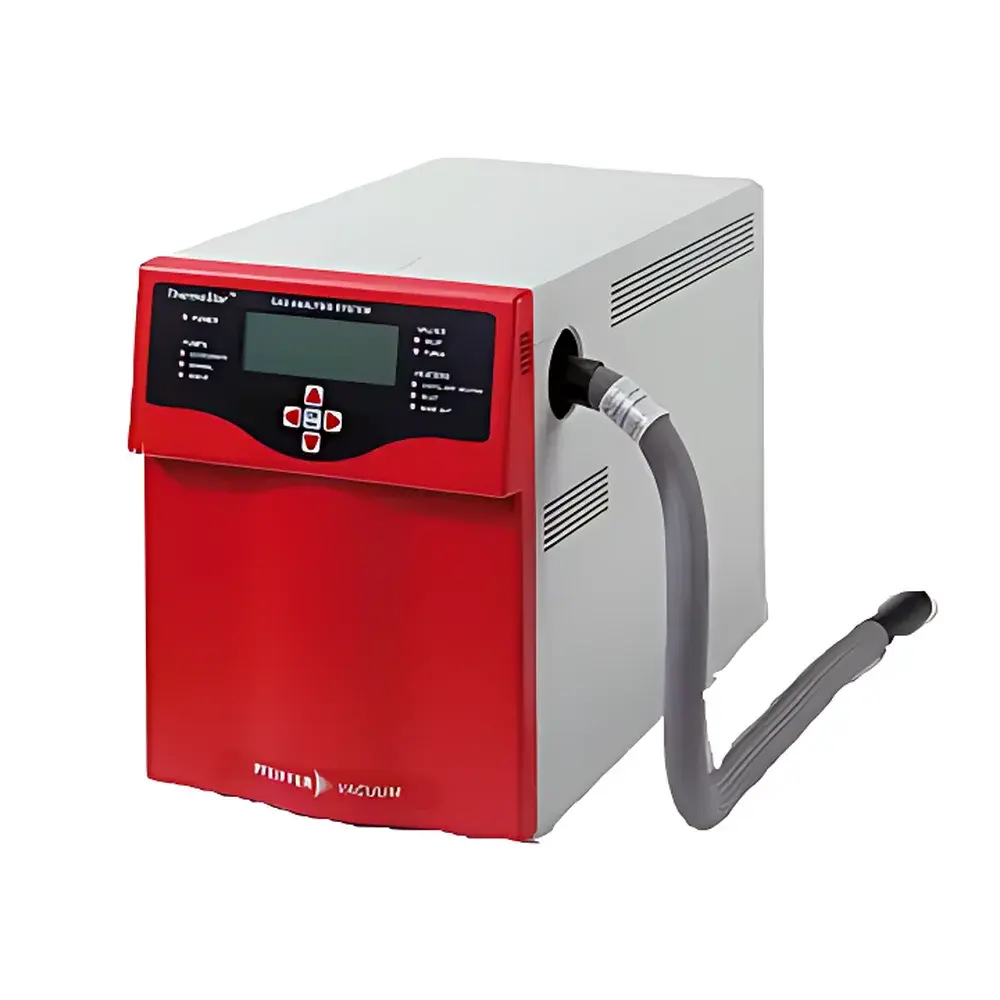
Pfeiffer Vacuum OMNISTAR™ / THERMOSTAR™ Benchtop Quadrupole Mass Spectrometer Systems
| Brand | Pfeiffer Vacuum |
|---|---|
| Origin | Germany |
| Manufacturer Type | Original Equipment Manufacturer (OEM) |
| Import Status | Imported |
| Model | OMNISTAR™ / THERMOSTAR™ |
| Pricing | Upon Request |
Overview
The Pfeiffer Vacuum OMNISTAR™ and THERMOSTAR™ are benchtop quadrupole mass spectrometer (QMS) systems engineered for real-time, high-sensitivity gas analysis at ambient pressure and controlled vacuum conditions. Based on robust quadrupole mass filtering technology operating in the 1–100 amu, 1–200 amu, or 1–300 amu mass range (configurable per system), these instruments employ electron ionization (EI) at 70 eV for reproducible fragmentation patterns and quantitative trace gas detection. Unlike optical techniques such as FTIR or NDIR, QMS provides simultaneous multi-component analysis across the full mass spectrum without spectral overlap constraints—making it especially suitable for dynamic process environments where composition shifts rapidly and unknown species must be identified unambiguously.
Key Features
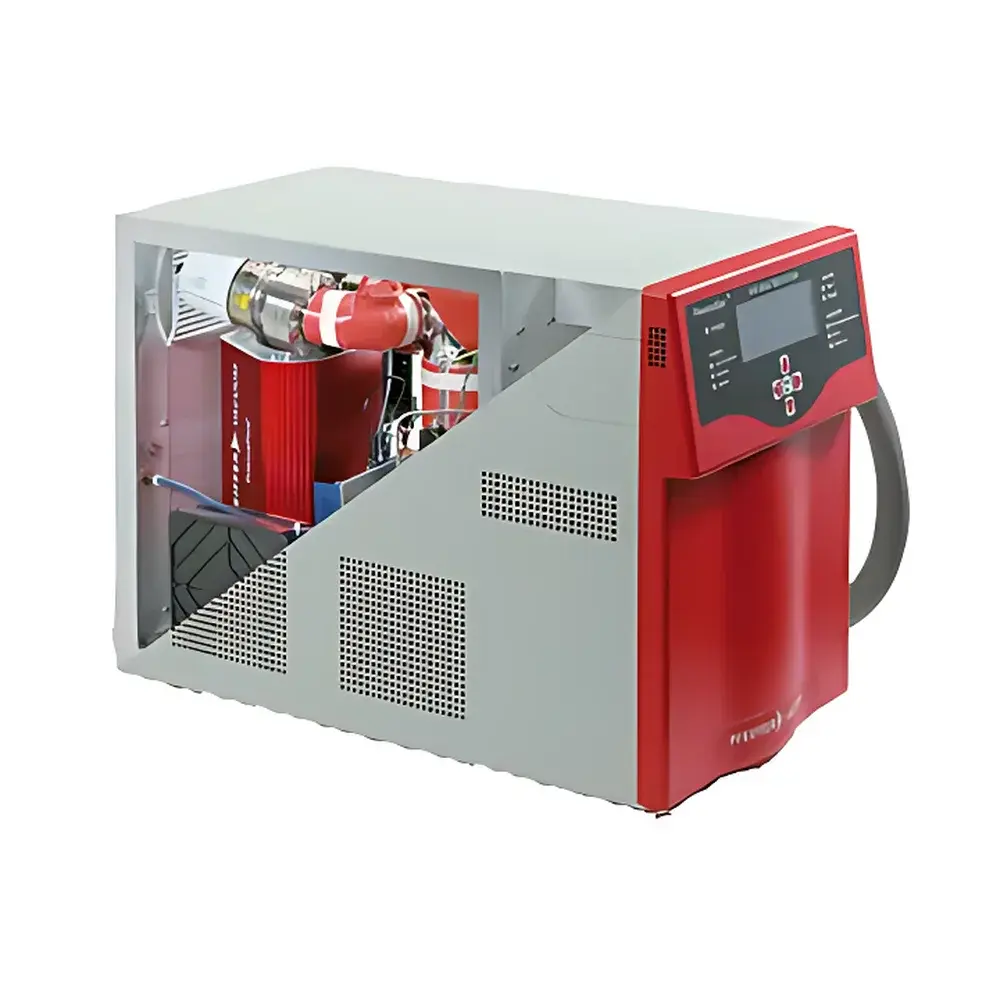
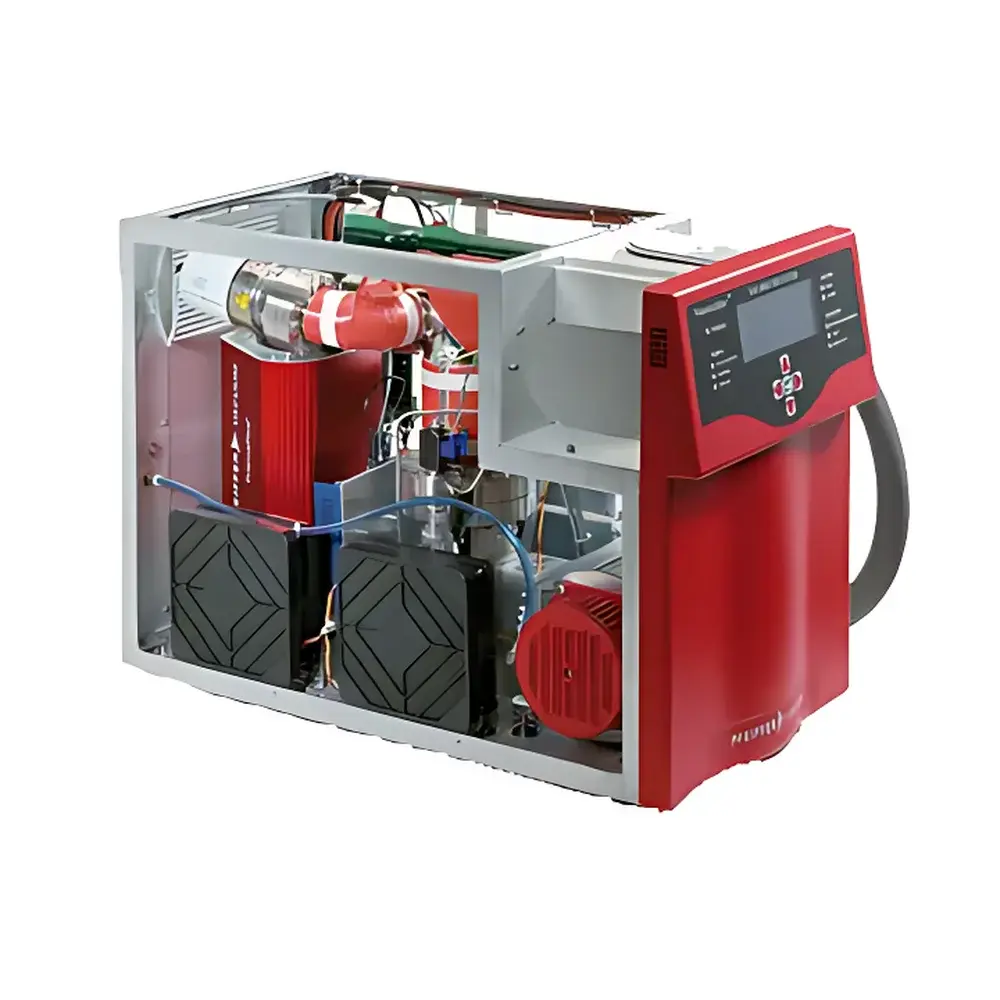
- Integrated hardware architecture comprising a PrismaPlus® quadrupole mass spectrometer, HiPace® turbomolecular pump, and ACP® dry diaphragm backing pump for stable, oil-free high-vacuum operation
- Heated capillary inlet: stainless steel (OMNISTAR™) or fused quartz (THERMOSTAR™), temperature-controlled up to 350 °C to prevent condensation of volatile and semi-volatile analytes
- Atmospheric-pressure sampling capability with optional pressure regulation down to 10−3 mbar, enabling flexible operation from ambient to high-vacuum regimes
- UHV-compatible all-metal vacuum chamber, bakeable to ≤150 °C, minimizing outgassing and background interference
- Shielded, closed-ion-source design with field-axis focusing optics to enhance signal-to-noise ratio and long-term sensitivity stability
- Standard library of >1,200 reference mass spectra for automated compound identification; supports user-defined libraries and custom calibration tables
- Real-time quantification of up to 128 mass channels with linear dynamic range exceeding 106 and detection limits <1 ppm (v/v) for most permanent gases and organic vapors
Sample Compatibility & Compliance
The OMNISTAR™/THERMOSTAR™ systems accommodate a broad spectrum of gaseous and vapor-phase samples—including corrosive, reactive, and condensable species—without requiring pre-concentration or derivatization. The THERMOSTAR™ variant integrates a platinum diffusion membrane at the capillary inlet, enabling direct coupling to thermogravimetric analyzers (TGA) and differential scanning calorimeters (DSC) for evolved gas analysis (EGA). Both platforms comply with ISO/IEC 17025 requirements for analytical measurement uncertainty estimation and support audit-ready data integrity under FDA 21 CFR Part 11 when deployed with QUADRA® software’s electronic signature and audit trail modules. System validation documentation aligns with GMP/GLP laboratory practices for pharmaceutical, semiconductor, and catalyst development applications.
Software & Data Management
QUADRA® is the proprietary, Windows-based control and analysis software for OMNISTAR™/THERMOSTAR™ systems. It provides real-time spectral acquisition, time-resolved mass chromatography, and fully automated calibration routines using certified standard gas mixtures. The modular interface supports synchronized multi-instrument control (e.g., TGA-MS, reactor-MS), event-triggered data logging, and export to CSV, ASCII, or ASTM E1343-compliant formats. All raw data files include embedded metadata (instrument ID, operator, timestamp, calibration history), ensuring traceability. Optional add-ons include peak deconvolution algorithms for overlapping signals, isotopic pattern fitting, and compliance reporting templates aligned with ISO 10723 and ASTM D1945 for natural gas analysis.
Applications
- Process monitoring in semiconductor CVD/ALD reactors and etch chambers
- Evolved gas analysis (EGA) during thermal decomposition, polymer degradation, and catalytic reaction profiling
- In-line monitoring of fermentation off-gas (CO2, O2, ethanol, acetate)
- Leak detection and residual gas analysis (RGA) in UHV systems and particle accelerators
- Environmental emission testing (VOCs, NOx, SO2) and landfill gas composition tracking
- Laser cavity gas purity verification and excimer laser gas mixture optimization
- Metallurgical off-gas analysis during sintering, reduction, and refining processes
FAQ
What is the difference between OMNISTAR™ and THERMOSTAR™?
The OMNISTAR™ uses a heated stainless-steel capillary for general-purpose atmospheric-pressure gas analysis, while the THERMOSTAR™ features a fused quartz capillary with an integrated platinum diffusion membrane optimized for coupling to thermal analyzers and high-temperature evolved gas streams.
Can the system analyze condensable vapors like water, alcohols, or monomers?
Yes—capillary heating up to 350 °C prevents condensation, and the bakeable metal vacuum chamber minimizes memory effects, enabling reliable analysis of polar and high-boiling-point compounds.
Is calibration required before each measurement?
No—factory-calibrated mass scale and sensitivity remain stable over extended periods; however, routine verification using certified gas standards (e.g., Air Liquide TraceCal) is recommended per ISO/IEC 17025 quality protocols.
Does the system support remote operation and integration into SCADA or DCS environments?
Yes—QUADRA® provides OPC UA and TCP/IP interfaces for bidirectional communication with industrial automation systems, including Modbus TCP and Siemens S7 protocol support via optional drivers.
What maintenance intervals are recommended for the vacuum pumps and mass spectrometer?
The HiPace® turbomolecular pump requires annual bearing inspection; the ACP® dry pump operates maintenance-free for ≥10,000 hours; the quadrupole analyzer has no consumables and is rated for >15 years of continuous service under typical laboratory conditions.





