
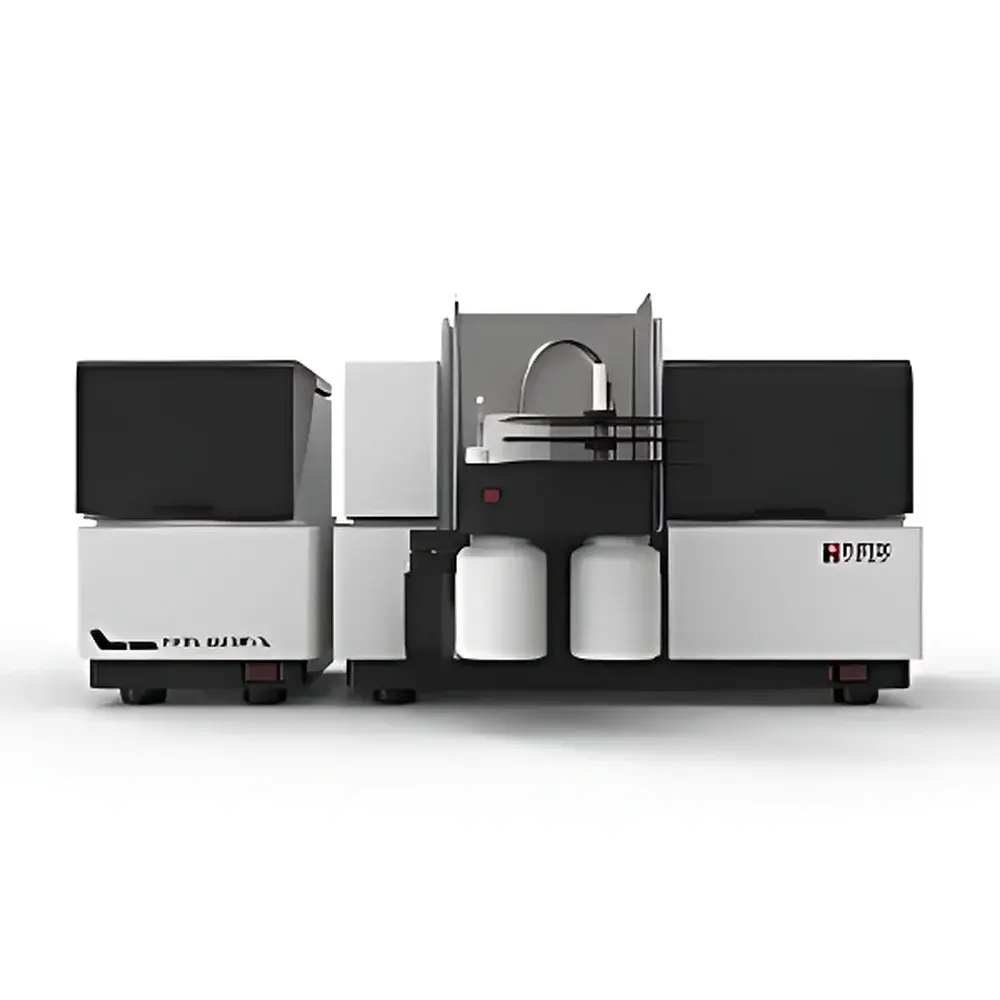
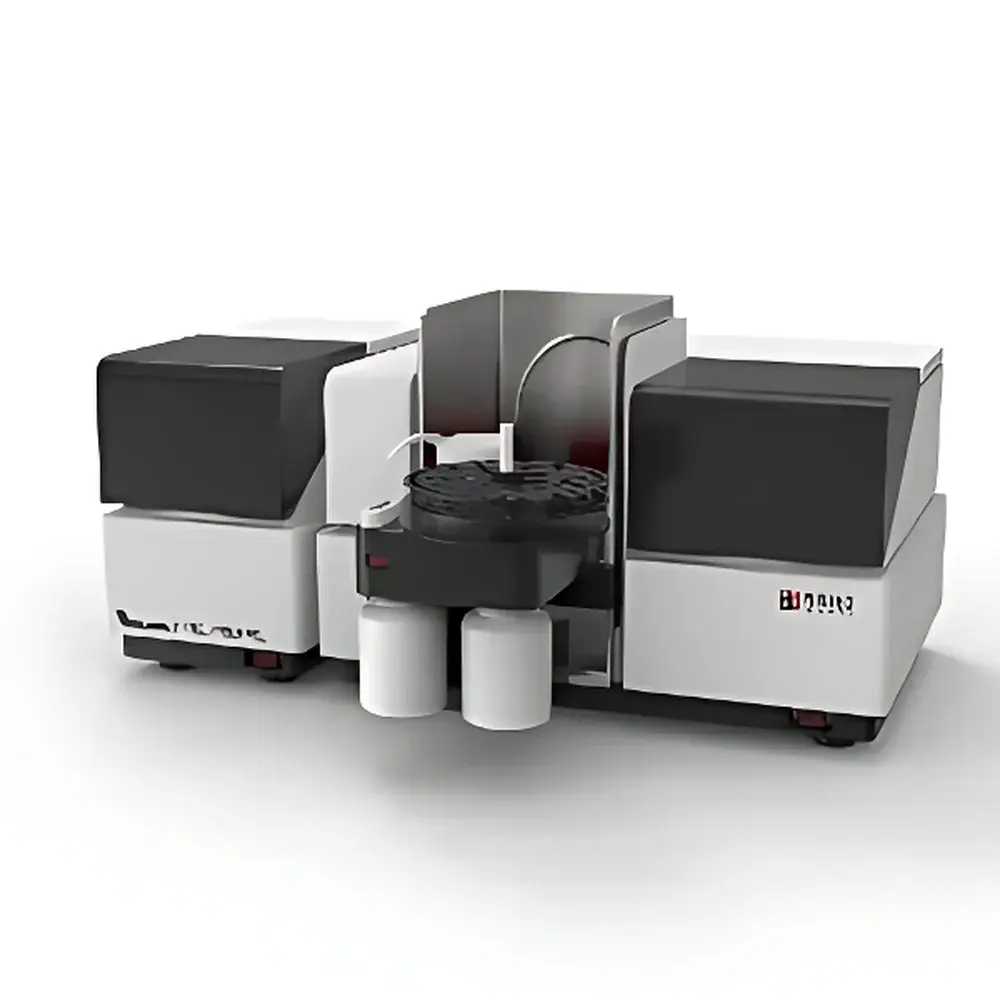
PHXTEC AA68 Series Flame Atomic Absorption Spectrometer
| Brand | PHXTEC |
|---|---|
| Origin | Shanghai, China |
| Manufacturer Type | Direct Manufacturer |
| Regional Classification | Domestic (China) |
| Model | AA68 A |
| Instrument Type | Flame AAS |
| Monochromator Element | Plane Grating |
| Optical System | Single-Beam |
| Detector Type | Photomultiplier Tube (PMT) |
| Background Correction | Deuterium Lamp + Self-Reversal Method |
| Spectral Resolution | 0.1 nm |
| Sensitivity | >0.3 A (for Cu 0.5 µg/mL) |
| Repeatability (RSD) | ≤0.5% |
| Detection Limit | 0.003 µg/mL (for Cu) |
| Baseline Stability | ≤0.002 A / 30 min |
Overview
The PHXTEC AA68 Series Flame Atomic Absorption Spectrometer is a precision-engineered analytical instrument designed for quantitative elemental analysis in routine laboratory environments. Based on the fundamental principle of atomic absorption spectroscopy—where ground-state free atoms in a flame absorb characteristic wavelengths of light—the AA68 A employs a single-beam optical architecture with a plane grating monochromator and photomultiplier tube detection to deliver high-fidelity absorbance measurements. Its optimized flame atomization system enables robust quantification of over 60 metallic elements—including Na, K, Ca, Mg, Fe, Zn, Cu, Mn, and Pb—in aqueous solutions at trace concentration levels. Engineered for compliance with international standard methods (e.g., ASTM D1688, ISO 7027, USP <231>, EPA Method 7000B), the AA68 A supports regulated workflows in environmental monitoring, food safety testing, clinical chemistry, and industrial quality control laboratories.
Key Features
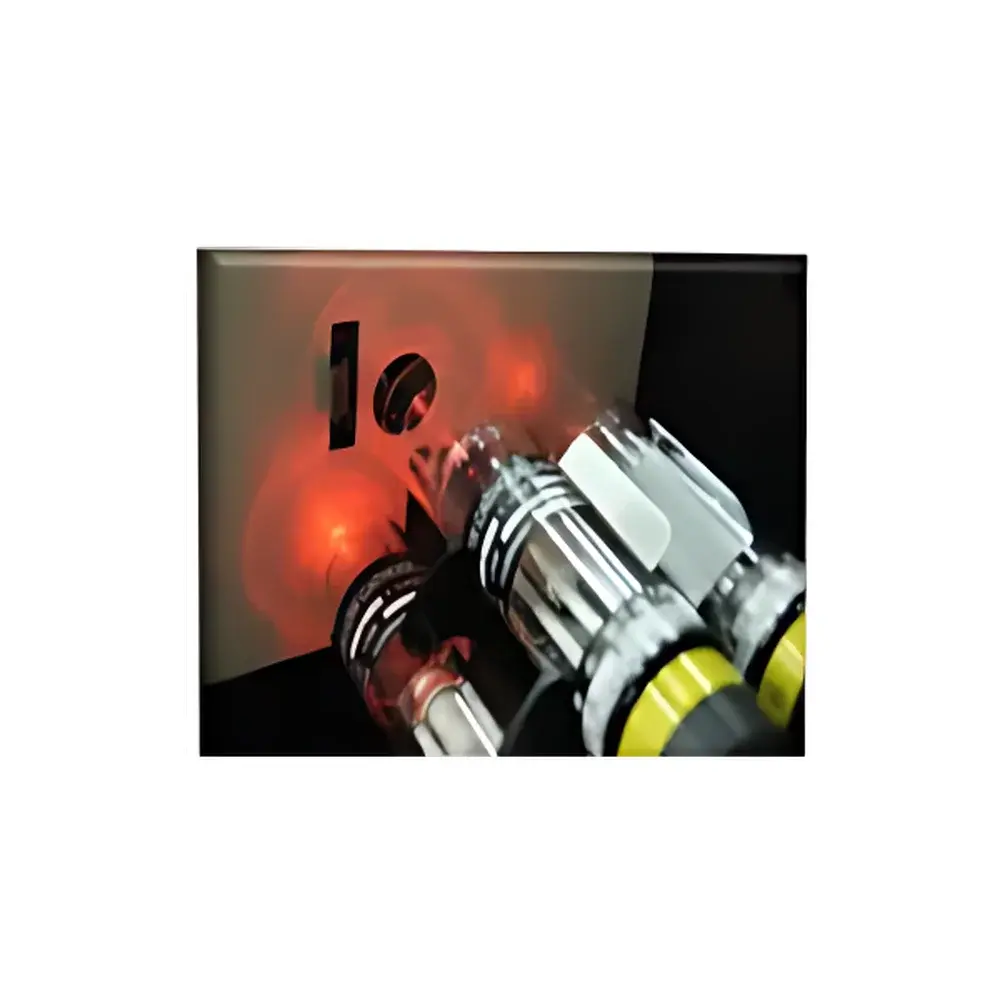
- Enhanced background correction via dual-mode algorithm combining deuterium lamp continuum source and self-reversal (line-source reversal) techniques—ensuring accurate compensation for molecular absorption and scattering in complex matrices.
- ARM-based main control board with expanded peripheral interfaces, enabling real-time data acquisition, synchronized gas flow control, and deterministic timing for flame ignition and stabilization sequences.
- Integrated flame safety architecture: flame temperature-sensing thermocouple, gas pressure monitoring, burner insertion interlock, automatic gas cutoff upon flame extinction or power loss, and computer-controlled ignition only after pre-check validation.
- Suspended optical path design with rigid stainless-steel mounting platform—minimizing mechanical drift and thermal-induced misalignment to maintain long-term spectral stability.
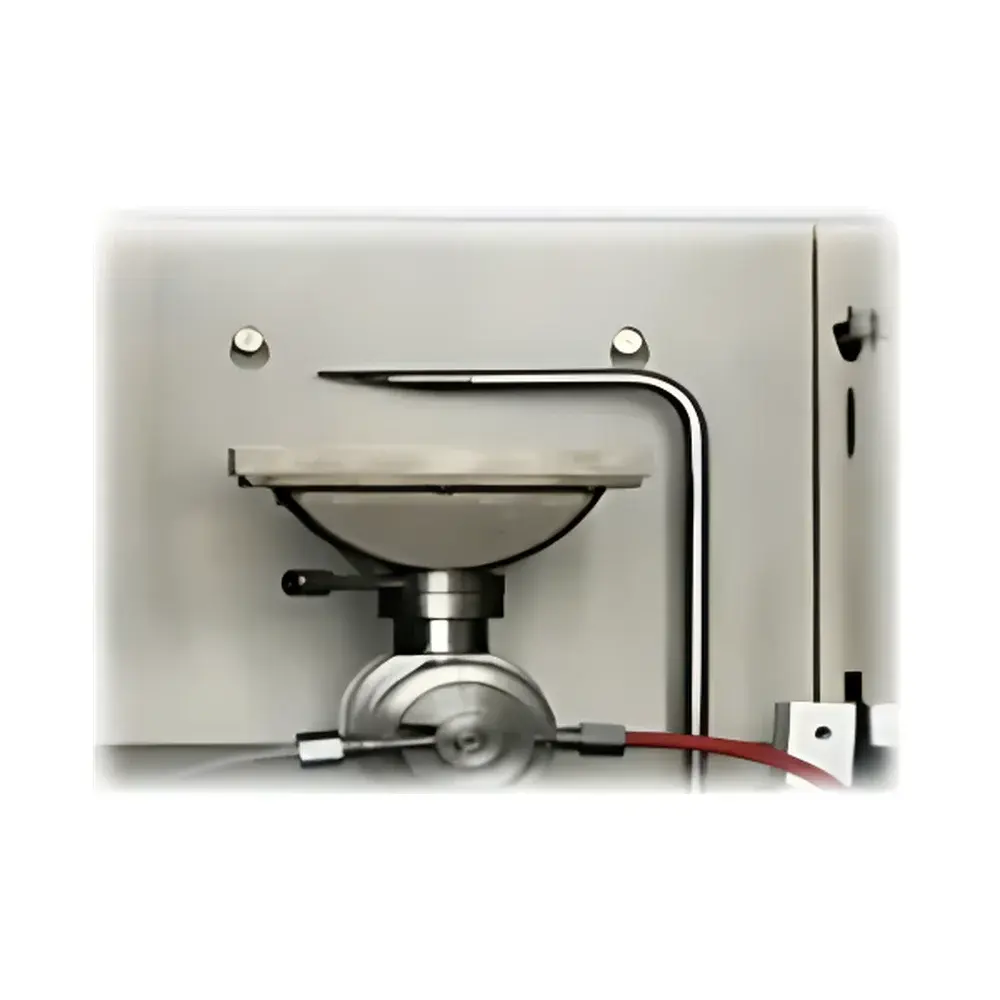
- High-efficiency nebulizer with corrosion-resistant stainless-steel spray chamber—optimized for sample uptake consistency and aerosol generation efficiency across varying acid concentrations and viscosity profiles.
- Wavelength positioning repeatability of ±0.05 nm and spectral resolution of 0.1 nm—achieved through precision stepper-motor-driven grating rotation and closed-loop encoder feedback.
- Compact modular chassis (W × D × H: 580 × 520 × 420 mm)—reducing footprint by up to 25% compared to conventional benchtop flame AAS systems without compromising accessibility or serviceability.
Sample Compatibility & Compliance
The AA68 A accepts liquid samples prepared in dilute nitric or hydrochloric acid matrices (typically 1–5% v/v), compatible with standard volumetric dilution protocols and certified reference materials (CRMs) such as NIST SRM 1643e (Trace Elements in Natural Water). It meets essential performance criteria outlined in ISO 11097:2015 (Water Quality — Determination of Metals by Flame AAS) and supports GLP/GMP documentation requirements through full audit-trail logging of method parameters, calibration history, operator ID, and raw signal timestamps. All firmware and software modules comply with FDA 21 CFR Part 11 readiness—enabling electronic signatures, role-based access control, and immutable data archiving when deployed with validated IT infrastructure.
Software & Data Management
NextLab-AA workstation software provides a workflow-centric interface built on a dual-layer data architecture: transient raw signal storage (10 kHz sampling rate) coexists with processed result sets linked to metadata-rich method templates. Users configure customizable dashboards with floating functional panels—including spectral view, calibration curve editor, QC charting, and report generator—each independently resizable and savable per operator profile. The system supports eight regression models (linear, quadratic, weighted linear, etc.), post-acquisition reprocessing with updated calibrations, and conditional historical query filters (e.g., “all Cu analyses between Jan–Mar 2024 with RSD < 1.2%”). Cloud-integrated features include remote instrument status monitoring, automated firmware update notifications, and secure download of validated application notes aligned with ISO/IEC 17025 method validation guidelines.
Applications
- Environmental labs: Quantification of heavy metals (Cd, Cr, Ni, Pb) in drinking water, wastewater, and soil leachates per EPA 200.7 and ISO 17294-2.
- Food & beverage QA/QC: Routine monitoring of essential minerals (Ca, Fe, Zn) and contaminants (As, Cd) in dairy, cereals, and infant formula in accordance with Codex Alimentarius standards.
- Clinical research: Measurement of serum/plasma electrolytes (Na, K, Ca, Mg) and trace elements (Cu, Zn) using standardized dilution and matrix-matched calibration strategies.
- Pharmaceutical excipient testing: Verification of residual catalyst metals (Pd, Pt, Ni) in active pharmaceutical ingredients (APIs) per ICH Q2(R2) guidance.
- Industrial process control: In-line verification of plating bath composition (e.g., Ni, Co, Cr) and rinse water purity in electroplating facilities.
FAQ
What flame gases are required for operation?
Compressed air and acetylene (or propane for low-temperature applications) are used; gas supply lines must be equipped with flashback arrestors and pressure regulators meeting EN ISO 2503 standards.
Is the instrument compatible with hydride generation or graphite furnace accessories?
The AA68 A is a dedicated flame-only platform; PHXTEC offers separate HG-AAS (AA68-HG) and GF-AAS (AA68-GF) configurations with distinct atomizers and control firmware.
How is data integrity ensured during multi-user operation?
Each login session enforces unique user profiles with configurable permissions; all method edits, calibration events, and result exports are time-stamped, digitally signed, and archived in an encrypted SQLite database compliant with ALCOA+ principles.
Can background correction be disabled for method development?
Yes—background correction mode (D₂, SR, or OFF) is selectable per element method; raw absorbance and corrected absorbance channels are logged simultaneously for comparative evaluation.
What maintenance intervals are recommended for optimal performance?
Nebulizer capillary cleaning after every 100 samples; burner head ultrasonic cleaning weekly; optical alignment verification quarterly; PMT high-voltage calibration annually—documented in the included Preventive Maintenance Logbook.





