PIV View 2D2CPIV Low-Frequency Particle Image Velocimetry System
| Brand | PIV View |
|---|---|
| Origin | Germany |
| Manufacturer Type | Authorized Distributor |
| Import Status | Imported |
| Model | 2D2CPIV |
| Measurement Capability | Planar (2D/3D) Velocity Field |
| Operating Frequency | Low-Frequency (≤15 Hz) |
| Velocity Range | 0–1500 m/s |
| Accuracy | ±3% of reading |
| Measurement Area | ≥400 mm × 400 mm |
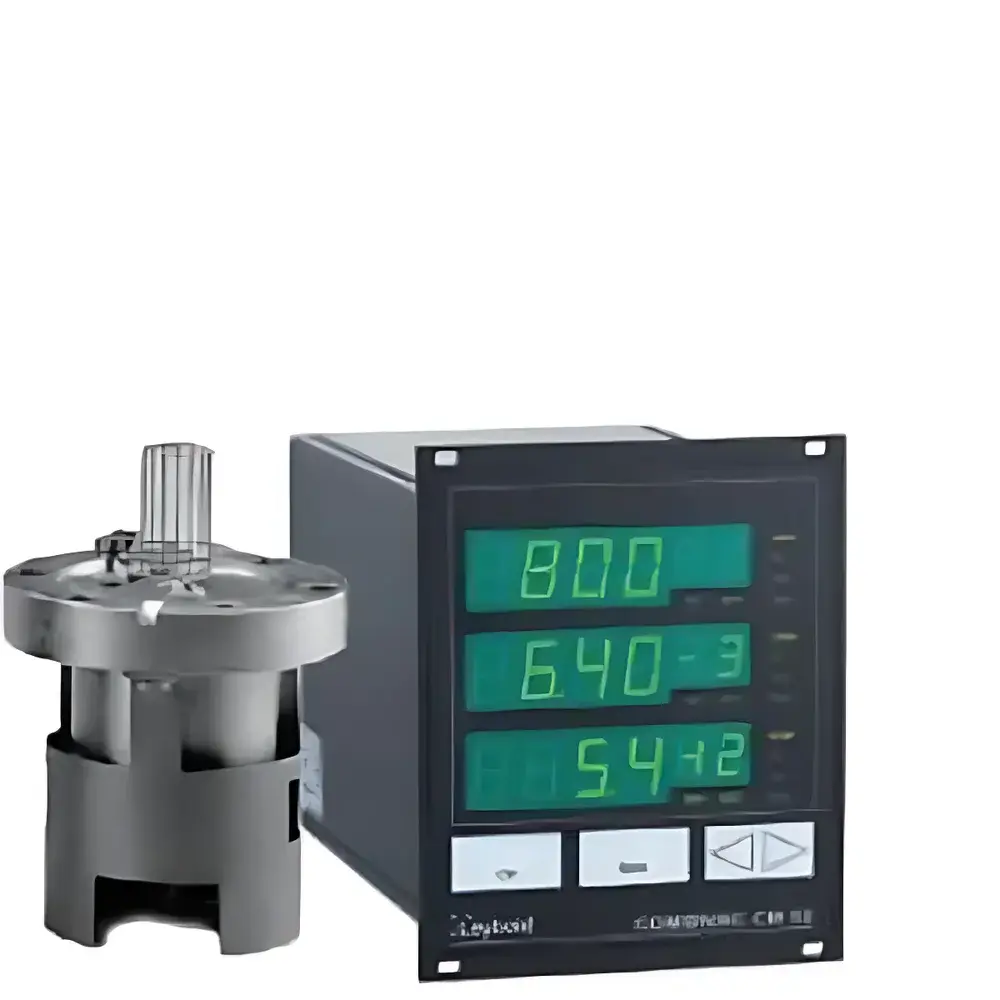
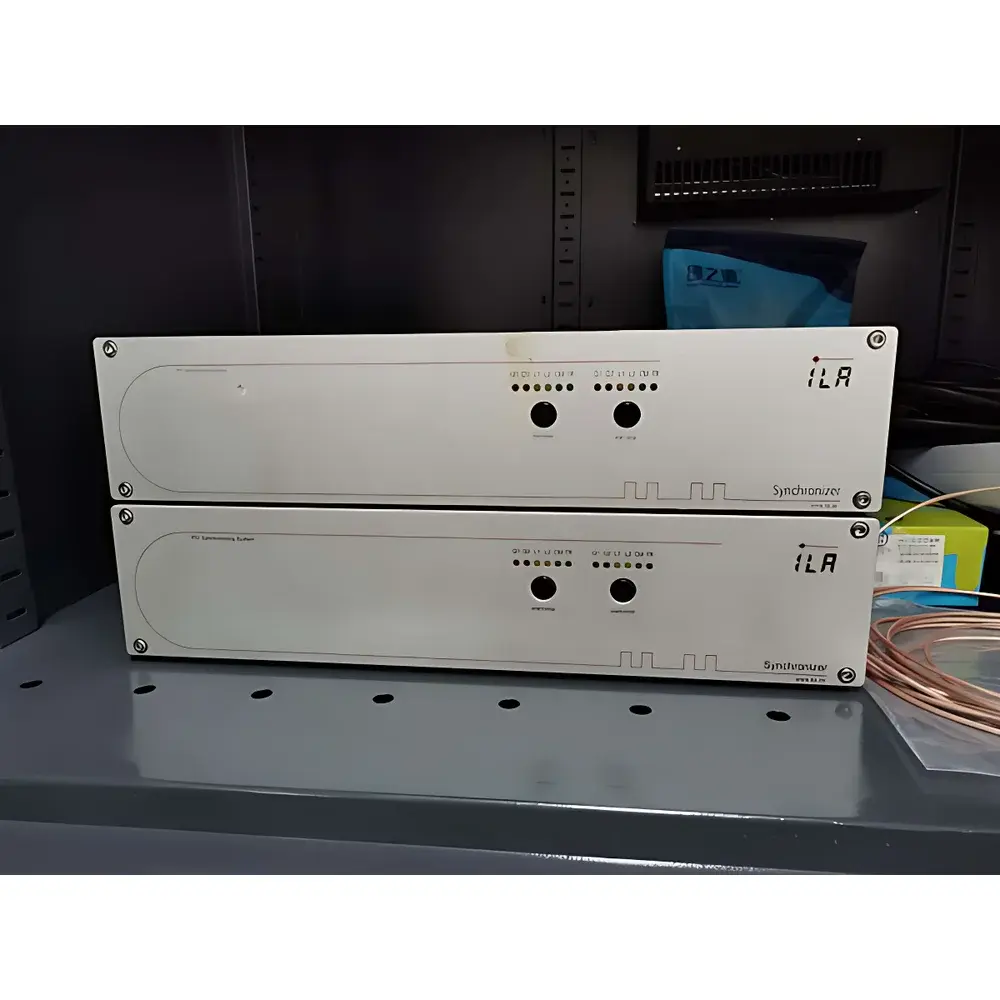
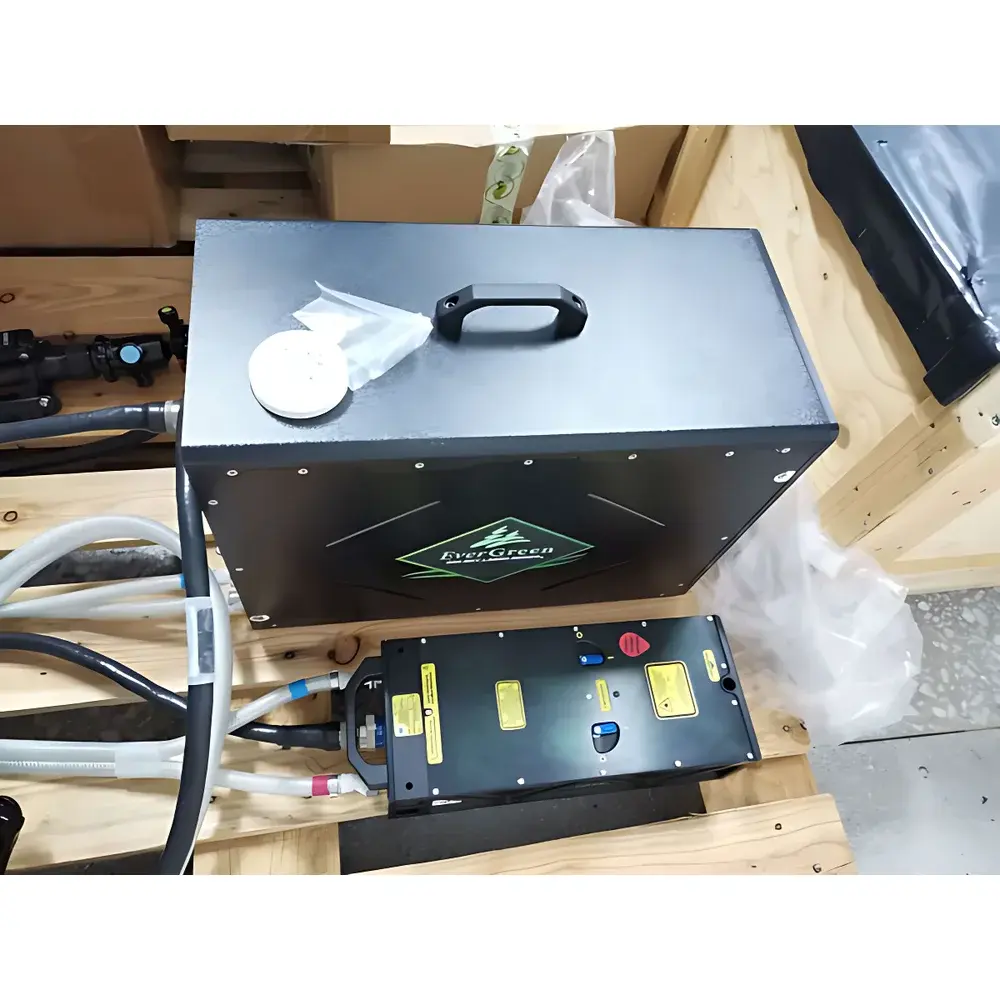
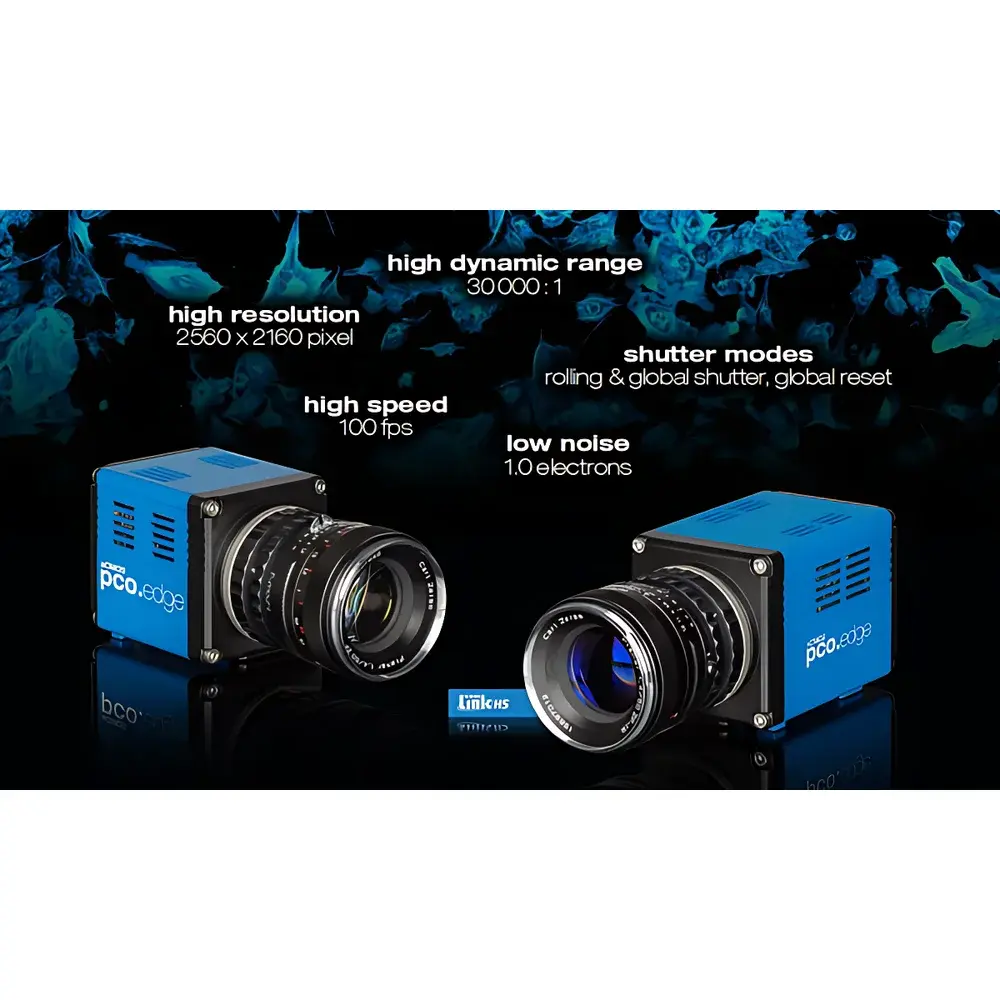
| Core Components | PCO edge 5.5M dual-frame camera, dual-cavity double-pulse Nd:YAG laser (532 nm), nanosecond-precision synchronization controller, PIV post-processing software suite |
Overview
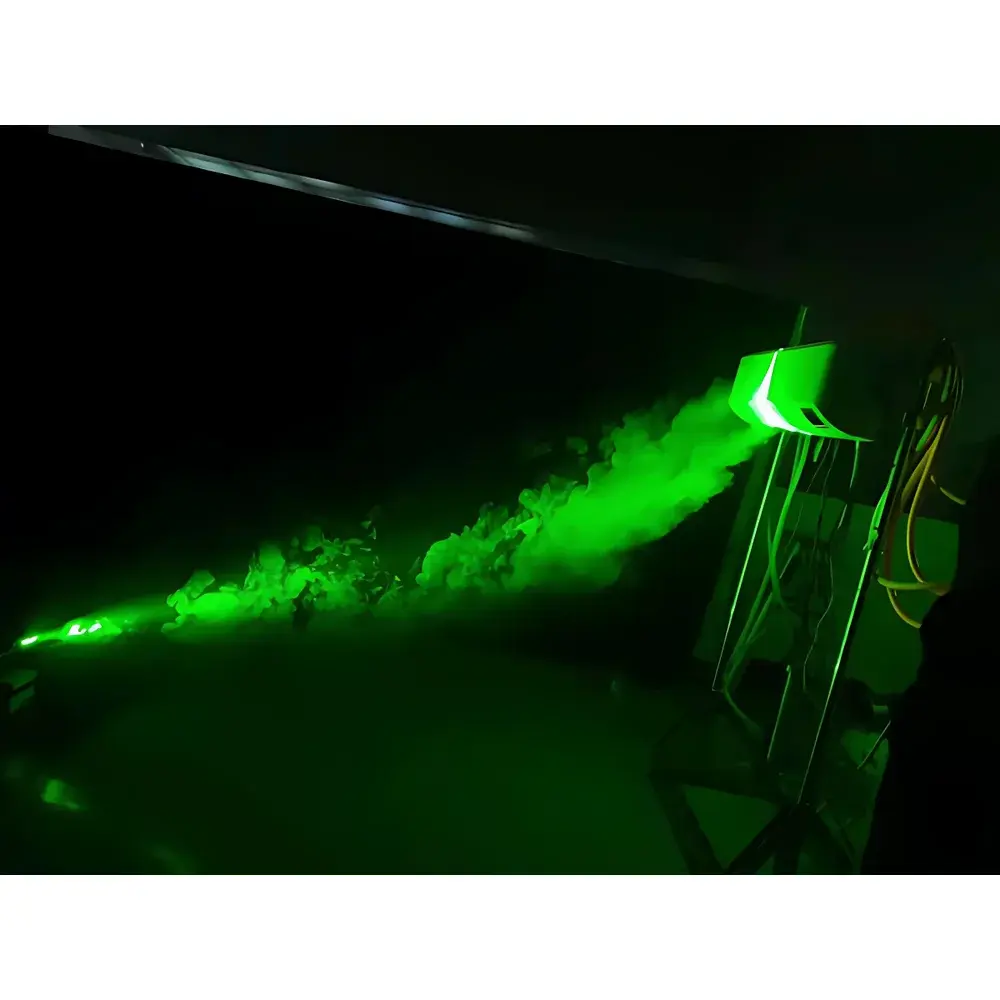
The PIV View 2D2CPIV Low-Frequency Particle Image Velocimetry System is a rigorously engineered optical diagnostic platform designed for quantitative, non-intrusive measurement of planar velocity fields in fluid dynamics research and industrial flow analysis. Based on the fundamental principle of time-resolved laser sheet illumination and cross-correlation image analysis, the system captures two successive particle-seeded flow images with precisely controlled inter-frame delays—typically in the nanosecond to microsecond range—and computes displacement vectors via interrogation window-based cross-correlation algorithms. This enables spatially resolved, two-dimensional, two-component (2D2C) velocity vector mapping across a defined measurement plane (≥400 mm × 400 mm). Optimized for low-frequency applications—including steady or quasi-steady flows, large-scale wind tunnel testing, combustion chamber characterization, and environmental fluid studies—the system operates at repetition rates up to 15 Hz, balancing temporal resolution with signal-to-noise ratio and laser energy delivery constraints. Its architecture adheres to metrological best practices for optical flow diagnostics, ensuring traceable, repeatable, and physics-consistent velocity quantification under ISO/IEC 17025-aligned laboratory conditions.
Key Features
- High-fidelity dual-frame imaging: PCO edge 5.5M sCMOS camera with 2560 × 2160 pixel resolution, 16-bit dynamic range, quantum efficiency >60%, read noise ≤1 e⁻, and dual-exposure capability with ≤200 ns inter-pulse separation.
- Stable dual-cavity Nd:YAG laser source: 532 nm wavelength, 200 mJ/pulse energy, <8 ns pulse duration, pulse-to-pulse energy stability <2% RMS, beam collimation precision (±100 μrad far-field / ±100 μm near-field), and 10⁸-shot lamp lifetime.
- Nanosecond-precision synchronization: 16-channel programmable trigger controller with 20 ps timing resolution, <1 ps jitter, Ethernet-based TCP/IP communication, logic-enabled input gating, and encoder-compatible timing interfaces for rotational or translational motion synchronization.
- Robust optical integration: Includes high-transmission narrowband filters (Δλ < 1 nm), articulated light guide arms, piezoelectric particle generators, and optional liquid crystal shutters for flame-gated acquisition in reactive flows.
- Modular scalability: Designed for future expansion to stereoscopic (2D3C) or tomographic (3D3C) configurations through additional synchronized cameras, volumetric illumination optics, and GPU-accelerated reconstruction modules.
Sample Compatibility & Compliance
The 2D2CPIV system accommodates a broad spectrum of fluid media—including air, water, oil-based lubricants, and reactive gas mixtures—provided appropriate tracer particle selection (e.g., 0.5–2 μm diameter polyamide or hollow glass spheres with matched refractive index and Stokes number <0.1). It supports compliance with widely referenced experimental fluid mechanics standards, including ASTM D7509 (standard practice for PIV in wind tunnels), ISO 20487 (optical measurement methods in fluid mechanics), and guidelines from the International PIV Network (IPIN). All hardware timing parameters are logged with timestamped audit trails, supporting GLP/GMP-aligned documentation workflows where required. Laser safety conforms to IEC 60825-1:2014 Class IV requirements; full operational certification documentation is supplied per EU Machinery Directive 2006/42/EC.
Software & Data Management
The system ships with a validated PIV post-processing software suite supporting batch-mode correlation analysis, adaptive interrogation window deformation, sub-pixel displacement interpolation, vector validation (median filtering, universal outlier detection), and turbulence statistics computation (Reynolds stresses, vorticity, strain rate). Raw image data is stored in HDF5 format with embedded metadata (exposure times, laser energy logs, synchronization timestamps), ensuring FAIR (Findable, Accessible, Interoperable, Reusable) data principles. Software exports fully annotated results in CSV, Tecplot PLT, and ParaView VTK formats. For regulated environments, optional FDA 21 CFR Part 11-compliant modules provide electronic signature support, role-based access control, and immutable audit trails for all processing steps.
Applications
- Aerodynamic development: Boundary layer profiling, wake structure analysis, and drag reduction evaluation in low-speed wind tunnels (subsonic to transonic regimes).
- Combustion research: Time-averaged and phase-locked velocity field mapping in burner rigs and gas turbine combustors—enabled by LC shutter synchronization and flame-gated acquisition.
- Environmental hydraulics: Open-channel flow characterization, sediment transport modeling, and dam spillway velocity distribution studies.
- Industrial process optimization: Mixing efficiency assessment in stirred tanks, nozzle jet characterization, and HVAC airflow visualization.
- Academic teaching & validation: Benchmarking CFD simulations (e.g., against NASA Turbulence Modeling Resource cases) and undergraduate/graduate experimental fluid mechanics laboratories.
FAQ
What distinguishes low-frequency PIV from high-speed PIV systems?
Low-frequency PIV prioritizes high pulse energy, large measurement area coverage, and signal fidelity at repetition rates ≤15 Hz—ideal for steady or slowly evolving flows. High-speed PIV trades laser energy and spatial resolution for kHz–MHz frame rates, targeting transient phenomena such as shock propagation or cavitation inception.
Can this system be upgraded to stereoscopic or volumetric PIV?
Yes. The synchronization controller supports up to four synchronized cameras; combined with calibrated dual-view optics or multi-laser sheet illumination, the platform can be extended to 2D3C or 3D3C configurations without replacing core timing or laser hardware.
Is the software compatible with MATLAB or Python for custom analysis pipelines?
All exported data files (CSV, HDF5, VTK) are natively readable in MATLAB, Python (via h5py, pandas, PyVista), and GNU Octave. API hooks for real-time data streaming and plugin-based algorithm integration are available under academic and commercial licensing agreements.
What maintenance is required for long-term operational stability?
Annual recalibration of laser energy output and camera quantum efficiency is recommended. The laser’s flashlamp requires replacement after ~10⁸ shots (~2–3 years under typical lab usage); PCO cameras include built-in dark-frame and flat-field correction routines to maintain photometric consistency between sessions.
Does the system support automated calibration using standard targets?
Yes. The software includes integrated calibration routines using printed or projected dot-grid targets, supporting both single-plane and multi-plane (stereo) calibration with uncertainty quantification per ISO 10360-8.