PIV View TR PIV High-Speed Time-Resolved Particle Image Velocimetry System
| Brand | PIV View |
|---|---|
| Origin | Germany |
| Manufacturer Type | Authorized Distributor |
| Origin Category | Imported |
| Model | TR PIV |
| Price Range | USD 270,000 – 405,000 (based on configuration) |
| Measurement Mode | Planar (2D) and Volumetric (3D) |
| Frame Rate | Up to 10 kHz (full resolution), >100 Hz standard operation |
| Velocity Range | 0–1000 m/s |
| Accuracy | ±3% of measured velocity magnitude |
| Measurement Area | ≥400 mm × 400 mm (2D) |
| Laser Source Options | High-repetition-rate pulsed Nd:YAG or LED-based illumination |
| Camera Resolution | Configurable up to 4 MP at 10 kHz |
| Synchronization Precision | <10 ns jitter |
| Software Platform | PIVtec ILA v5.x with GLP-compliant audit trail and metadata embedding |
Overview
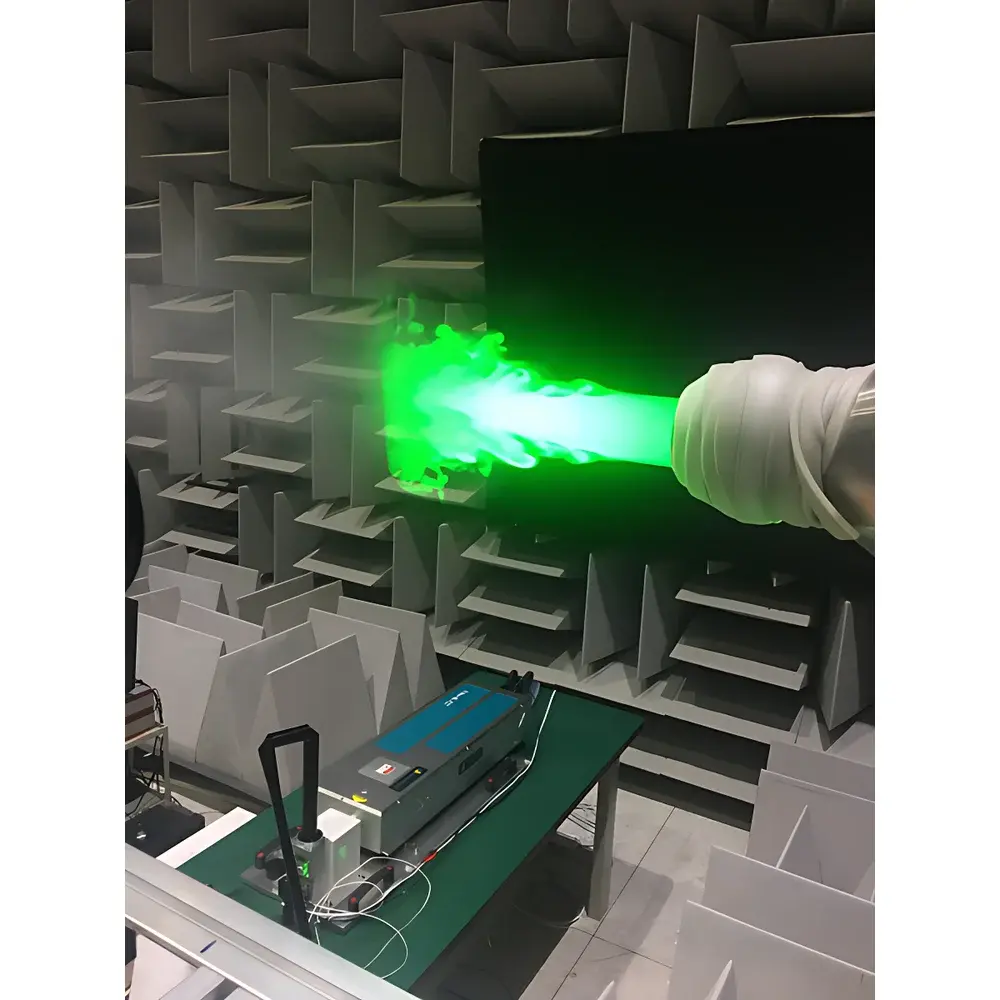
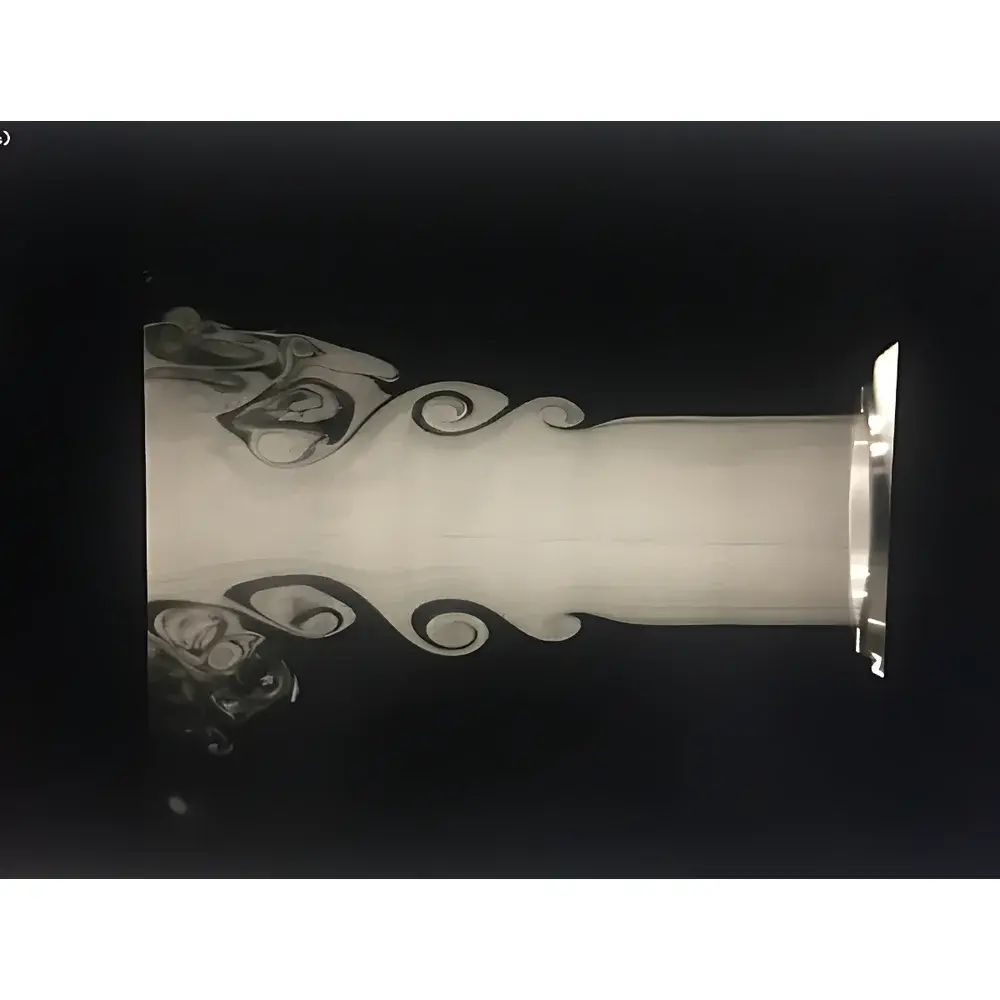
The PIV View TR PIV High-Speed Time-Resolved Particle Image Velocimetry System is an engineered solution for quantitative, non-intrusive flow field measurement in unsteady and turbulent fluid dynamics. Based on the principle of double-pulse laser sheet illumination and sub-pixel cross-correlation analysis of seeded particle displacement between successive frames, the TR PIV system captures instantaneous velocity vector fields with microsecond-scale temporal resolution. Unlike conventional 2D/3D PIV systems limited to 5–20 Hz acquisition due to laser pulse repetition rate and camera readout constraints, the TR PIV architecture integrates synchronized high-repetition-rate lasers (up to 10 kHz), ultra-low-latency CMOS cameras, and deterministic hardware triggering to resolve transient phenomena—including vortex shedding, jet instabilities, mixing layer development, and boundary layer transition—with statistical rigor. Designed and validated by ILA GmbH (Germany), the system complies with foundational metrological standards for optical flow diagnostics, including ISO 29662:2015 (PIV uncertainty quantification) and ASTM F3078-14 (laser sheet uniformity and thickness characterization).
Key Features
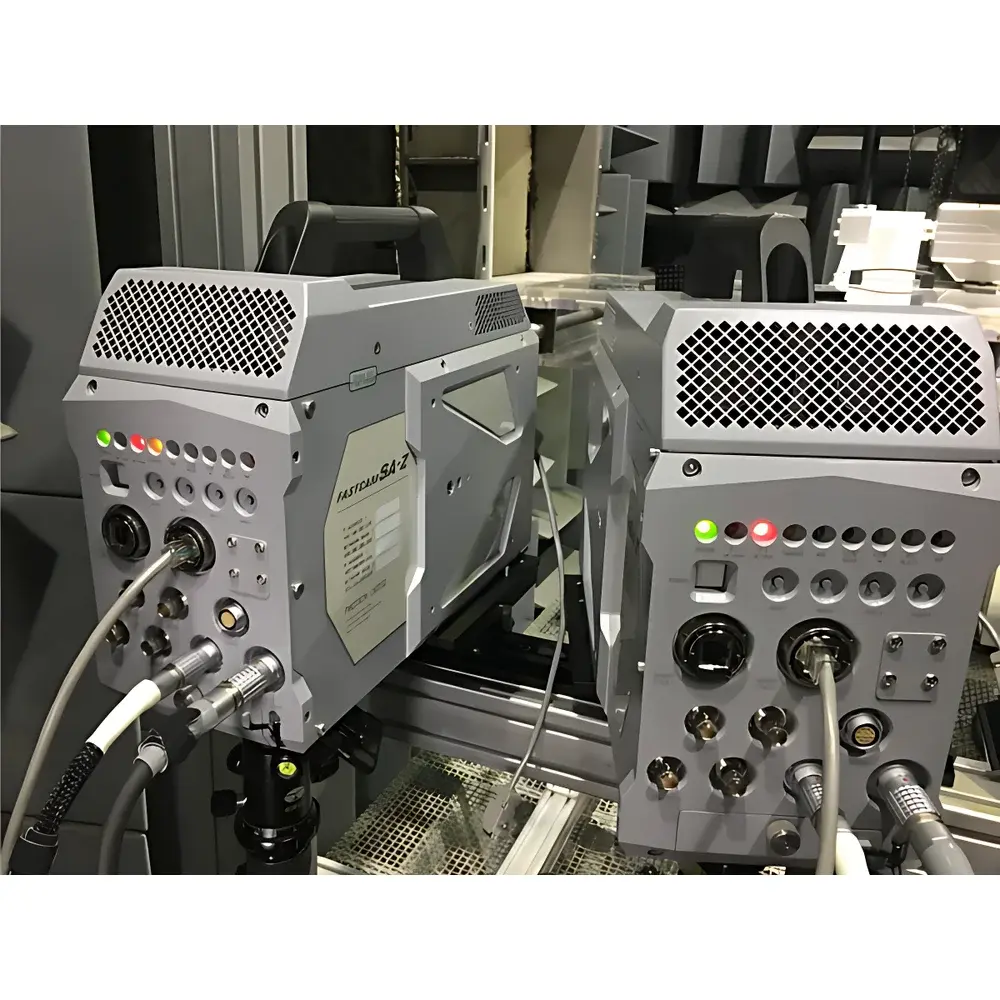
- Time-resolved acquisition up to 10 kHz at full native sensor resolution (e.g., 2048 × 2048 px), enabling direct reconstruction of velocity time series at individual spatial nodes
- Modular architecture supporting user-defined combinations of laser energy (1–50 mJ/pulse), wavelength (532 nm standard, optional 266/355 nm), and pulse separation (100 ns to 10 ms)
- High-fidelity stereo and tomographic PIV configurations available, with Scheimpflug-mounted dual/triple-camera rigs and automated focus/iris control for depth-of-field optimization
- Real-time synchronization engine with <10 ns jitter between laser pulses and camera exposure—critical for phase-locked averaging and modal decomposition (e.g., DMD, POD)
- PIVtec ILA software suite certified in three consecutive International PIV Challenges (2012, 2015, 2018), achieving top-tier performance in dynamic range, outlier rejection, and sub-pixel interpolation accuracy
- Comprehensive calibration workflow supporting multi-plane, self-calibrating target grids and in-situ volumetric distortion correction for 3D reconstructions
Sample Compatibility & Compliance
The TR PIV system accommodates a broad range of seeding media—including polyamide, silver-coated hollow glass spheres (1–50 µm), and oil droplets—compatible with air, water, combustion gases, and low-viscosity organic solvents. Optical access requirements are standardized to accommodate rectangular or cylindrical test sections with minimum clear aperture of 450 mm × 450 mm (2D) or 400 mm cubic volume (3D). All system components conform to CE/EMC Directive 2014/30/EU and IEC 60825-1:2014 (laser safety Class IV). Data handling protocols support 21 CFR Part 11 compliance when deployed in regulated environments (e.g., aerospace propulsion validation, biomedical fluidics QA), including electronic signatures, immutable audit logs, and version-controlled processing pipelines.
Software & Data Management
PIVtec ILA v5.x provides integrated acquisition, preprocessing, correlation, post-processing, and visualization modules within a single GUI environment. Raw image sequences are stored in HDF5 format with embedded metadata (timestamp, laser energy, camera gain, synchronization status). Batch processing supports parallelized GPU-accelerated interrogation (CUDA/OpenCL), adaptive window deformation, and ensemble-averaged turbulence statistics (RMS, Reynolds stress tensors, spectral density estimation). Export options include NetCDF-4, Tecplot PLT, and Paraview-compatible VTK formats. The software maintains full traceability: every processed vector field carries provenance tags linking to raw images, calibration files, and algorithmic parameters—enabling reproducibility audits per GLP/GMP and ISO/IEC 17025 requirements.
Applications
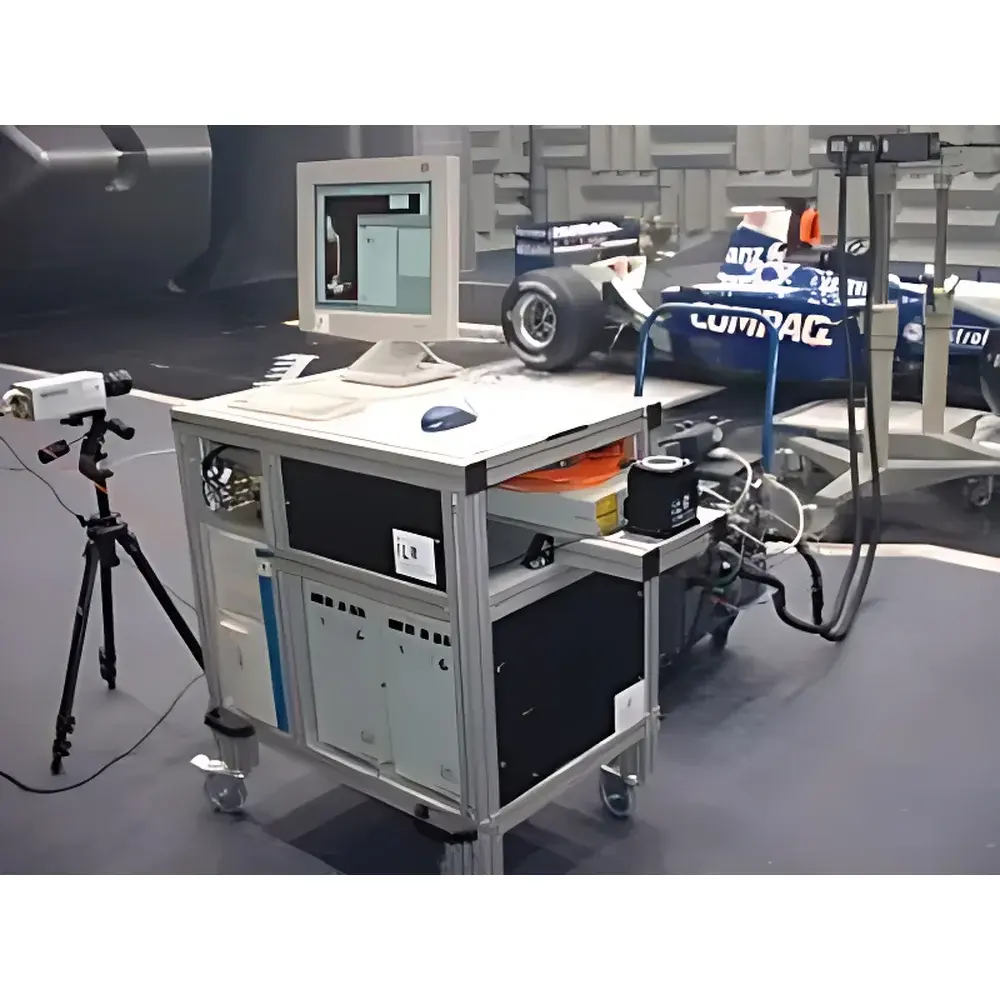
- Turbulence characterization in wind tunnels and water channels, including wall-bounded flows, free shear layers, and wake dynamics
- Unsteady aerodynamics of rotating machinery (turbomachinery blades, propellers) and bluff-body flows
- Combustion diagnostics: flame-front propagation, fuel-air mixing, and thermoacoustic coupling in gas turbine combustors
- Biomedical fluid mechanics: pulsatile blood flow in anatomical phantoms, respiratory airflow in upper airway models
- Industrial mixing and blending processes—quantifying residence time distribution and strain rate heterogeneity
- Undergraduate and graduate laboratory instruction: hands-on PIV methodology, uncertainty analysis, and open-source algorithm validation
FAQ
What is the minimum resolvable velocity fluctuation frequency using TR PIV?
The Nyquist limit is determined by frame rate; at 10 kHz, fluctuations up to 5 kHz can be resolved without aliasing. Practical lower bound depends on signal-to-noise ratio and particle image quality.
Can TR PIV be integrated with existing wind tunnel infrastructure?
Yes—modular laser arms, compact Scheimpflug mounts, and Ethernet-based synchronization allow retrofitting into standard test sections with minimal optical path modification.
Does the system support volumetric (3D) reconstruction without tomographic imaging?
Stereo-PIV (two-camera) is standard; true 3D volumetric reconstruction requires tomographic PIV (Tomo-PIV) add-on with ≥4 cameras and dedicated reconstruction server.
Is PIVtec ILA software validated for regulatory submissions?
While not pre-certified by FDA or EMA, the software’s audit trail, metadata embedding, and processing repeatability meet documentation requirements for analytical method validation under ICH Q2(R2) and USP <1058>.
What maintenance is required for long-term operational stability?
Annual laser energy calibration, camera dark-current profiling, and synchronization timing verification are recommended; all procedures are documented in the GLP-aligned maintenance manual.