
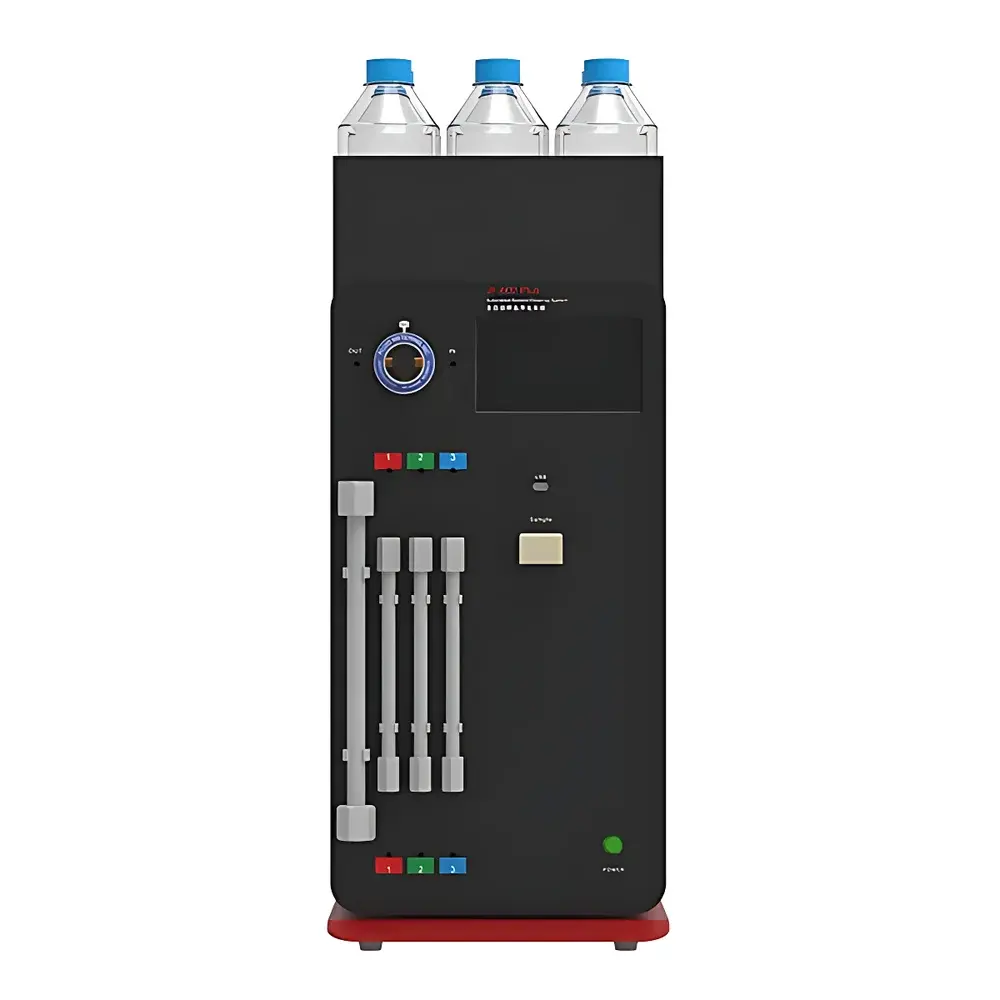
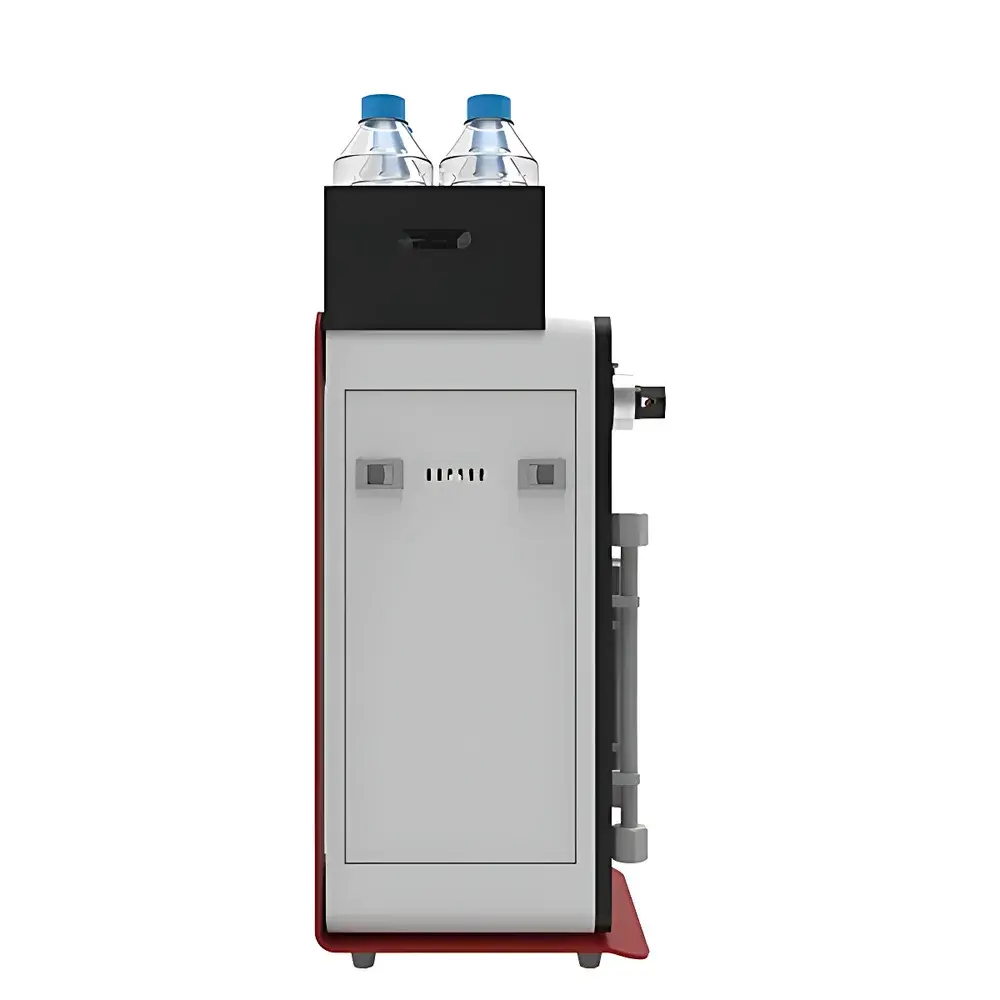
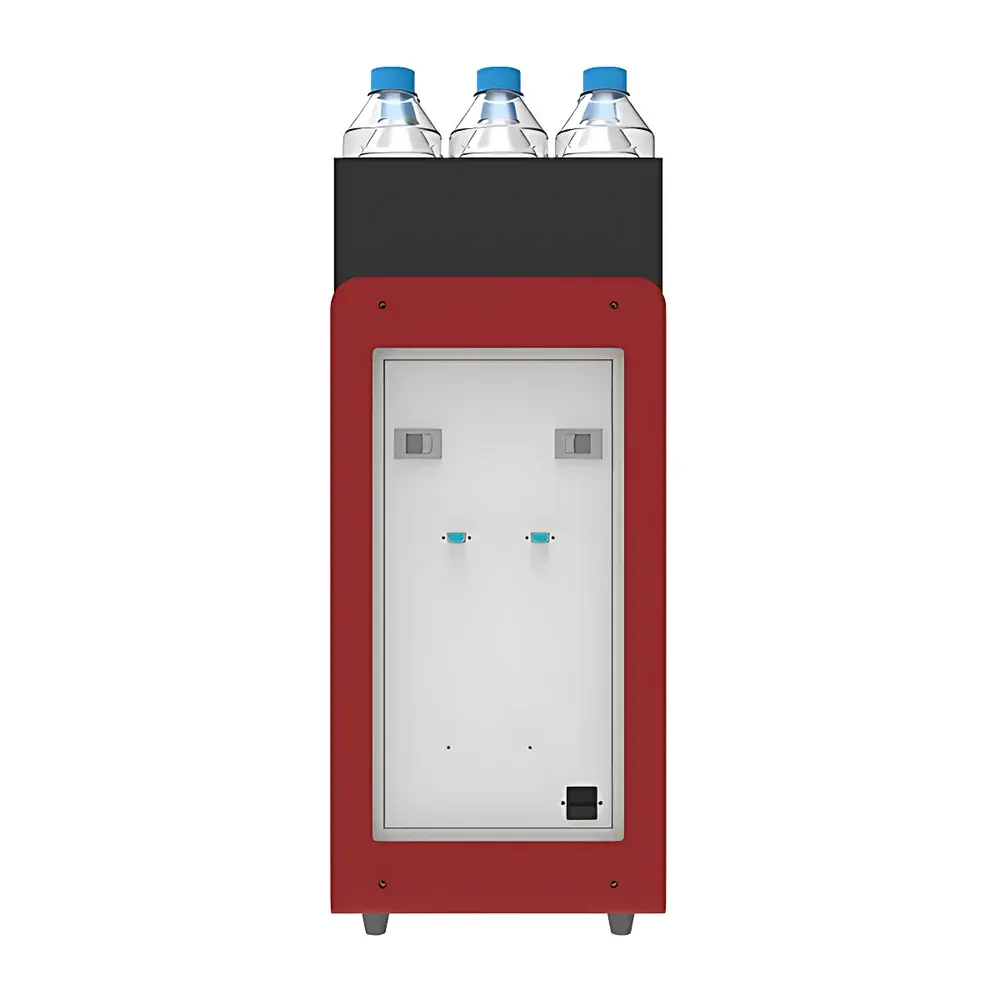
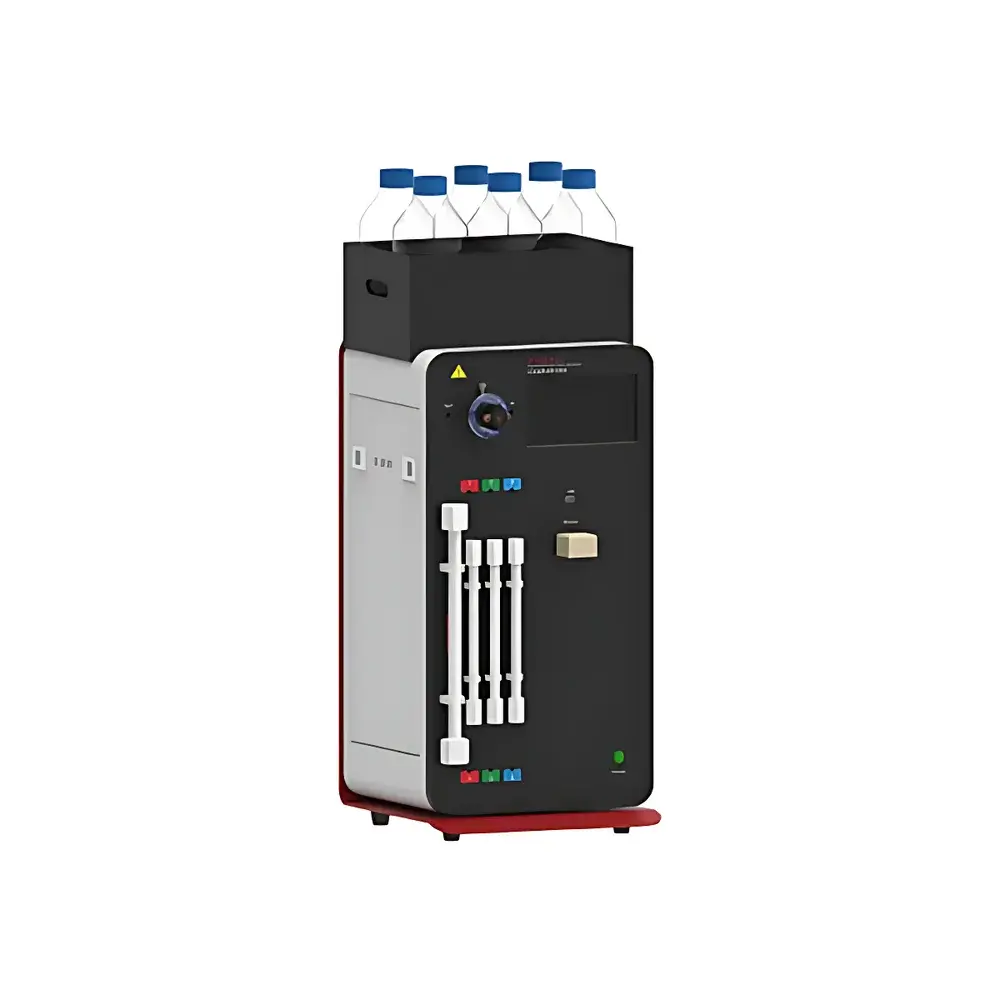
Polytech JF-602 Plus Automated Dioxin Sample Purification System
| Brand | Polytech |
|---|---|
| Origin | Anhui, China |
| Manufacturer Type | Original Equipment Manufacturer (OEM) |
| Product Category | Domestic |
| Model | JF-602 Plus |
| Pricing | Available Upon Request |
Overview
The Polytech JF-602 Plus Automated Dioxin Sample Purification System is a dedicated, programmable solid-phase extraction (SPE) platform engineered for the selective cleanup and fractionation of complex environmental and biological matrices prior to high-resolution gas chromatography–high-resolution mass spectrometry (HRGC-HRMS) analysis. It operates on a sequential multi-column chromatographic principle—leveraging controlled solvent gradients, precise flow regulation, and valve-switched elution paths—to isolate dioxins (PCDD/Fs), polychlorinated biphenyls (PCBs), and polybrominated diphenyl ethers (PBDEs) from co-extracted lipids, sulfur compounds, and other matrix interferences. Designed in alignment with internationally recognized dioxin analysis workflows—including isotope dilution methodology—the system ensures reproducible analyte recovery, minimized cross-contamination, and compliance-ready traceability throughout sample preparation.
Key Features
- Modular multi-channel architecture supporting up to eight parallel sample processing lines—expandable via hardware/software configuration without system revalidation.
- Flexible column interconnection: Supports arbitrary serial arrangement of purification columns (e.g., multilayer silica, alumina, activated carbon) using both quick-release push-fit fittings and conventional hand-tightened PTFE ferrules for method adaptability and maintenance efficiency.
- Automated post-injection column rinsing: Integrated residual sample wash function delivers programmed solvent pulses to eliminate carryover between runs, enhancing long-term precision and reducing manual intervention.
- Reverse-flow valve module enabling bidirectional elution across secondary and tertiary columns—facilitating back-flush desorption of retained target analytes, improving elution efficiency, lowering solvent consumption by up to 35%, and increasing isotopic internal standard recovery by ≥5% relative to conventional forward-elution protocols.
- Integrated 20 µm stainless-steel inline filter positioned upstream of all column manifolds—preventing particulate-induced blockage during high-volume or turbid sample loading (e.g., sediment extracts, lipid-rich tissue homogenates).
Sample Compatibility & Compliance
The JF-602 Plus accommodates liquid extracts derived from EPA Method 1613/1668C, ISO 18073, and EU Commission Regulation (EU) No 2017/644 workflows—including those from Soxhlet, ASE®, and automated saponification systems. It is validated for use with matrices such as wastewater, ambient air particulates (PM10/PM2.5), soil/sediment, foodstuffs (milk, fish oil, infant formula), feedstuffs, and human serum. All fluidic pathways are constructed from inert, low-bleed materials (e.g., PEEK, fused silica, electropolished stainless steel) compatible with aggressive solvents (hexane, toluene, DCM, acetone). The system supports full audit trail generation per FDA 21 CFR Part 11 requirements when paired with compliant LIMS or standalone data acquisition software—enabling GLP/GMP-aligned validation, electronic signatures, and change control documentation.
Software & Data Management
Controlled via Windows-based Polytech PurifySoft™ v3.x, the system provides intuitive graphical method building, real-time pressure/flow monitoring, and event-triggered logging (valve actuation, pump status, temperature anomalies). Method files include embedded metadata fields for analyst ID, batch number, calibration date, and reference standard lot—ensuring traceability across analytical batches. Raw log data exports in CSV/ASCII format; optional integration with third-party chromatography data systems (CDS) enables direct synchronization of purification parameters with subsequent HRGC-HRMS acquisition sequences. Software validation packages (IQ/OQ/PQ documentation templates) are provided for laboratory accreditation under ISO/IEC 17025.
Applications
- Environmental monitoring laboratories performing routine dioxin surveillance in water, soil, air, and waste streams per HJ 77.1–77.4 series standards.
- Public health institutions conducting biomonitoring of PCDD/Fs and dioxin-like PCBs in human blood and breast milk per GB 5009.205–2013.
- Food safety and feed testing labs complying with GBT 28643–2012 and SNT 2691–2010 for plastic packaging, animal feed, and processed foods.
- National reference laboratories requiring ISO/IEC 17025-compliant sample prep automation for proficiency testing and inter-laboratory comparisons.
- Research facilities developing novel congener-specific separation strategies or optimizing multi-analyte fractionation protocols for emerging halogenated contaminants.
FAQ
What regulatory methods does the JF-602 Plus support out-of-the-box?
The system includes pre-configured method templates aligned with HJ 77.1–77.4, GB 5009.205–2013, GBT 28643–2012, and SNT 2691–2692–2010—covering aqueous, solid, and biological matrices.
Can the system be integrated into an existing LIMS environment?
Yes—via standardized OPC UA or RESTful API interfaces; full audit trail export (CSV/XML) and electronic signature support meet 21 CFR Part 11 requirements.
Is column conditioning and equilibration automated?
Yes—software-controlled solvent priming, column wetting, and dry-down steps are fully programmable within each method sequence.
What maintenance intervals are recommended for long-term reliability?
Daily: Filter inspection and solvent reservoir check. Quarterly: Valve seal replacement and pump calibration verification. Annually: Full system performance qualification (SPQ) using certified dioxin spike recovery standards.
Does the system support non-dioxin applications such as PAH or pesticide cleanup?
While optimized for halogenated aromatics, the modular column architecture and customizable gradient programming allow adaptation to other multi-residue SPE workflows—subject to method development and validation per ISO 5725 or AOAC guidelines.



