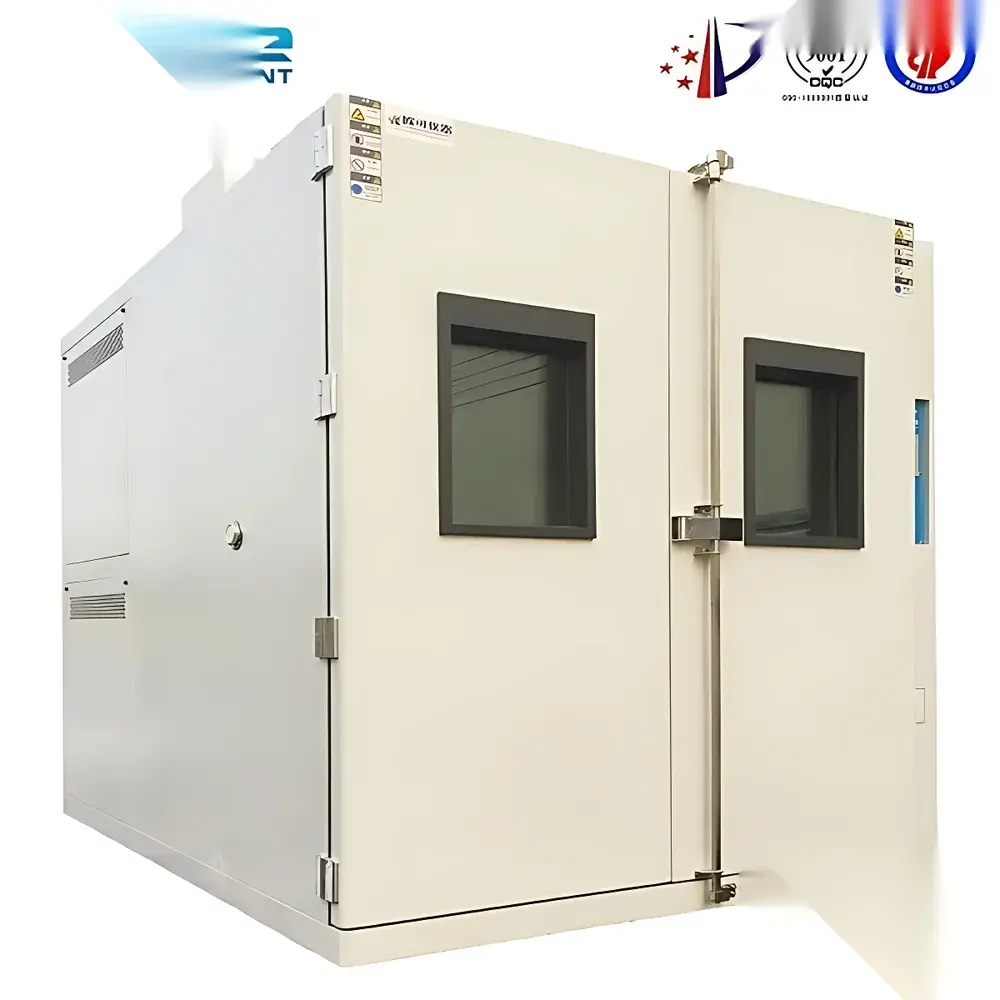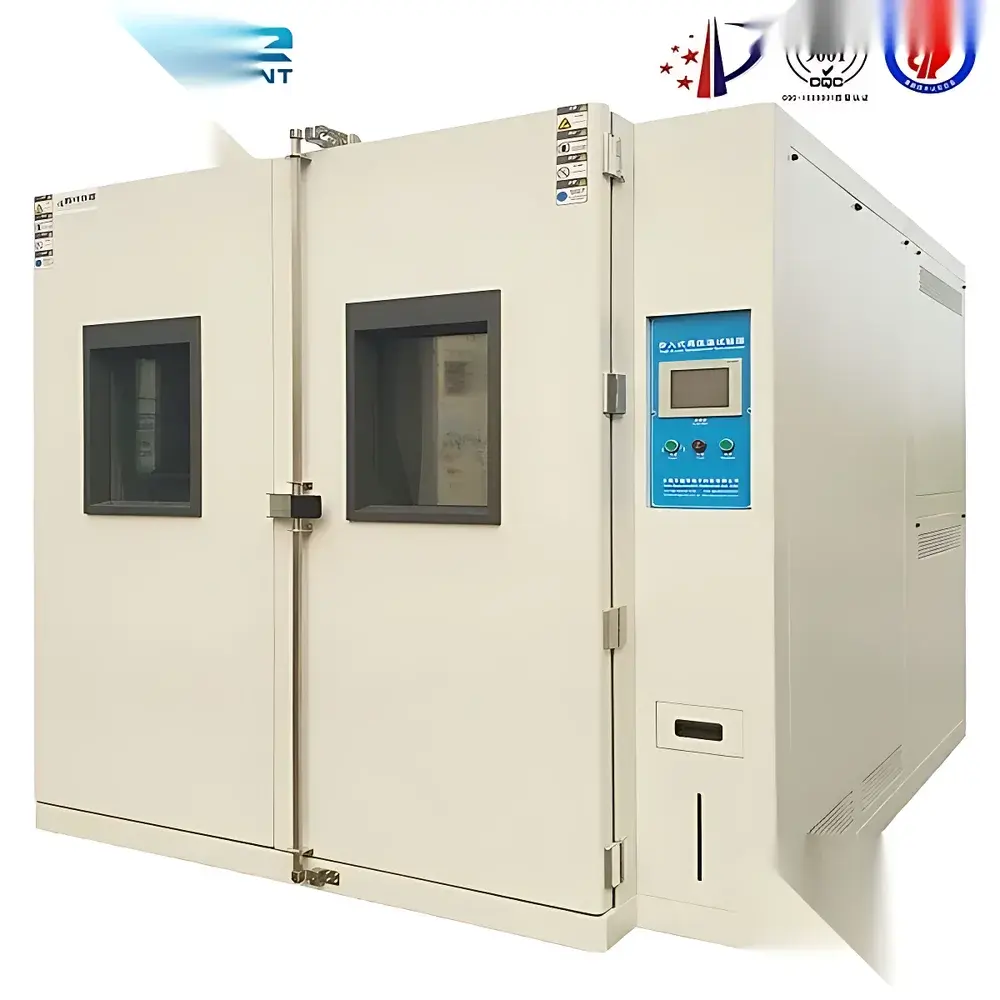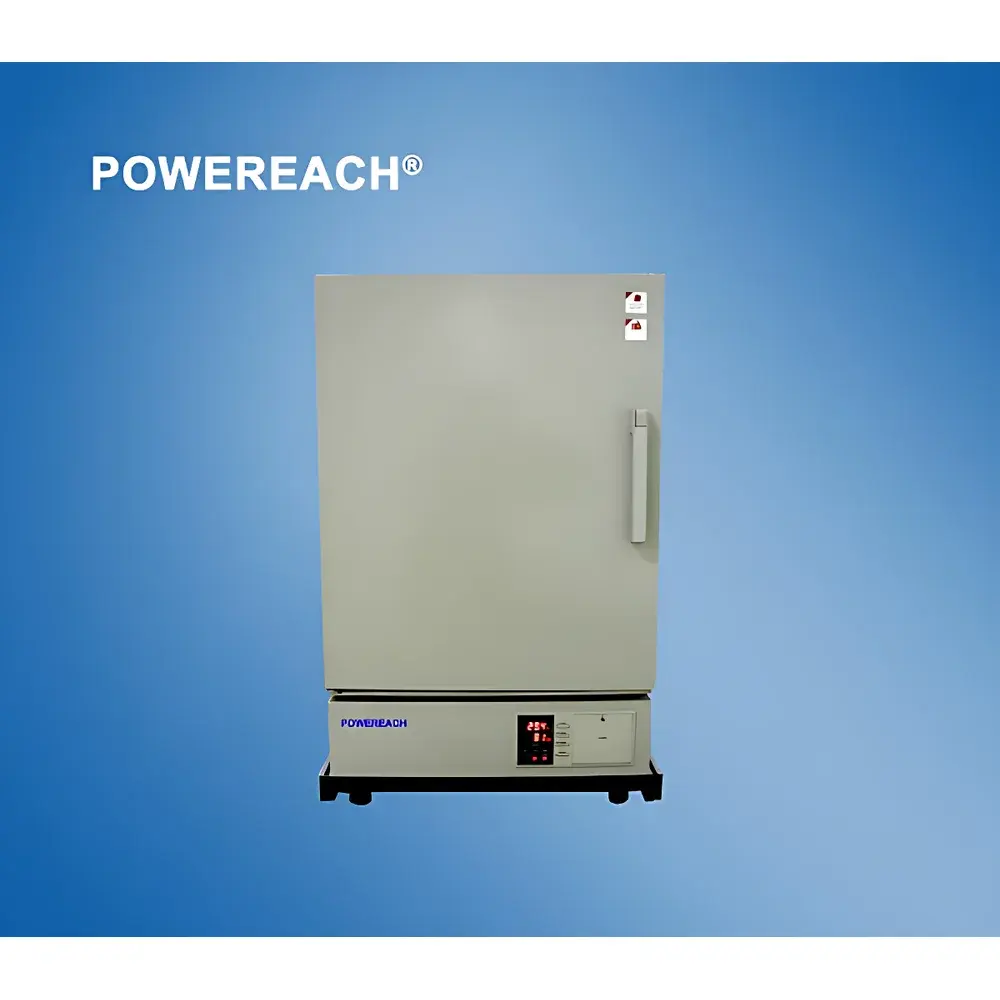
POWEREACH DRY-2000 Gravimetric Moisture Analyzer
| Brand | POWEREACH (Shanghai Zhongchen Digital Technology Equipment Co., Ltd.) |
|---|---|
| Origin | Shanghai, China |
| Model | DRY-2000 |
| Measurement Principle | Real-time gravimetric monitoring under controlled temperature and humidity conditions |
| Sensor Type | High-stability load cell with ±0.1 mg resolution |
| Data Acquisition | USB + RS-232 dual-interface, 10 Hz sampling rate |
| Compliance | Designed to support ISO 5530-1, ASTM D4442, USP <921>, and GLP-compliant workflow requirements |
| Software | Windows-based acquisition & analysis suite with audit trail, user access control, and electronic signature capability per FDA 21 CFR Part 11 |
| Power Supply | 100–240 VAC, 50/60 Hz |
| Dimensions (W×D×H) | 480 × 520 × 620 mm |
| Net Weight | 38 kg |
Overview
The POWEREACH DRY-2000 Gravimetric Moisture Analyzer is an engineered solution for precise, time-resolved quantification of moisture loss in solid and semi-solid materials under rigorously controlled environmental conditions. Unlike conventional oven-drying methods relying on endpoint weight stabilization, the DRY-2000 integrates a high-resolution load cell directly into a thermostatically regulated humidity chamber—enabling continuous, real-time mass tracking at sub-milligram resolution. This architecture implements the fundamental principle of gravimetric moisture determination: measurement of mass change as a function of time under defined thermal and hygrometric conditions. The system operates on the premise that water removal kinetics reflect material-specific physicochemical properties—including porosity, surface area, binding energy, and diffusion coefficients—making it suitable not only for total moisture content reporting but also for kinetic modeling of drying behavior. Its design supports method development aligned with internationally recognized standards including ISO 5530-1 (cereal products), ASTM D4442 (wood moisture), and USP <921> (moisture content in pharmaceuticals).
Key Features
- Integrated environmental chamber with independent PID-controlled temperature (±0.2 °C) and relative humidity (±1.5% RH) regulation across 20–95% RH and 25–120 °C ranges
- High-stability electromagnetic force compensation load cell offering ≤0.1 mg repeatability and ≤0.05% linearity error over full 200 g capacity
- Dual communication interface (USB 2.0 + RS-232) ensuring compatibility with legacy laboratory infrastructure and modern data acquisition systems
- Modular hardware architecture permitting field-upgradable firmware, sensor calibration modules, and optional accessories (e.g., desiccant trays, sample pans with perforated lids)
- Robust mechanical construction featuring stainless-steel internal chamber surfaces, anti-static coating, and vibration-damped base assembly for operation in shared lab environments
- Pre-configured test protocols for common matrices: polymers, pharmaceutical granules, food powders, ceramic precursors, and textile fibers
Sample Compatibility & Compliance
The DRY-2000 accommodates samples ranging from 0.1 g to 150 g in mass, with dimensional constraints of ≤100 mm diameter and ≤40 mm height. It supports open-pan, covered-pan, and dynamic airflow configurations to accommodate volatile solvents, hygroscopic materials, or thermally sensitive compounds. All operational parameters—including setpoints, dwell times, ramp rates, and data logging intervals—are fully programmable and stored with timestamped metadata. The system meets functional requirements for Good Laboratory Practice (GLP) and Good Manufacturing Practice (GMP) environments: software enforces role-based user authentication, maintains immutable audit trails for all method edits and run executions, and provides electronic signatures compliant with FDA 21 CFR Part 11. Documentation packages include IQ/OQ/PQ templates, traceable calibration certificates (NIST-traceable mass standards), and validation support files for regulatory submissions.
Software & Data Management
DRY-2000 Control Suite is a Windows-native application developed in C++ with .NET Framework 4.8 runtime dependency. It delivers synchronized visualization of mass decay curves alongside concurrent environmental parameter plots (T, RH, Δm/dt). Built-in analytical tools include derivative curve generation, inflection point detection, multi-stage kinetic fitting (Page, Henderson–Pabis, Peleg models), and automated endpoint determination based on user-defined slope thresholds. Raw data exports to CSV, TXT, and proprietary .dry formats; processed reports conform to PDF/A-1b archival standard with embedded digital signatures. The software architecture supports centralized deployment via network license server and integrates with LIMS platforms through HL7 v2.5 and ASTM E1384-compliant API endpoints.
Applications
- Pharmaceutical solid dosage form development: excipient compatibility screening, granule drying optimization, and stability-indicating moisture profiling
- Materials science research: water diffusion coefficient estimation in hydrogels, polymer film dehydration kinetics, and clay mineral dehydration staging
- Food quality assurance: rapid verification of moisture specifications in flour, spices, dairy powders, and ready-to-eat meals per Codex Alimentarius guidelines
- Electronics manufacturing: moisture sensitivity level (MSL) pre-conditioning validation for surface-mount components prior to reflow soldering
- Environmental testing labs: soil moisture release curve characterization and landfill leachate solid residue analysis
- Academic teaching laboratories: hands-on instruction in mass transport phenomena, thermodynamic equilibrium, and instrumental metrology principles
FAQ
Is a dedicated computer required for operation?
Yes—the DRY-2000 requires a Windows PC (32-bit or 64-bit) with one available USB port and one RS-232 serial port (or USB-to-serial adapter). Optional bundled OEM desktop systems include three-year on-site warranty.
Can the instrument be calibrated in-house?
Yes—internal calibration routines support two-point linear adjustment using certified weights (10 g and 100 g NIST-traceable standards). Full calibration documentation is provided with each unit.
Does the system support automated reporting for regulatory submissions?
Yes—PDF reports include operator ID, instrument ID, calibration status, raw data plots, statistical summaries, and digitally signed conclusions—all compliant with ALCOA+ data integrity principles.
What maintenance is required beyond annual recalibration?
Routine cleaning of chamber interior and load cell platform using isopropyl alcohol; inspection of door gasket integrity every six months; verification of desiccant cartridge saturation status prior to high-RH tests.
Is remote monitoring supported?
Remote viewing of live data streams is enabled via secure HTTPS web interface (optional add-on module); remote control functions require validated VPN connection and administrator privileges.
Related Products