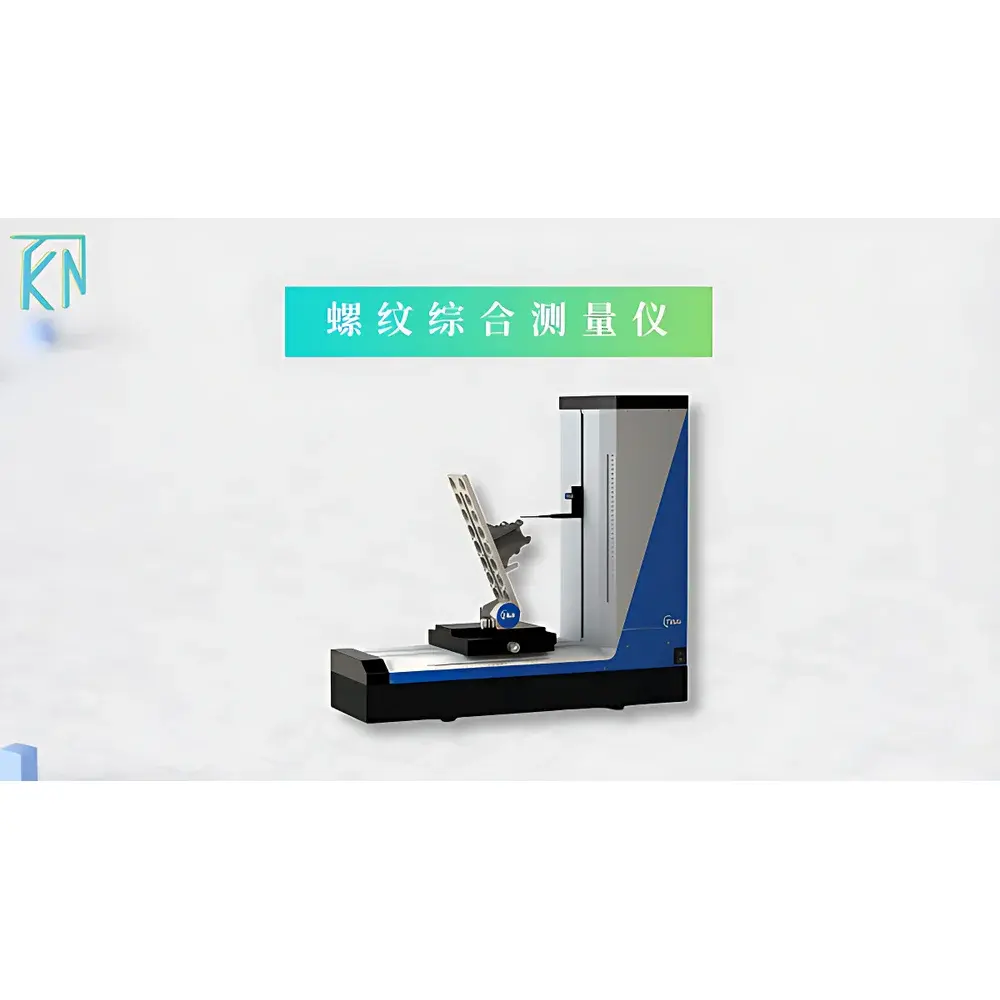
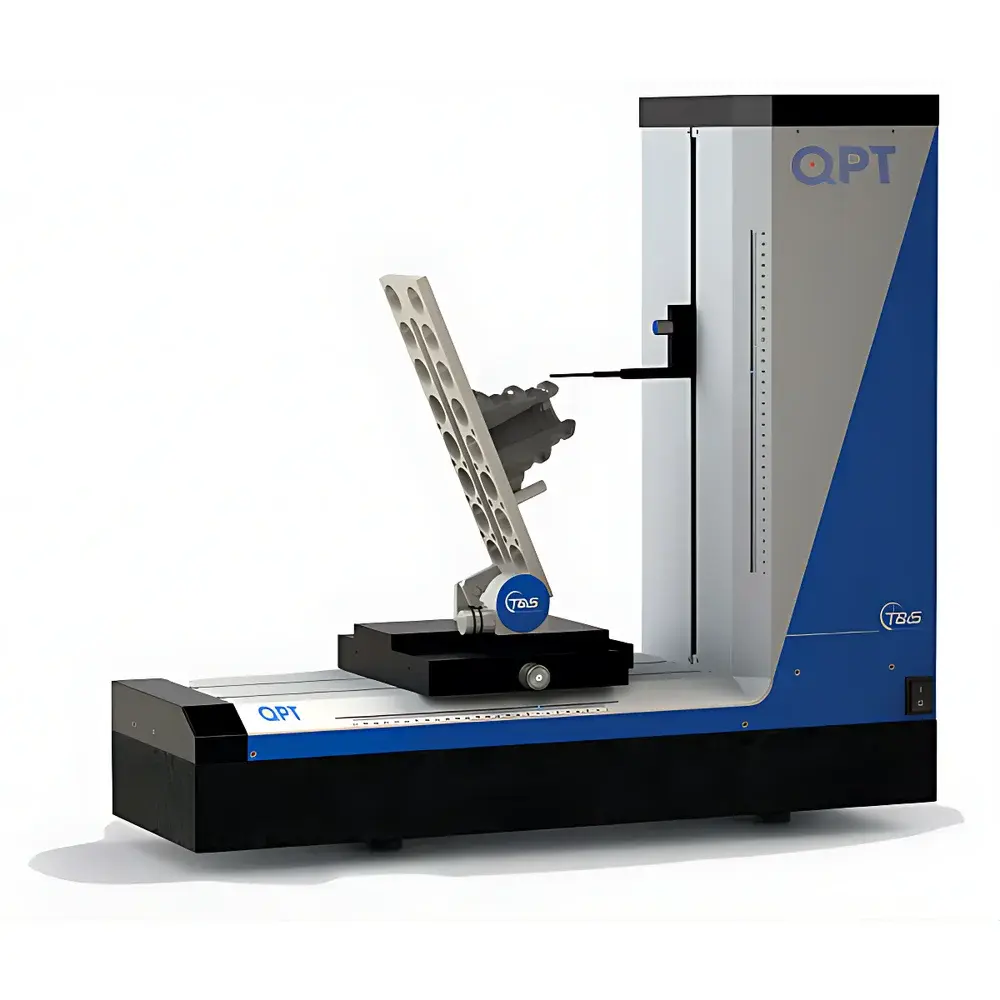
QPT QPT-TS Thread Metrology System
| Brand | QPT |
|---|---|
| Origin | Germany |
| Model | QPT-TS |
| Resolution | 1 nm |
| Measurement Axes | Motorized X and Z |
| Base Material | Granite |
| Motion Control | Closed-loop stepper/servo drive |
| Measurement Speed | 0.1–3 mm/s (adjustable, constant dynamic speed control) |
| Software Platform | Windows 10/7 (64-bit compatible) |
| Interface | Standard USB/Ethernet |
| Compliance | ISO 15510, ISO 6906, ISO 10587 (thread metrology), VDI/VDE 2617-10 (geometric measurement systems) |
| Data Acquisition | Absolute measurement mode, point spacing invariant under profile tilt |
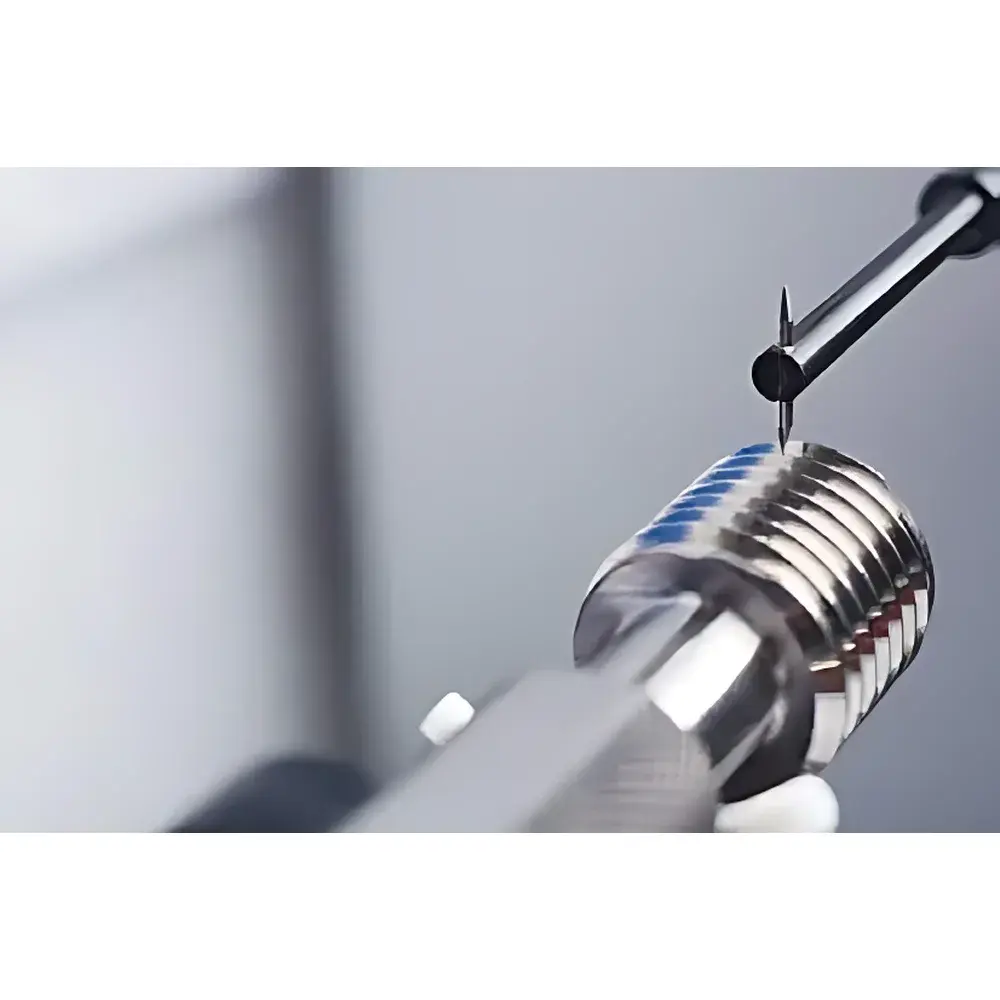
| Probe Type | Non-contact optical or tactile stylus (configurable per application) |
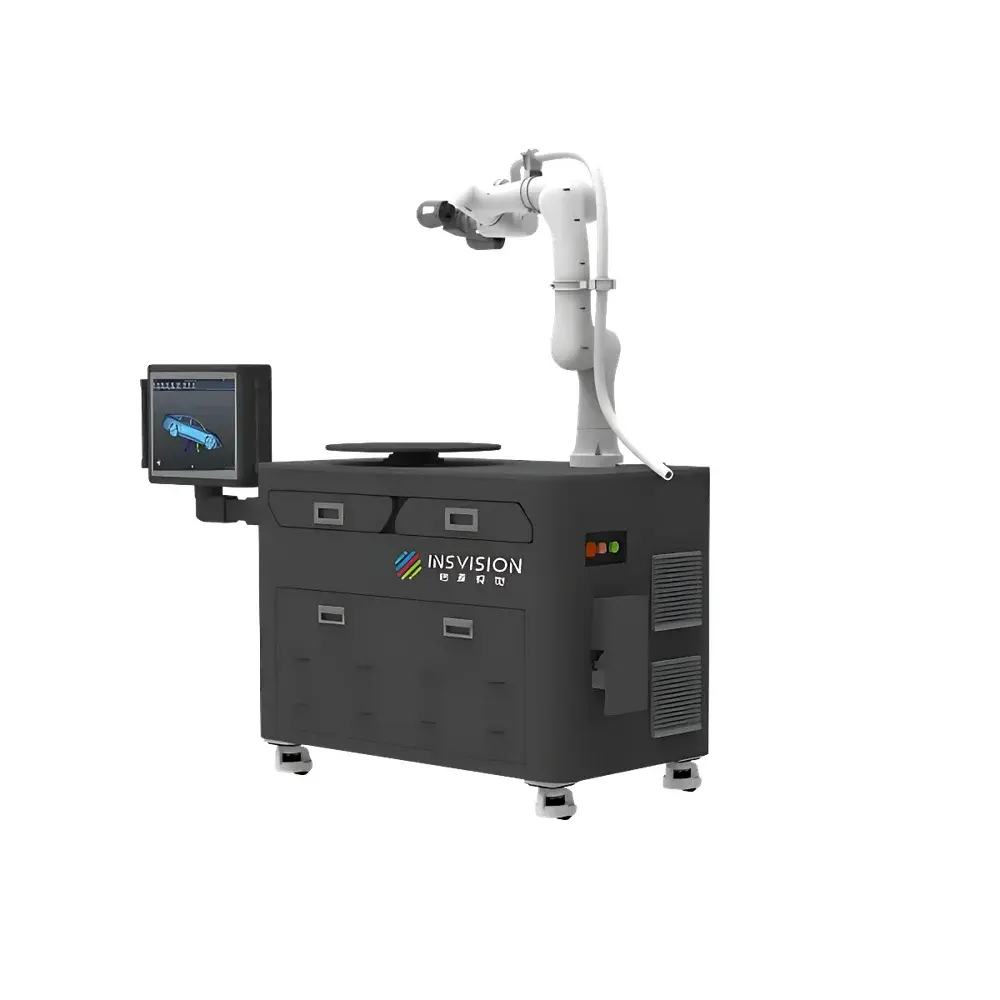
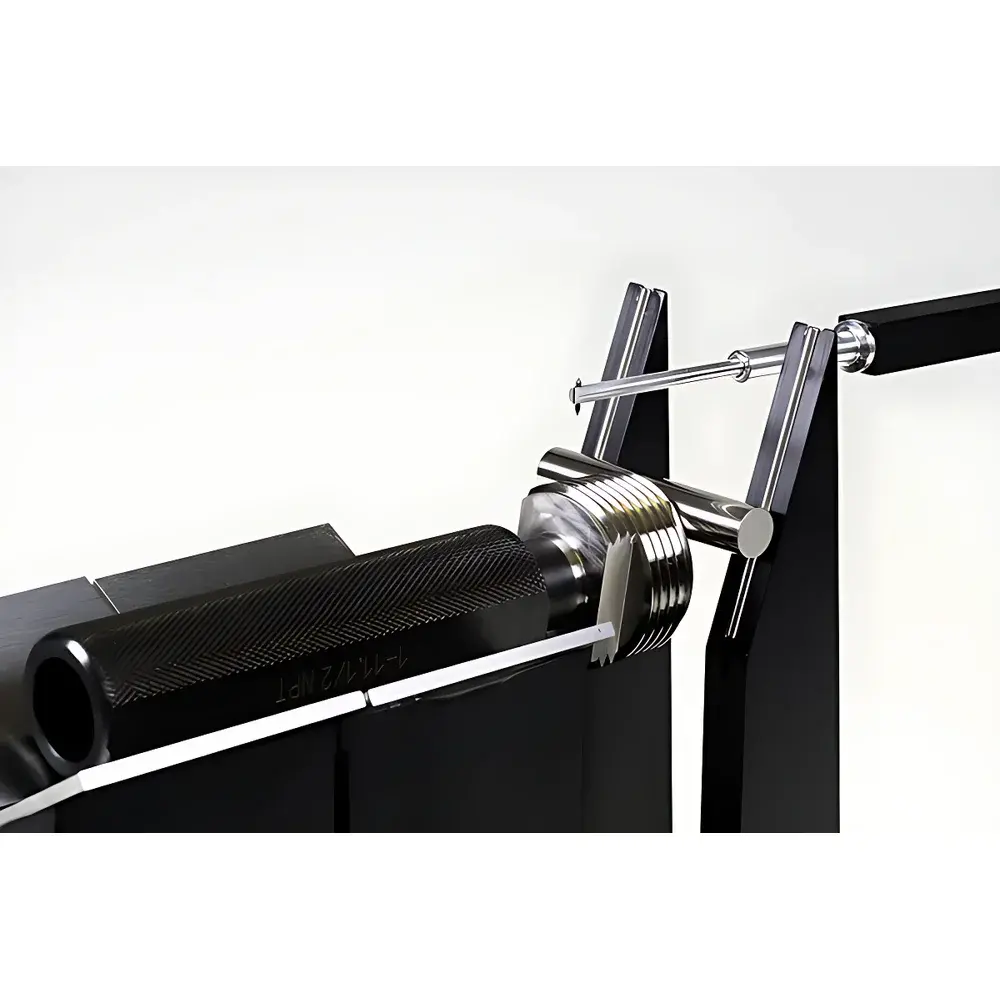
| Workholding | Modular fixturing with automatic feature alignment |
| Positioning | Articulated tracking arm with horizontal datum referencing |
Overview
The QPT QPT-TS Thread Metrology System is a high-precision, multi-axis geometric measurement platform engineered for fully automated, traceable evaluation of threaded components in R&D, quality assurance, and production metrology environments. It operates on the principle of coordinate metrology combined with contour-based profile reconstruction—utilizing synchronized motorized X- and Z-axis motion to scan thread flanks, pitch diameters, lead angles, flank angles, and root/top radii with sub-micron repeatability. Unlike conventional single-feature gauges or optical comparators, the QPT-TS acquires full 2D cross-sectional profiles and axial traces in absolute coordinate space, enabling comprehensive GD&T analysis (e.g., position, runout, symmetry) per ASME Y14.5 and ISO 1101. Its granite base and precision linear guideways provide thermal stability and mechanical rigidity essential for long-term calibration retention under industrial ambient conditions.
Key Features
- Granite structural frame ensuring dimensional stability and vibration damping across temperature fluctuations (±0.5 µm/m/°C coefficient)
- Motorized, programmable X–Z stage with closed-loop positioning accuracy better than ±0.5 µm over 100 mm travel
- Constant dynamic speed control: maintains fixed spatial sampling interval (≤1 nm resolution) regardless of local surface slope or curvature
- Automatic feature detection algorithm that identifies thread start/end points, crest/tread inflection points, and pitch zones without manual intervention
- Modular workholding system with kinematic mounts and quick-change fixtures—eliminates re-clamping for batch inspection
- Articulated horizontal reference arm for rapid, repeatable part alignment; enables safe access and consistent datum establishment across diverse part geometries
- Fully absolute measurement architecture—no reliance on incremental encoders or homing routines, minimizing drift-related uncertainty
Sample Compatibility & Compliance
The QPT-TS accommodates external thread forms (ISO metric, Unified National, ACME, trapezoidal, buttress) and internal threads up to Ø120 mm × 300 mm length, with optional extension kits for larger diameters. Tactile probing supports hardened steels, titanium alloys, and polymer composites; non-contact configurations are available for soft or coated surfaces. All measurement routines adhere to ISO 15510 (thread measuring instruments), ISO 6906 (thread parameters definitions), and ISO 10587 (calibration procedures). System validation includes documented traceability to PTB (Physikalisch-Technische Bundesanstalt) standards. Audit-ready configuration supports GLP/GMP workflows with user-access logging, electronic signatures, and 21 CFR Part 11–compliant data integrity controls when paired with optional QPT-MetroSuite software.
Software & Data Management
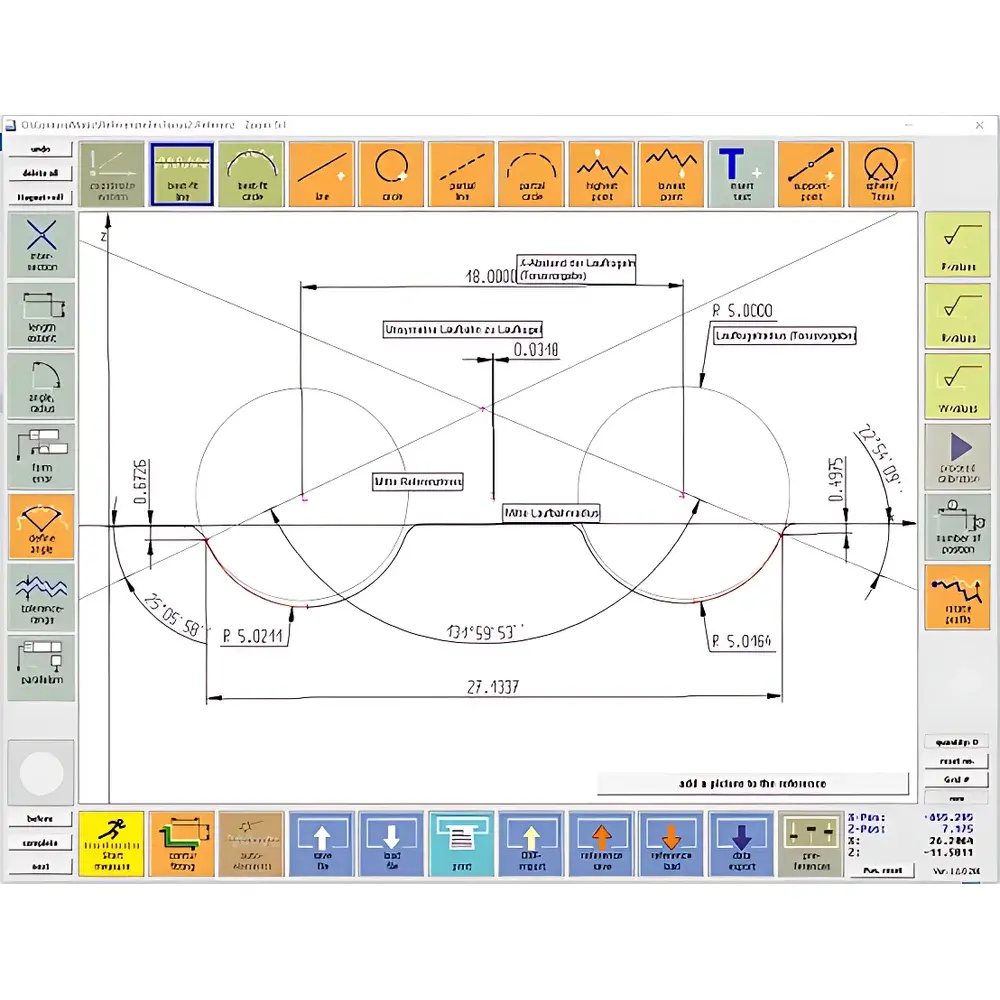
QPT-MetroSuite v4.x (Windows 10/7, 64-bit) serves as the native control and analysis environment. It provides real-time profile visualization, automated pass/fail reporting against user-defined tolerances (per ISO 9001:2015 Annex A.4), and export of calibrated datasets in industry-standard formats (CSV, STEP AP214, XML Metrology Schema). Raw point-cloud data is stored with full metadata—including environmental timestamp, operator ID, calibration certificate ID, and sensor configuration. The system uses open API architecture (RESTful interface) for integration into MES/QMS platforms such as Siemens Opcenter, ETQ Reliance, or Qualio. Data portability is ensured via hardware-agnostic file structure—measurement files remain interpretable even after PC replacement or OS upgrade.
Applications
- Verification of critical aerospace fasteners (NASM, MS, AN series) for lead deviation, thread truncation, and flank angle conformity
- In-process monitoring of CNC-turned or ground threads in automotive powertrain manufacturing
- Root cause analysis of thread galling, stripping, or misalignment in medical implant screws (ISO 13485-compliant environments)
- Calibration lab accreditation support for ISO/IEC 17025 scope expansion in geometric metrology
- Reverse engineering of legacy threaded components where original drawings are unavailable
- Research into thread wear evolution under cyclic loading—paired with time-series profile overlay and deviation heatmaps
FAQ
What standards does the QPT-TS comply with for thread measurement?
It conforms to ISO 15510, ISO 6906, ISO 10587, and VDI/VDE 2617-10. Optional documentation packages support ISO/IEC 17025 and FDA 21 CFR Part 11 compliance.
Can the system measure internal threads?
Yes—using interchangeable probe modules and extended Z-axis travel kits, it measures internal threads up to Ø120 mm with depth capability exceeding 150 mm.
Is calibration traceable to national metrology institutes?
All factory calibrations are traceable to PTB (Germany) or NIST (USA), with certificates provided per ISO/IEC 17025 requirements.
How is measurement data secured and archived long-term?
Data is stored in encrypted, version-controlled repositories with immutable audit trails; backup policies align with IEC 62443-3-3 cybersecurity standards for industrial measurement systems.
Does the system support automated reporting for quality audits?
Yes—customizable PDF/Excel reports include statistical process control charts (X̄–R, Cpk), annotated profile overlays, and full GD&T evaluation per ASME Y14.5–2018.