
RapidXAFS In Situ Electrochemical X-ray Absorption Fine Structure (XAFS) Cell
| Brand | RapidXAFS (Anhui Absorption Spectrometer) |
|---|---|
| Origin | Anhui, China |
| Manufacturer Type | Authorized Distributor |
| Product Origin | Domestic |
| Model | RapidXAFS In Situ Cell |
| Price Range | USD 280,000–420,000 |
| X-ray Source Power | ≤100 W |
| Minimum Detectable Elemental Concentration | 1 wt% |
| X-ray Absorption Energy Range | 2.5–5 keV |
| XAFS Spectrum Acquisition Speed | 1 spectrum/s |
Overview
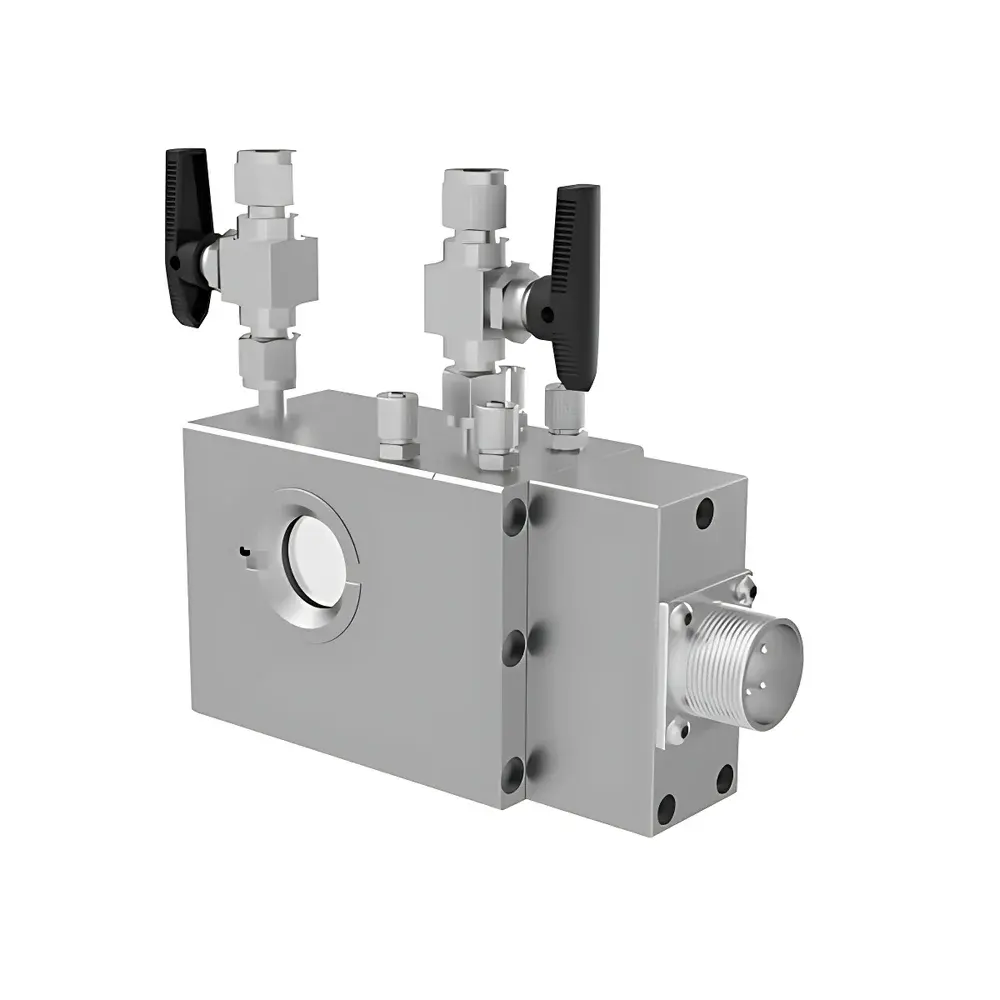
The RapidXAFS In Situ Electrochemical X-ray Absorption Fine Structure (XAFS) Cell is an engineered platform for time-resolved structural characterization of catalytic materials under operando electrochemical conditions. Designed for integration with synchrotron or laboratory-based X-ray sources, it enables real-time monitoring of local atomic coordination, oxidation state, and bond-length dynamics during electrocatalytic reactions—including CO2 reduction, oxygen evolution/reduction, and nitrogen fixation. The cell operates on the core principle of X-ray absorption spectroscopy: incident X-rays induce core-electron excitations; fine structure oscillations in the absorption coefficient above the edge (EXAFS) and near-edge features (XANES) are quantitatively analyzed to extract quantitative structural parameters. Compatible with both transmission and fluorescence detection geometries, the system supports dual-mode operation—critical for dilute or heterogeneous catalysts where self-absorption or matrix interference limits signal fidelity.
Key Features
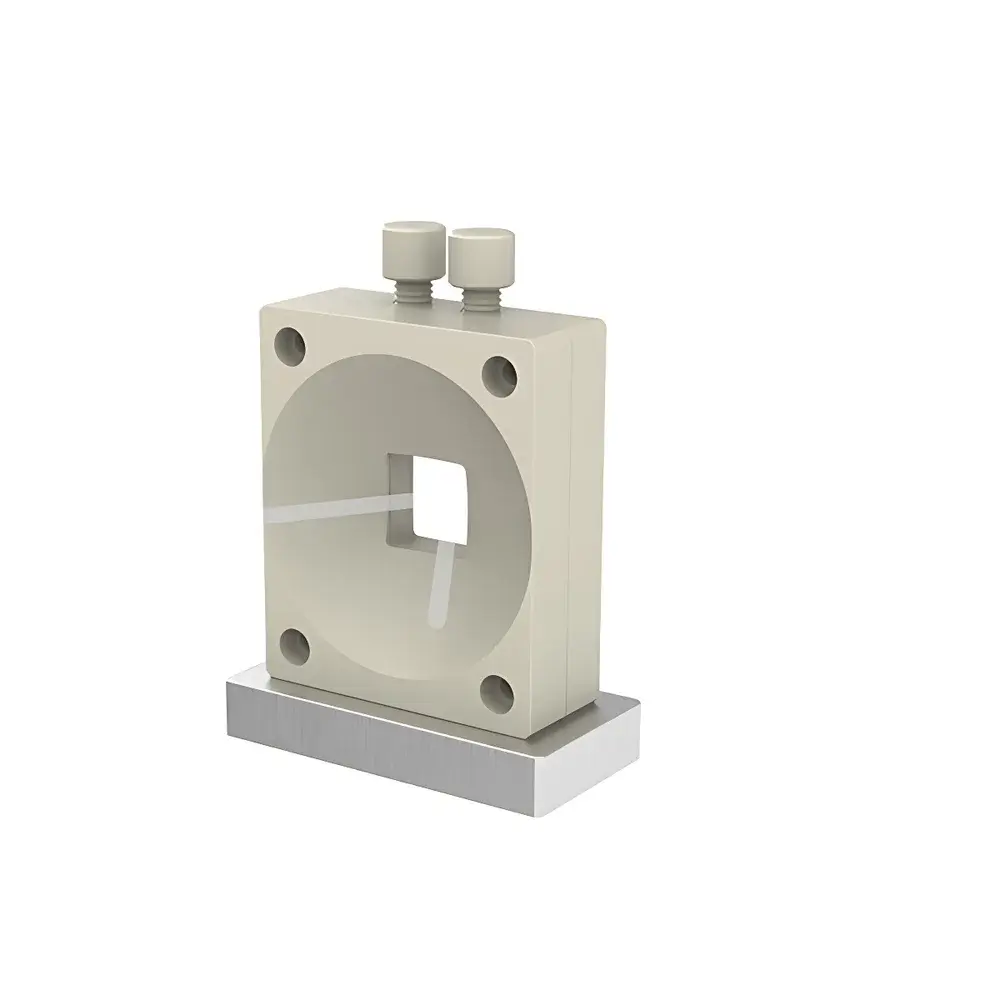
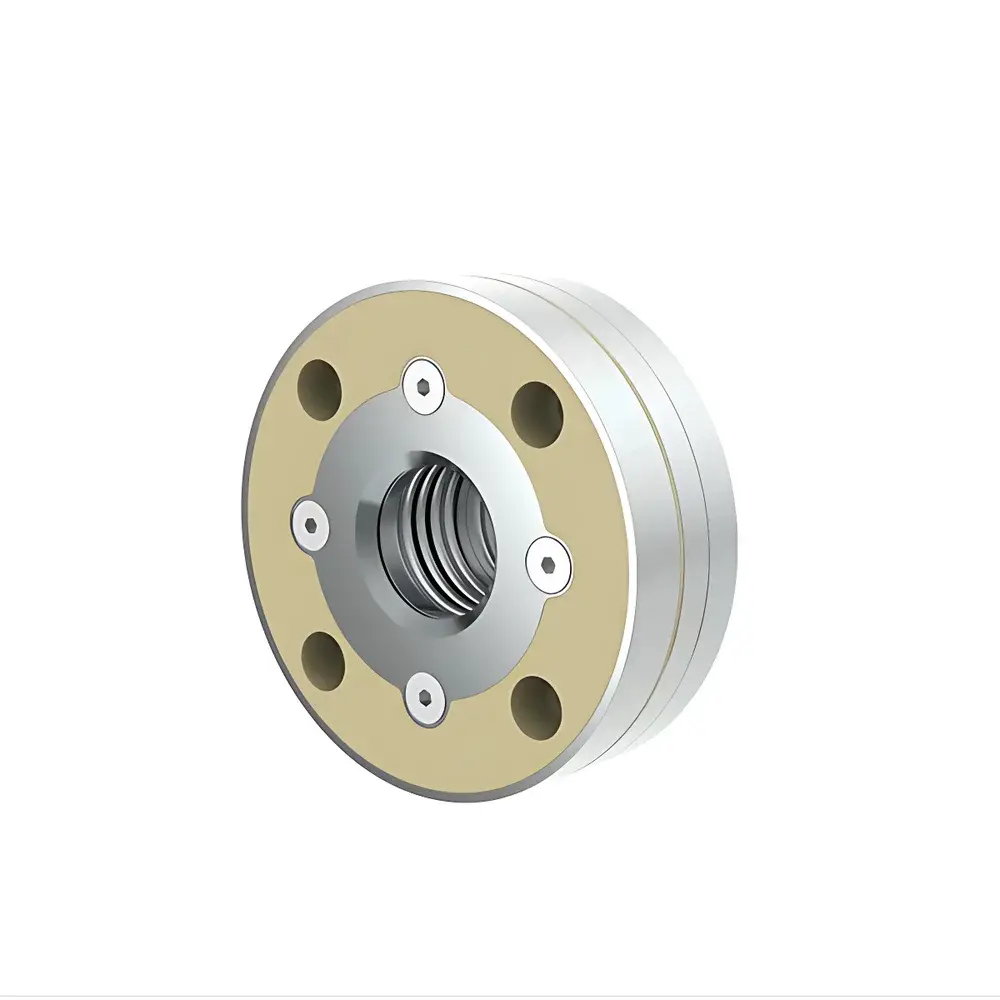
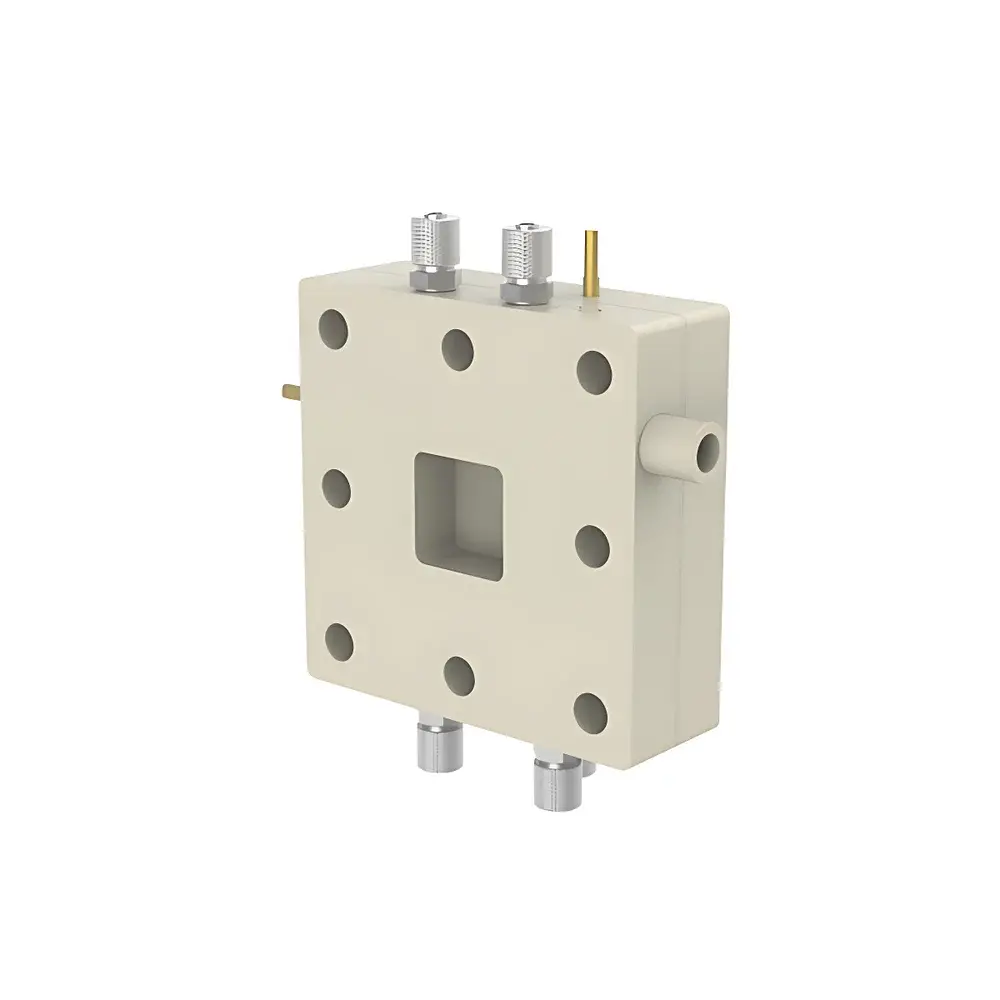
- Modular design supporting six distinct operational configurations: electrochemical (EC-XAFS-T/F), battery (BAT-XAFS-T), high-temperature/high-pressure (HC-XAFS-T), flow-cell (LIQ-XAFS-F), liquid-phase heated (LIQHC-XAFS-R), and photoelectrochemical (Pho-XAFS-R/T) modes.
- PEEK-bodied main chamber—chemically inert against strong acids, bases, and organic electrolytes; rated for continuous operation up to 120 °C and 10 bar pressure (HC-XAFS-T variant).
- Kapton (polyimide) or beryllium entrance/exit windows optimized for low-Z element sensitivity in the 2.5–5 keV range; window diameters range from 10 × 10 mm² to 16 mm circular, with Be window concentricity <0.1 mm for high-resolution transmission alignment.
- Adjustable electrolyte layer thickness (EC-XAFS-T) to balance ohmic resistance and X-ray path attenuation—enabling optimization of signal-to-noise ratio without compromising electrochemical kinetics.
- Integrated three-electrode configuration: standardized Ag/AgCl reference electrode and carbon rod counter electrode; working electrodes include carbon paper (1.5 × 3 cm²), pressed powder pellets, or gas diffusion layers—customizable per application.
- Optimized optical geometry: 45° incidence angle for fluorescence-mode cells (EC-XAFS-F, Pho-XAFS-R) to maximize solid-angle collection efficiency with Lytle-type ionization chambers.
Sample Compatibility & Compliance
The RapidXAFS In Situ Cell accommodates a broad spectrum of sample forms: thin-film electrodes, slurry-coated substrates, pressed powder discs, and sealed pouch-type battery configurations. All variants maintain vacuum-compatible flange interfaces (CF-35 or KF-40) for direct coupling to beamline endstations. Materials comply with ISO 10993-5 (cytotoxicity) and ASTM D520 (Kapton film specification) for radiation stability. For regulated environments, the cell’s mechanical repeatability and electrode positioning reproducibility support GLP-compliant data acquisition; full audit trails for voltage/current/potential logging can be synchronized with XAFS data streams via TTL-triggered DAQ systems compliant with FDA 21 CFR Part 11 requirements when paired with validated software.
Software & Data Management
No proprietary control firmware is embedded; the cell functions as a passive sample environment. All electrochemical control is managed externally via standard potentiostats (e.g., BioLogic SP-300, Gamry Interface 5000E) using analog/digital I/O synchronization. XAFS data acquisition is coordinated through EPICS-based beamline control systems or Python-driven Bluesky frameworks. Raw spectra are exported in standard .dat or HDF5 format, compatible with Athena/Artemis (Demeter suite), LARCH, or PyXAFS for background subtraction, Fourier transformation, and EXAFS fitting. Time-stamped metadata—including applied potential, current density, temperature, and gas flow rates—is embedded in NeXus-format files to ensure traceability across multi-modal experiments (e.g., simultaneous XAFS/XRD).
Applications
- Electrocatalysis: Tracking Ni–Fe oxyhydroxide active-site reconstruction during OER; monitoring Cu–N4 coordination loss in CO2R at varying overpotentials.
- Battery Research: Resolving Mn–O bond elongation in layered NMC cathodes during delithiation; correlating Fe–S coordination changes with polysulfide shuttling in Li–S cells.
- Thermocatalysis: Observing Pt–O bond contraction under CO oxidation at 200 °C and 5 bar; quantifying Pd nanoparticle sintering kinetics in steam reforming atmospheres.
- Photoelectrocatalysis: Capturing Ti–O–Ti bridge cleavage in TiO2 under UV illumination; resolving interfacial charge-transfer states at BiVO4/CoPi heterojunctions.
- Flow Electrolysis: Mapping transient Ni3+ formation in anion-exchange membrane electrolyzers under dynamic current ramping (0–500 mA/cm²).
FAQ
Is the cell compatible with bending-magnet beamlines?
Yes—optimized for low-power (≤100 W) laboratory sources and bending-magnet undulator lines operating in the 2.5–5 keV range. Kapton windows provide >85% transmission at 3.5 keV.
Can the EC-XAFS-T cell be used for in situ XRD simultaneously?
Yes—the 16 mm Be window in BAT-XAFS-T and HC-XAFS-T variants permits concurrent transmission XAFS/XRD measurements using orthogonal detector placement.
What is the maximum operating temperature for LIQHC-XAFS-R?
The quartz-body liquid-phase cell supports stable operation from −20 °C to +200 °C with ±1 °C PID control and external recirculating chiller integration.
Are custom electrode geometries supported?
Yes—working electrode holders accept planar, mesh, or rotating disk formats; custom machining of PEEK components is available under NDA for OEM integration.
Does the system meet vacuum requirements for soft X-ray beamlines?
All variants achieve base pressures <1 × 10⁻⁶ mbar after bake-out; optional all-metal seals and Viton-free gasketing are available for UHV compatibility.
Related Products




