
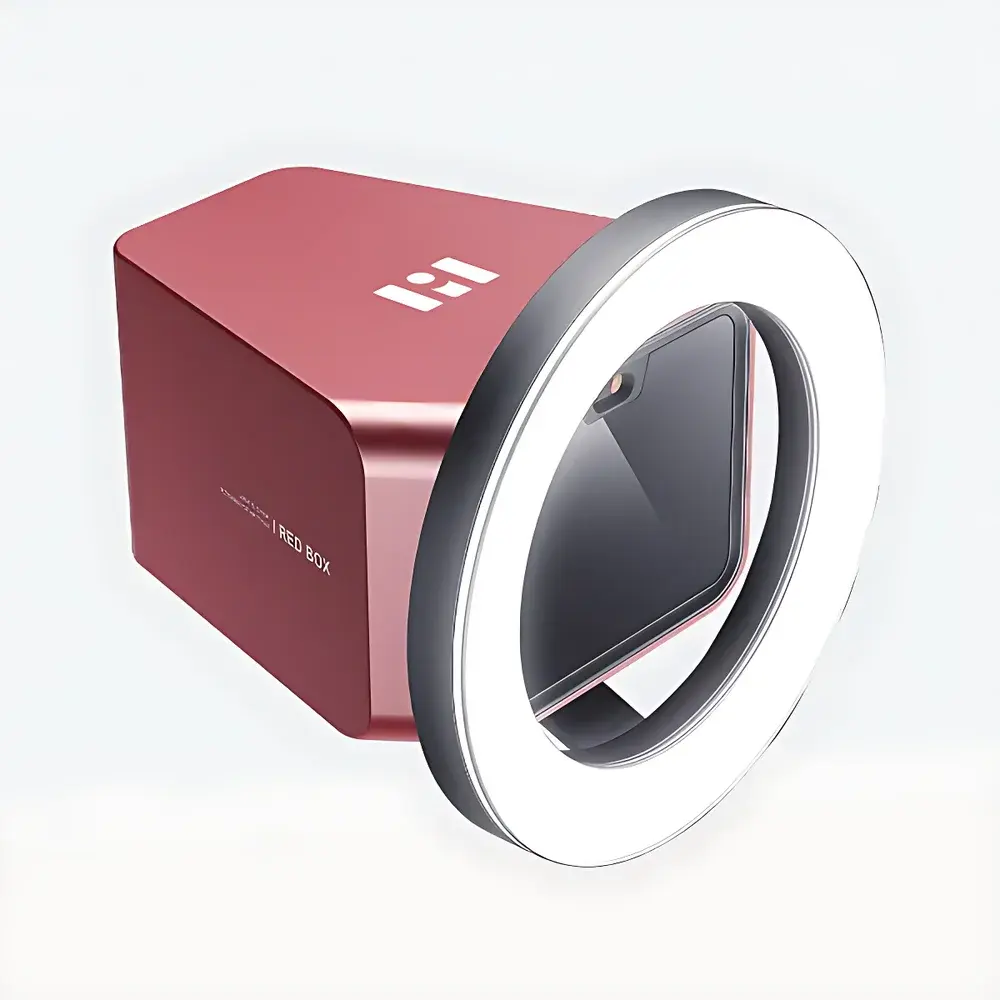
Red Box SH High-Temperature 3D Video Extensometer
| Brand | Haytham |
|---|---|
| Model | Red Box SH |
| Origin | Guangdong, China |
| Deformation Measurement Range | 0–1000% |
| Linearity | ±0.5% |
| Application Temperature Range | Up to 2200 °C (dependent on optical configuration and furnace integration) |
| Measurement Principle | Stereo Digital Image Correlation (DIC) with High-Speed CMOS Imaging and Real-Time 3D Displacement Reconstruction |
Overview
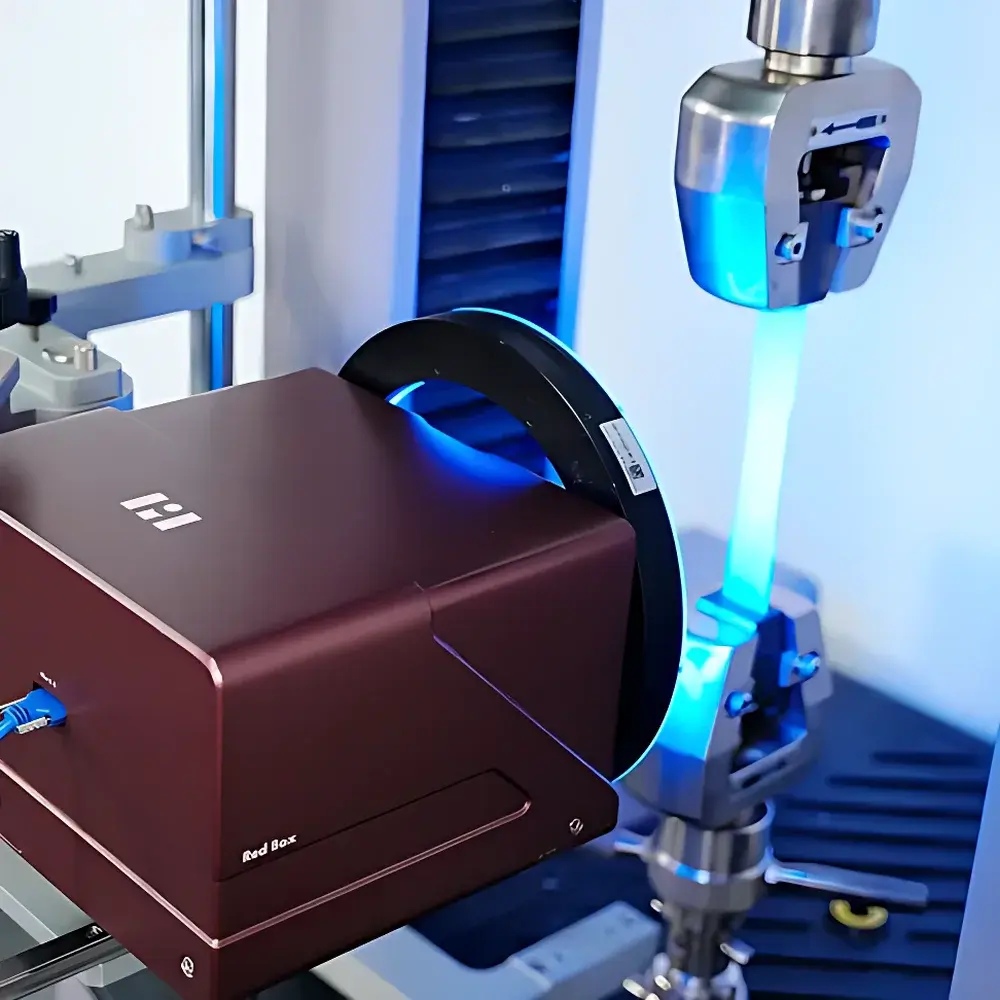
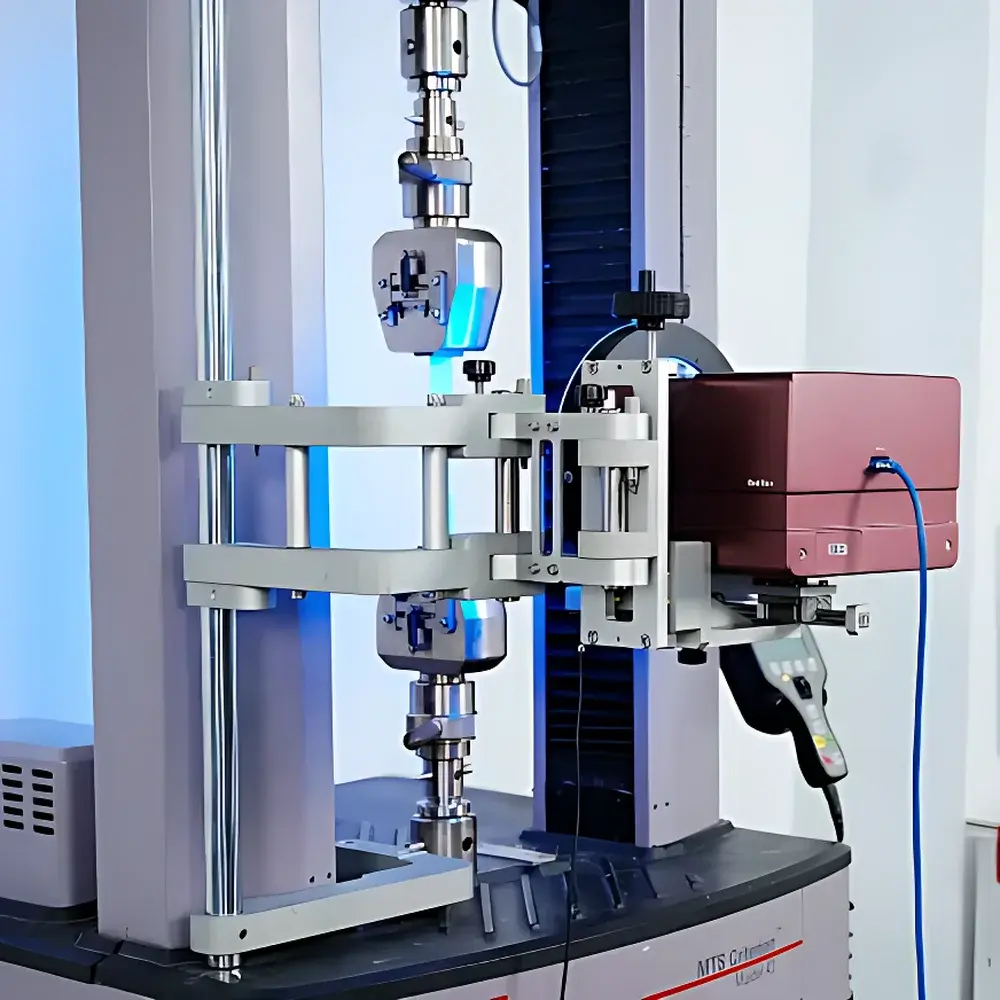
The Red Box SH High-Temperature 3D Video Extensometer is an engineered solution for non-contact, full-field strain and displacement measurement under extreme thermal conditions. Built upon stereo digital image correlation (DIC) methodology, it employs dual high-resolution, high-frame-rate CMOS cameras synchronized with calibrated optical paths to reconstruct surface deformation in three dimensions—X, Y, and Z—with sub-pixel spatial resolution. Unlike traditional contact extensometers limited by thermal drift, mechanical interference, or sensor degradation above 600 °C, the Red Box SH operates remotely through quartz viewport-compatible optics, enabling quantitative mechanical characterization of materials during in-situ thermo-mechanical testing in vacuum, inert, or controlled-atmosphere furnaces. Its design supports integration with universal testing machines (UTMs), creep frames, and custom thermal test rigs—providing traceable, high-reproducibility strain data across temperatures ranging from ambient to 2200 °C, contingent on furnace type, optical access, and surface preparation.
Key Features
- True 3D displacement and strain field mapping via synchronized stereo-DIC architecture
- Optimized for high-temperature environments: compatible with tube furnaces, induction heaters, and arc-melting systems up to 2200 °C
- Real-time 3D reconstruction engine with adjustable ROI (region-of-interest) and adaptive contrast enhancement for low-emission surfaces
- Calibration traceable to NIST-traceable dimensional standards; supports ISO/IEC 17025-compliant validation protocols
- Modular lens system: interchangeable telecentric and long-working-distance objectives for varying specimen sizes (1 mm to 300 mm field of view)
- Robust thermal shielding and active cooling for camera housings to maintain stable electronics performance during prolonged exposure
- Integrated LED or structured-light illumination options for low-contrast or reflective specimens at elevated temperatures
Sample Compatibility & Compliance
The Red Box SH accommodates a broad spectrum of high-performance materials including carbon-carbon composites, ceramic matrix composites (CMCs), refractory metals (e.g., Mo, Nb, W alloys), SiC/Si3N4 ceramics, and advanced carbon fibers. Surface preparation follows ASTM E837 and ISO 10365 guidelines for DIC-compatible speckle patterns—optimized for emissivity stability and thermal expansion neutrality. System compliance includes alignment with ASTM E2799 (Standard Guide for Digital Image Correlation in Materials Testing), ISO 20567-1 (coating strain measurement), and supports audit-ready documentation per GLP and GMP frameworks. When deployed in regulated environments, metadata logging—including timestamp, thermal profile, camera settings, and calibration history—meets FDA 21 CFR Part 11 requirements for electronic records and signatures.
Software & Data Management
The proprietary RedBox Control Suite provides intuitive workflow management from acquisition to post-processing. It supports real-time visualization of 3D displacement vectors, principal strain maps (ε₁, ε₂), von Mises strain, and time-derivative metrics (strain rate). Export formats include HDF5, CSV, and MATLAB .mat for integration with FEA platforms such as ANSYS Mechanical and ABAQUS. All processing steps are scriptable via Python API, enabling automated batch analysis and statistical reporting. Audit trails record user actions, parameter changes, and software versioning—essential for ISO 9001-certified labs and third-party accreditation audits. Raw image sequences are stored losslessly with embedded EXIF metadata for full experimental reproducibility.
Applications
- In-situ biaxial tensile testing of C/C composites at 2200 °C in graphite furnace environments
- Compressive deformation analysis of 7-mm-diameter carbon fiber reinforcement bars at 300 °C under sustained load
- Thermal-mechanical fatigue evaluation of carbon-fiber-reinforced carbon plates in cyclic heating-cooling regimes
- Full-field strain evolution during sintering and hot pressing of ultra-high-temperature ceramics (UHTCs)
- Validation of constitutive models for refractory alloys under combined thermal gradient and mechanical loading
- Creep rupture analysis of tungsten-based components in fusion reactor material qualification programs
FAQ
What temperature ranges can the Red Box SH reliably measure?
The system is validated for continuous operation up to 2200 °C when integrated with appropriate high-temperature furnaces and optical isolation (e.g., fused silica viewports, water-cooled flanges). Actual upper limit depends on specimen emissivity, furnace geometry, and optical path clarity.
Does it require physical contact with the specimen?
No—measurement is fully non-contact and optical. No instrumentation-induced thermal perturbation or mechanical loading occurs.
Can it be used with existing universal testing machines?
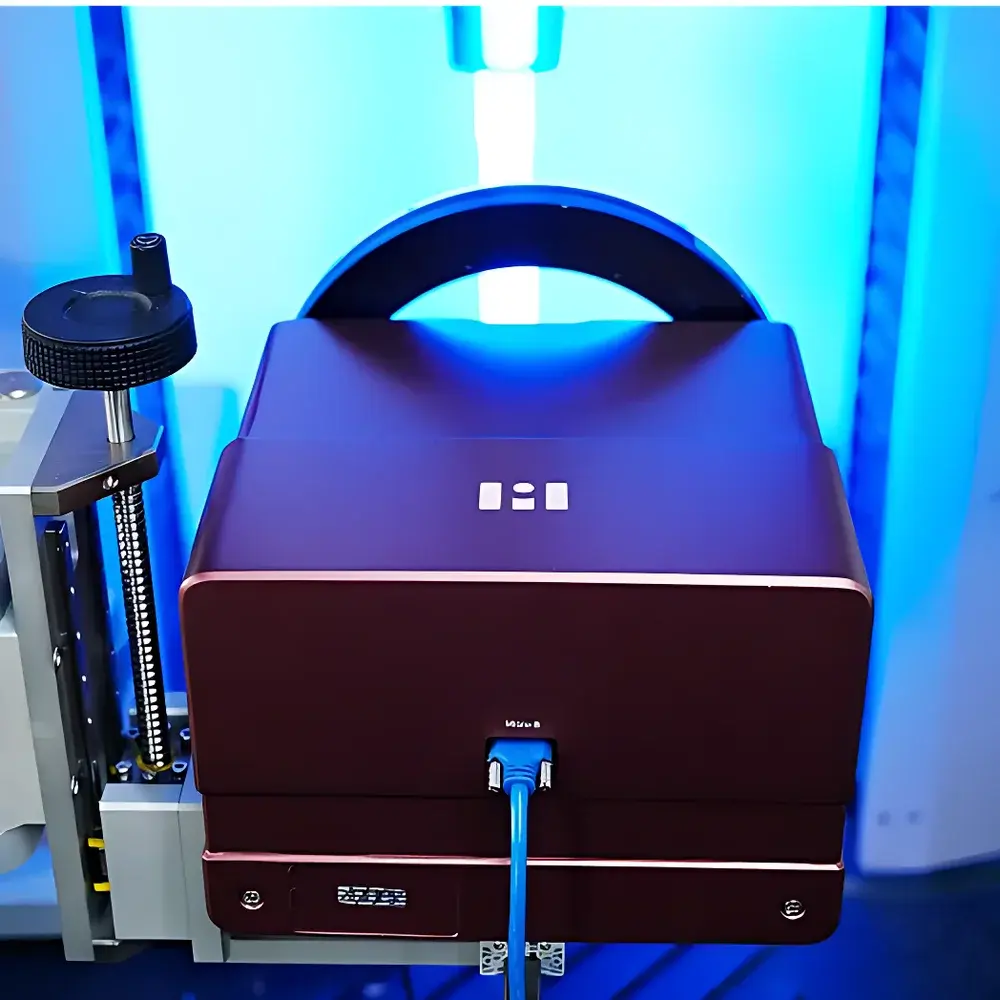
Yes. The Red Box SH interfaces via Ethernet and supports hardware synchronization triggers (TTL input/output) for precise coordination with load frame control signals and thermal ramp profiles.
Is calibration required before each test?
A full volumetric calibration is recommended prior to initial installation and after any optical reconfiguration. In situ reference checks using thermal-stable calibration targets are supported between tests.
How is data traceability ensured for regulatory submissions?
All raw images, processed strain fields, calibration logs, and environmental metadata are time-stamped and cryptographically hashed. Export packages comply with ALCOA+ principles (Attributable, Legible, Contemporaneous, Original, Accurate, Complete, Consistent, Enduring, Available) for regulatory review.



