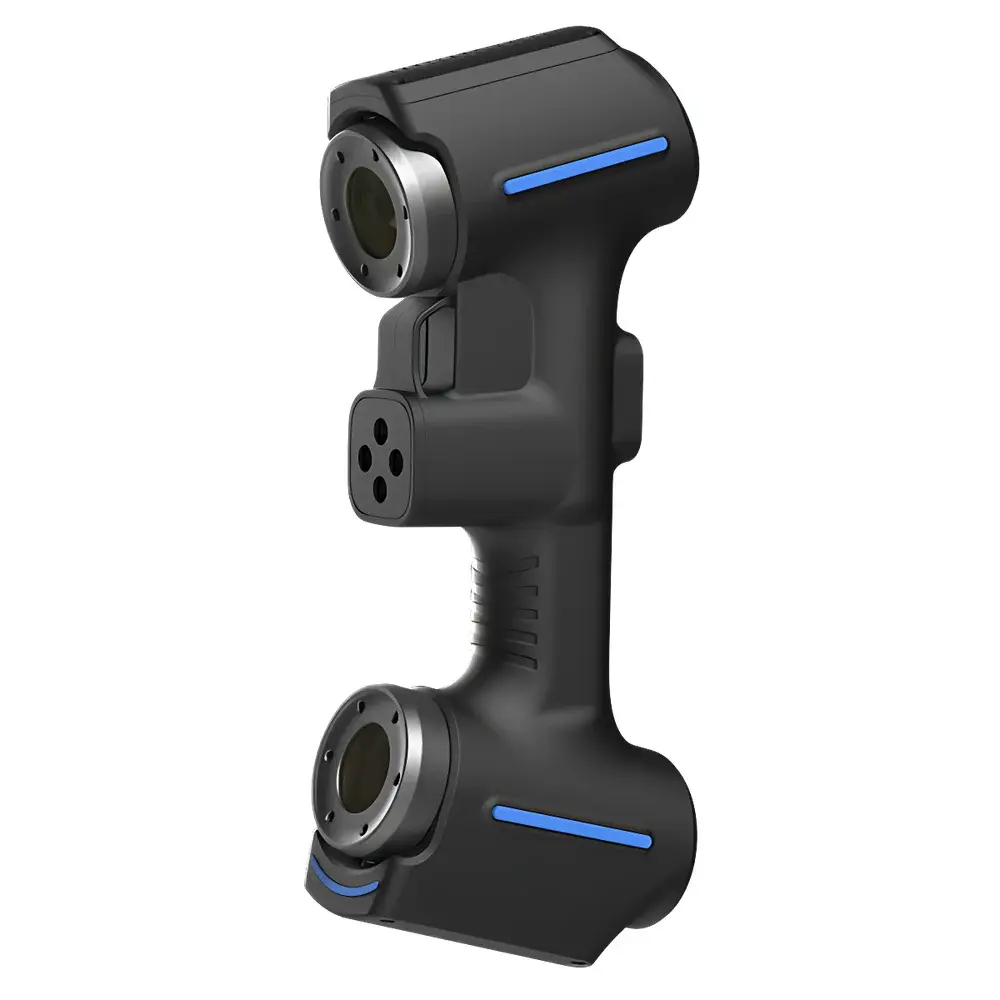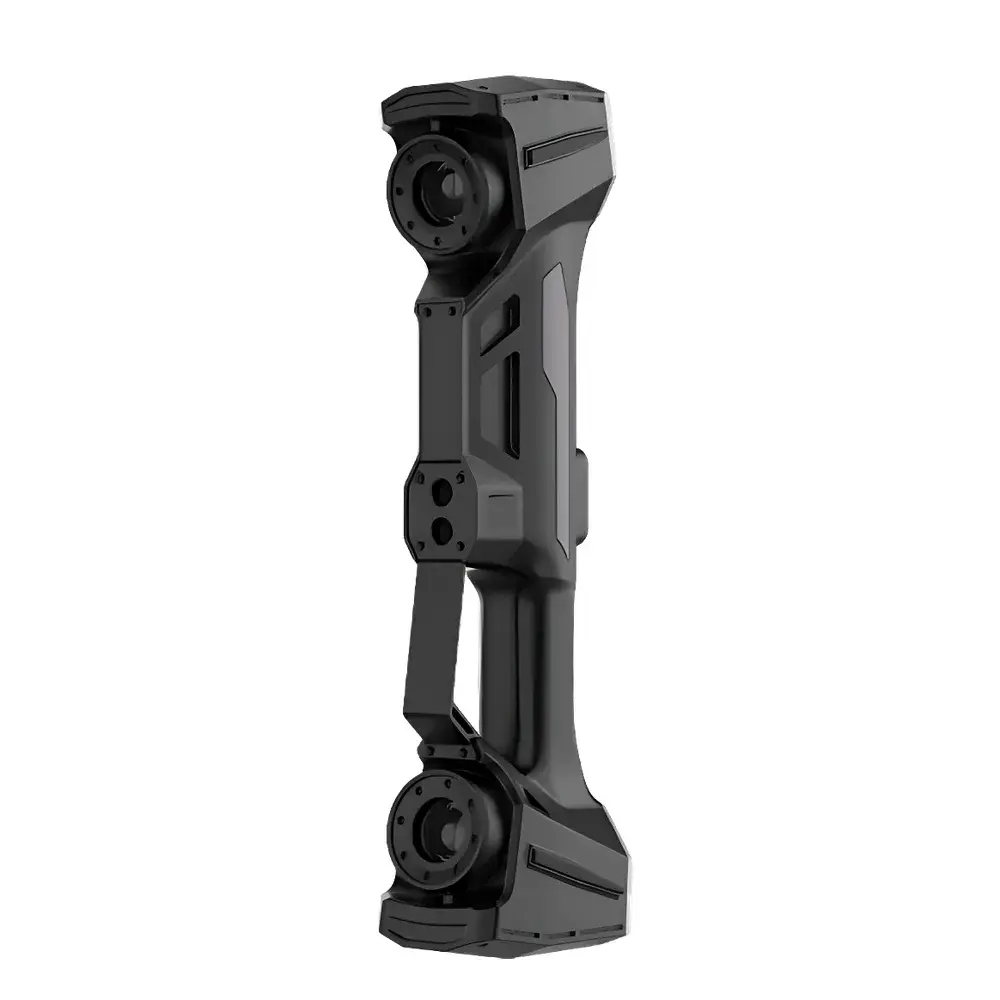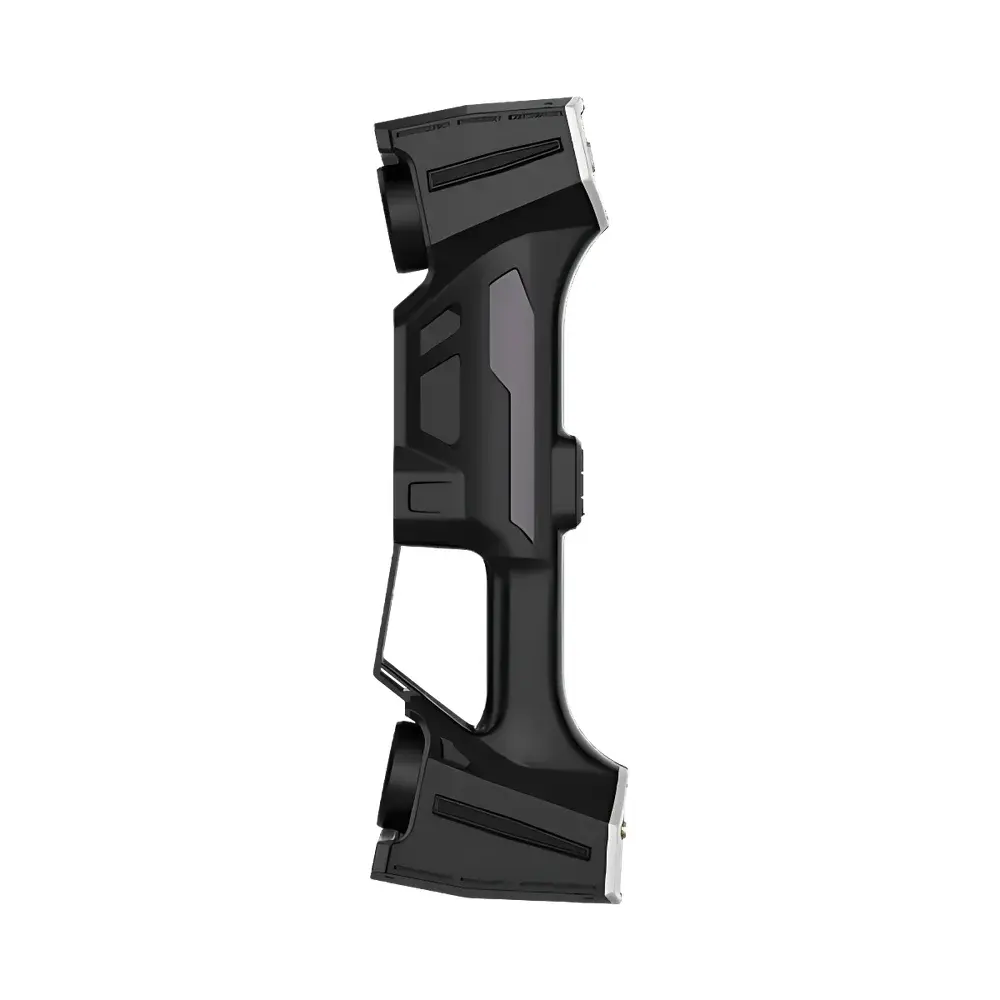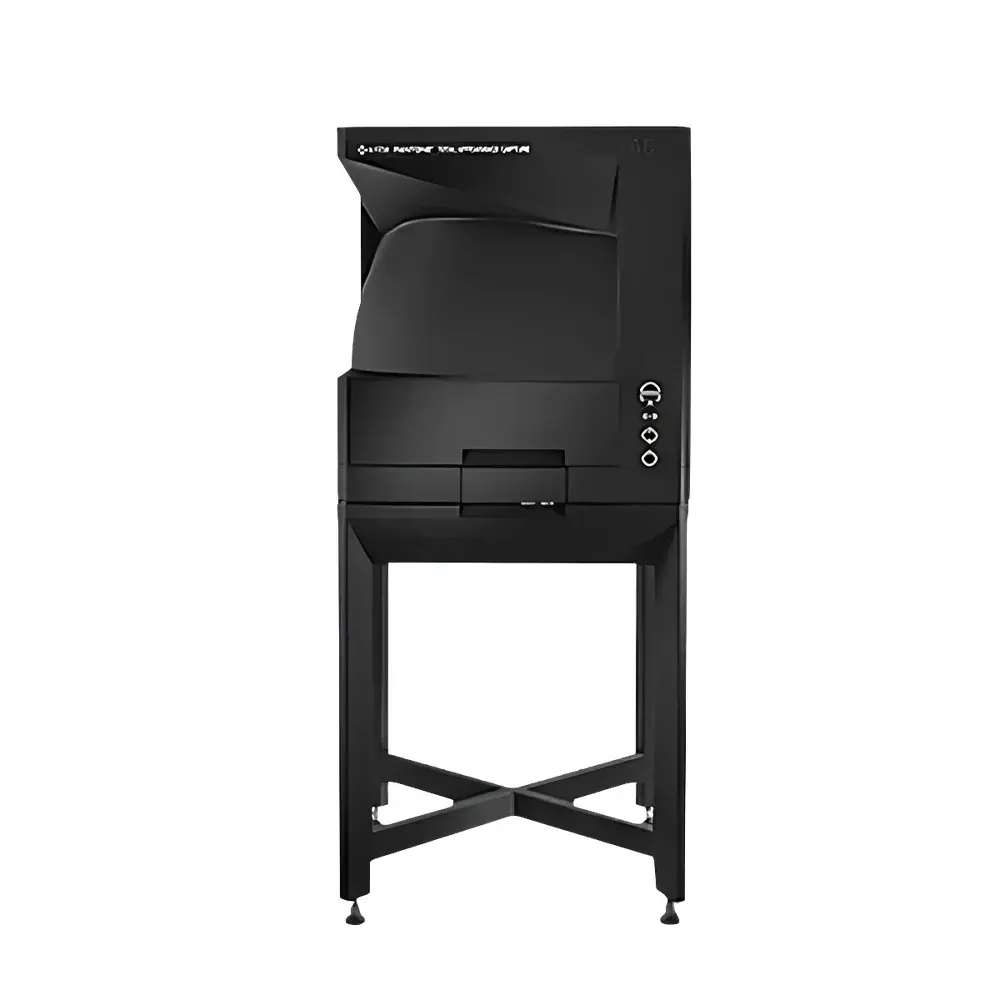
X-Rite TAC7 Appearance Capture Scanner
| Brand | X-Rite |
|---|---|
| Origin | USA |
| Model | TAC7 |
| Sample Area | 300 mm × 220 mm |
| Max Sample Height | 30 mm |
| Single-Point Measurement Diameter | 120 mm |
| Depth of Field | ±3 mm |
| Color Capture Angles | 5°, 22.5°, 45°, and 67.5° (four monochrome cameras) |
| Spatial Resolution | Up to 385 dpi at 5° camera (66 µm/pixel) |
| Illumination | 32 white LEDs, linear light scanner for near-specular illumination, three spectral wheels, backlight unit for alpha mapping |
| Software Integration | Pantora Material Hub, AxF™ (Appearance Exchange Format) compliant |
| Security Compliance | Enterprise-grade IT infrastructure compatible (TLS 1.2+, AES-256 encryption, LDAP/AD integration) |
Overview
The X-Rite TAC7 Appearance Capture Scanner is an industrial-grade, non-contact 3D surface appearance measurement system engineered for high-fidelity digital material definition in R&D, color formulation, and virtual product development environments. Unlike conventional colorimeters or spectrophotometers, the TAC7 employs multi-angle monochrome imaging combined with structured light projection and calibrated spectral illumination to quantify not only chromaticity but also spatially resolved surface geometry, micro-texture, gloss distribution, and directional reflectance behavior—collectively termed “appearance.” Its measurement principle is based on bidirectional reflectance distribution function (BRDF) sampling across four standardized viewing angles (5°, 22.5°, 45°, and 67.5°), enabling robust characterization of both diffuse and specular surface responses under controlled lighting conditions. Designed for integration into enterprise-scale digital material workflows, the TAC7 operates reliably in standard office environments without environmental enclosures, supporting continuous operation in QA labs, design studios, and supplier collaboration hubs.
Key Features
- Multi-angle BRDF acquisition using four synchronized monochrome cameras, each optimized for a specific observation geometry to capture angular-dependent appearance attributes.
- High-resolution spatial sampling up to 385 dpi (66 µm per pixel at 5°), ensuring accurate texture and micro-geometry representation for materials ranging from brushed metals to woven textiles.
- Integrated structured light projection and linear scanning illumination for precise height map generation and near-specular reflection capture—critical for metallic, pearlescent, and coated substrates.
- Configurable spectral illumination via three rotating filter wheels, enabling measurement under standardized illuminants (e.g., D65, A, F2) and custom spectral profiles aligned with ASTM E308 and ISO/CIE standards.
- Backlighting module for alpha-channel extraction, supporting transparent, translucent, and semi-opaque materials including films, foils, and laminates.
- Fully encrypted communication stack compliant with TLS 1.2+, AES-256 data-at-rest encryption, and enterprise identity management (LDAP/Active Directory) for secure deployment in regulated manufacturing IT infrastructures.
Sample Compatibility & Compliance
The TAC7 accommodates rigid and semi-rigid physical samples up to 300 mm × 220 mm in footprint and 30 mm in height—including painted panels, plastic injection-molded parts, leather swatches, composite laminates, and coated paper. It meets ISO 13655:2017 (graphic technology — spectral measurement and colorimetric computation), ASTM D2244 (standard practice for calculation of color tolerances), and supports traceable calibration against NIST-traceable reference standards. The system architecture adheres to FDA 21 CFR Part 11 requirements for electronic records and signatures when deployed with Pantora Material Hub’s audit trail and user access control features—making it suitable for GxP-aligned color and appearance validation protocols.
Software & Data Management
The TAC7 is natively controlled via X-Rite’s Pantora Material Hub—a cloud-connected, role-based digital material platform supporting centralized AxF™ (Appearance Exchange Format) file management. AxF is an ISO/PAS 20692-compliant open specification that embeds full BRDF, geometry, and spectral metadata within a single binary container, ensuring interoperability with major rendering engines (e.g., Autodesk Arnold, Chaos V-Ray, NVIDIA Omniverse) and virtual lighting environments such as X-Rite’s Virtual Light Booth. All measurement sessions are timestamped, user-attributed, and version-controlled; raw sensor data, processed AxF exports, and calibration logs are retained with immutable audit trails—enabling full GLP/GMP compliance for material release documentation and cross-functional PLM synchronization.
Applications
- Automotive interior/exterior trim validation: Quantifying sparkle, grain fidelity, and gonio-apparent color shift across OEM supplier tiers.
- Consumer electronics finish development: Characterizing anodized aluminum, PVD coatings, and matte/gloss hybrid surfaces for CAD-integrated visual verification.
- Paint and coating R&D: Accelerating formulation iteration by replacing physical spray-out panels with photorealistic digital twins validated against physical measurements.
- Textile and soft-goods design: Capturing weave structure, pile directionality, and moisture-induced appearance change for virtual prototyping in fashion PLM systems.
- Regulatory submission support: Generating auditable appearance datasets for FDA cosmetic labeling, EU REACH compliance, and automotive OEM color approval packages.
FAQ
What file format does the TAC7 output?
The TAC7 generates native AxF™ (Appearance Exchange Format) files—ISO/PAS 20692-compliant containers embedding BRDF, geometry, spectral, and metadata layers in a single, render-ready binary format.
Can the TAC7 be integrated into existing PLM or ERP systems?
Yes—via Pantora Material Hub’s RESTful API and SAML 2.0–compliant SSO, the TAC7 supports bi-directional synchronization with Siemens Teamcenter, PTC Windchill, Dassault ENOVIA, and SAP PLM modules.
Is on-site calibration required?
The TAC7 performs automated daily self-calibration using embedded reference tiles; annual NIST-traceable recalibration is recommended and supported by X-Rite-certified service engineers.
Does the system support batch scanning for production QA?
While primarily designed for R&D and master sample digitization, the TAC7 supports scripted batch acquisition via Pantora’s CLI tools—enabling unattended scanning of up to 20 samples per session with pass/fail tolerance reporting.
How is data security enforced during remote operation?
All communications between the TAC7 hardware, Pantora Hub, and client endpoints use TLS 1.2+ encryption; locally stored AxF files are encrypted at rest using AES-256, and access is governed by configurable RBAC policies.