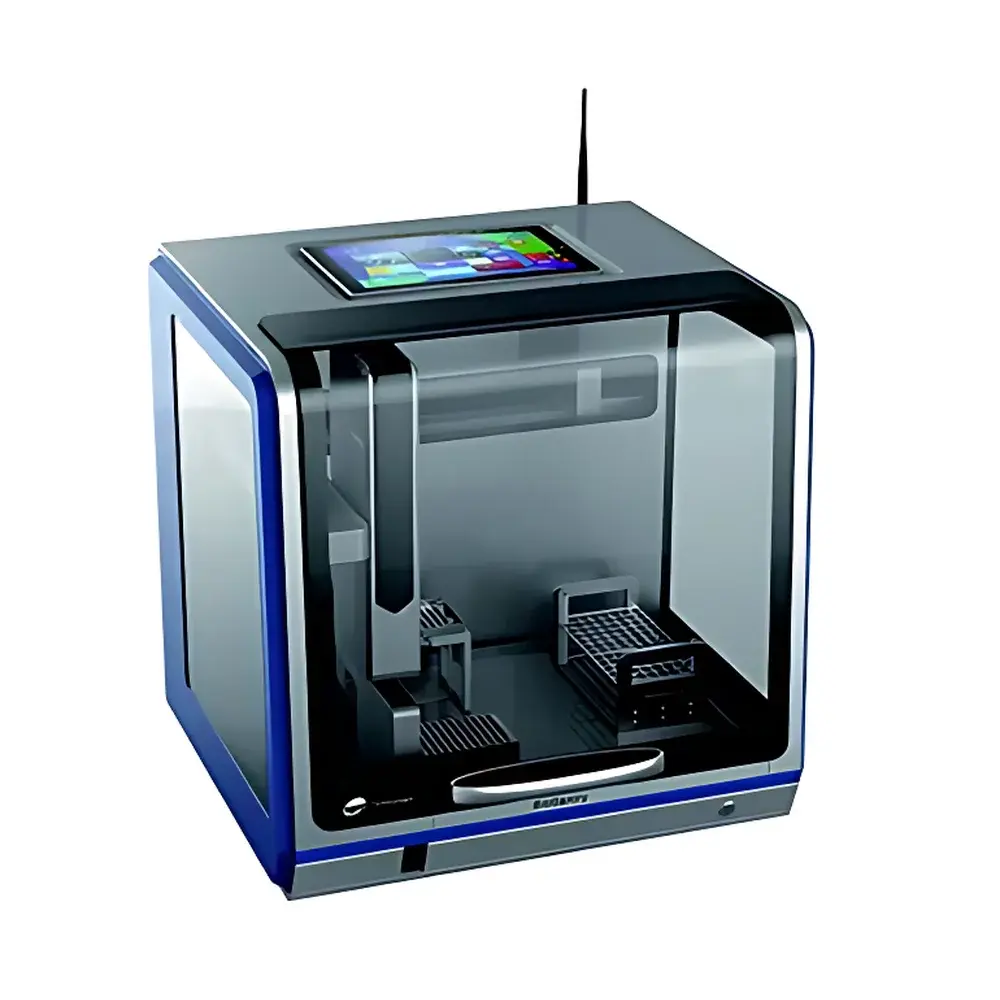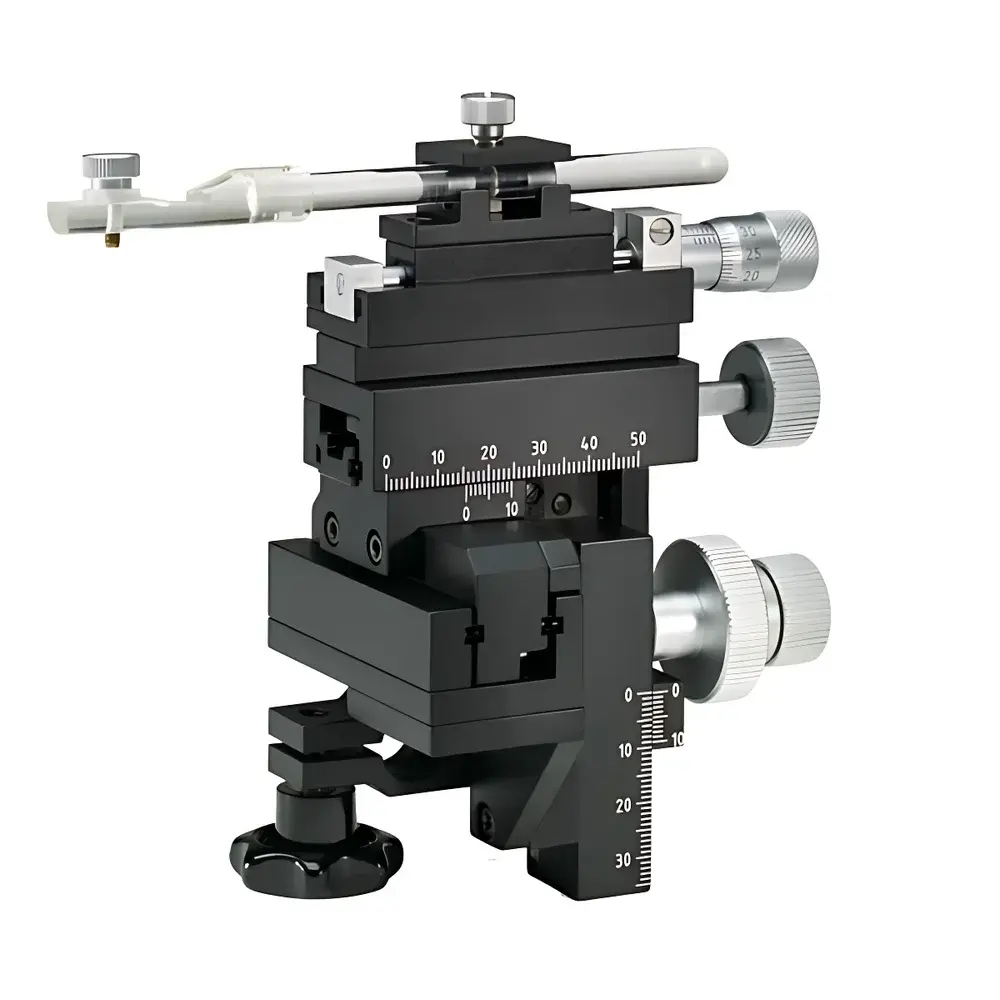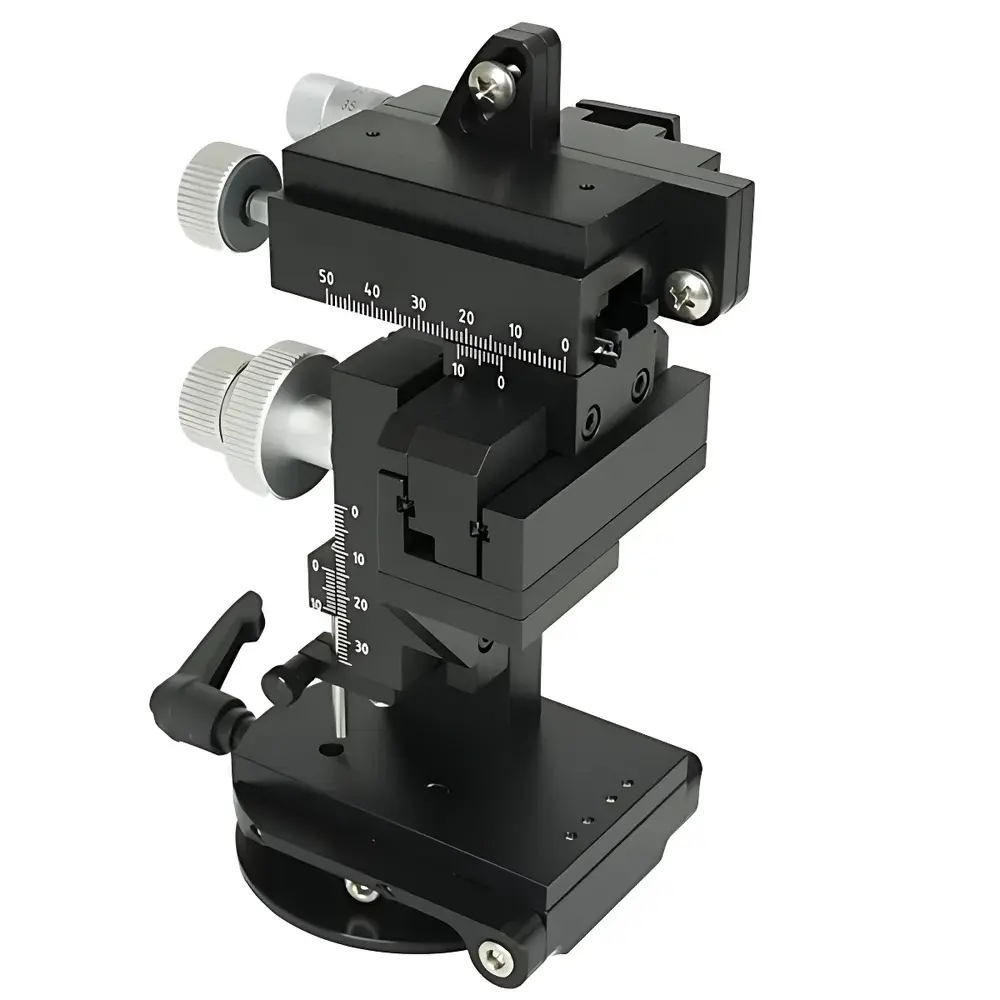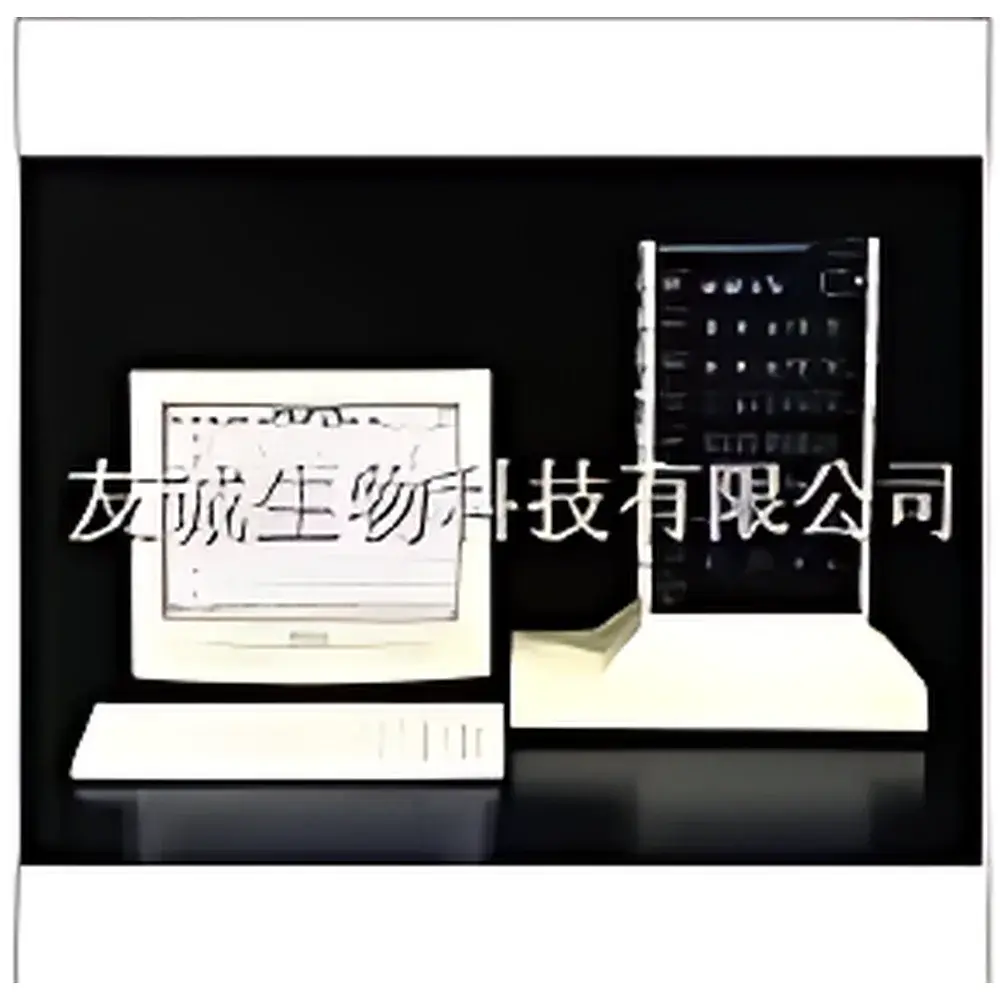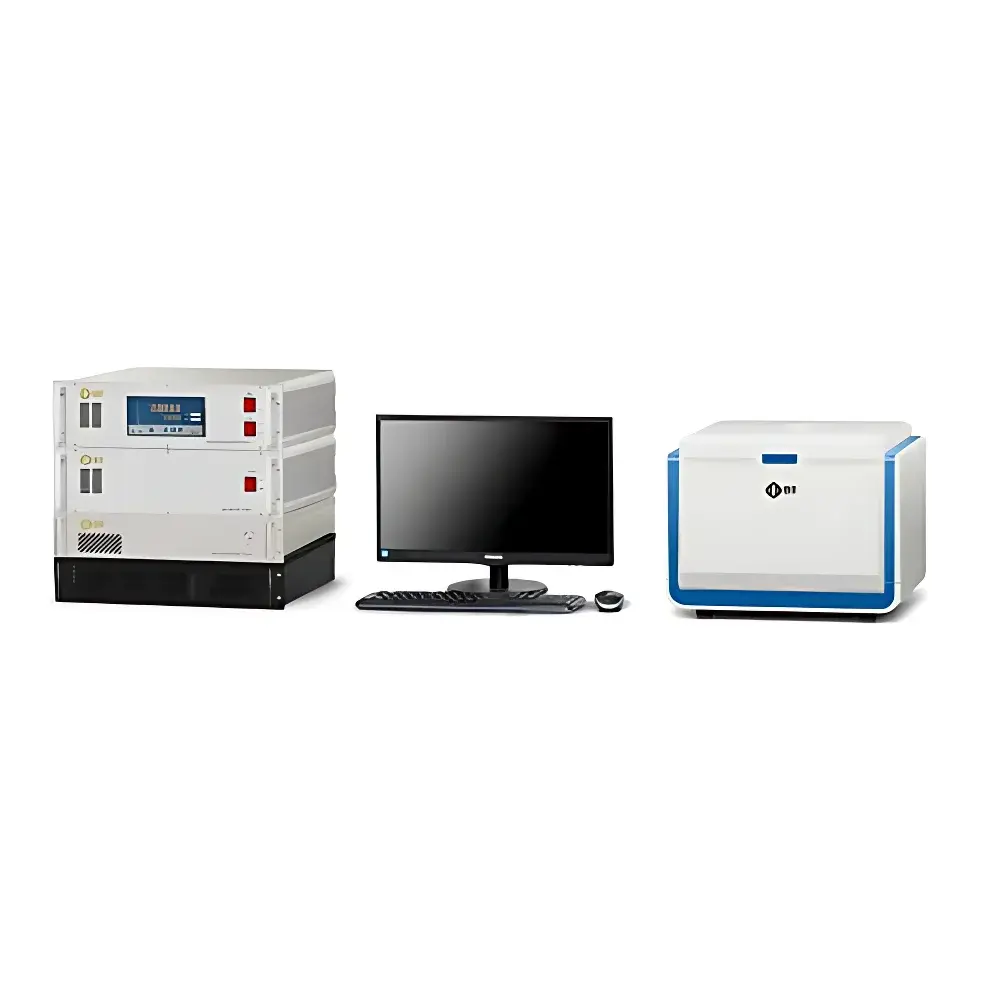
RM6240T Physiological Signal Acquisition & Simulation-Based Teaching System
| Brand | SCChengyi |
|---|---|
| Origin | Sichuan, China |
| Model | RM6240T |
| Manufacturer Type | Authorized Distributor |
| Regional Classification | Domestic (China) |
| Pricing | Available Upon Request |
Overview
The RM6240T Physiological Signal Acquisition & Simulation-Based Teaching System is a dual-mode educational platform engineered for undergraduate and graduate physiology, pharmacology, and pathophysiology instruction in medical and life sciences curricula. It integrates real-time physiological signal acquisition with high-fidelity simulation environments grounded in established experimental protocols. The system operates on a hybrid architecture: one mode interfaces directly with live biological preparations (e.g., isolated tissues, anesthetized rodents, or human surface EMG/ECG signals) via the RM6240CD/BD multi-channel physiological signal acquisition hardware; the other executes browser-based, interactive simulations replicating laboratory workflows—including instrument operation, procedural sequencing, data acquisition, and quantitative analysis—without requiring physical instrumentation or animal use. This architecture supports pedagogical alignment with the internationally recognized 3R principles (Replacement, Reduction, Refinement) for ethical animal research, as endorsed by the NC3Rs and integrated into national biomedical education guidelines.
Key Features
- Dual-Mode Operation: Seamless switching between live signal acquisition and simulation modes within a unified software interface.
- Comprehensive Experiment Library: 34 simulation modules and 33 hands-on experiment templates covering core topics in integrative physiology, neuropharmacology, cardiovascular regulation, respiratory mechanics, and renal function.
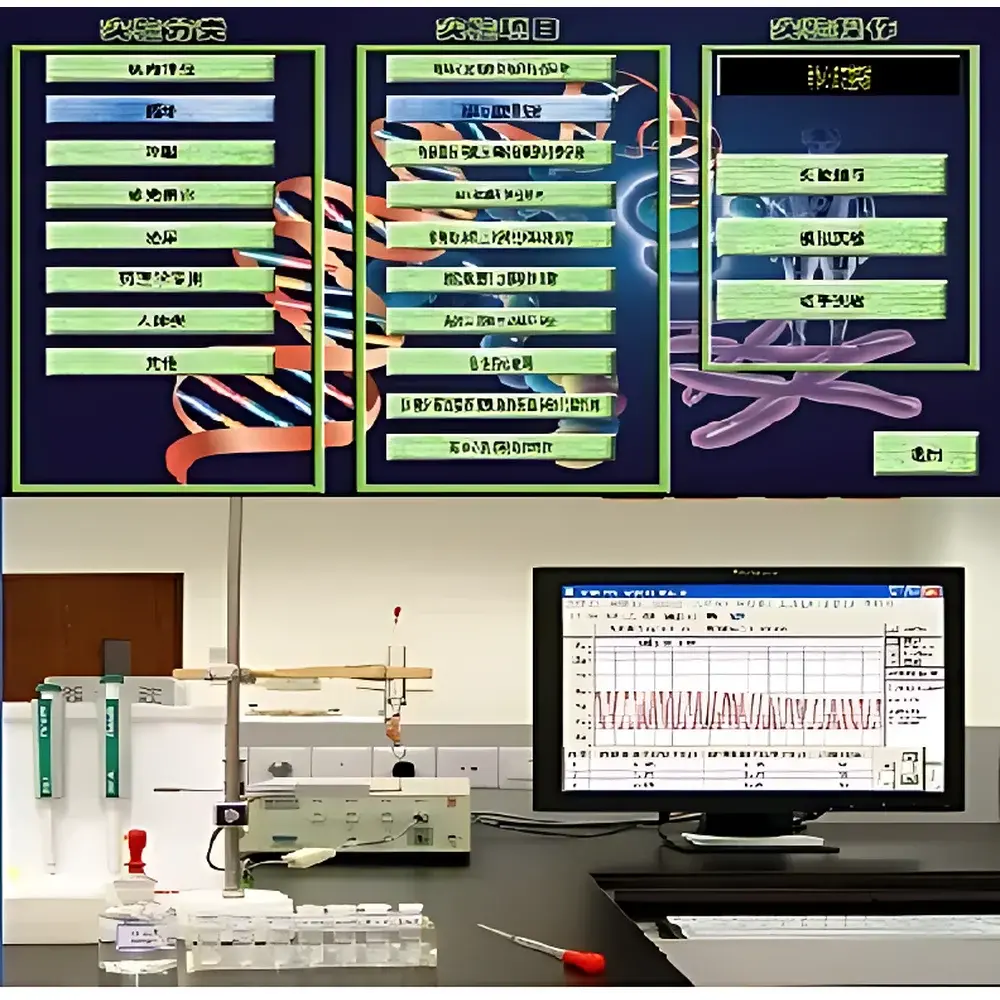
- Realistic Simulation Engine: Laboratory-scene rendering with photorealistic instrument UIs—including virtual RM6240 signal processing panels, stimulators, transducers, and data display windows—mirroring actual hardware behavior and response latency.
- Structured Pedagogical Framework: Each experiment follows a standardized tripartite workflow: “Experimental Guidance” (theory & safety), “Simulation Practice” (interactive procedural training), and “Hands-On Execution” (hardware-integrated acquisition).
- Open-Architecture Design: FrontPage-compatible resource editor enables faculty to customize lab manuals, modify simulation logic, embed new video content, or integrate institution-specific protocols without vendor dependency.
- Cross-Disciplinary Integration: Includes 7 interdisciplinary simulation modules bridging physiology, pharmacology, and pathophysiology (“Three-Subject Integration”), supporting case-based and problem-oriented learning.
Sample Compatibility & Compliance
The RM6240T system accommodates standard biosignal inputs from rodent models (e.g., Wistar rats, New Zealand white rabbits), isolated organ preparations (Langendorff heart, ileum, tracheal rings), and human surface recordings (ECG, EMG, EEG, respiration plethysmography). Signal conditioning complies with IEC 60601-1 general safety requirements for medical electrical equipment. While not certified for clinical diagnostic use, its acquisition architecture meets educational validation standards aligned with ISO/IEC 17025–referenced laboratory teaching quality frameworks. All simulation content adheres to GLP-aligned documentation practices, including version-controlled experiment logs, timestamped user activity tracking, and exportable audit trails for institutional accreditation reviews.
Software & Data Management
The system runs natively on Windows XP (with backward compatibility verified through Windows 10 via compatibility mode). Simulation modules are executed via Internet Explorer (IE8–IE11) with no external plugin dependencies. Acquired physiological data are stored in proprietary binary format (.rm6) with lossless conversion to CSV and Excel-compatible XLSX for statistical analysis. Built-in quantification tools perform automatic peak detection, baseline correction, amplitude/duration measurement, and rate calculation for common parameters (e.g., HRV, contractile force, nerve conduction velocity). Data exports include metadata tags (subject ID, protocol version, operator ID, timestamp), satisfying minimal requirements for reproducible educational research reporting under FAIR principles.
Applications
- Pre-lab skill development: Students practice instrument calibration, electrode placement, stimulus parameter setting, and artifact recognition before live sessions—reducing experimental failure rates by up to 40% in controlled pilot studies.
- Remote and hybrid instruction: Enables synchronous simulation-based labs during facility closures or travel restrictions, maintaining continuity of competency-based assessment.
- Standardized assessment: Embedded self-assessment quizzes (14 experiment categories, randomized MCQ pools) support formative evaluation with automated scoring and performance analytics.
- Curriculum modernization: Supports transition from descriptive to inquiry-driven labs via open-ended simulation modules where students design interventions, predict outcomes, and validate hypotheses using simulated physiological responses.
- Institutional 3R compliance reporting: Provides verifiable metrics on animal use reduction (e.g., 65–80% fewer acute rodent procedures per student cohort in validated implementations) and digital resource utilization logs for ethics committee submissions.
FAQ
Is the RM6240T system FDA-cleared or CE-marked for clinical diagnostics?
No. It is classified exclusively as an educational and research training device, not a medical device intended for patient diagnosis or treatment.
Can legacy RM6240 hardware be upgraded to support simulation mode?
Yes. Existing RM6240CD/BD users may install the simulation software suite via the provided USB backup drive and license dongle, provided their host PC meets minimum OS and display resolution requirements.
Does the system support networked deployment across computer labs?
Yes. The simulation client is deployable via LAN-based file sharing or local web server (IIS/Apache), enabling concurrent access for up to 60 workstations with centralized content management.
Are raw physiological signal files compatible with third-party analysis tools like MATLAB or Python?
Yes. Exported CSV files contain time-stamped voltage/amplitude columns with header metadata, facilitating direct ingestion into SciPy, NeuroKit2, or custom signal processing pipelines.
What technical support and documentation are provided?
Includes bilingual (English/Chinese) installation guide, ISO-compliant software validation checklist, simulated experiment SOP templates, and 12-month remote troubleshooting assistance via encrypted email channel.