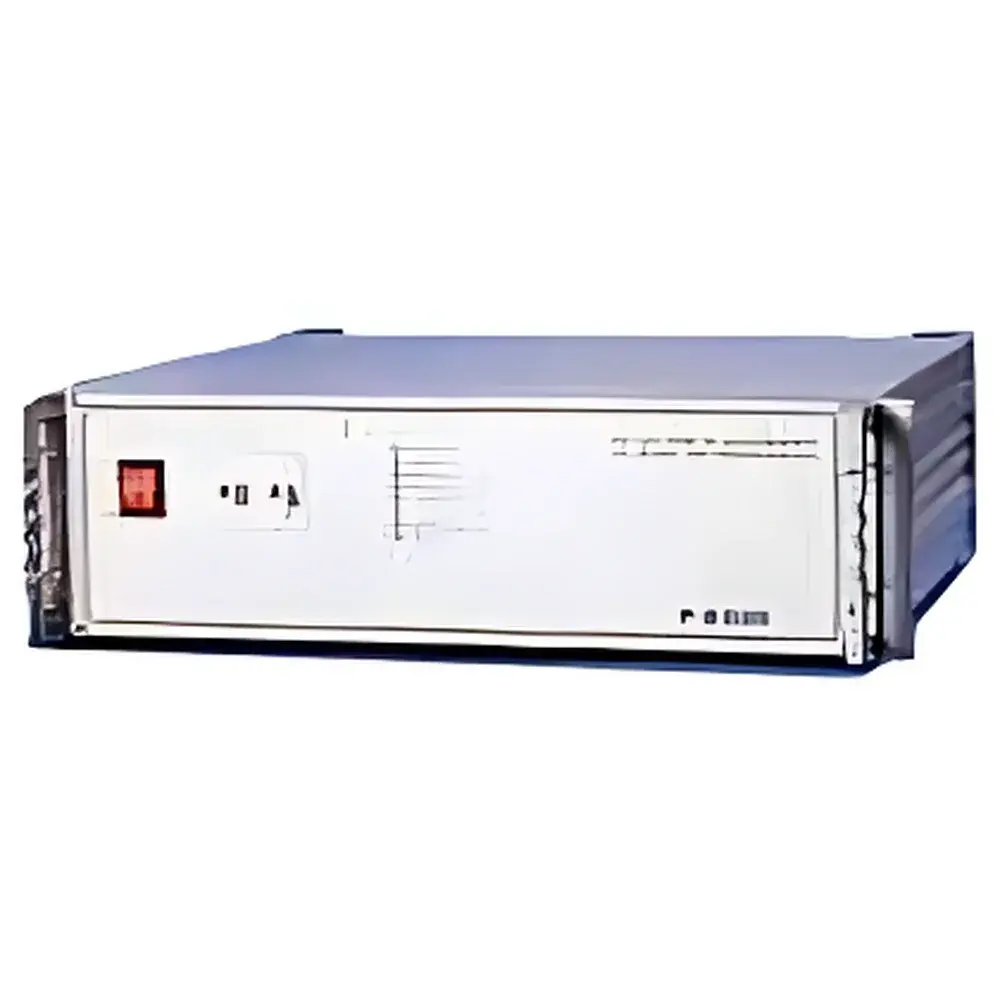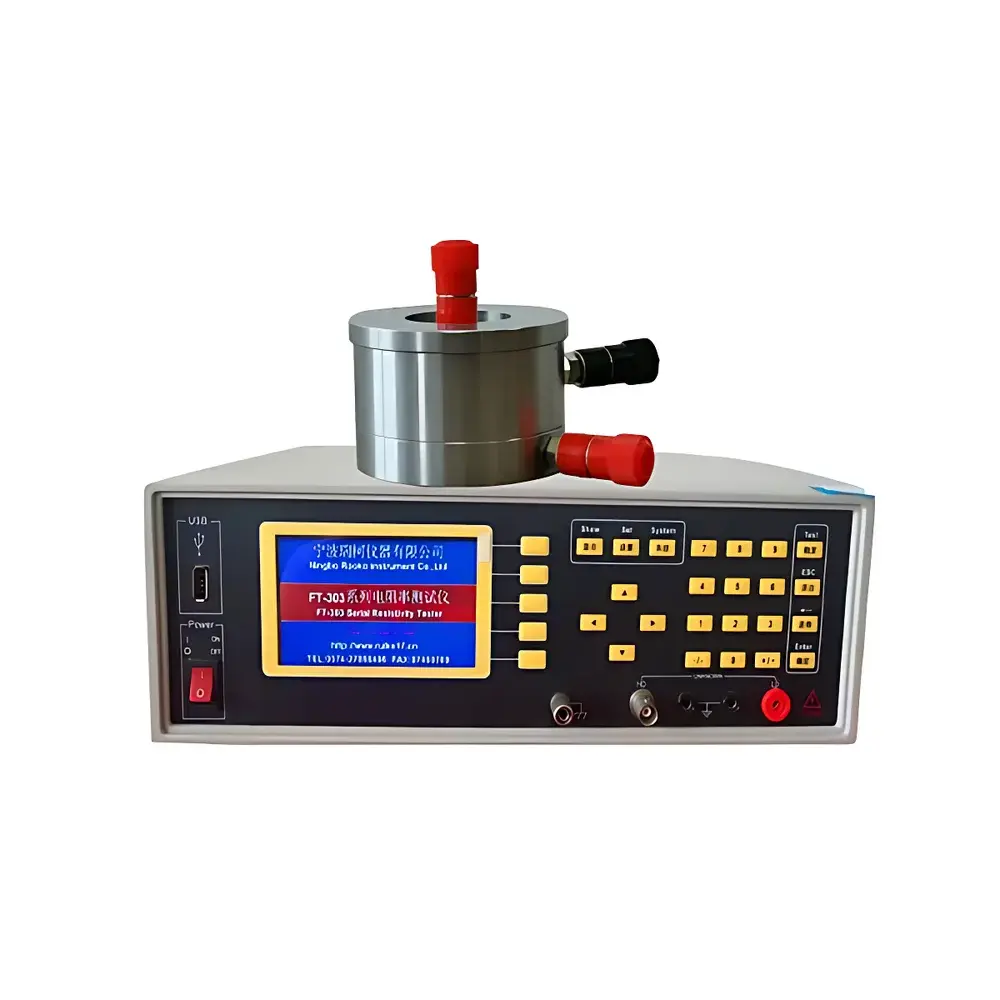
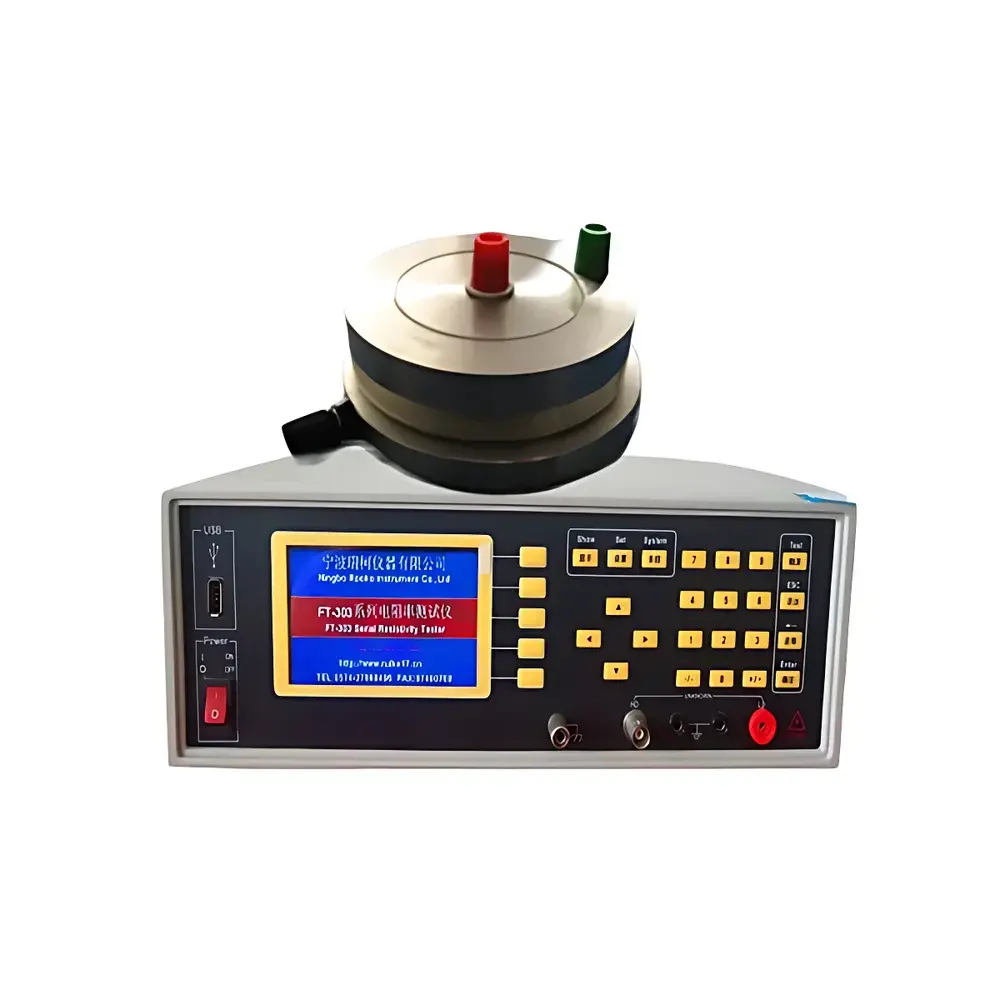
ROOKO FT-305 High-Resistance Surface and Volume Resistivity Tester
| Brand | ROOKO |
|---|---|
| Model | FT-305 |
| Origin | Zhejiang, China |
| Impedance Range | 10³–10¹⁷ Ω |
| Test Voltage | 0–1000 V (adjustable) |
| Accuracy | ±1% for <1 GΩ, ±20% for ≥10 TΩ |
| Power Consumption | 5 W |
| Interface | USB + RS-232 |
| Operation Modes | Local LCD/Keypad & PC Software Control |
| Compliance | Designed for ASTM D257, IEC 62631-3-1, GB/T 1410 |
Overview
The ROOKO FT-305 High-Resistance Surface and Volume Resistivity Tester is an engineered solution for precise DC resistivity characterization of insulating and semi-insulating materials. Based on the constant-voltage, guarded-electrode measurement principle per ASTM D257 and IEC 62631-3-1, the instrument delivers stable, low-noise current measurement across an ultra-wide resistance range—from 10³ Ω to 10¹⁷ Ω—enabling reliable quantification of both surface resistivity (ρs) and volume resistivity (ρv). Its design emphasizes electrostatic shielding, guarded input architecture, and high-impedance electrometer-grade circuitry to minimize leakage currents and environmental interference. The FT-305 is not a general-purpose multimeter; it is purpose-built for applications where insulation integrity, charge dissipation behavior, and dielectric stability are mission-critical—such as in aerospace polymer qualification, medical device packaging validation, and semiconductor cleanroom material screening.
Key Features
- Ultra-broad resistance measurement range: 10³ Ω to 10¹⁷ Ω, supporting both low-conductivity polymers and ultra-high-purity ceramics
- Programmable test voltage output from 0 V to 1000 V DC, with fine resolution (1 V steps) and built-in overvoltage protection
- Two-tier accuracy specification: ±1% for measurements below 1 GΩ and ±20% for values ≥10 TΩ—aligned with international standard tolerances for high-resistance metrology
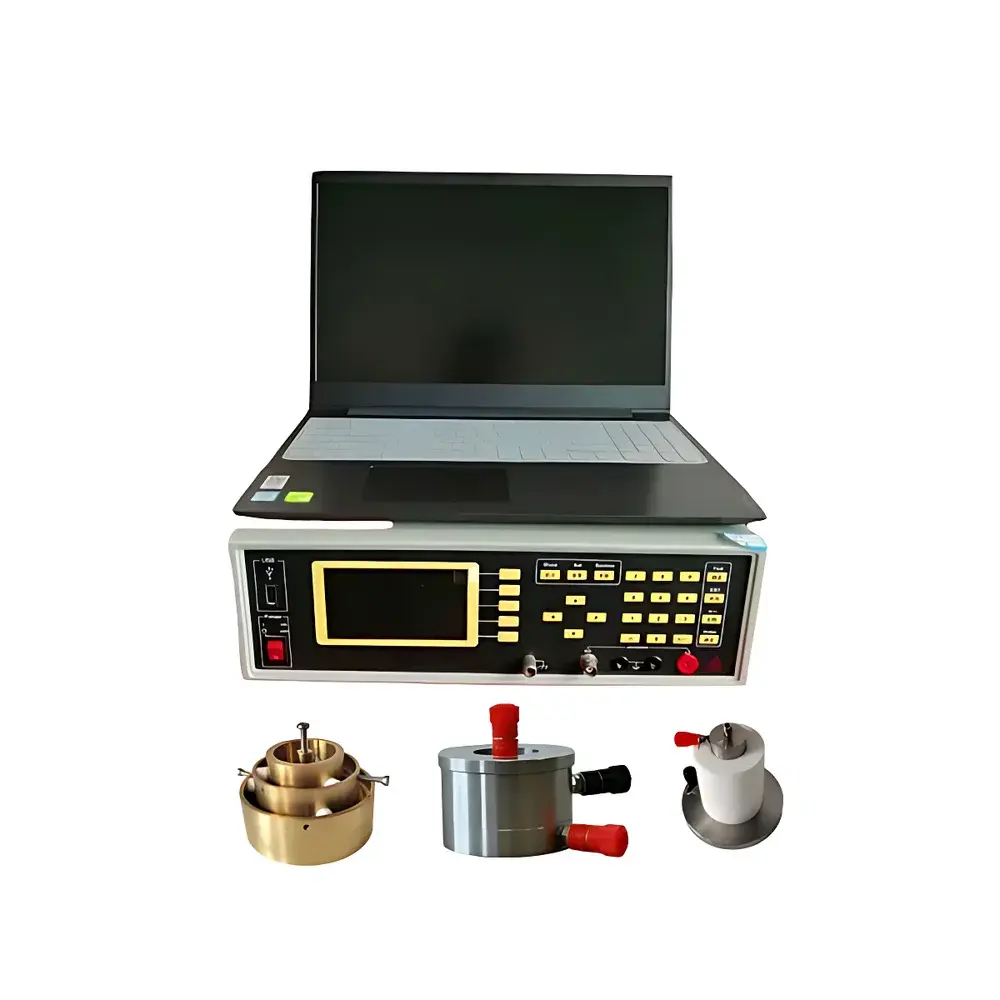
- Dual-mode operation: Standalone control via backlit LCD display and tactile keypad; full remote control and real-time data streaming via optional PC software
- Low-power architecture: Total system power draw ≤5 W—enabling continuous operation in temperature- and humidity-controlled labs without thermal drift concerns
- Standard digital interfaces: Native USB 2.0 and RS-232 ports for integration into automated test benches or LIMS environments
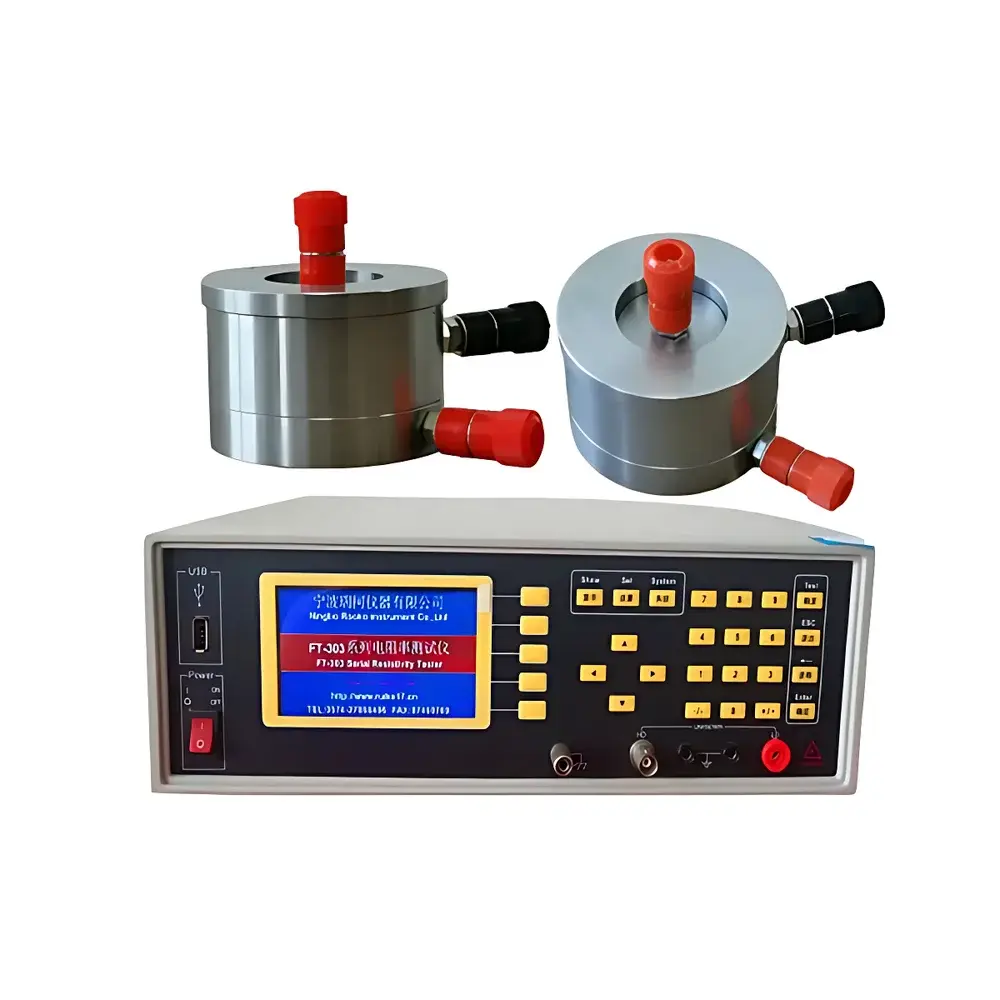
- Modular electrode support: Compatible with ASTM-compliant parallel-plate, concentric-ring, and three-terminal guarded electrodes (optional accessories)
Sample Compatibility & Compliance
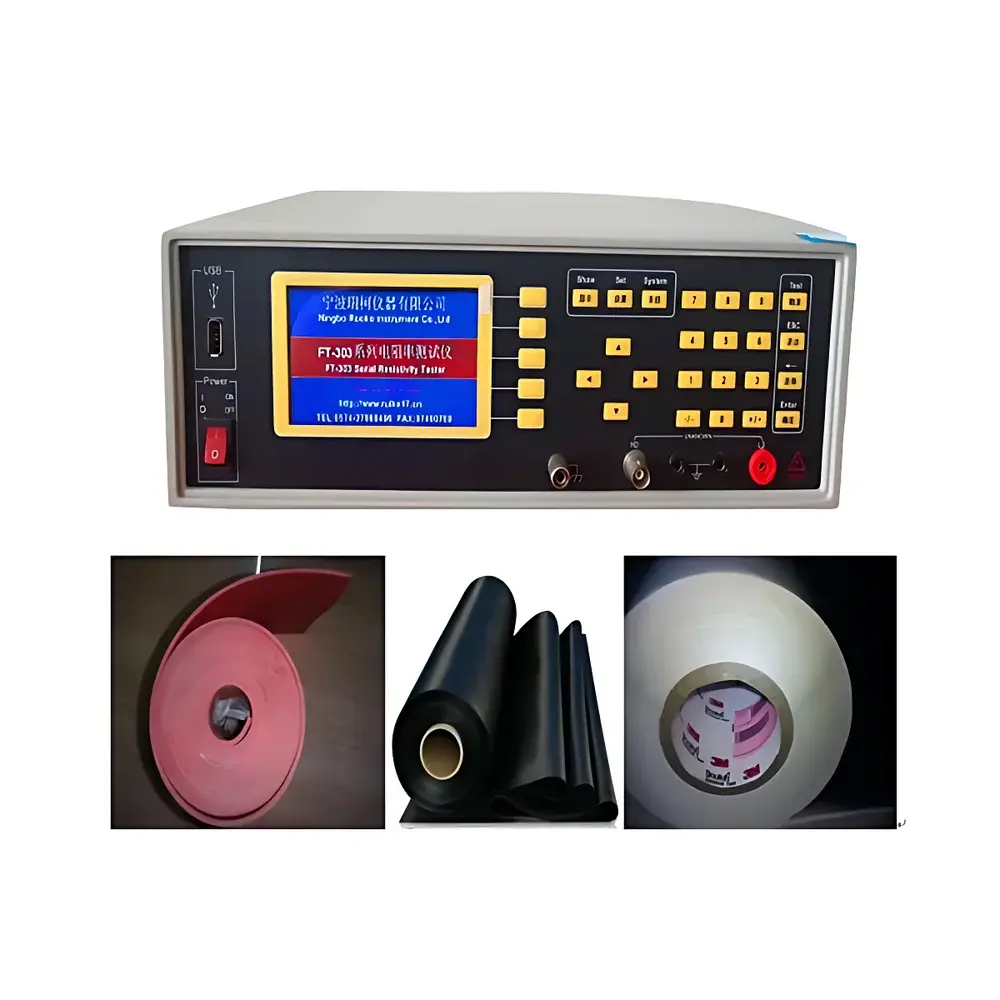
The FT-305 accommodates solid sheets, molded plaques, granular powders, viscous pastes, and low-conductivity liquids—provided appropriate sample holders and electrode configurations are selected. For solids, standard test geometries follow ASTM D257 Section 11 (surface resistivity) and Section 12 (volume resistivity). Powder measurements require compression cells with controlled pressure and humidity conditioning per IEC 62631-3-2. Liquid testing employs guarded immersion electrodes compliant with ISO 8503-3. All measurements adhere to the guard-ring methodology to eliminate edge leakage and ensure geometrically defined current paths. The instrument’s firmware and calibration traceability support GLP/GMP documentation requirements, including user-accessible calibration logs and timestamped measurement records.
Software & Data Management
The optional FT-305 PC software provides full instrument control, real-time graphing (I–V sweeps, time-resolved decay), and automated calculation of ρs and ρv using user-defined sample dimensions and electrode constants. Data export is supported in CSV, XLSX, and PDF formats—with embedded metadata (operator ID, date/time, test voltage, ambient RH/T). Audit trail functionality records all parameter changes and measurement initiations, satisfying FDA 21 CFR Part 11 readiness when deployed with system-level access controls and electronic signatures. Raw current readings are logged at configurable intervals (10 ms–10 s), enabling transient analysis for materials exhibiting dielectric absorption or charge trapping effects.
Applications
- Quality assurance of ESD-safe work surfaces, flooring, and packaging materials in electronics manufacturing
- Volume resistivity verification of polyimide films, silicone elastomers, and PTFE-based insulators for aerospace wiring harnesses
- R&D evaluation of antistatic additives in thermoplastics and conductive composites
- Compliance testing of medical device housings per ISO 10993-1 biocompatibility standards
- Characterization of battery separator films and solid-state electrolyte candidates
- Research on triboelectric nanogenerators (TENGs) and electret-based sensors requiring sub-picoampere current resolution
FAQ
What standards does the FT-305 comply with for resistivity testing?
ASTM D257, IEC 62631-3-1, GB/T 1410, and ISO 8503-3—covering surface/volume resistivity, liquid conductivity, and guarded-electrode methodology.
Can the FT-305 measure time-dependent resistivity (e.g., dielectric absorption)?
Yes—via time-stamped current logging in PC software mode, supporting up to 10,000-point sequences with user-defined dwell times.
Is external calibration required, and how often?
Annual calibration against NIST-traceable high-value resistors (10⁹–10¹⁴ Ω) is recommended; internal self-test routines verify electrometer offset and gain stability before each session.
Does the instrument support automated pass/fail judgment based on user thresholds?
Yes—the PC software allows configurable upper/lower limits per test point, with visual alerts and exportable compliance reports.
Are sample electrodes included, or must they be purchased separately?
A basic parallel-plate electrode set is included; specialized fixtures—including powder compression cells, liquid immersion probes, and concentric-ring surface electrodes—are available as optional accessories.