
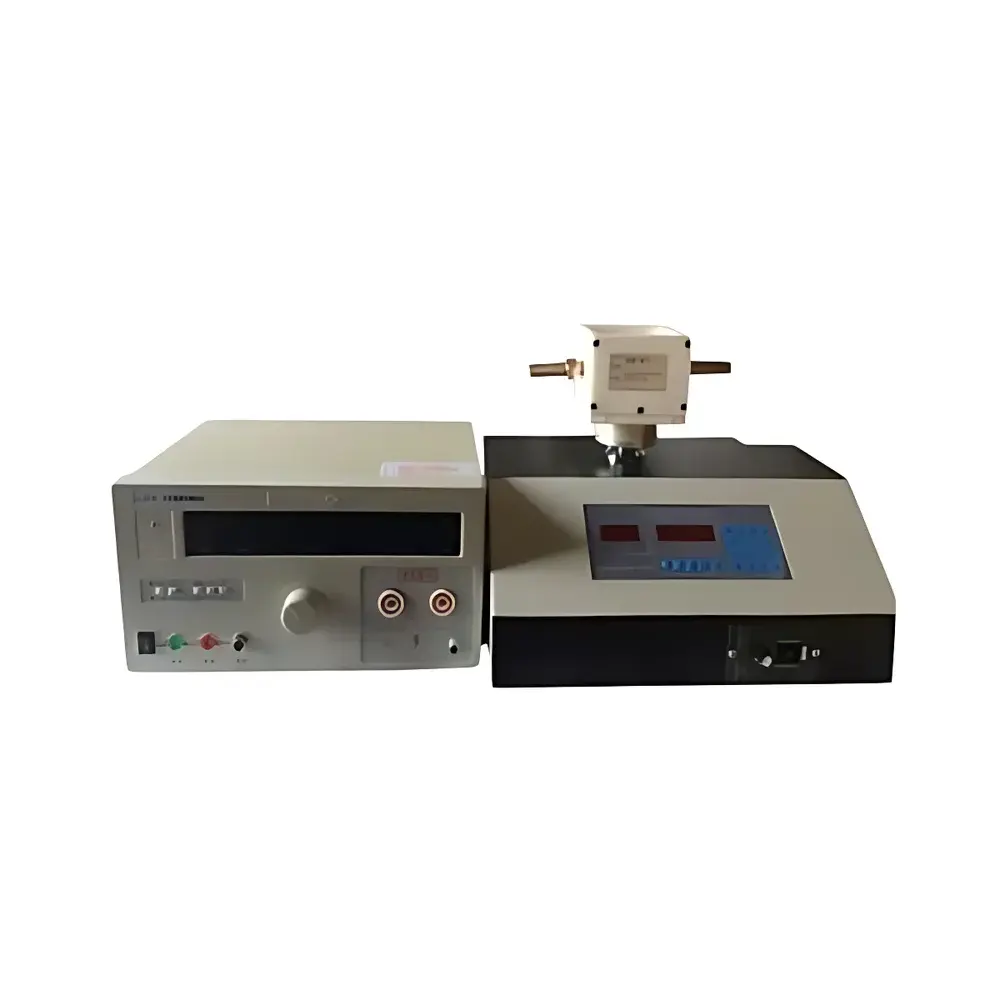
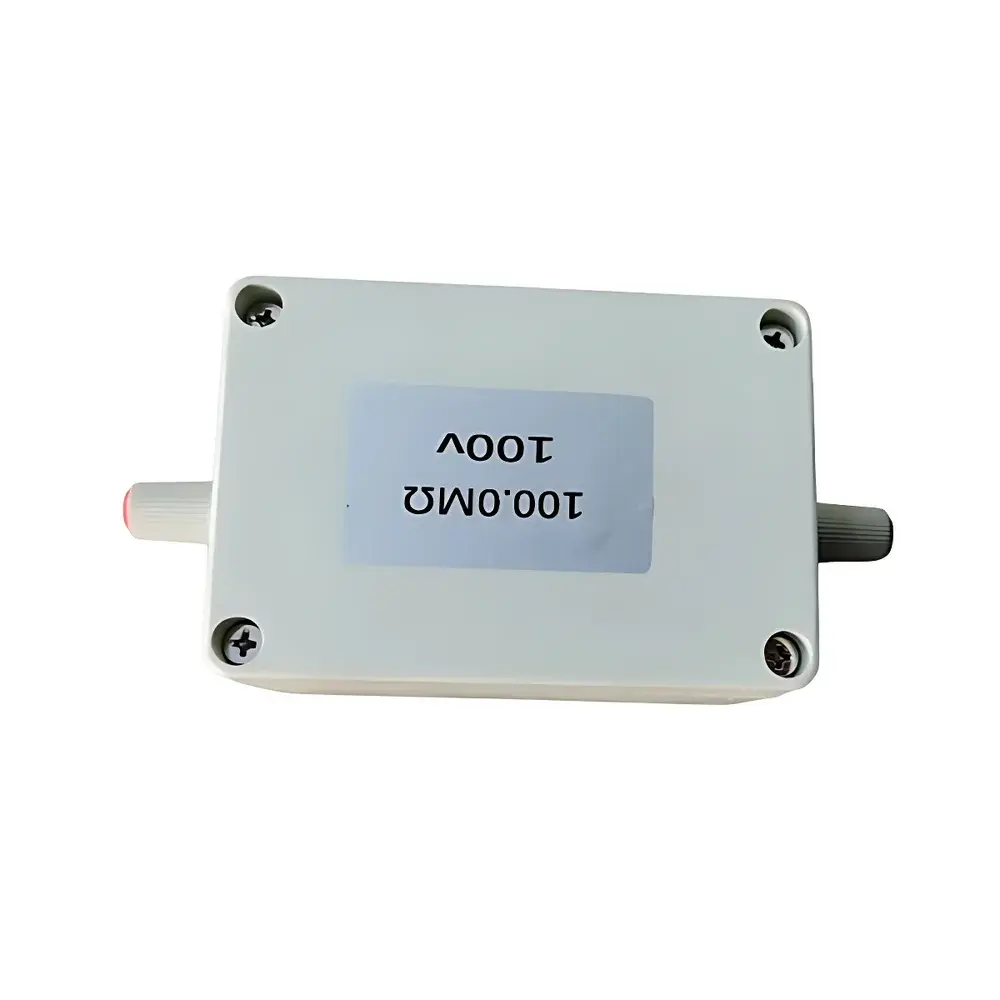
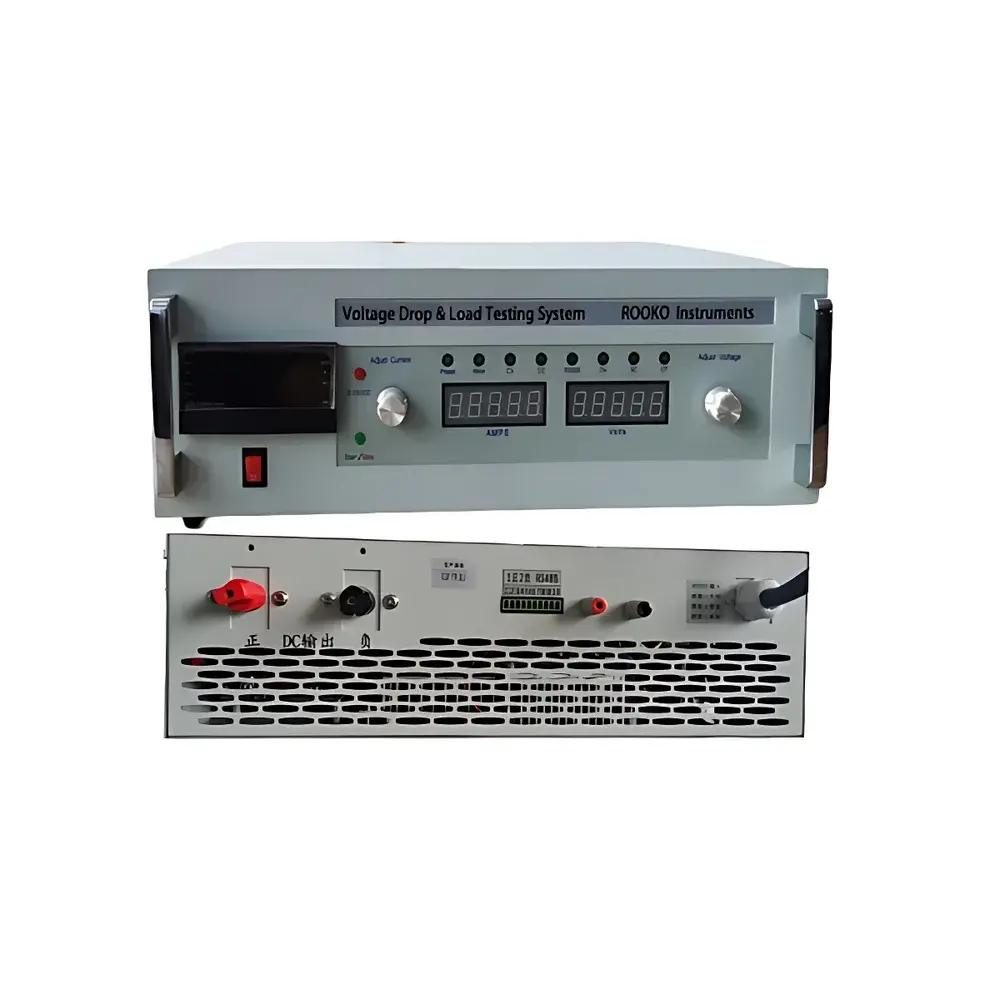
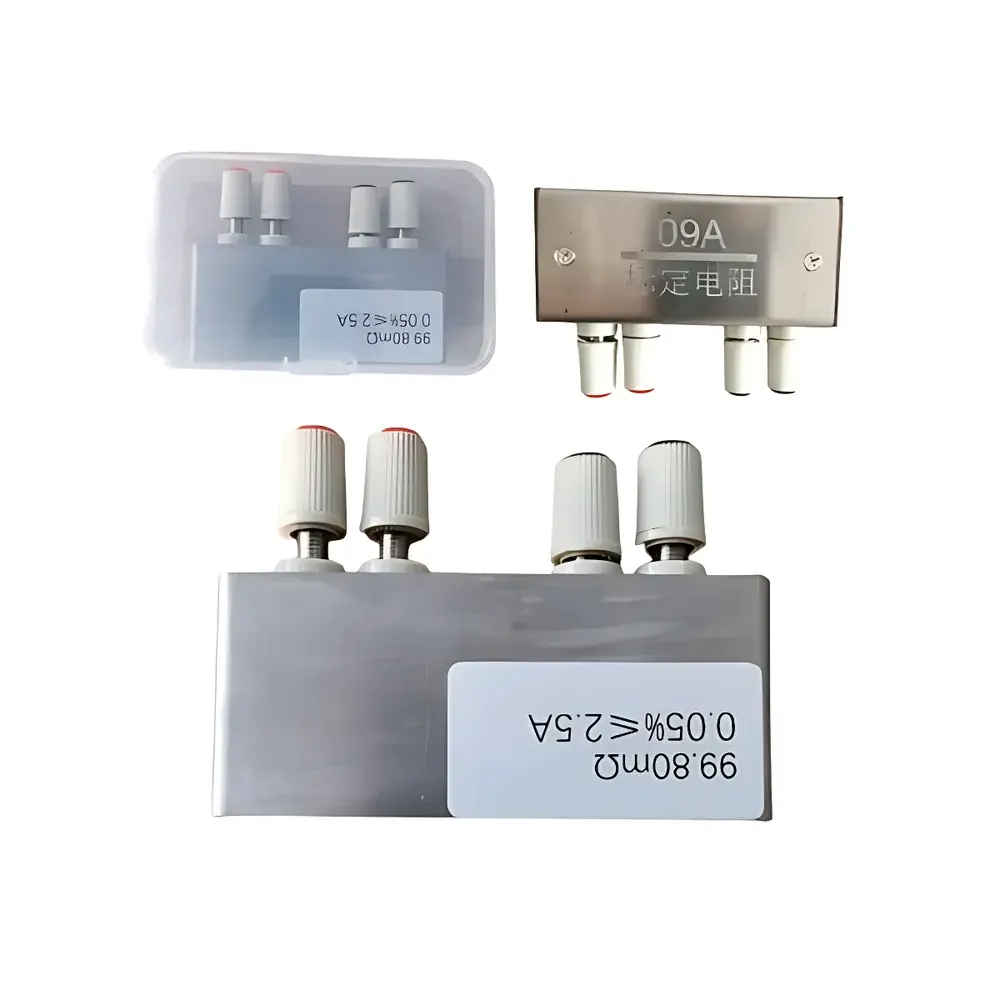
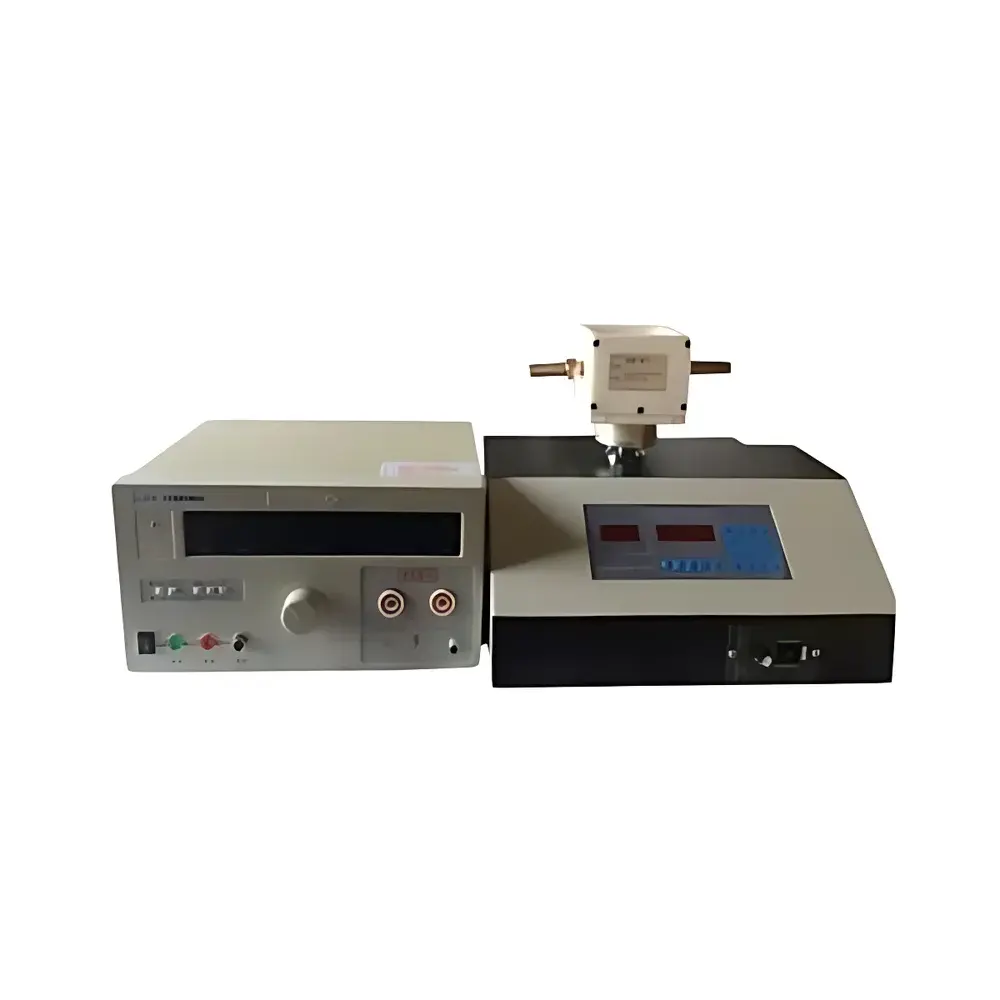
ROOKO FT-401 Dry Powder Fire Extinguishing Agent Electrical Insulation Tester
| Brand | ROOKO |
|---|---|
| Origin | Zhejiang, China |
| Manufacturer Type | Authorized Distributor |
| Country of Origin | Domestic (China) |
| Model | FT-401 |
| Pricing | Upon Request |
Overview
The ROOKO FT-401 Dry Powder Fire Extinguishing Agent Electrical Insulation Tester is a purpose-built instrument engineered for quantitative assessment of dielectric integrity in dry chemical fire suppressants—specifically compliant with the electrical insulation performance requirements defined in GB 4066–2017, Clause 6.10. It operates on the principle of controlled high-voltage DC or AC withstand testing under standardized electrode geometry and powder compaction conditions. The system integrates three functional modules: a precision adjustable electrode test cell, a digitally regulated high-voltage source (0–10 kV), and a mechanically synchronized drop-compaction station. This architecture ensures reproducible measurement of breakdown voltage, leakage current, and insulation resistance under conditions that simulate real-world deployment environments where dry powder agents may contact energized equipment during emergency discharge.
Key Features
- Modular test cell design featuring two parallel, polished brass disc electrodes (Ø25 mm, ≥3 mm thick, square-edged) with precisely adjustable gap distance (2.50 ± 0.01 mm) and minimum clearance (≥13 mm from cup wall, ≥32 mm from cup top).
- Test cup fabricated from non-hygroscopic, high-dielectric-strength polymer material to eliminate moisture absorption and surface conduction artifacts.
- Digital high-voltage generator with 0–10 kV output range and 0–20 mA current capacity, equipped with real-time digital display and over-current protection circuitry.
- Drop compaction station calibrated to deliver 500 controlled impacts at 30 mm height, 0–1.667 Hz frequency range, and ≥9.3 m/s² downward acceleration—ensuring consistent powder densification prior to insulation testing per GB 4066–2017 protocol.
- Full mechanical disassembly capability: electrodes and cup are removable, cleanable, and re-polishable to maintain surface finish integrity across repeated use cycles.
- Compliant with laboratory safety standards for Class II electrical equipment handling; includes insulated housing, interlocked access panels, and emergency stop functionality.
Sample Compatibility & Compliance
The FT-401 accommodates standard dry powder formulations including ABC-type (ammonium phosphate), BC-type (sodium bicarbonate), and D-class metal fire suppressants. Sample mass is defined by GB 4066–2017 as 100 g ± 0.5 g, introduced into the test cup after mechanical densification via the integrated drop tester. The instrument satisfies the physical configuration and procedural requirements of GB 4066–2017 Section 6.10, and supports traceable verification against national metrological standards. Optional calibration services include NIST-traceable voltage and current certification, and third-party verification reports aligned with ISO/IEC 17025–2017 accreditation criteria.
Software & Data Management
While the FT-401 operates as a hardware-integrated benchtop system without embedded firmware or touchscreen interface, it is fully compatible with external data acquisition systems via analog voltage/current output signals (0–5 V or 4–20 mA). Users may integrate the instrument into LIMS or ELN platforms using standard DAQ hardware and custom scripting (e.g., Python + NI-DAQmx or LabVIEW). All test records—including applied voltage, measured leakage current, time-to-breakdown, and compaction cycle count—are manually logged in accordance with GLP documentation practices. Optional technical service packages include certified calibration certificates, uncertainty budgets, and audit-ready test report templates compliant with ISO 17025 and internal QA/QC procedures.
Applications
- Quality control testing of dry powder fire extinguishing agents during batch release in manufacturing facilities.
- Validation of insulation stability following thermal aging, humidity exposure, or long-term storage per IEC 60243-1 and ASTM D149.
- Comparative evaluation of electrostatic charge dissipation behavior between different base powder chemistries (e.g., ammonium polyphosphate vs. potassium bicarbonate).
- Supporting R&D efforts in formulation optimization for enhanced dielectric performance in high-voltage industrial settings (e.g., data centers, switchgear rooms, wind turbine nacelles).
- Regulatory submission support for CCC (China Compulsory Certification) and firefighting equipment type approval processes requiring GB 4066–2017 compliance evidence.
FAQ
What is the maximum allowable test voltage for the FT-401?
The system is rated for continuous operation up to 10 kV DC or AC RMS, with built-in current limiting and arc detection to prevent damage during breakdown events.
Does the FT-401 meet international standards beyond GB 4066–2017?
While designed primarily to satisfy Chinese national standard GB 4066–2017, its electrode geometry, voltage range, and compaction methodology are functionally aligned with IEC 60243-1 (dielectric strength of solid insulating materials) and ASTM D149 (dielectric breakdown voltage of solid electrical insulating materials at commercial power frequencies).
Can the instrument be used for non-fire-extinguishing powders?
Yes—the core test cell and high-voltage module are applicable to any free-flowing, non-conductive particulate material requiring dielectric characterization, provided sample preparation follows equivalent standardized protocols.
Is metrological traceability available for calibration?
Yes. ROOKO offers optional calibration services performed by CNAS-accredited laboratories, delivering full uncertainty analysis and traceability to national primary standards.
What maintenance is required for long-term reliability?
Routine maintenance includes periodic electrode polishing, cup cleaning with anhydrous ethanol, verification of gap distance using certified gauge blocks, and annual verification of high-voltage output accuracy using a calibrated HV probe.






