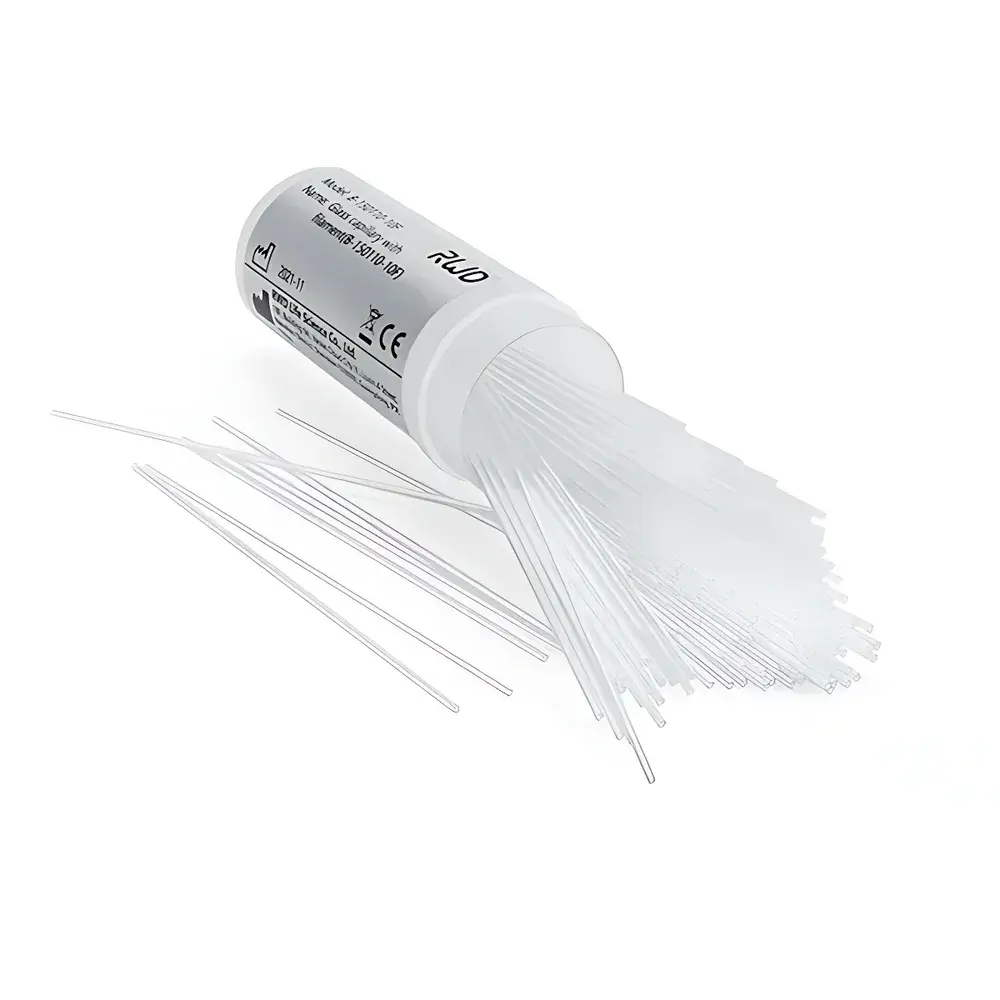
RWD MP-500 Horizontal Programmable Micropipette Puller
| Brand | RWD |
|---|---|
| Origin | Guangdong, China |
| Manufacturer Type | Direct Manufacturer |
| Region Category | Domestic (China) |
| Model | MP-500 |
| Pricing | Upon Request |
Overview
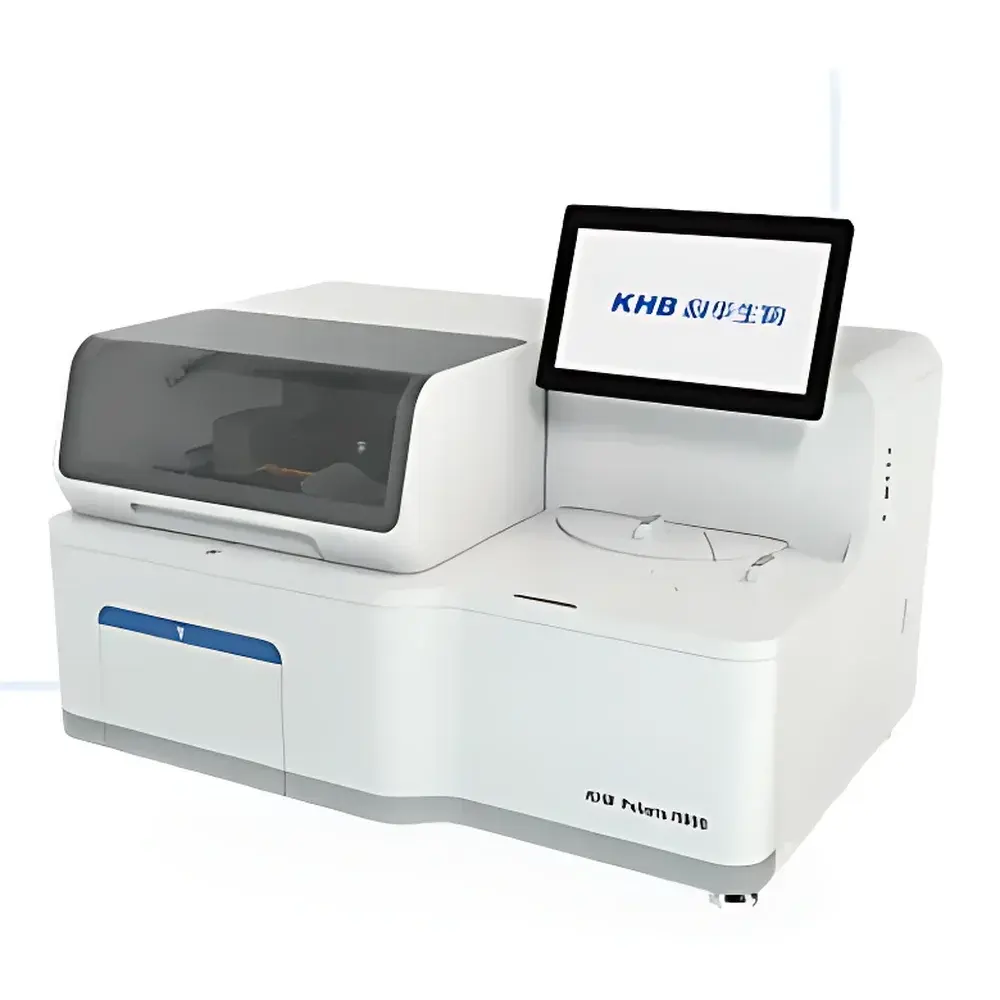
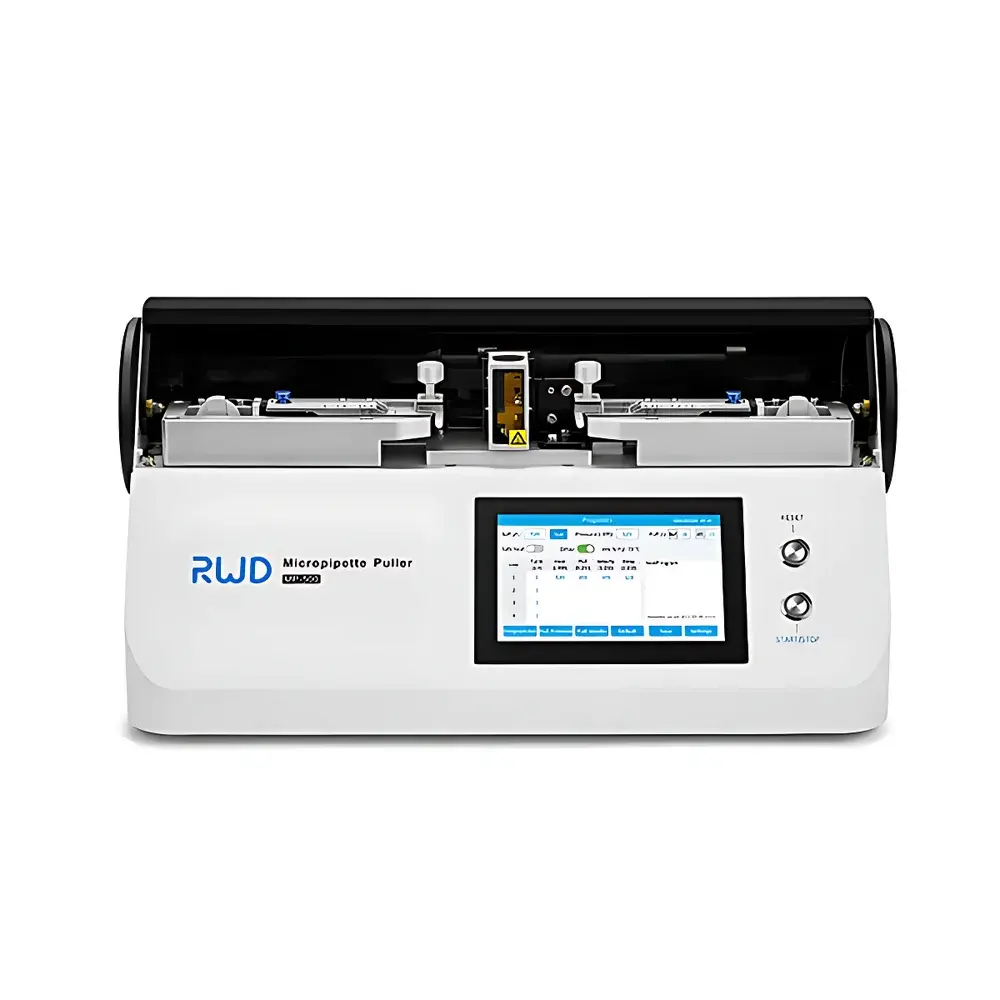
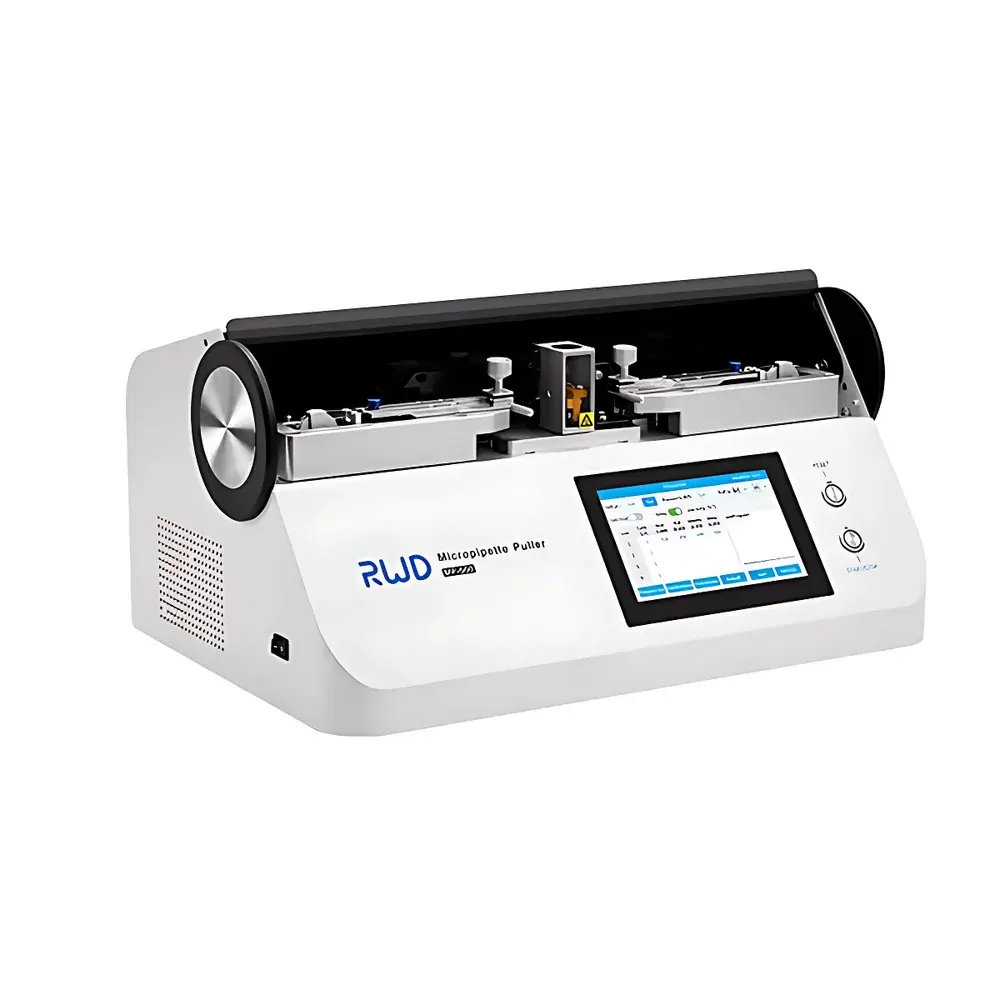
The RWD MP-500 Horizontal Programmable Micropipette Puller is an engineered solution for the precise, reproducible fabrication of glass micropipettes used in electrophysiological and microinjection applications—particularly patch-clamp recording, intracellular recording, single-cell injection, and iontophoresis. It operates on the horizontal two-stage pull principle, utilizing resistive heating of a calibrated alloy filament to soften borosilicate or quartz capillary tubing (typically 1.0–1.5 mm OD), followed by controlled mechanical tension to draw symmetric, tapered tips with sub-micron apertures. Unlike vertical pullers, the MP-500’s horizontal configuration minimizes gravitational distortion during the pulling process, enabling superior tip symmetry and axial alignment—critical for high-resistance seal formation in whole-cell and cell-attached patch configurations. Its architecture integrates thermal, mechanical, and environmental control subsystems into a compact benchtop platform designed for routine use in neuroscience, pharmacology, and developmental biology laboratories.
Key Features
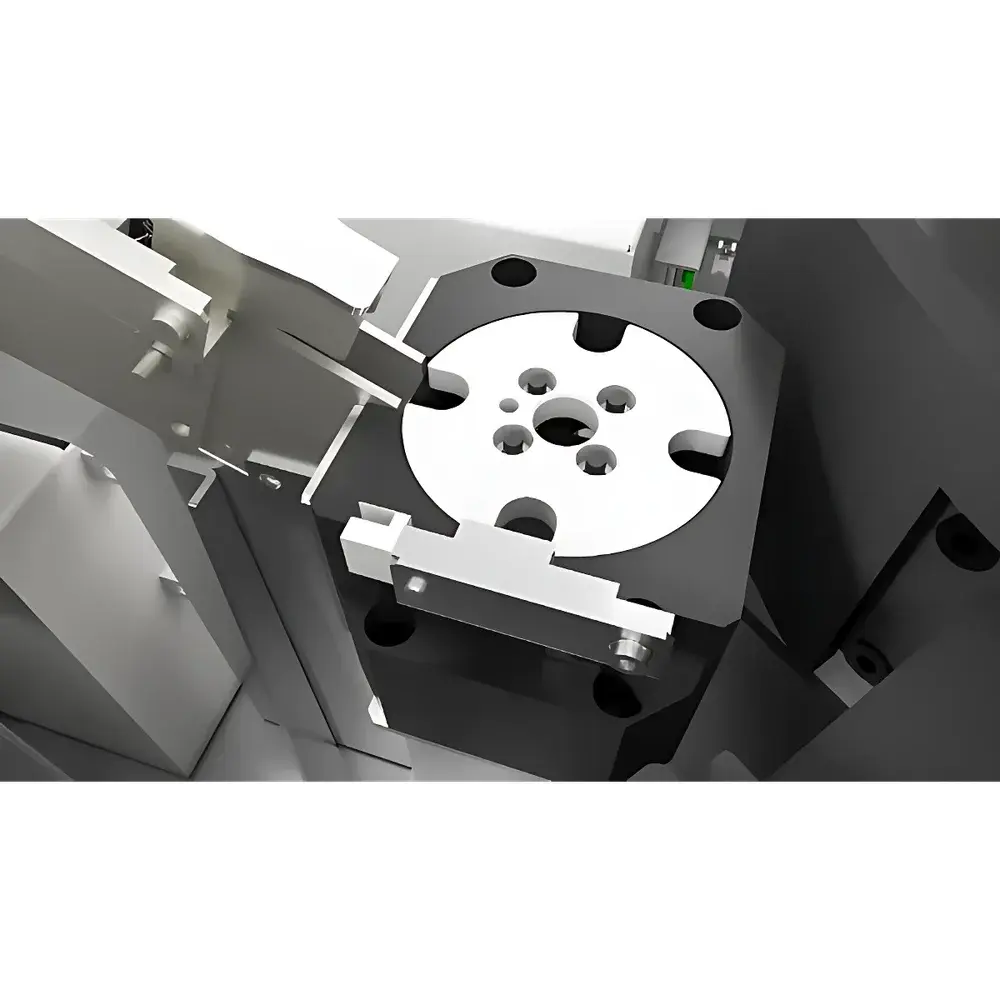
- Patented alloy heater fixture with standardized slot-based mounting—enables rapid, tool-free exchange of heater elements across different capillary diameters and material types (e.g., BF150-86-10, GC150TF-10, QF100-78-15).
- 1024 × 600 px full-color capacitive touchscreen interface supporting bilingual (English/Chinese) operation—provides real-time visualization of temperature ramp profiles, pull force curves, and stage displacement feedback.
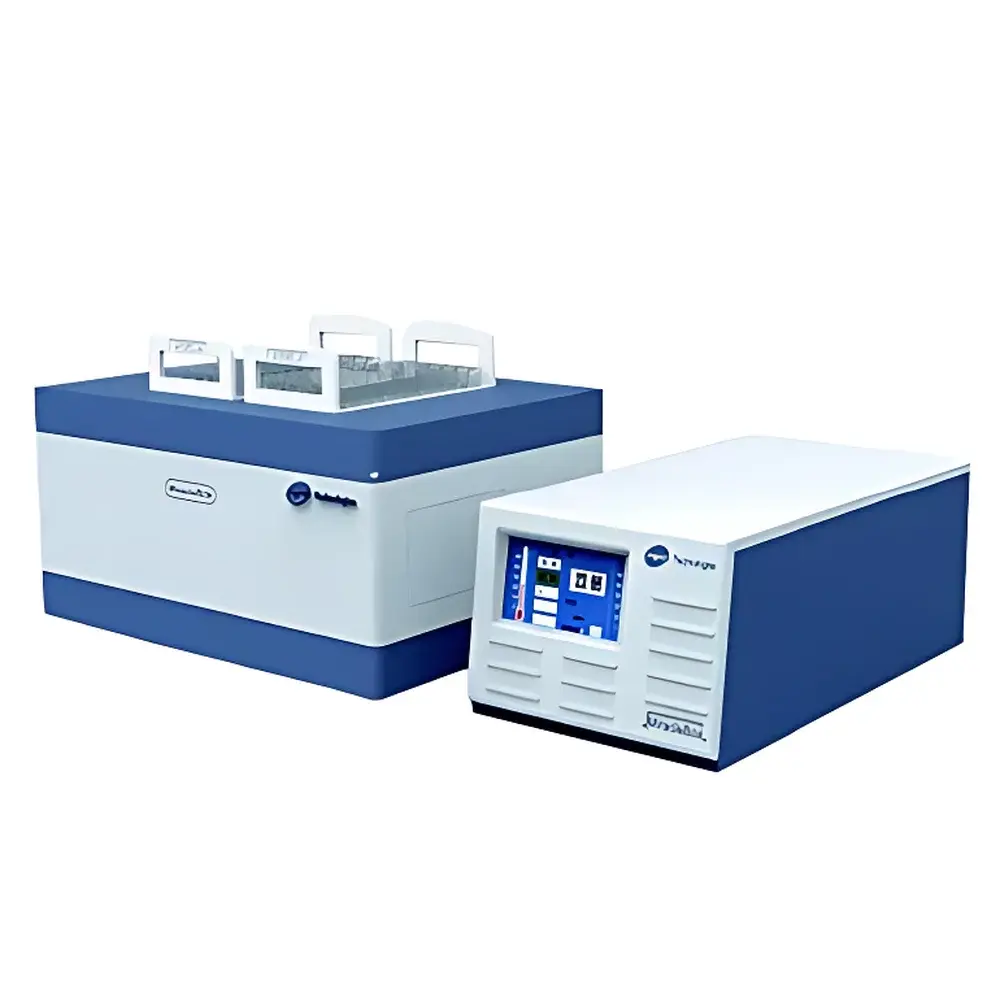
- Integrated plug-and-play humidity control chamber—removable via front-access bayonet mount; maintains dew point below 5 °C during operation to prevent condensation on heater filaments and capillary surfaces, ensuring consistent glass transition behavior.
- Dual-symmetric tip generation: each pull yields two identical, co-axially aligned pipettes with tip diameters down to <0.1 µm, taper lengths adjustable between 3–15 mm, and resistance ranges spanning 1–100 MΩ (measured at 1 kHz in 3 M KCl).
- 99 programmable pull protocols stored locally—each configurable with independent parameters for preheat duration, peak temperature (°C), ramp rate (°C/s), pull speed (mm/s), delay time, and post-pull hold.
- Comprehensive self-diagnostic suite: validates heater continuity, thermocouple calibration, clamp actuation response, motor encoder feedback, and humidity sensor output prior to each pull cycle.
- Preheat stabilization mode: maintains heater at user-defined standby temperature (±0.5 °C) between pulls to minimize thermal drift and inter-run variability.
- Fail-safe thermal regulation: dynamic PID control with overtemperature cutoff (max 1200 °C) and automatic power throttling if thermal runaway is detected.
- Roll-top front cover mechanism—reduces mechanical strain on hinge assemblies and simplifies capillary loading/unloading without requiring tool assistance.
- Copy-paste functionality for protocol editing—supports incremental parameter tuning while preserving baseline reference templates.
- Program lockout feature: prevents accidental modification or execution of critical protocols during shared-lab operation.
Sample Compatibility & Compliance
The MP-500 accommodates standard borosilicate (e.g., Sutter BF150-86-10, Harvard Apparatus GC150TF-10) and fused quartz (e.g., Sutter QF100-78-15) capillaries with outer diameters from 1.0 to 1.5 mm and wall thicknesses between 0.15 and 0.20 mm. It supports both single-barrel and double-barrel configurations for differential filling applications. All firmware and hardware design comply with IEC 61010-1:2010 safety standards for laboratory electrical equipment. While not FDA-cleared as a medical device, its operational consistency meets GLP-aligned documentation requirements—including timestamped protocol logs, thermal history traces, and diagnostic event records—supporting audit readiness in regulated preclinical research environments.
Software & Data Management
The MP-500 operates autonomously without PC dependency but includes optional USB-C connectivity for firmware updates and log export (CSV format). Internal storage retains full pull metadata—including date/time stamp, protocol ID, heater temperature profile, actual pull force curve, and diagnostic status—for traceability across experimental sessions. Exported logs are compatible with MATLAB, Python (pandas), and LabChart for statistical analysis of tip geometry repeatability (CV < 3.2% for resistance across n=50 consecutive pulls under controlled ambient conditions). No proprietary software installation is required; configuration remains fully accessible via onboard interface.
Applications
- Patch-clamp electrophysiology: fabrication of high-resistance (>5 GΩ) recording pipettes for single-channel and whole-cell configurations.
- Intracellular microinjection: production of low-resistance (<5 MΩ), long-taper pipettes for cytoplasmic or nuclear delivery of dyes, mRNA, CRISPR ribonucleoproteins, or morpholinos.
- Sharp electrode recording: generation of fine-tipped, rigid electrodes for in vivo or ex vivo neuronal impalement.
- Microfluidic probe integration: custom tapering for hybrid devices combining glass micropipettes with PDMS microchannels.
- Calibration standard preparation: reproducible fabrication of reference pipettes for capacitance compensation and series resistance correction validation.
FAQ
What capillary types are compatible with the MP-500?
Standard borosilicate (1.0–1.5 mm OD) and fused quartz capillaries—both single- and double-barrel—are supported. Custom geometries require verification of thermal expansion coefficient compatibility with the heater alloy.
Does the MP-500 support automated tip polishing or bevelling?
No. The MP-500 is a dedicated puller; post-pull processing (e.g., heat-polishing, bevelling) requires separate instrumentation such as a microforge or laser beveler.
Can pull protocols be transferred between MP-500 units?
Yes—protocols can be exported via USB and imported onto other MP-500 systems, ensuring method harmonization across multi-instrument labs.
Is remote monitoring or network integration available?
Not natively. The device lacks Ethernet/WiFi interfaces; however, third-party serial-to-IP gateways may enable limited telemetry when paired with custom middleware.
What maintenance is required for long-term stability?
Quarterly inspection of heater filament integrity, annual recalibration of thermocouple offset, and biannual cleaning of humidity chamber seals using isopropanol-dampened lint-free wipes.