
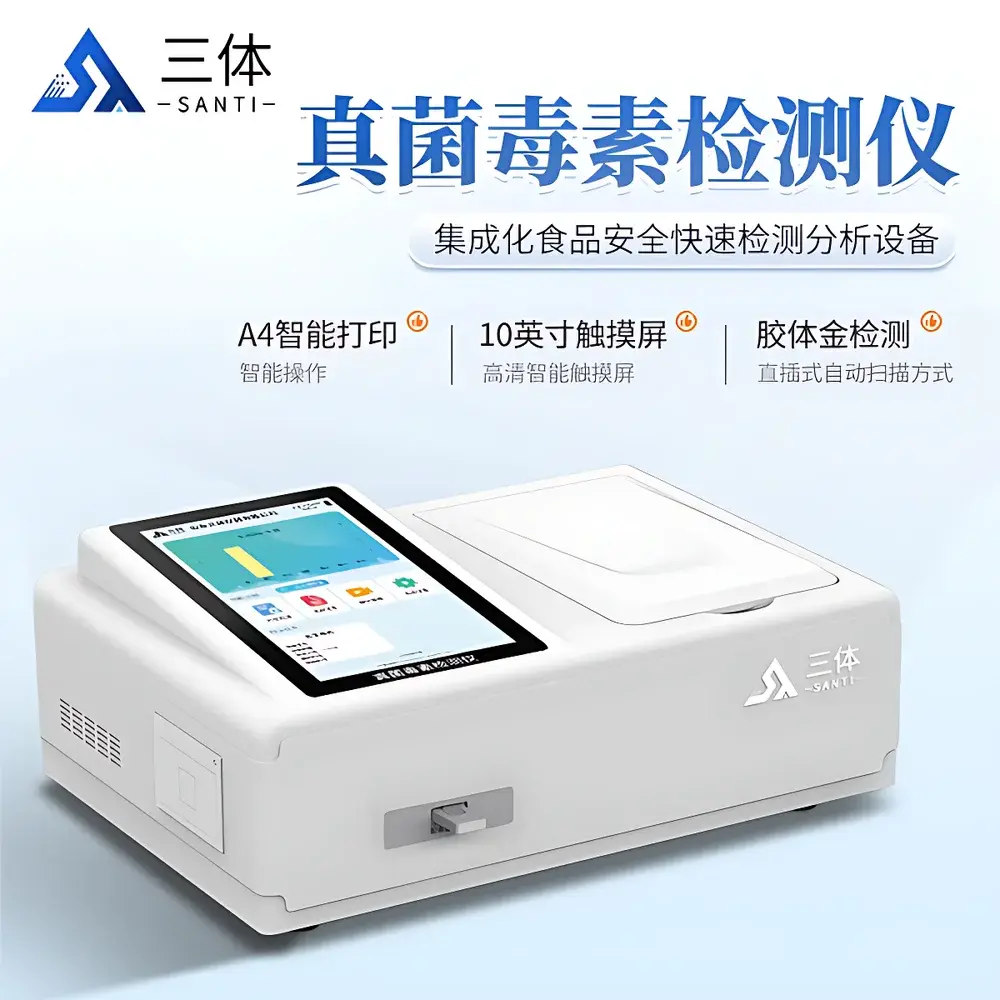
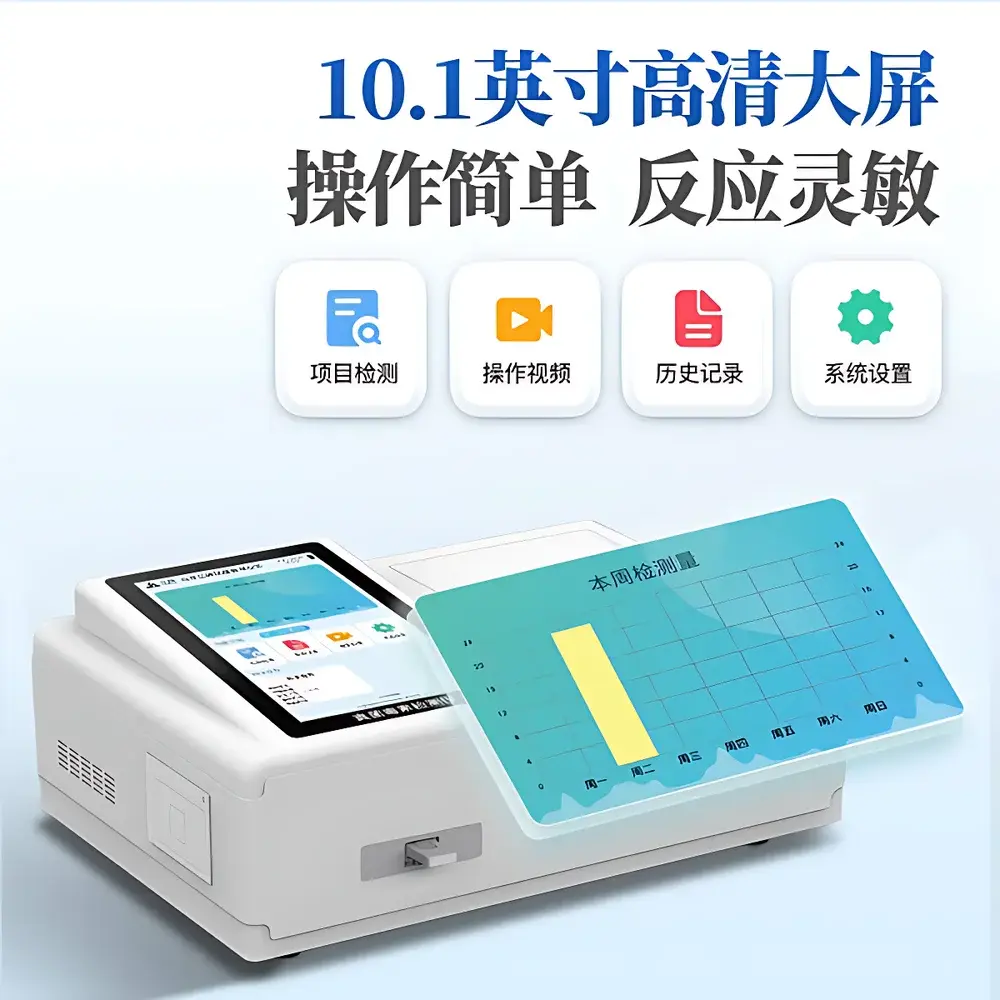
Santiyiqi ST-L01T Mycotoxin Rapid Detection Analyzer
| Brand | Santiyiqi |
|---|---|
| Origin | Shandong, China |
| Manufacturer Type | Direct Manufacturer |
| Regional Classification | Domestic (China) |
| Model | ST-L01T |
| Price | USD 1,390 (approx. based on ¥9,800 at 1 USD = ¥7.1) |
Overview
The Santiyiqi ST-L01T Mycotoxin Rapid Detection Analyzer is a portable, benchtop immunoassay platform engineered for quantitative and qualitative screening of mycotoxins—including aflatoxin B1, ochratoxin A, zearalenone, deoxynivalenol (DON), fumonisins, and T-2 toxin—in food and feed matrices. It employs lateral flow immunoassay (LFIA) technology with integrated colloidal gold strip scanning and digital image analysis to deliver objective, operator-independent results within 8–12 minutes per test. Designed for field-deployable and laboratory-peripheral use, the system complies with foundational principles outlined in ISO 15234-2:2021 (immunoassay validation) and supports method verification aligned with AOAC Official Method of Analysis (OMA) guidelines for rapid mycotoxin assays. Its architecture enables decentralized testing without reliance on centralized ELISA or LC-MS/MS infrastructure—making it suitable for grain elevators, dairy cooperatives, feed mills, border inspection posts, and municipal food safety surveillance units.
Key Features
- 10.1-inch capacitive touchscreen running Android OS with ARM Cortex-A7 RK3288 quad-core processor (1.88 GHz) for responsive multi-tasking and real-time image processing
- Dual-power operation: AC adapter (100–240 V, 50/60 Hz) and built-in 6 Ah rechargeable lithium battery enabling >6 hours continuous operation—compatible with 12 V vehicle power systems
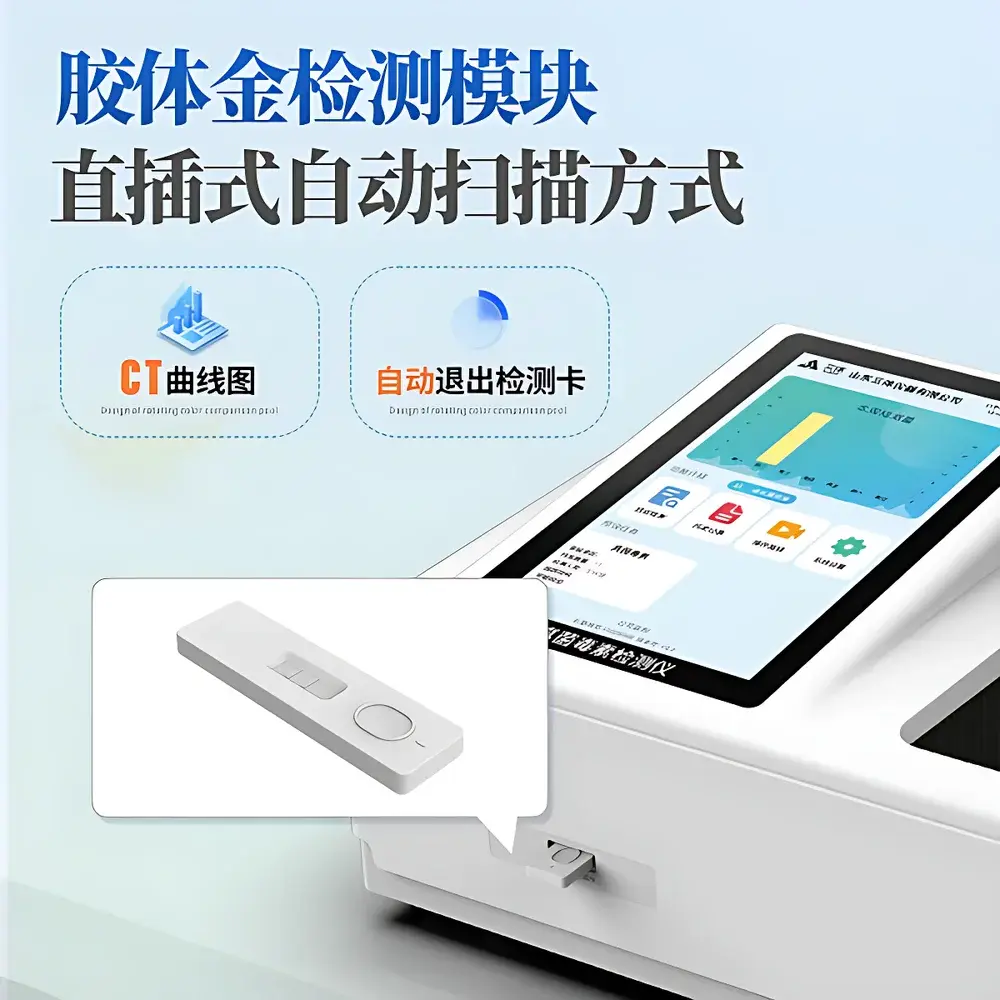
- Integrated colloidal gold detection module with auto-insertion scanning mechanism; captures high-resolution strip images and generates C/T line intensity curves with automatic threshold recognition
- Configurable decision thresholds and calibration reference values stored in non-volatile memory—retained after power loss
- Full compatibility with third-party colloidal gold test strips meeting standard LFIA dimensions (e.g., 4.0 mm × 80 mm), eliminating proprietary consumable lock-in
- Real-time image adjustment suite (contrast, brightness, rotation, ROI cropping) to optimize signal-to-noise ratio for low-intensity bands
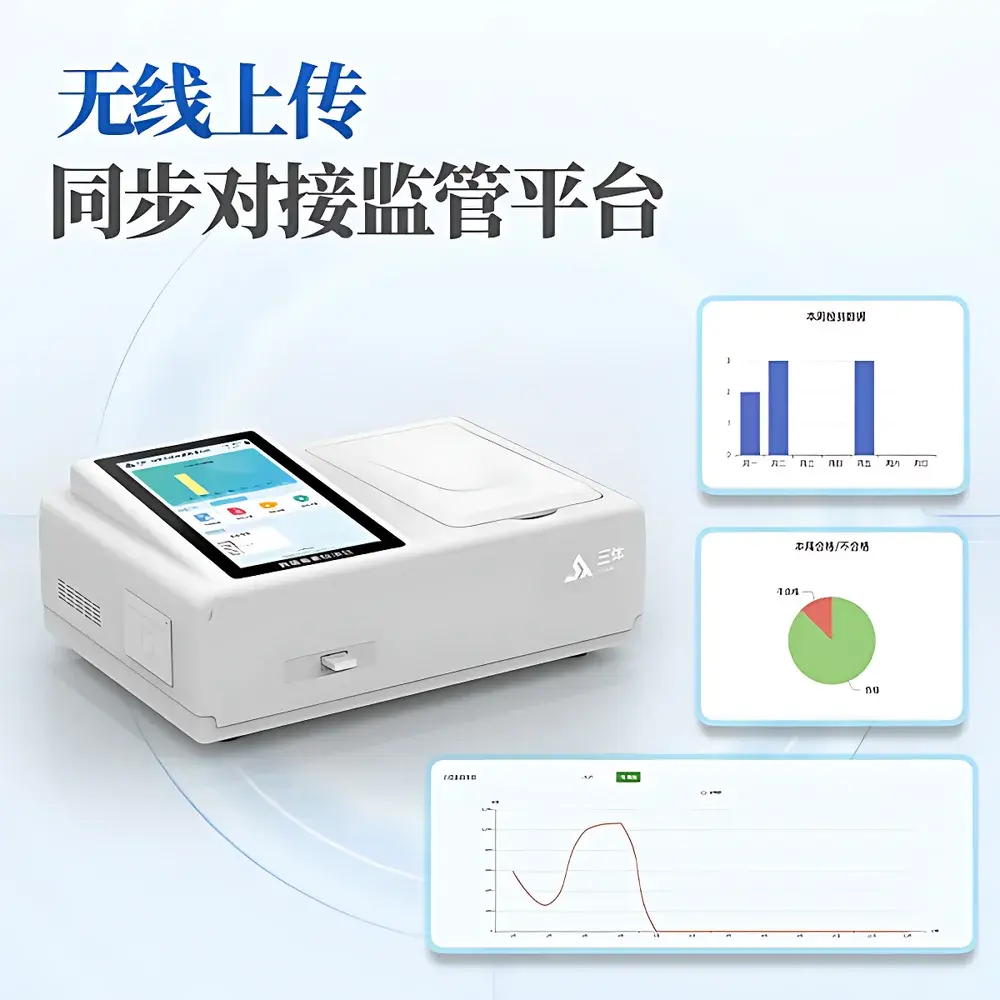
- On-device data aggregation dashboard: weekly/monthly statistics, pass/fail tallies, and dynamic bar charts—no external PC required for trend monitoring
Sample Compatibility & Compliance
The ST-L01T accepts prepared extracts from cereals (corn, wheat, barley), oilseeds (peanuts, soybeans), spices, dried fruits, and animal feed. Sample preparation follows standardized extraction protocols (e.g., AOAC 2005.08, EN 14123-1:2012) prior to application on test strips. While the instrument itself does not perform extraction, its detection logic adheres to performance criteria defined in Commission Regulation (EU) No 401/2006 and FDA Guidance for Industry: Analytical Methods for Mycotoxins in Food (2022). Data output meets GLP documentation requirements: each result includes timestamp, operator ID, sample ID, assay lot number, and environmental temperature/humidity metadata (when logged manually). Audit trail functionality supports 21 CFR Part 11-compliant workflows when deployed with role-based user accounts and electronic signature modules.
Software & Data Management
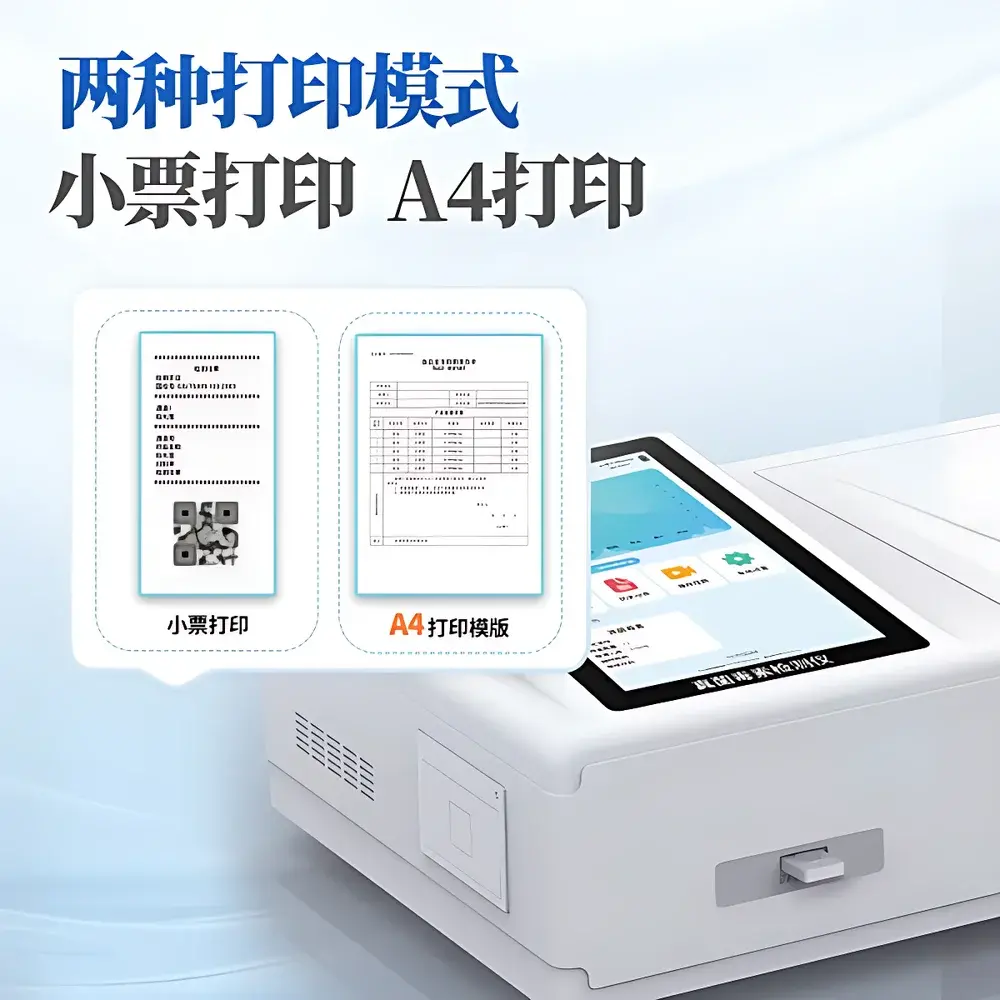
The embedded software features a relational SQLite database storing ≥200,000 test records with full search/filter capability by sample name, toxin type, date range, or status. Customizable reporting templates support dual-output formats: thermal receipt (80 mm width) and A4 PDF export via Wi-Fi or Ethernet (RJ45). All reports include QR-coded traceability links, sampling information, analyst credentials, calibration history, and regulatory compliance footers (e.g., “Complies with GB 5009.22–2016”). Data synchronization occurs over secure HTTP(S) endpoints to regional food safety cloud platforms—enabling aggregated heatmaps, outlier detection, and early-warning analytics across jurisdictional boundaries. USB 2.0 host port allows direct export of CSV/Excel files without driver installation.
Applications
- Routine screening of raw agricultural commodities at intake points in flour mills and ethanol plants
- Verification testing of finished pet food batches prior to distribution
- Mobile inspections during farmer market audits or cold-chain transport checks
- Pre-shipment verification for export consignments requiring phytosanitary certification
- Internal quality assurance in dairy ingredient suppliers where mycotoxin cross-contamination poses risk to milk safety
- Training and capacity-building in regional food control laboratories with limited access to HPLC-MS infrastructure
FAQ
Does the ST-L01T require consumables other than commercial colloidal gold test strips?
No—only validated lateral flow strips are needed; no proprietary reagents, cartridges, or calibration kits are required.
Can detection thresholds be adjusted for different regulatory limits (e.g., EU vs. China MRLs)?
Yes—users may define custom cutoff values per analyte and matrix, with version-controlled parameter sets stored locally.
Is remote firmware update functionality compatible with air-gapped networks?
Firmware updates require internet connectivity for initial download; however, once downloaded, updates can be deployed offline via USB flash drive.
How is data integrity ensured during network transmission to regulatory platforms?
All uploads use TLS 1.2+ encryption; digital signatures authenticate device identity and prevent tampering during transit.
What is the recommended recalibration interval under continuous daily use?
Optical calibration is advised every 30 days or after 500 scans; automated self-diagnostic routines run at boot-up to verify sensor stability.






