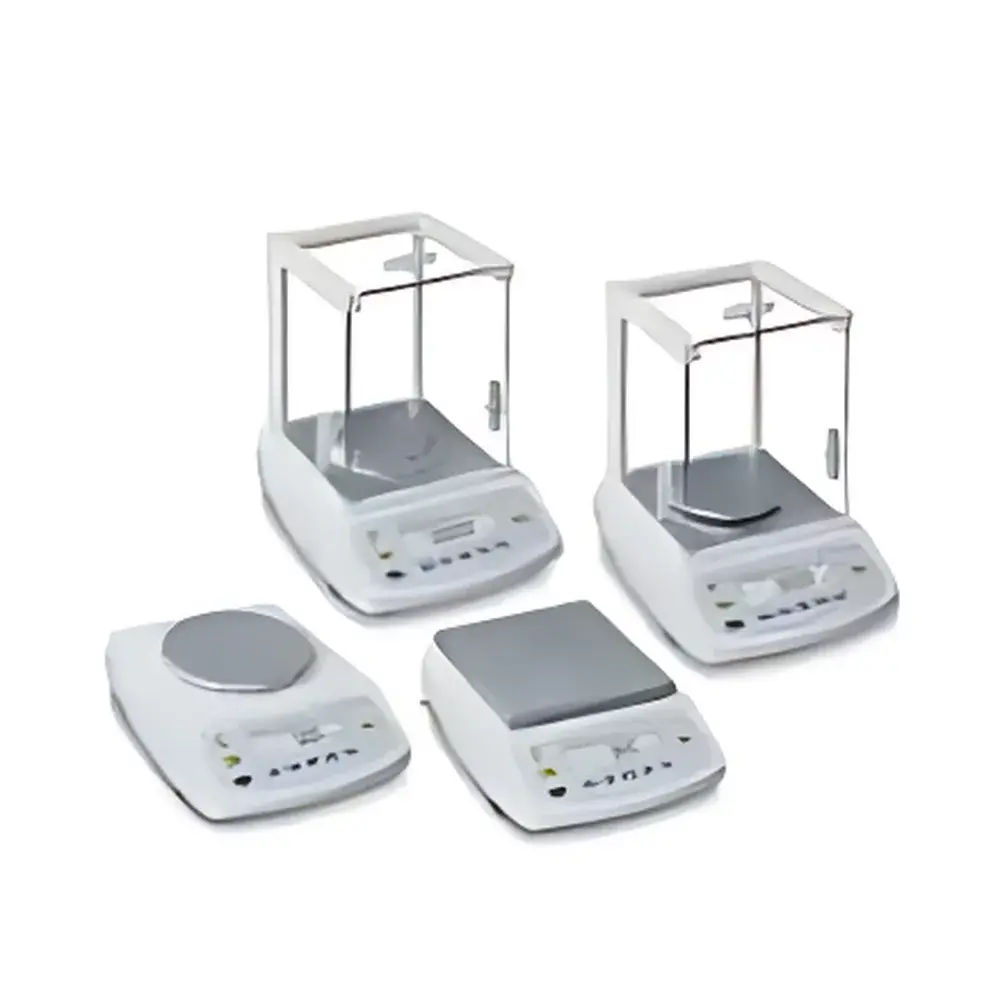
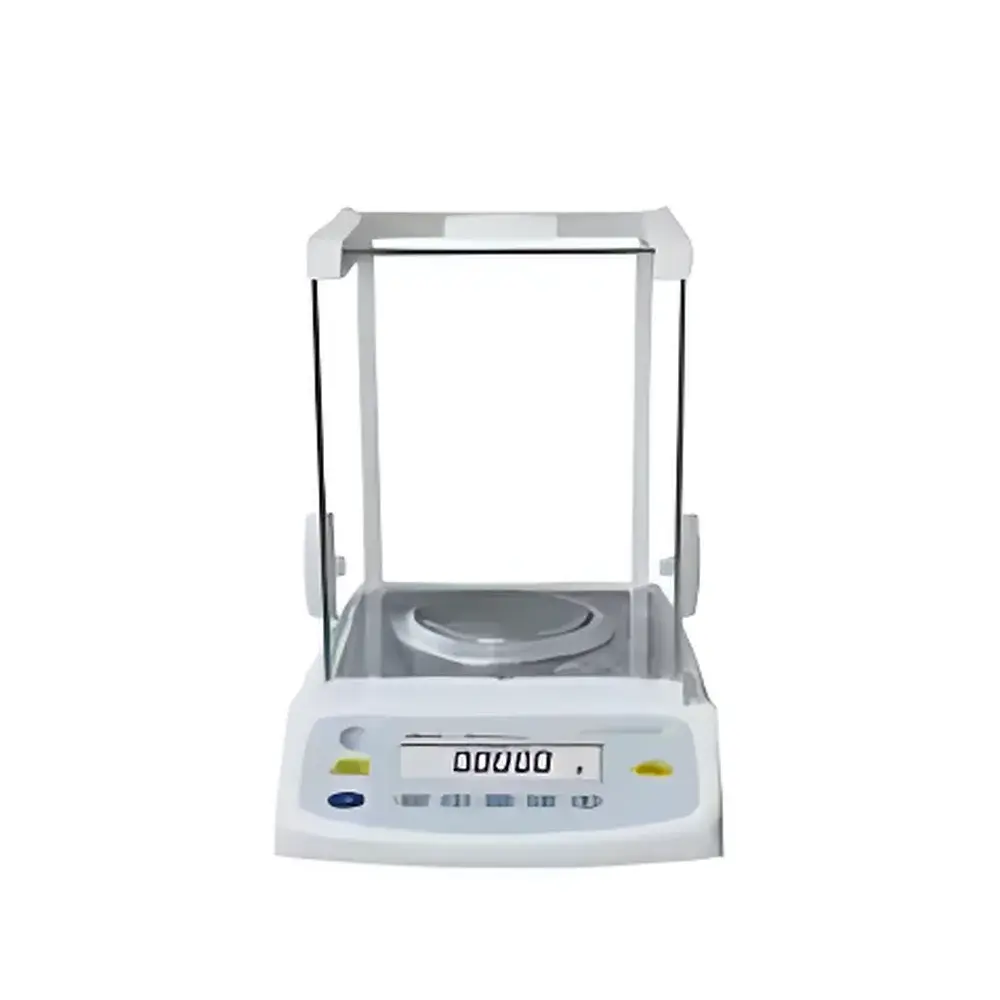
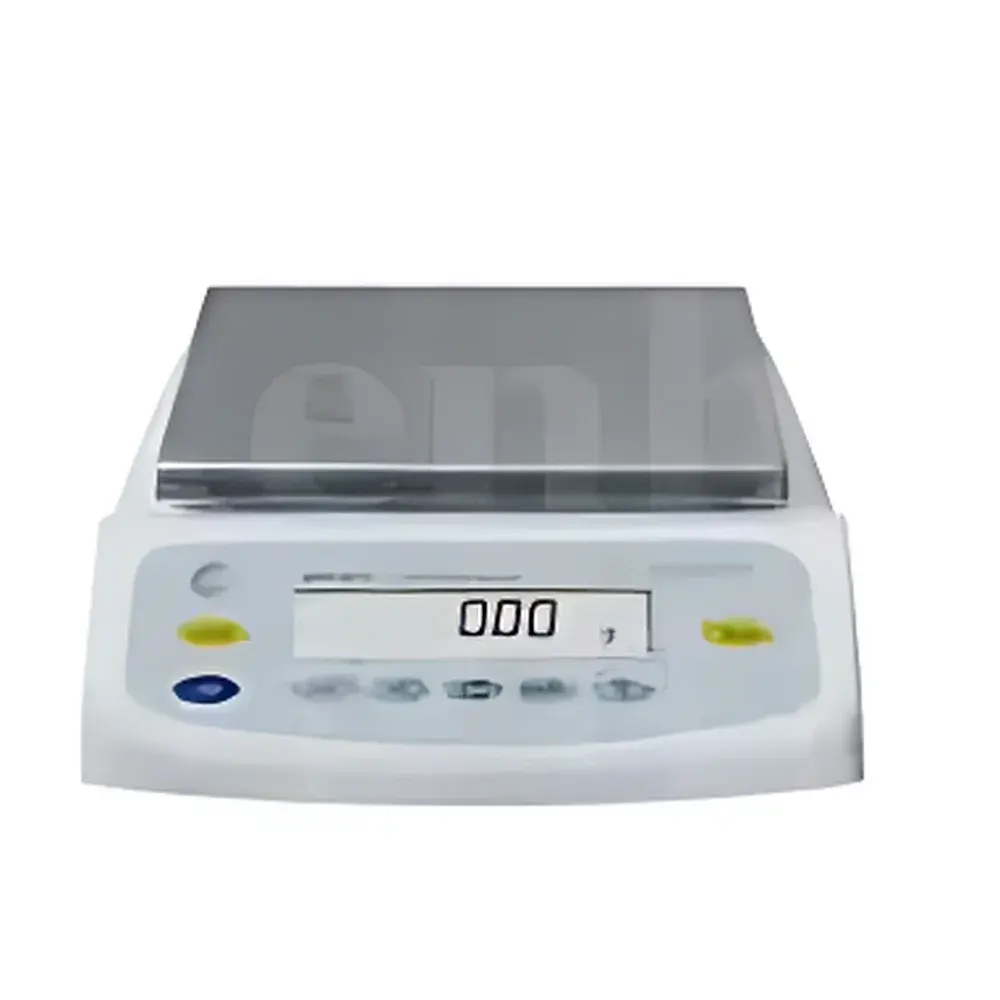
Sartorius BSA2202S Precision Balance
| Brand | Sartorius |
|---|---|
| Origin | Germany |
| Model | BSA2202S |
| Maximum Capacity | 2200 g |
| Readability | 10 mg |
| Repeatability | 10 mg |
| Calibration | External |
| Display | Backlit LCD with 15 mm character height |
| Pan Size | 180 × 180 mm |
| Interface | RS-232C bidirectional |
| Operating Languages | 5 selectable |
| Key Operation | Tactile membrane keys |
| Optional Accessories | External calibration weights, Sartorius printers, USB-RS232 cable, external ionizer |
Overview
The Sartorius BSA2202S Precision Balance is an entry-level analytical-grade weighing instrument engineered for routine laboratory applications requiring reliable mass determination in the 2200 g capacity range with 10 mg readability. Designed and manufactured in Germany under stringent quality control protocols, the BSA2202S employs electromagnetic force compensation (EMFC) technology — the industry-standard transduction principle for high-stability precision balances — to deliver consistent, drift-resistant measurements across varying ambient conditions. Its robust mechanical architecture features a monolithic weighing cell, integrated anti-vibration damping, and a rigid aluminum die-cast housing optimized for long-term stability and resistance to thermal expansion effects. The balance meets essential metrological requirements defined in OIML R76-1 (Class II), ISO 9001, and supports full traceability in GLP- and GMP-regulated environments through built-in audit trail functionality and configurable print output.
Key Features
- Backlit LCD display with 15 mm high characters ensures legibility under low-light or high-glare conditions — critical for shared lab spaces and multi-shift operations.
- Tactile membrane key interface provides unambiguous feedback and reduces operational errors during repetitive weighing tasks.
- Menu-driven configuration system supports five pre-installed languages (English, German, French, Spanish, Chinese), enabling rapid deployment across multinational research or manufacturing sites.
- External calibration design allows user-initiated verification using certified Class M2 or better weights, supporting compliance with ISO/IEC 17025 internal calibration procedures.
- RS-232C bidirectional serial interface enables seamless integration with LIMS, ELN, or custom data acquisition software; optional USB-RS232 adapter facilitates direct connection to modern PCs without legacy serial ports.
- GLP-compliant print output includes date/time stamp, operator ID (if configured), net/gross/tare values, and calibration status — compatible with Sartorius YDP series printers or generic ESC/POS-compatible devices.
Sample Compatibility & Compliance
The BSA2202S accommodates standard laboratory samples up to 2200 g on its 180 × 180 mm stainless steel weighing pan, suitable for volumetric flasks, beakers, filtration assemblies, and bulk powder containers. Its open pan geometry minimizes air current interference while permitting easy access for static-sensitive or oversized specimens. The balance complies with electromagnetic compatibility (EMC) Directive 2014/30/EU and Low Voltage Directive 2014/35/EU. It supports documentation requirements under FDA 21 CFR Part 11 when used with validated printer drivers and secure user authentication workflows. While not equipped with internal motorized calibration, its external calibration architecture aligns with ISO 17025 Clause 6.5.2 for measurement uncertainty evaluation and periodic verification intervals.
Software & Data Management
Data export is performed via ASCII-based RS-232C protocol with configurable baud rates (up to 115.2 kbps), parity, and termination characters. The balance transmits stable weight readings only after signal stabilization detection (user-adjustable delay: 0–60 s), minimizing noise-induced transmission errors. When interfaced with Sartorius LabX Lite (freely available), users gain automated report generation, statistical process control (SPC) charting, and electronic signature support. All printed or transmitted records include mandatory metadata: instrument ID, timestamp, environmental conditions (if external sensor connected), and calibration due date — fulfilling ALCOA+ principles for data integrity in regulated QA/QC labs.
Applications
The BSA2202S serves as a primary mass reference in pharmaceutical formulation labs (e.g., excipient dispensing per USP ), chemical reagent preparation, food quality control (moisture content by loss-on-drying), polymer blending, and academic teaching laboratories. Its 10 mg resolution satisfies ASTM E898-22 requirements for gross mass verification of packaged goods and ISO 11352:2012 guidelines for intermediate-precision gravimetric analysis. The absence of internal moving parts enhances mean time between failures (MTBF), making it particularly suited for continuous operation in production support roles where uptime and serviceability are prioritized over ultra-high resolution.
FAQ
Does the BSA2202S support internal automatic calibration?
No — calibration requires external certified weights. This design simplifies maintenance, reduces mechanical wear, and extends service life.
Can the balance store calibration history internally?
No — calibration events are not logged onboard. However, all printouts and PC-transmitted records include calibration timestamps and operator identifiers when configured.
Is the RS-232 interface compatible with Windows 11 and macOS Ventura?
Yes — with appropriate USB-to-serial adapters and standard terminal emulation software (e.g., PuTTY, CoolTerm) or Sartorius-provided drivers.
What environmental conditions affect measurement stability?
Air drafts, temperature gradients >0.5 °C/h, and electrostatic charge accumulation may impact repeatability. Use in draft-free enclosures and consider optional external ionizers for low-humidity environments.
How often should external calibration be performed?
Per ISO/IEC 17025, frequency depends on usage intensity, risk assessment, and historical performance data — typically daily pre-use checks with a check weight, plus full calibration at least weekly or after relocation.