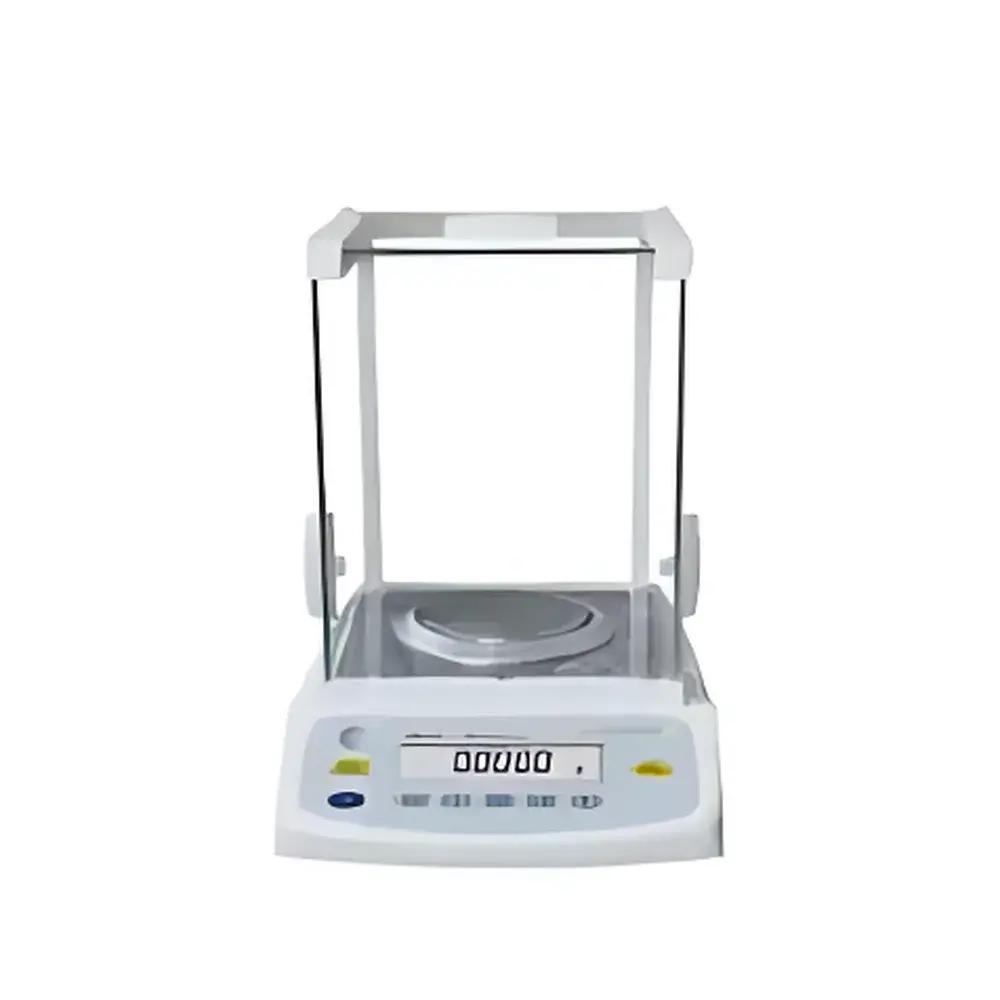
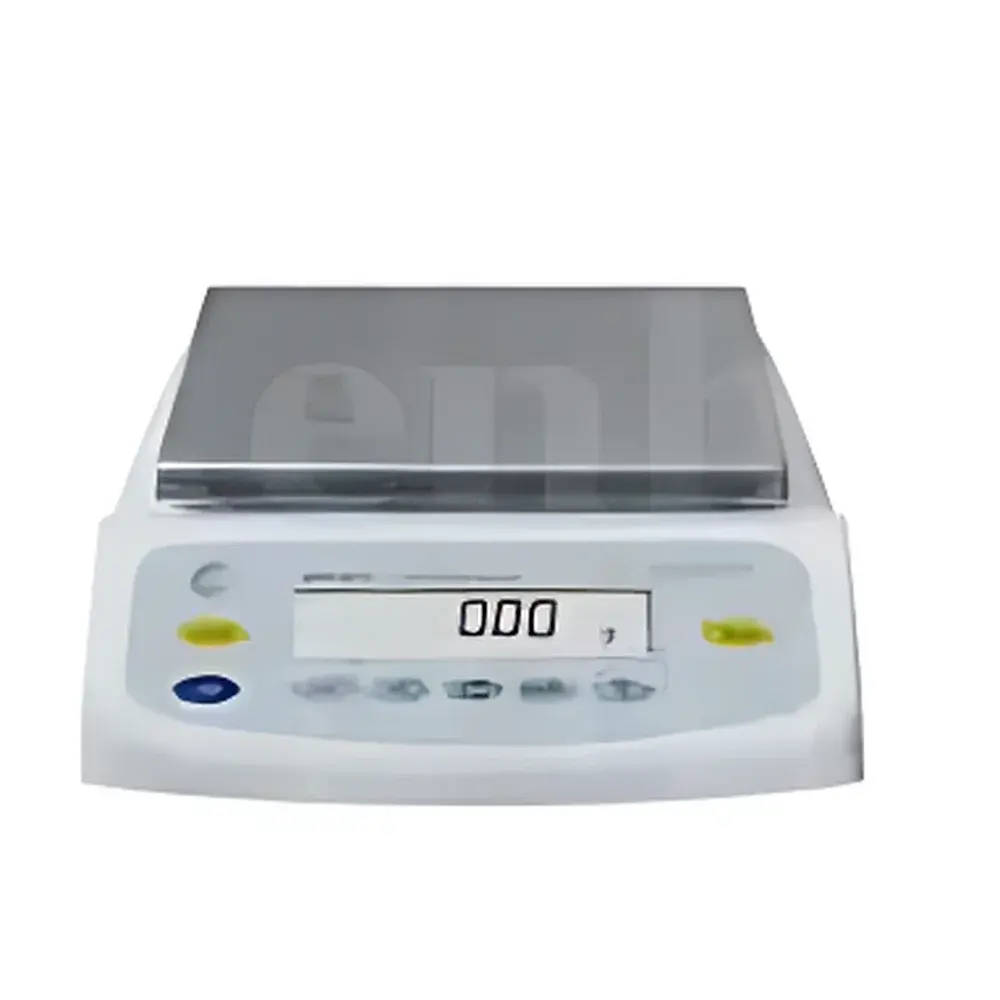
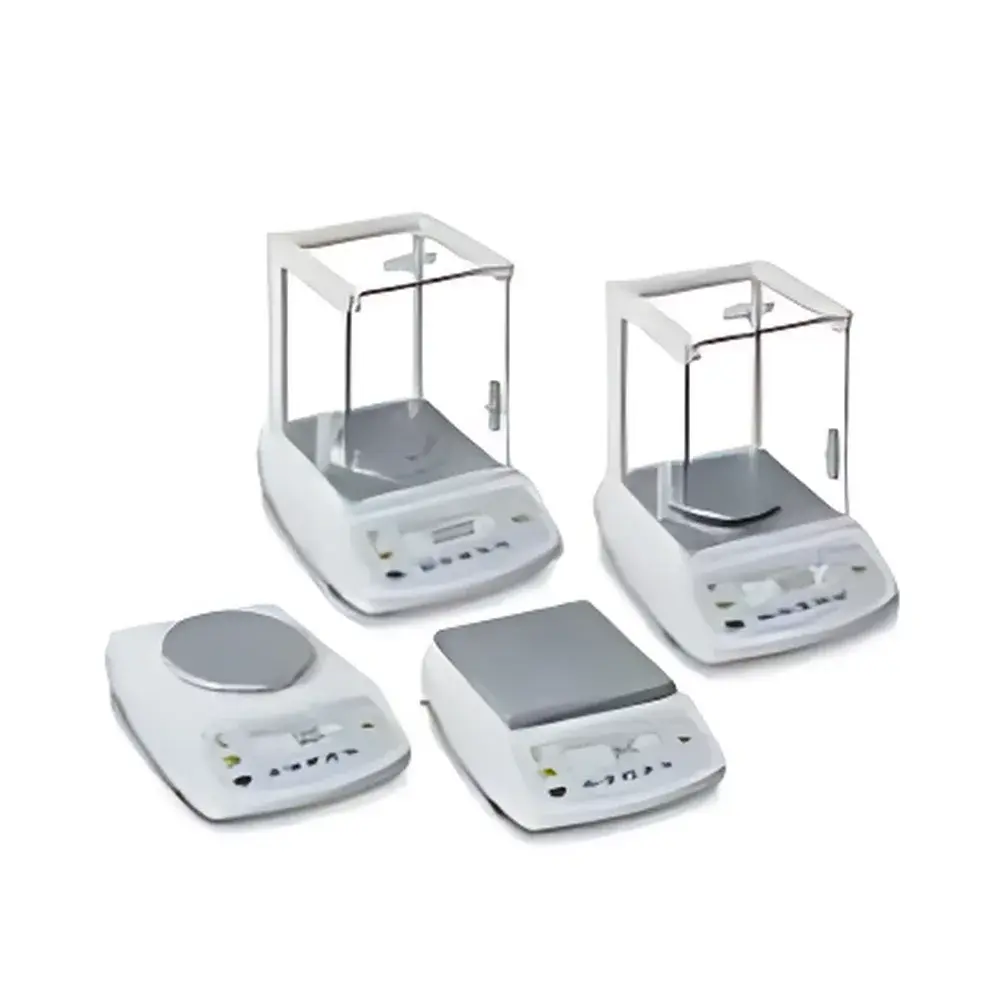
Sartorius BSA323S Precision Balance
| Brand | Sartorius |
|---|---|
| Origin | Germany |
| Model | BSA323S |
| Instrument Type | Precision Balance |
| Maximum Capacity | 320 g |
| Readability | 1 mg |
| Repeatability | ≤1 mg |
| Linearity | ≤1 mg |
| Pan Size | 115 × 120 mm |
| Calibration Method | External |
| Display | Backlit, High-Contrast LCD with 15 mm Character Height |
| Interface | RS-232C (bidirectional) |
| Operating Languages | 5 selectable (English, German, French, Spanish, Italian) |
| Key Operation | Tactile membrane keys with clearly defined control panel |
Overview
The Sartorius BSA323S Precision Balance is an entry-level analytical-grade weighing instrument engineered for consistent accuracy and operational clarity in routine laboratory environments. Designed and manufactured in Germany, it employs electromagnetic force compensation (EMFC) technology—a principle widely adopted in high-stability precision balances—to deliver reliable mass measurements across its full 320 g capacity range. With a readability of 1 mg and verified repeatability and linearity both within ±1 mg, the BSA323S meets the performance requirements for general QC testing, sample preparation, formulation, and educational applications where ISO/IEC 17025-compliant traceability is maintained through external calibration. Its robust mechanical architecture, combined with temperature-compensated load cell design, ensures minimal drift under typical lab conditions (20–25 °C, <70 % RH), supporting reproducible results without internal motorized calibration mechanisms.
Key Features
- Backlit, high-contrast LCD display with 15 mm character height—optimized for legibility under varying ambient lighting, including low-light or glare-prone workspaces.
- Intuitive menu-driven interface guided by short textual prompts; supports five languages (English, German, French, Spanish, Italian) to accommodate multilingual lab personnel.
- Tactile membrane key layout with logically grouped functions—tare, print, units, calibration—reducing operator error and training time.
- RS-232C bidirectional serial interface as standard; enables direct data transfer to PCs, printers, or LIMS systems using industry-standard protocols.
- Optional USB connectivity via Sartorius-certified RS-232-to-USB adapter cable—facilitates seamless integration into modern Windows-based laboratory networks without additional driver configuration.
- No internal motorized calibration mechanism—external calibration using certified Class F1 or better weights ensures full compliance with GLP documentation requirements and audit-ready traceability.
Sample Compatibility & Compliance
The BSA323S accommodates standard laboratory vessels—including beakers, weighing boats, and crucibles—on its 115 × 120 mm stainless-steel pan. Its open-frame design allows unobstructed access for volumetric flasks and tall containers while maintaining stability during dynamic weighing tasks (e.g., powder dispensing, incremental addition). The balance conforms to international metrological standards including OIML R 76-1 (2006) and EN 45501:2015 for non-automatic weighing instruments. While not inherently 21 CFR Part 11 compliant due to lack of built-in electronic audit trail, its RS-232 output supports third-party data capture solutions that implement required electronic signature, user authentication, and change history logging per FDA and EU Annex 11 expectations.
Software & Data Management
Data output follows ASCII-based protocol over RS-232, compatible with Sartorius’ free LabX Lite software (for basic data logging and report generation) and widely supported by generic terminal emulators (e.g., Tera Term, PuTTY). When paired with validated Sartorius data acquisition modules, the BSA323S can feed weight values directly into Excel, ERP, or LIMS platforms with timestamping and operator ID tagging—enabling alignment with ALCOA+ principles (Attributable, Legible, Contemporaneous, Original, Accurate). All calibration events must be manually recorded in a controlled logbook or electronic system, as the device does not store calibration history internally.
Applications
- Routine quality control checks in pharmaceutical, chemical, and food manufacturing facilities—e.g., raw material verification, batch release sampling, and packaging weight audits.
- Academic teaching labs requiring robust, easy-to-operate instrumentation for introductory analytical chemistry and materials science courses.
- Environmental testing laboratories performing soil/sediment moisture content analysis, filter weighing, or gravimetric particulate matter determination (PM10/PM2.5).
- Research support roles involving reagent preparation, catalyst dosing, and standard solution dilution where sub-milligram precision is not required but consistency across operators is critical.
FAQ
Does the BSA323S support internal automatic calibration?
No—the BSA323S requires external calibration using traceable reference weights. It does not contain a built-in motorized calibrator or internal reference mass.
What calibration weights are recommended for routine use?
Class F1 stainless-steel weights (certified to ISO 9001 or ISO/IEC 17025) with nominal values covering 10 %, 50 %, and 100 % of full scale (e.g., 32 g, 160 g, 320 g) are recommended for daily verification and periodic recalibration.
Is the balance suitable for use in regulated GMP environments?
Yes—provided calibration, maintenance, and operation are documented per site-specific SOPs and aligned with Annex 11 and 21 CFR Part 11 requirements via external data capture and audit trail systems.
Can the display language be changed after installation?
Yes—language selection is accessible via the main menu and requires no service mode or password; changes take effect immediately without reboot.
What is the warm-up time required before first use?
A minimum of 30 minutes is recommended after power-on to achieve thermal equilibrium of the load cell and ensure optimal repeatability and linearity performance.