
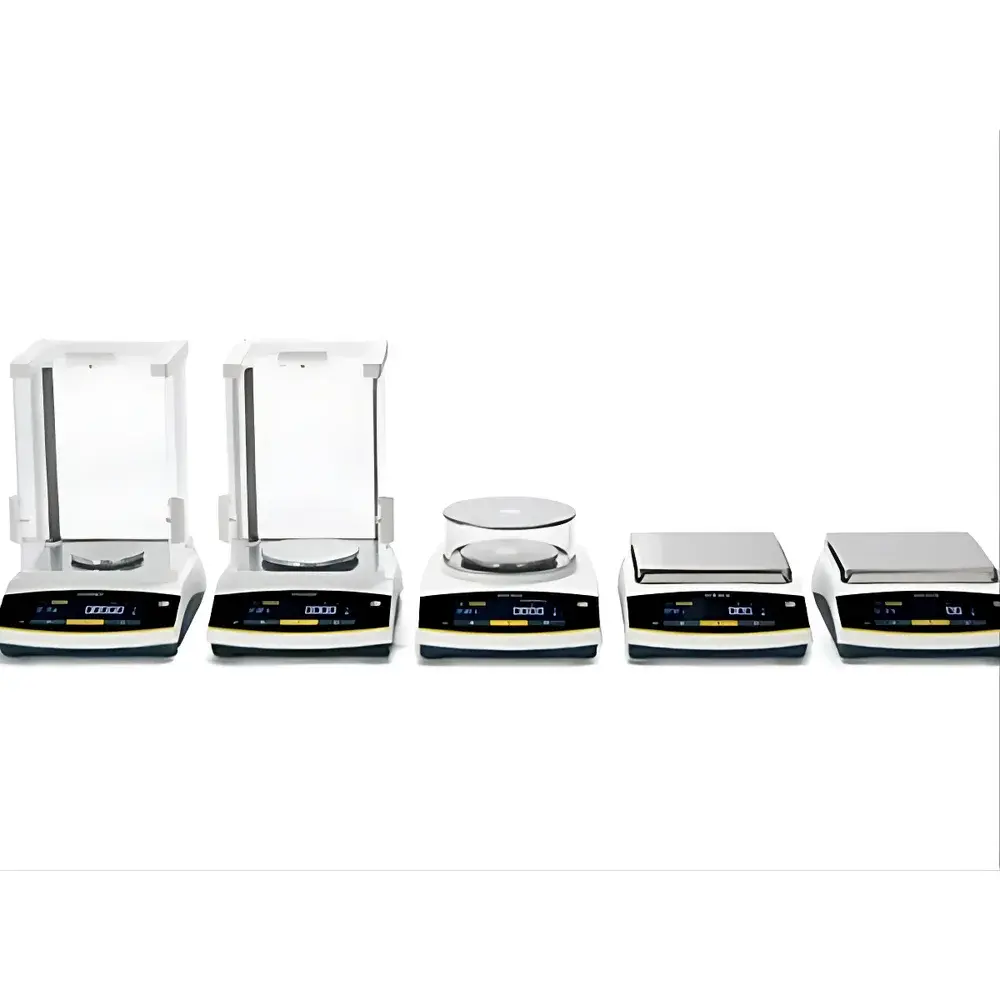
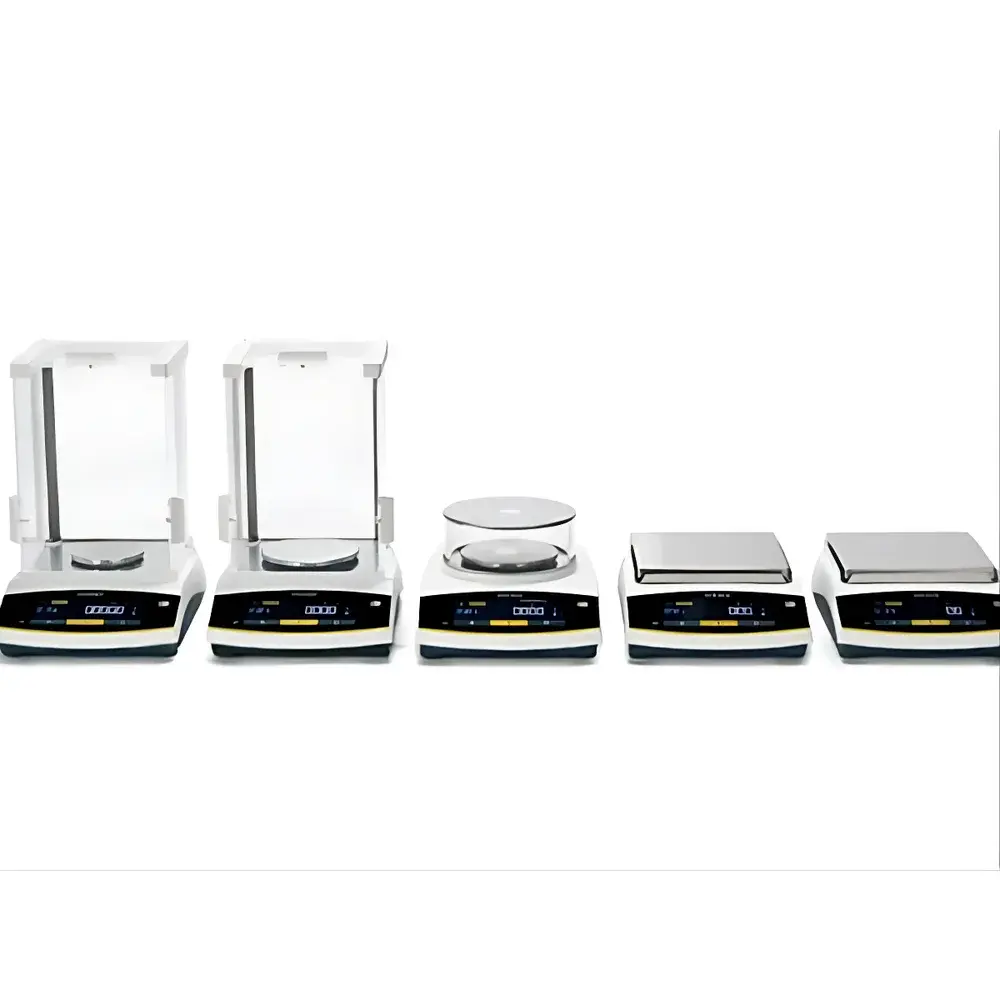
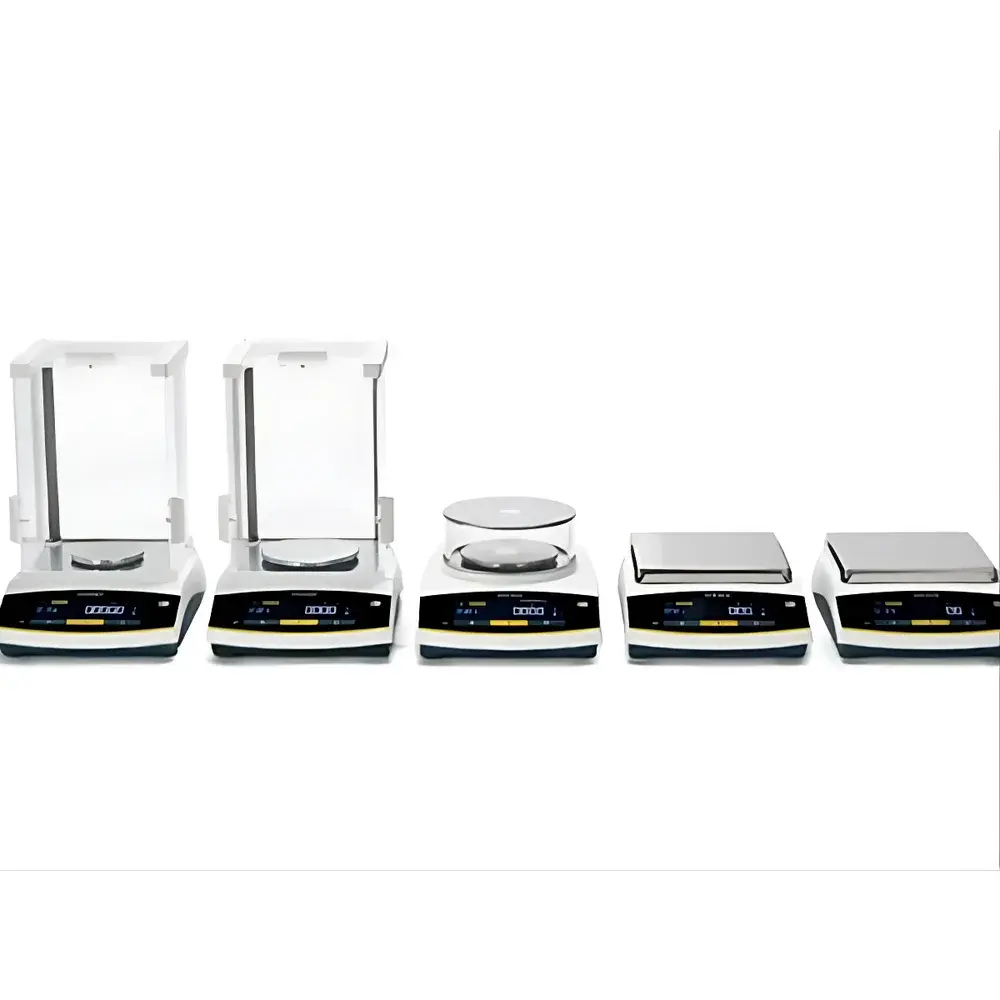
Sartorius Entris® II BCE Basic Analytical Balance
| Brand | Sartorius |
|---|---|
| Origin | Germany |
| Model | Entris® II BCE (Basic) |
| Sensor Type | Monolithic Electromagnetic Force Compensation (EMFC) |
| Weighing Pan | Rectangular Stainless Steel |
| Calibration | Internal ISO/IEC 17025-Traceable isoCAL™ with Automatic Temperature & Time Control |
| Construction Materials | PBT Polymer Housing, 304 Stainless Steel Pan, Tempered Coated Glass Draft Shield |
| Compliance | ISO 9001, ISO/IEC 17025, USP <41>, GLP/GMP Ready, FDA 21 CFR Part 11 Compatible (via optional software) |
| Stabilization Time | ≤1.5 s (typical for 100 g load) |
| Cleaning | Tool-free Disassembly, Wipe-Down Design, Chemical Resistance to Common Lab Solvents |
| Self-Test | @start™ Pre-Operation Diagnostic Sequence |
Overview
The Sartorius Entris® II BCE Basic Analytical Balance is an entry-level yet rigorously engineered precision weighing instrument designed for routine laboratory applications where reproducibility, regulatory compliance, and operational robustness are non-negotiable. Built upon Sartorius’ proprietary monolithic electromagnetic force compensation (EMFC) sensor architecture—manufactured in Germany to stringent DIN EN ISO 9001 standards—the Entris® II BCE delivers high-resolution mass measurement with exceptional long-term stability. Its core operating principle relies on the precise null-balance method: when a sample is placed on the pan, the system dynamically adjusts current through the coil to restore equilibrium, with displacement measured via optical position sensing. This architecture eliminates mechanical hysteresis and ensures metrological integrity across temperature fluctuations typical in shared lab environments. The balance is classified as Class II per OIML R 76-1 and meets the performance criteria outlined in USP for analytical weighing, making it suitable for QC release testing, formulation preparation, and sample aliquoting under GLP or GMP frameworks.
Key Features
- Monolithic EMFC sensor with <1.5 s stabilization time for 100 g loads—optimized for throughput without compromising resolution.
- isoCAL™ internal calibration system: fully automated, temperature-compensated, and time-triggered; traceable to national metrology institutes per ISO/IEC 17025 requirements.
- @start™ self-diagnostic sequence executed at power-on: verifies sensor linearity, draft shield integrity, leveling status, and environmental drift indicators before first use.
- Chemically resistant construction: housing molded from wear-resistant polybutylene terephthalate (PBT), pan fabricated from 304 stainless steel, and draft shield composed of tempered glass with anti-static conductive coating.
- Rectangular weighing pan with integrated overload protection (up to 200% of max capacity) and ergonomic front-access design for seamless integration with pipettes, vials, and weighing boats.
- Wipe-clean geometry: no recessed seams or trapped crevices; all user-replaceable components—including pan support, draft shield panels, and keypad overlay—detach without tools.
Sample Compatibility & Compliance
The Entris® II BCE supports solid, granular, and low-viscosity liquid samples within its specified capacity range. Its draft shield minimizes convective air currents and electrostatic interference—critical when handling hygroscopic powders or static-prone polymers. All materials contacting the sample path comply with EU Regulation (EC) No. 1935/2004 for food contact safety and USP for pharmaceutical packaging compatibility. The device’s firmware implements audit-trail-enabling functionality compatible with Sartorius LabX® Lite (optional), satisfying data integrity requirements under FDA 21 CFR Part 11 for electronic records and signatures. Routine verification protocols align with ASTM E898–22 (Standard Guide for Calibration of Laboratory Balances) and ISO 17025 clause 6.4.10 on equipment verification.
Software & Data Management
While the Entris® II BCE operates autonomously via its intuitive 4.3″ TFT touchscreen interface, it natively supports RS232 and USB Device connectivity for direct data export to LIMS or ELN systems. Optional integration with Sartorius LabX® Lite provides role-based user management, customizable SOP-driven workflows, automatic metadata tagging (operator ID, timestamp, location), and encrypted PDF report generation. All calibration events—including isoCAL™ triggers and manual adjustments—are logged with immutable timestamps and parameter snapshots, fulfilling ALCOA+ principles (Attributable, Legible, Contemporaneous, Original, Accurate, Complete, Consistent, Enduring, Available).
Applications
- Pharmaceutical quality control: active pharmaceutical ingredient (API) weighing prior to dissolution testing per USP .
- Academic research labs: stoichiometric reagent dispensing for synthetic chemistry and material science experiments.
- Food & beverage laboratories: moisture content determination via gravimetric loss-on-drying (LOD) per AOAC 950.46.
- Environmental testing labs: filter weighing for total suspended solids (TSS) analysis per EPA Method 160.2.
- Contract manufacturing organizations (CMOs): batch record documentation requiring 21 CFR Part 11-compliant weight entries.
FAQ
Does the Entris® II BCE require external calibration weights?
No—isoCAL™ performs fully automated internal calibration using built-in reference masses; external weights are only needed for periodic verification or accreditation audits.
Can the balance be used in environments with significant temperature variation?
Yes—the isoCAL™ system monitors ambient temperature in real time and initiates recalibration when deviations exceed ±1.5 °C from the last valid calibration point.
Is the draft shield removable for cleaning?
Yes—all three side panels and the top sliding window detach without tools and withstand repeated immersion in 70% ethanol or isopropanol solutions.
What is the expected service life of the EMFC sensor?
Under normal laboratory conditions (20–25 °C, <60% RH, no corrosive vapors), the monolithic sensor is rated for ≥10 years or 1 million weighing cycles, supported by Sartorius’ global calibration and maintenance network.
How does @start™ differ from traditional warm-up diagnostics?
Unlike basic power-on checks, @start™ evaluates mechanical preload consistency, optical sensor offset drift, and electromagnetic coil resistance—providing pass/fail feedback before any sample placement occurs.



