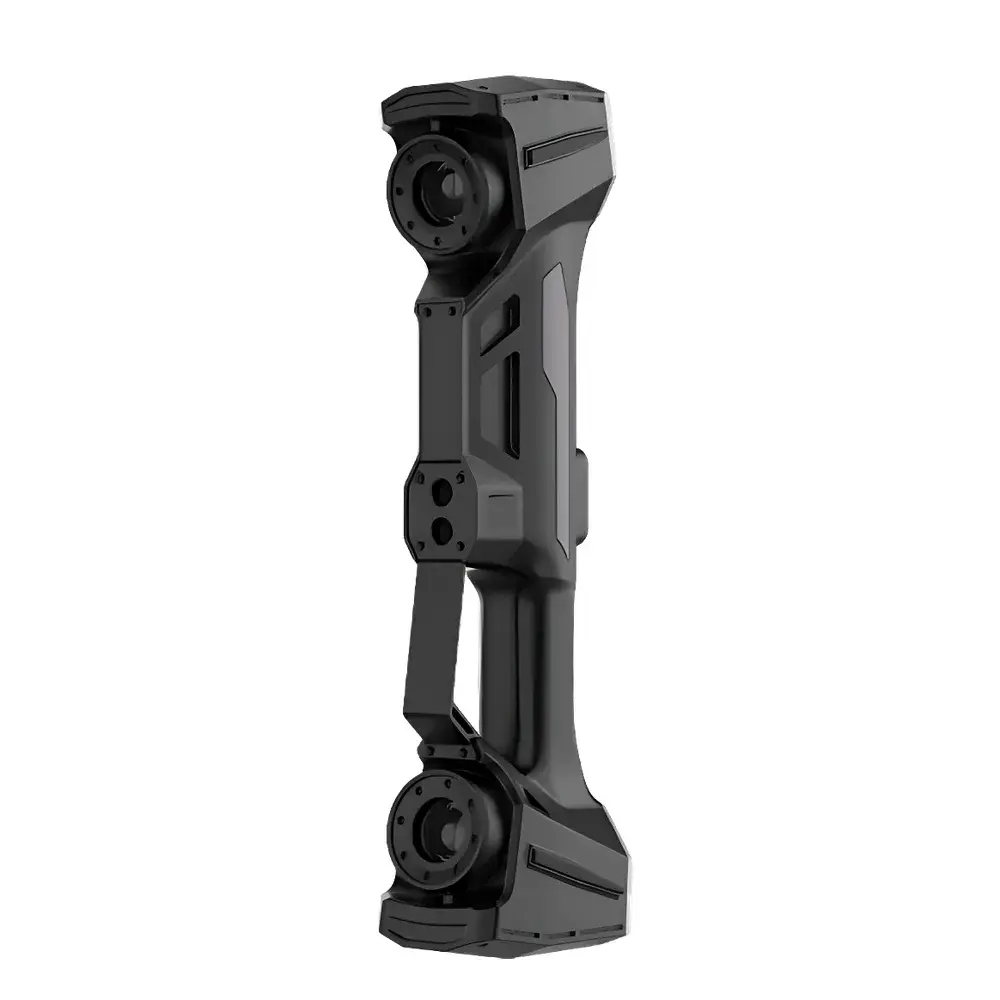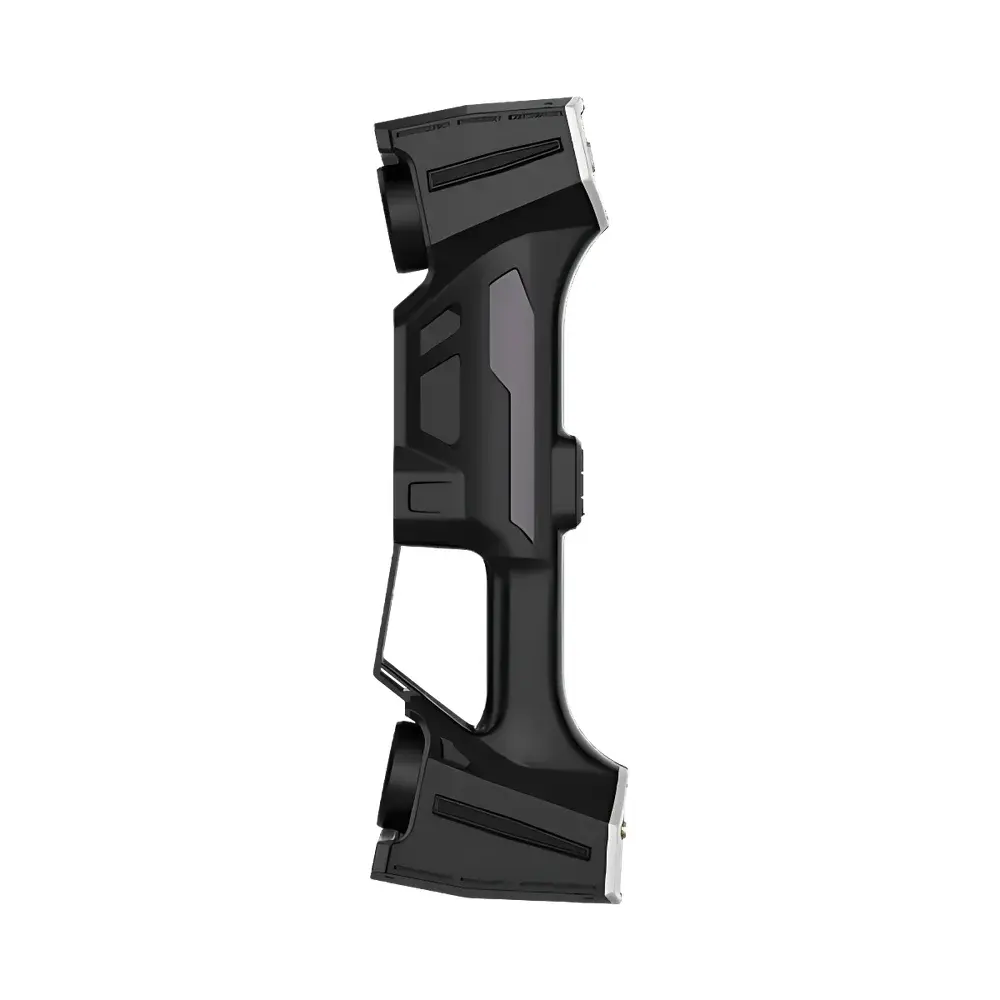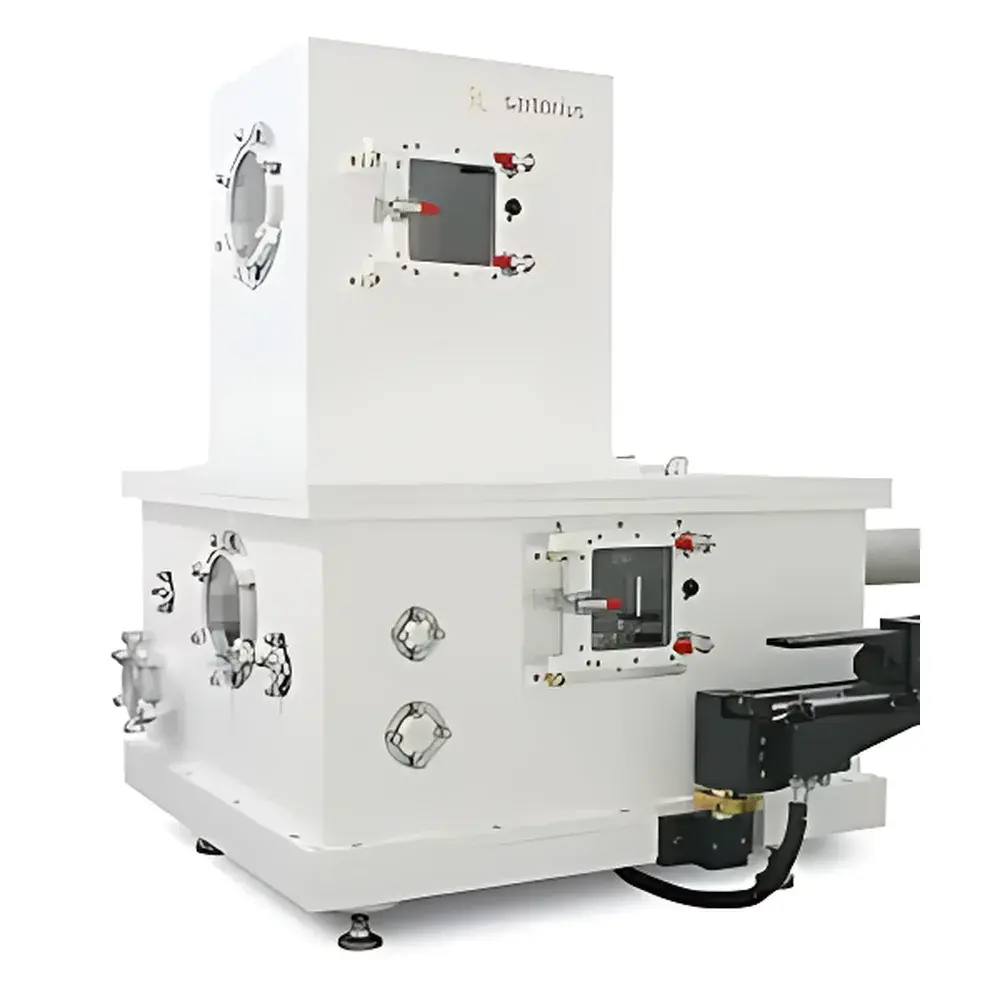
Sartorius Vacuum Mass Comparator CCL1007
| Brand | Sartorius |
|---|---|
| Origin | Germany |
| Model | CCL1007 |
| Measurement Range | up to 1 kg |
| Resolution | 0.1 µg |
| Vacuum Chamber Material | Aluminum alloy (vacuum-stable, low-outgassing) |
| Loading Mechanism | Motor-driven pulley system with rotary feedthrough |
| Chamber Access | Top-loading weighing pan for counterweights |
| Modular Flange Interface | >20 CF- or KF-type vacuum flanges |
| Compliance | Designed for national metrology institute (NMI) traceability workflows per OIML R111, ISO/IEC 17025, and BIPM CCAUV recommendations |
Overview
The Sartorius Vacuum Mass Comparator CCL1007 is a primary-standard-grade metrological instrument engineered for high-accuracy mass comparison under ultra-high vacuum (UHV) conditions—specifically targeting the dissemination of the kilogram definition from national mass standards to secondary and working standards. It operates on the principle of electromagnetic force compensation within a controlled vacuum environment (typically ≤10⁻⁴ Pa), eliminating buoyancy effects, thermal convection, and particulate interference that compromise air-based comparisons. As a core component in National Metrology Institutes (NMIs), the CCL1007 enables direct traceability to the International Prototype of the Kilogram (IPK) legacy or its modern realization via the Kibble balance and silicon sphere (Avogadro) approaches. Its architecture supports the full hierarchy of mass calibration—from 1 kg platinum–iridium prototypes to sub-gram silicon spheres—while maintaining measurement uncertainty budgets compliant with CIPM Mutual Recognition Arrangement (CIPM MRA) requirements.
Key Features
- Vacuum-stabilized aluminum chamber with integrated thermal shielding and vibration-damped mounting, ensuring long-term dimensional stability and minimal thermal drift (<0.5 µK/h).
- Three-point kinematic support system optimized for both cylindrical 1 kg mass standards and spherical silicon artifacts (e.g., Avogadro project spheres), enabling repeatable positioning without mechanical stress.
- Top-access weighing pan for counterweights, isolated from vacuum chamber internals yet fully compatible with standard OIML R111 Class E1/E2 loading protocols.
- Motor-driven pulley lift mechanism with magnetic rotary feedthrough, delivering precise, contactless load transfer into the vacuum zone without seal degradation or outgassing.
- Ultra-low-outgassing internal components (all materials certified to ASTM E595 TML <1.0%, CVCM 72 h continuous).
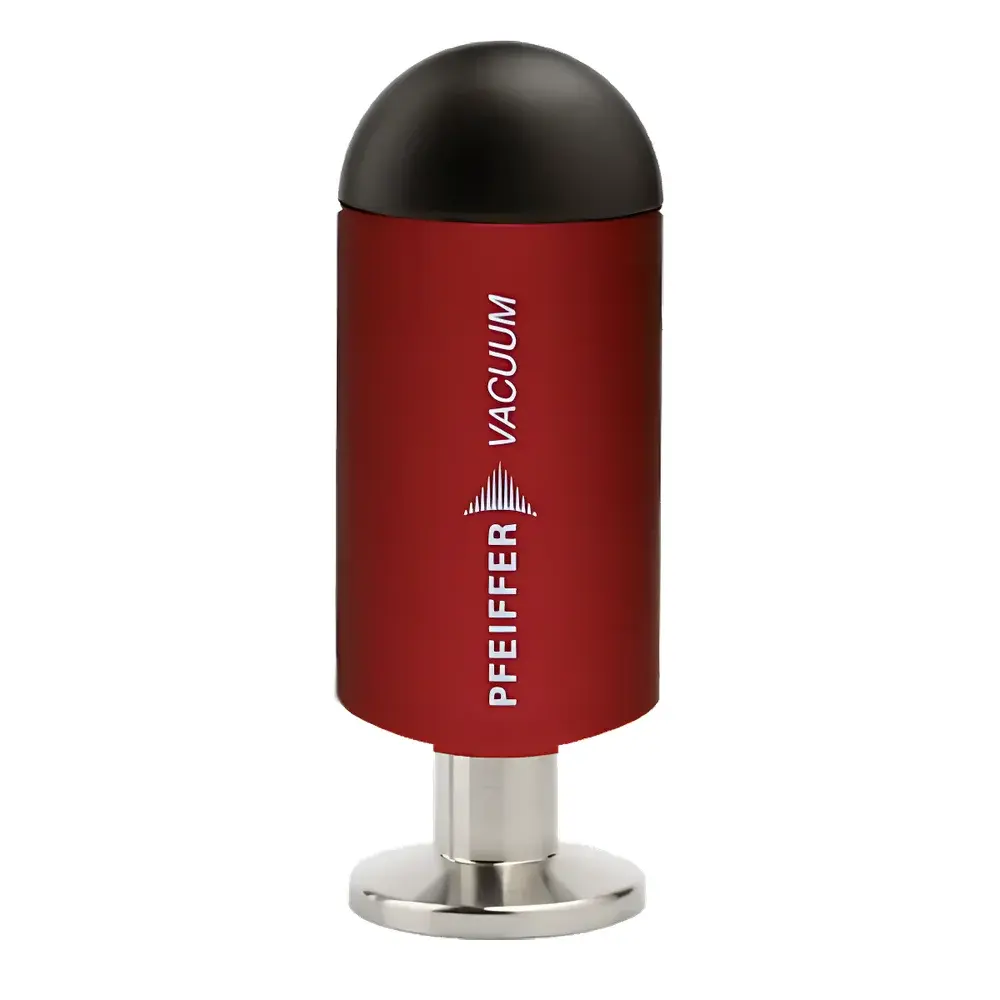
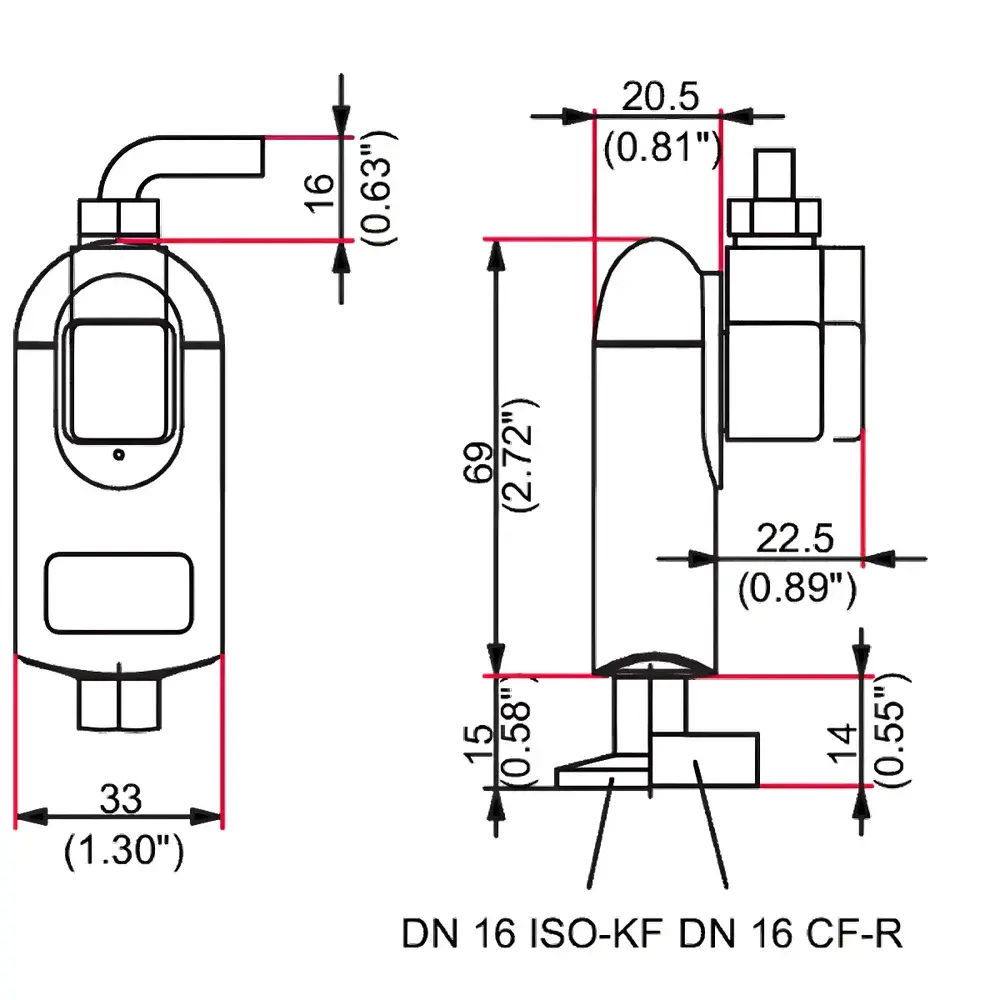
- Modular vacuum flange array (>20 ports, mix of CF-40 and KF-25 configurations) supporting integration of auxiliary instrumentation—including capacitance transducers, interferometric displacement sensors, or residual gas analyzers—for in situ environmental monitoring and uncertainty analysis.
Sample Compatibility & Compliance
The CCL1007 accommodates standard OIML R111-compliant 1 kg stainless steel or Pt–Ir cylindrical standards, as well as 93.6 mm diameter silicon spheres used in Avogadro-based kilogram realizations. All internal surfaces conform to ISO 14644-1 Class 5 cleanroom specifications prior to vacuum bake-out. The system meets structural and procedural requirements for GLP-aligned calibration laboratories and supports audit readiness for ISO/IEC 17025:2017 Clause 6.4 (Equipment) and Clause 7.7 (Uncertainty of Measurement). It is routinely deployed in NMIs accredited to CIPM MRA signatory status—including PTB (Germany), NIST (USA), and NPL (UK)—and aligns with BIPM’s CCAUV guidelines for vacuum mass comparison protocols.
Software & Data Management
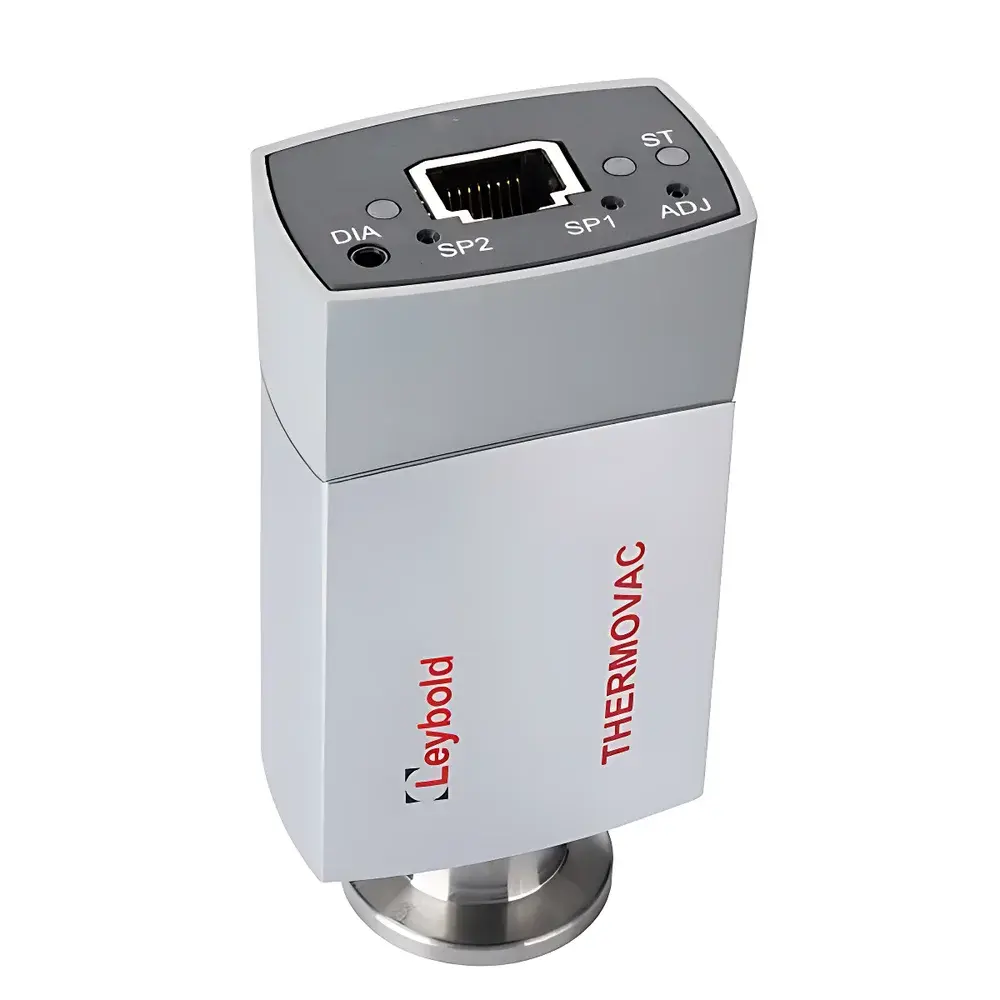
Control and data acquisition are managed via Sartorius Metrology Suite v3.x—a deterministic, real-time Windows-based application compliant with FDA 21 CFR Part 11 (electronic signatures, audit trail, role-based access). Raw comparator output (µg-level differential readings), vacuum pressure logs (Pirani + cold cathode), temperature gradients (12-channel Pt100 network), and motor position feedback are time-synchronized at 10 Hz and stored in HDF5 format for traceable post-processing. Calibration history, operator ID, environmental metadata, and uncertainty contribution breakdowns (per GUM Supplement 1) are embedded directly into each result file, enabling automated reporting per ISO/IEC 17025 Annex A3.
Applications
- Primary mass scale calibration at NMIs and regional metrology centers.
- Inter-laboratory comparisons under CIPM key comparisons (e.g., CCM.M-Kn-2023).
- Validation of Kibble balance and XRCD (x-ray crystal density) measurement chains.
- Long-term stability monitoring of national prototype masses (e.g., NIST SP-1, PTB A1).
- Development and verification of vacuum-compatible mass handling protocols for future SI redefinition infrastructure.
FAQ
What vacuum level is required for optimal performance of the CCL1007?
The system is validated for stable operation at ≤5 × 10⁻⁵ Pa, achievable using a turbomolecular pump backed by a dry scroll pump; base pressure stabilization time is typically <4 hours after chamber venting.
Can the CCL1007 be integrated with existing metrology laboratory information management systems (LIMS)?
Yes—via OPC UA server interface and configurable XML/JSON export modules, supporting bidirectional data exchange with LIMS platforms compliant with ASTM E1578 and ISO 15197.
Does the CCL1007 support automated calibration sequences per OIML R111 Annex D?
It executes full multi-step substitution sequences (ABBA, ABA, etc.) with programmable dwell times, automatic zero checks, and outlier rejection per ISO 5725-2 repeatability criteria.
Is on-site installation and validation provided by Sartorius?
All CCL1007 installations include factory acceptance testing (FAT), site commissioning with PTB/NIST-traceable reference masses, and ISO/IEC 17025-compliant validation documentation (including measurement uncertainty budget per GUM).