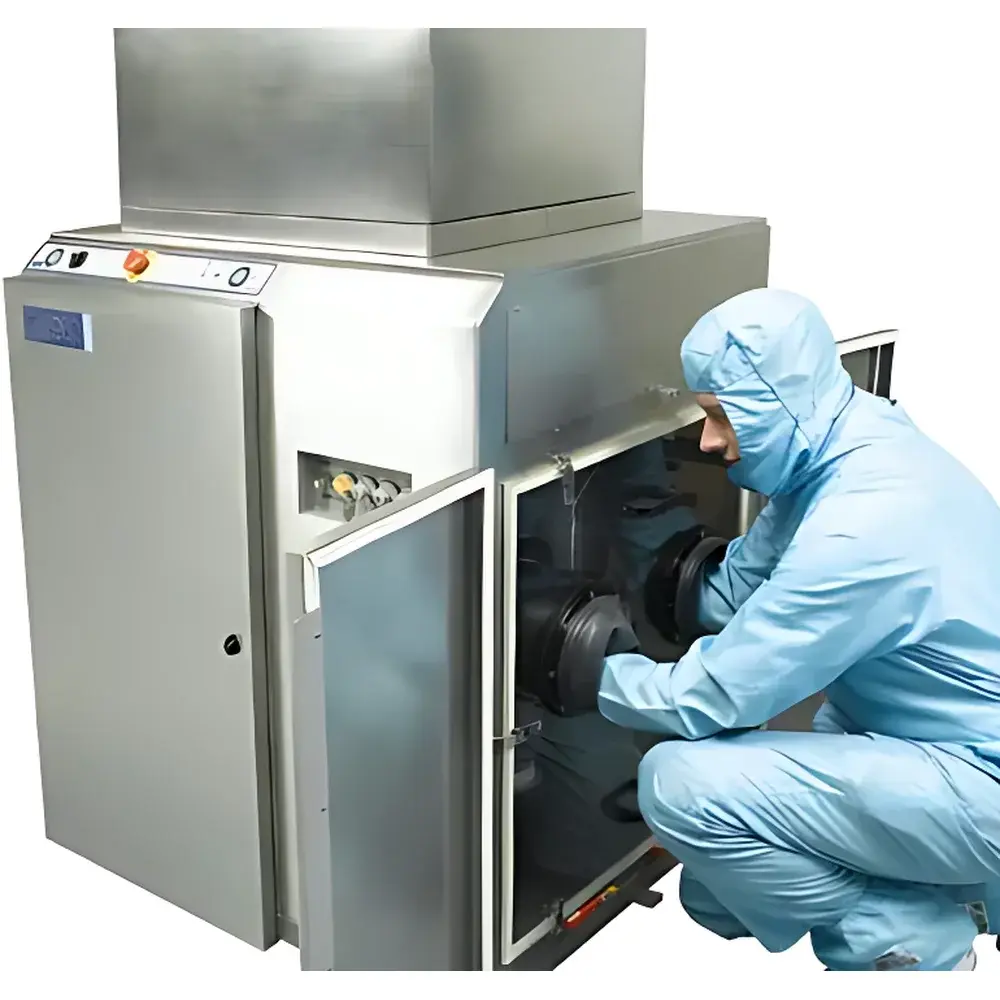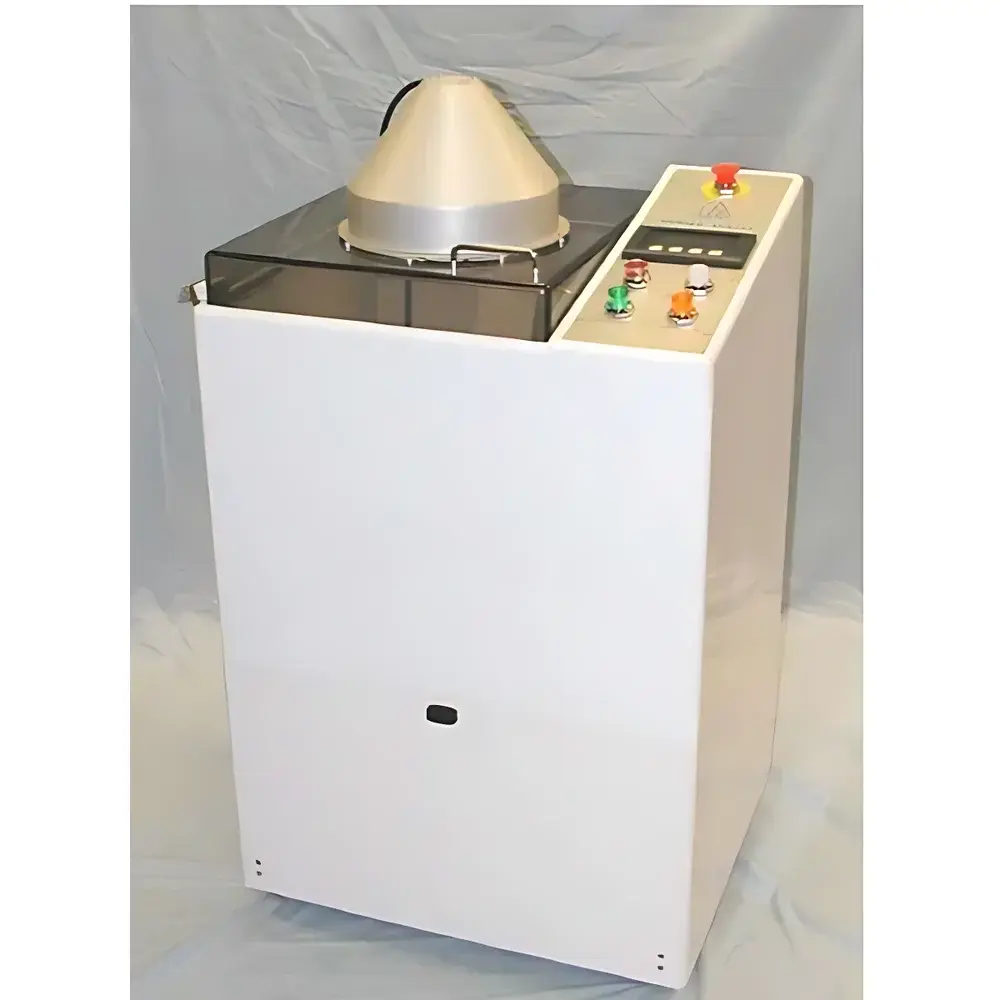
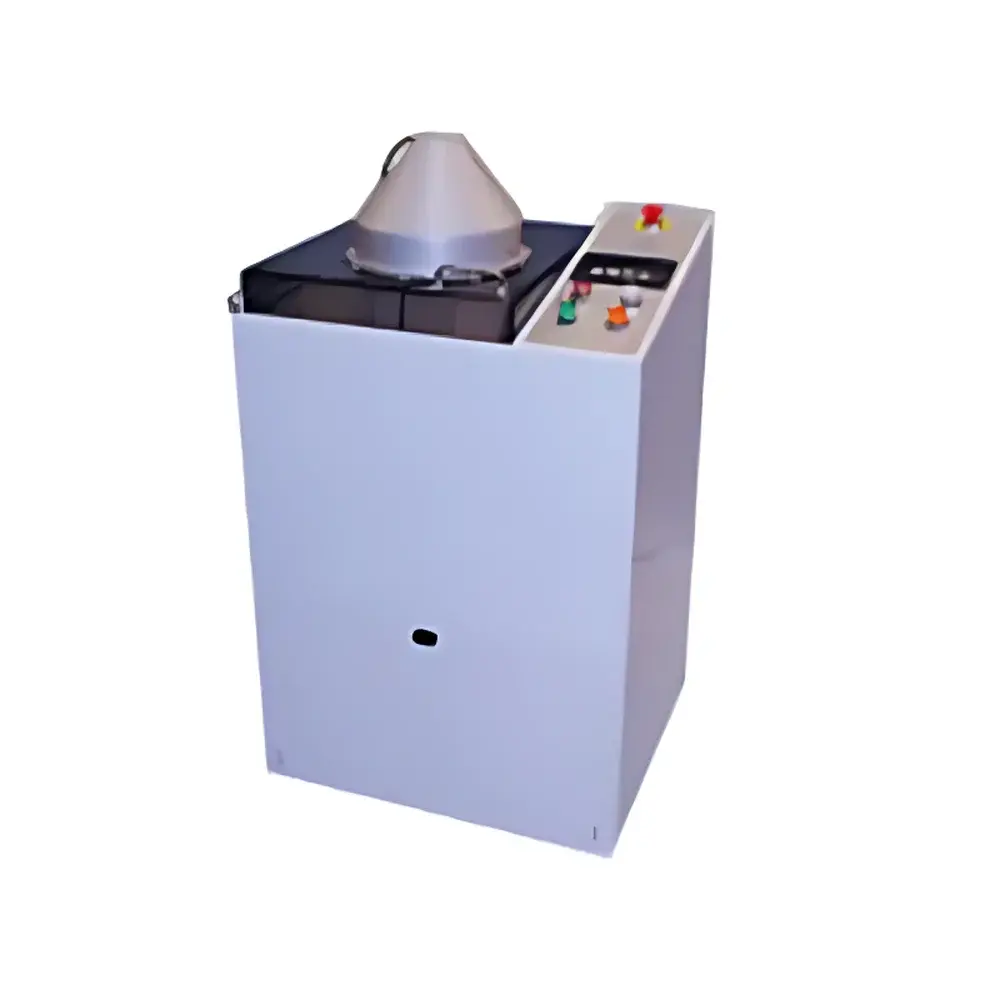
SCS112 / SCSe124 / SCSe126 Manual Wet Cleaning Systems for Wafers, Photomasks, and Substrates
| Origin | USA |
|---|---|
| Manufacturer Type | Authorized Distributor |
| Import Status | Imported |
| Models | SCS112 / SCSe124 / SCSe126 |
| Cleaning Method | Wet Chemical & DI Water-Based Cleaning |
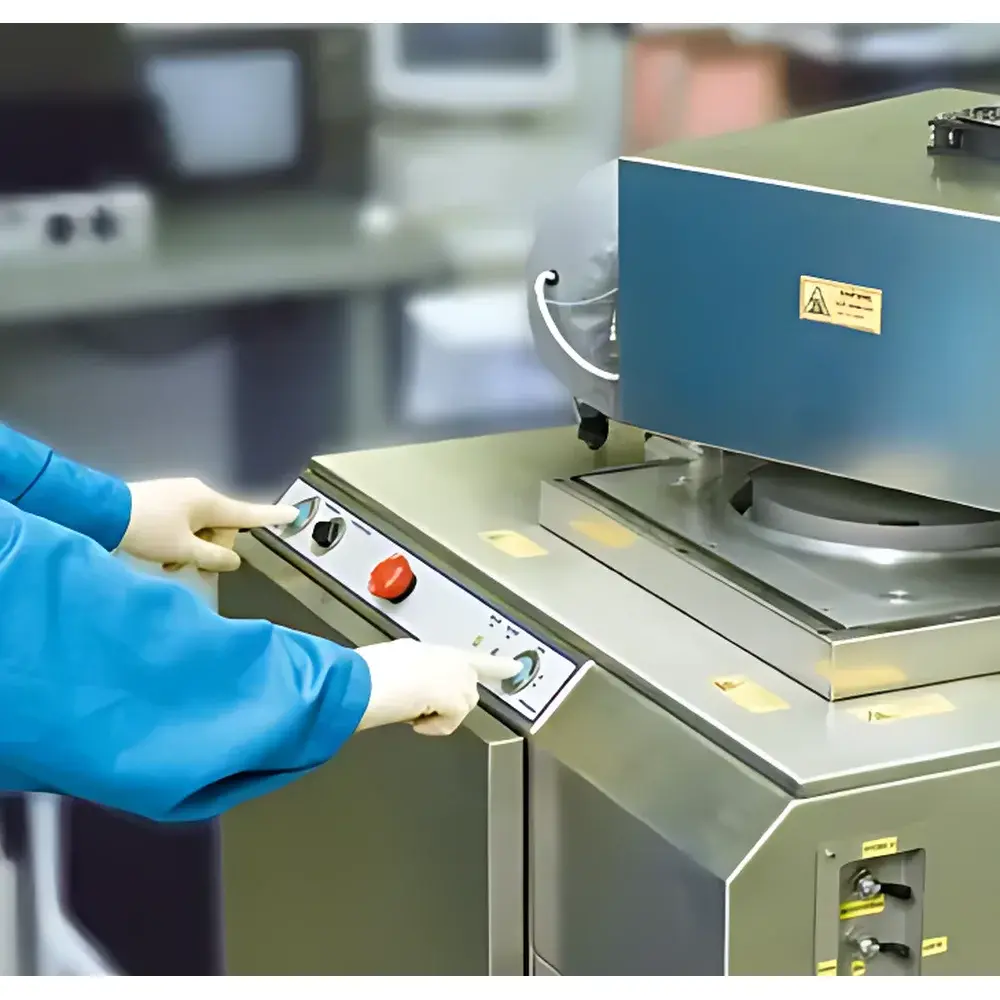
| Equipment Type | Single-Wafer Manual Processing Station |
| Maximum Substrate Diameter | 8 in (SCS112) or 10 in (SCSe124/SCSe126) |
| System Dimensions (W×D×H) | 26 in × 21 in × 40 in |
| Spindle Speed | Up to 2500 rpm |
| Control Architecture | Microprocessor-Based with Touchscreen GUI (SCSe124/SCSe126) or Keypad Interface (SCS112) |
| Preset Recipes | 3 (SCS112) or 10 (SCSe124/SCSe126) |
| Mechanical Arms | 1 (SCS112), 2 (SCSe124), or 4 (SCSe126) |
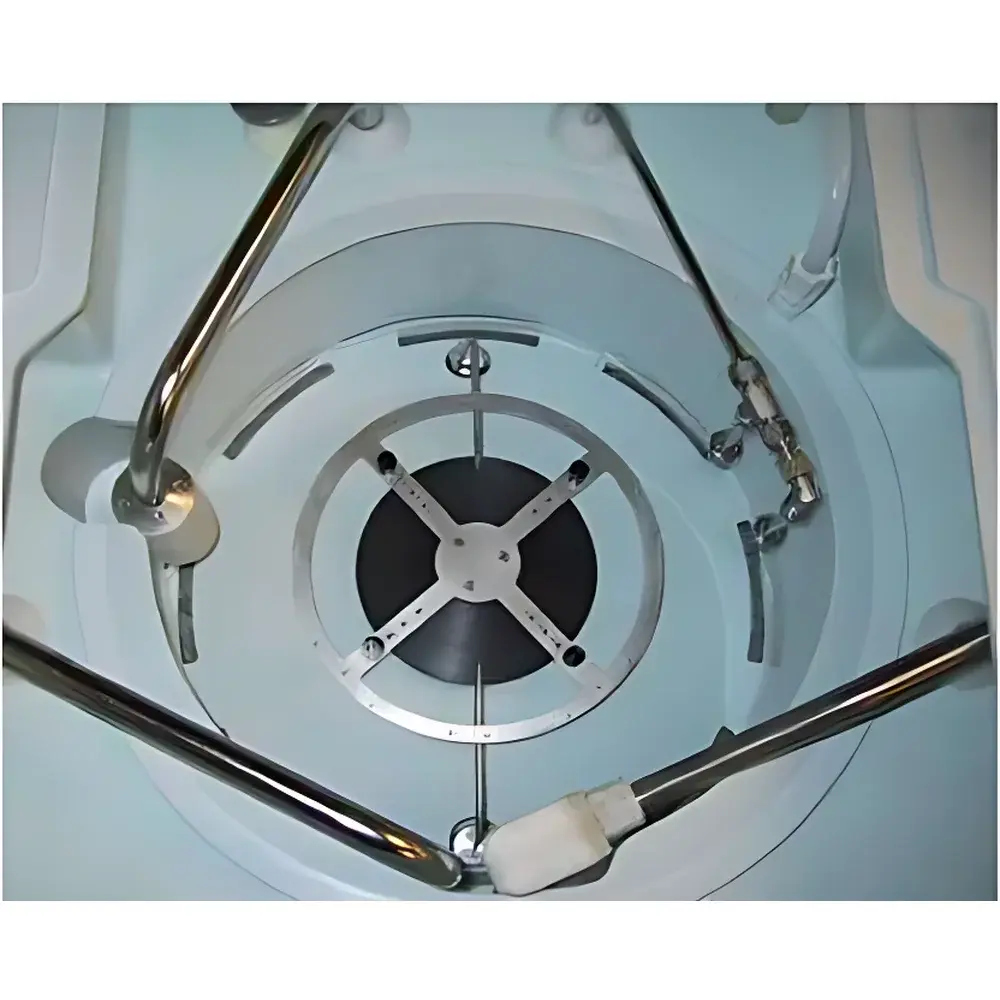
| Chamber Material | Chemically Resistant Polypropylene |
| Exhaust Configuration | Radial Laminar Flow Chamber (SCSe124/SCSe126) |
| Drying Options | High-velocity N₂ purge, IR heating lamp, or heated DI water rinse |
| Safety Features | Interlocked lid, positive-pressure chamber cover, emergency stop circuitry |
| Power Supply | 220 VAC, 10 A, 50/60 Hz |
Overview
The SCS112, SCSe124, and SCSe126 are manually operated, single-substrate wet cleaning systems engineered for precision surface decontamination of semiconductor wafers, photomasks, reticles, and optical substrates. These systems implement controlled liquid-phase processing—primarily using ultrapure deionized (DI) water, low-concentration chemical solutions (e.g., SC1, SC2, or dilute HF), and mechanical agitation—to remove particulates, organic residues, metallic contaminants, and native oxides at submicron resolution. Unlike automated track-based platforms, these manual stations prioritize operator control, process transparency, and rapid configuration flexibility for R&D, failure analysis, mask repair, and low-volume production environments. Each model adheres to fundamental cleanroom-compatible design principles: chemically inert polypropylene chambers, laminar exhaust flow management, and fully traceable parameter logging. The core fluid delivery architecture supports multiple cleaning modalities—including oscillating high-pressure DI water jets (up to 2000 psi), fan-pattern nozzles, atomized mist sprays, megasonic transducers, and soft-brush modules—enabling method-specific optimization per substrate material and contamination profile.
Key Features
- Modular cleaning head configurations: Selectable nozzle types (jet, fan, mist), optional megasonic excitation (1 MHz), and non-contact brush modules for fragile or patterned surfaces.
- DC brushless spindle motor with variable speed control (0–2500 rpm), delivering consistent rotational torque and minimal vibration-induced particle redeposition.
- Programmable microprocessor controller: Stores up to 3 (SCS112) or 10 (SCSe124/SCSe126) independent recipes, each defining sequential steps for rinse, chemical dispense, dwell time, spin speed, drying mode, and exhaust timing.
- Touchscreen graphical user interface (SCSe124/SCSe126) with password-protected access levels, real-time parameter monitoring, error logging, and on-screen diagnostics compliant with GLP documentation requirements.
- Radial laminar exhaust chamber (SCSe124/SCSe126) minimizes turbulent recirculation, ensuring >99.97% capture efficiency of aerosolized droplets and volatile byproducts per ISO Class 5 cleanroom airflow standards.
- Integrated DI water purification loop with bacterial-grade filtration and resistivity monitoring (>18.2 MΩ·cm), eliminating microbial growth risk and enabling extended unattended operation.
- Mechanical arm scalability: 1-arm (SCS112), 2-arm (SCSe124), or 4-arm (SCSe126) configurations support multi-step processes such as front-side rinse → back-side etch → edge-bead removal → dual-side drying.
Sample Compatibility & Compliance
These systems accommodate bare and patterned silicon wafers, fused silica and quartz photomasks, EUV multilayer masks, glass and sapphire substrates, and compound semiconductor wafers (e.g., GaAs, SiC). All models accept substrates mounted on standard adhesive tape frames, vacuum chucks, or edge-gripping rings—ensuring compatibility with industry-standard handling protocols. Chamber geometry and nozzle positioning are optimized to avoid shadowing effects during spray-based cleaning. The polypropylene construction meets SEMI F57 chemical resistance specifications for exposure to NH₄OH:H₂O₂:H₂O (SC1), HCl:H₂O₂:H₂O (SC2), and dilute hydrofluoric acid solutions. Safety interlocks comply with IEC 61000-6-2 (EMC immunity) and UL 61010-1 (laboratory equipment safety). Optional audit-trail software modules support FDA 21 CFR Part 11 compliance for electronic signature and change history tracking.
Software & Data Management
The embedded controller logs timestamped process parameters—including actual spindle speed, nozzle pressure, DI water temperature/resistivity, N₂ flow rate, and lid status—for every executed recipe. Data export is supported via USB 2.0 or RS-232 serial interface in CSV format, enabling integration with MES or LIMS platforms. SCSe124 and SCSe126 include a built-in event log with error codes mapped to maintenance actions (e.g., “Nozzle clog detected – perform ultrasonic soak”). Firmware updates are performed offline via secure firmware image upload, preserving configuration integrity. No cloud connectivity is implemented; all data remains local to ensure ITAR and export-controlled environment compliance.
Applications
- Photomask defect remediation prior to lithography qualification
- Post-etch residue removal from high-aspect-ratio MEMS and advanced packaging wafers
- Pre-bonding surface activation and particle removal for wafer-level packaging
- R&D validation of novel cleaning chemistries under controlled manual conditions
- Failure analysis lab workflows requiring substrate-specific, non-destructive cleaning sequences
- Low-volume production of specialty optics, IR sensors, and compound semiconductor devices
FAQ
What is the maximum allowable substrate thickness for the SCSe126 system?
The system accommodates substrates up to 3 mm thick when mounted on standard edge-grip rings or vacuum chucks. Thicker substrates require custom chuck adaptation and must maintain flatness within ±10 µm across the diameter.
Can the system be retrofitted with automated chemical dispensing?
Yes—optional peristaltic pump modules with chemically resistant tubing (PTFE/FEP) and solenoid valves are available for precise metered delivery of SC1, SC2, or dilute HF solutions. Integration requires factory calibration and updated safety interlock mapping.
Is nitrogen gas consumption monitored or regulated?
N₂ flow is controlled via adjustable needle valves with calibrated rotameters. Optional mass flow controllers (MFCs) can be added for closed-loop regulation and real-time logging of purge volume per cycle.
How often does the DI water filter require replacement?
Filter service intervals depend on inlet water quality but typically range from 3 to 6 months under continuous use. The system displays a maintenance alert after 500 operational hours or when resistivity falls below 17.5 MΩ·cm.
Does the system meet SEMI S2/S8 safety certification requirements?
While not pre-certified, the mechanical and electrical architecture conforms to SEMI S2-0215 (health & safety) and S8-0712 (ergonomics) guidelines. Third-party certification can be arranged through authorized test laboratories upon request.