
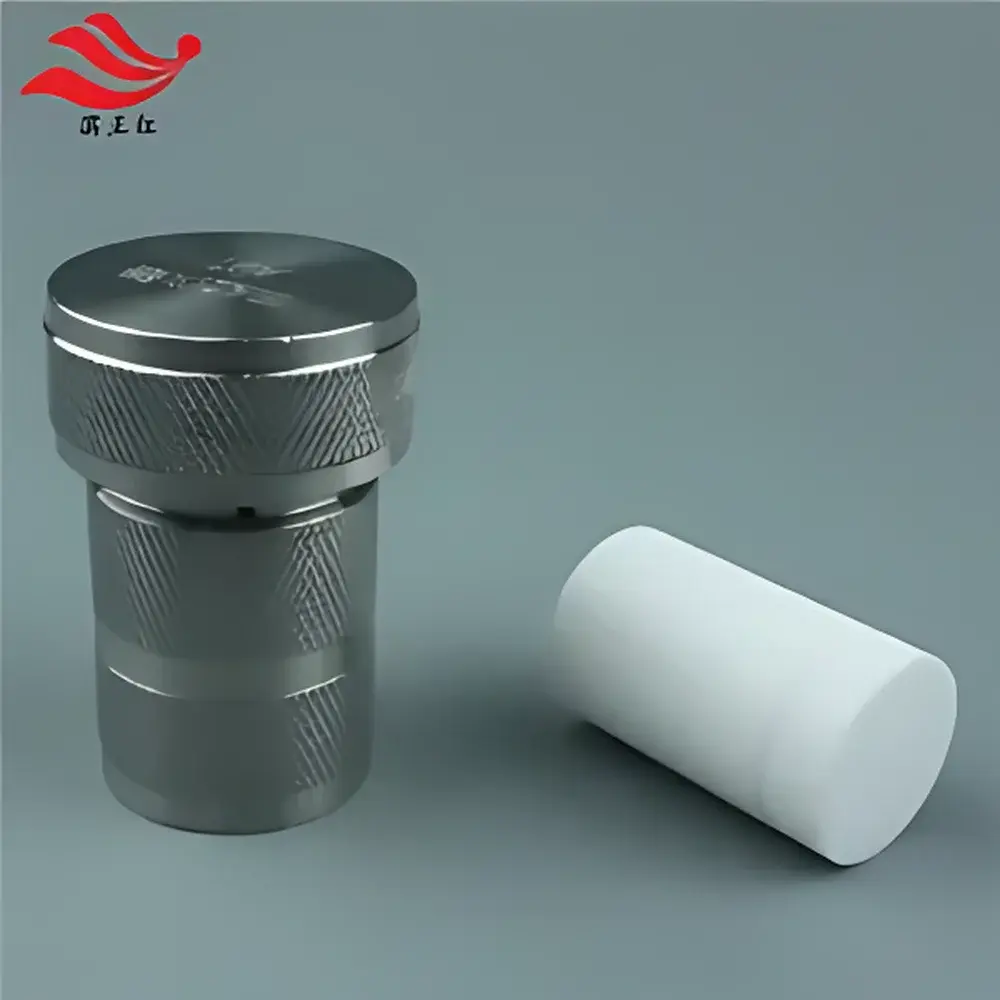
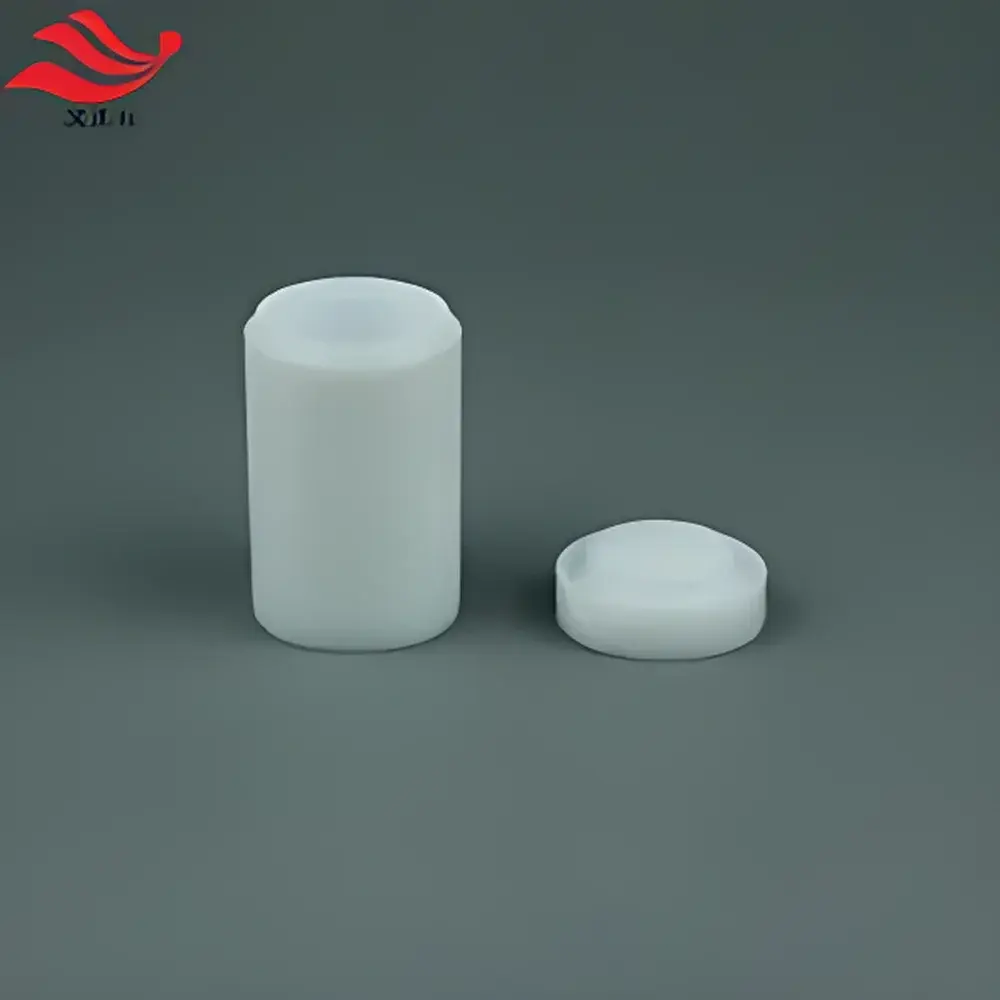
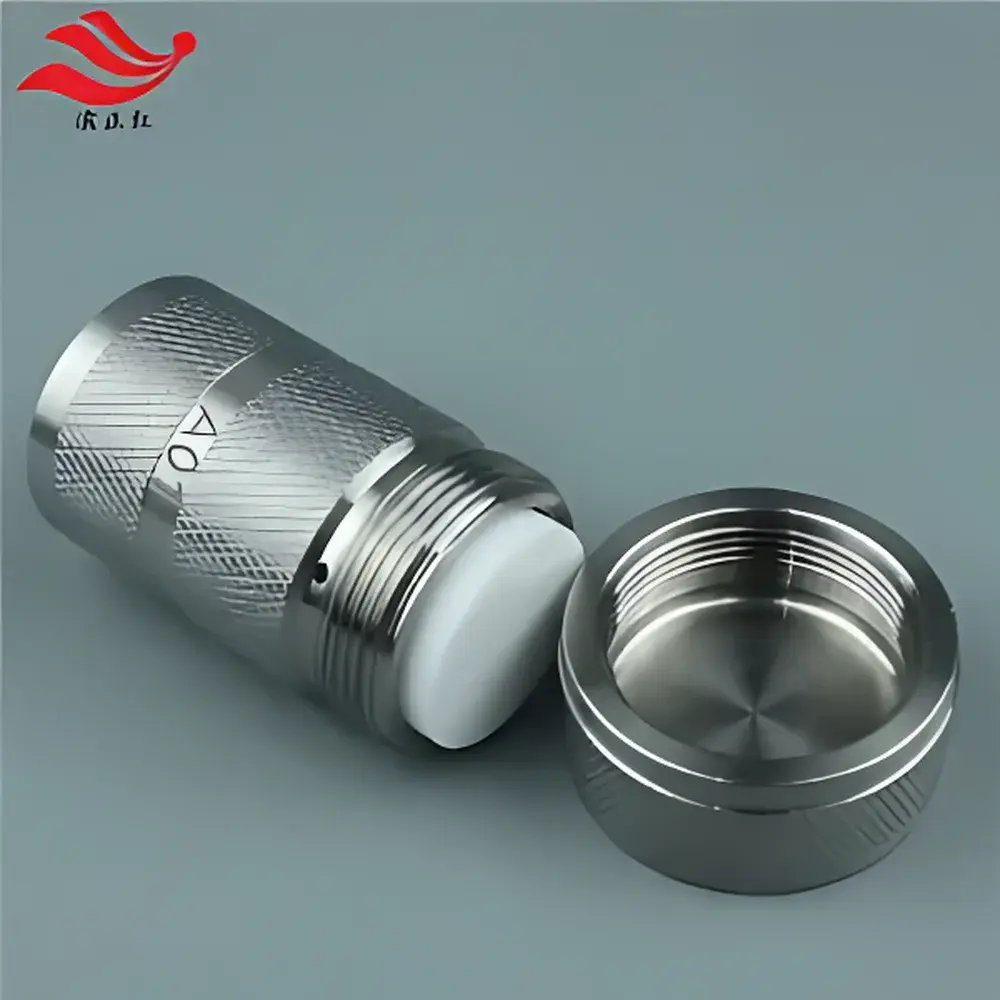
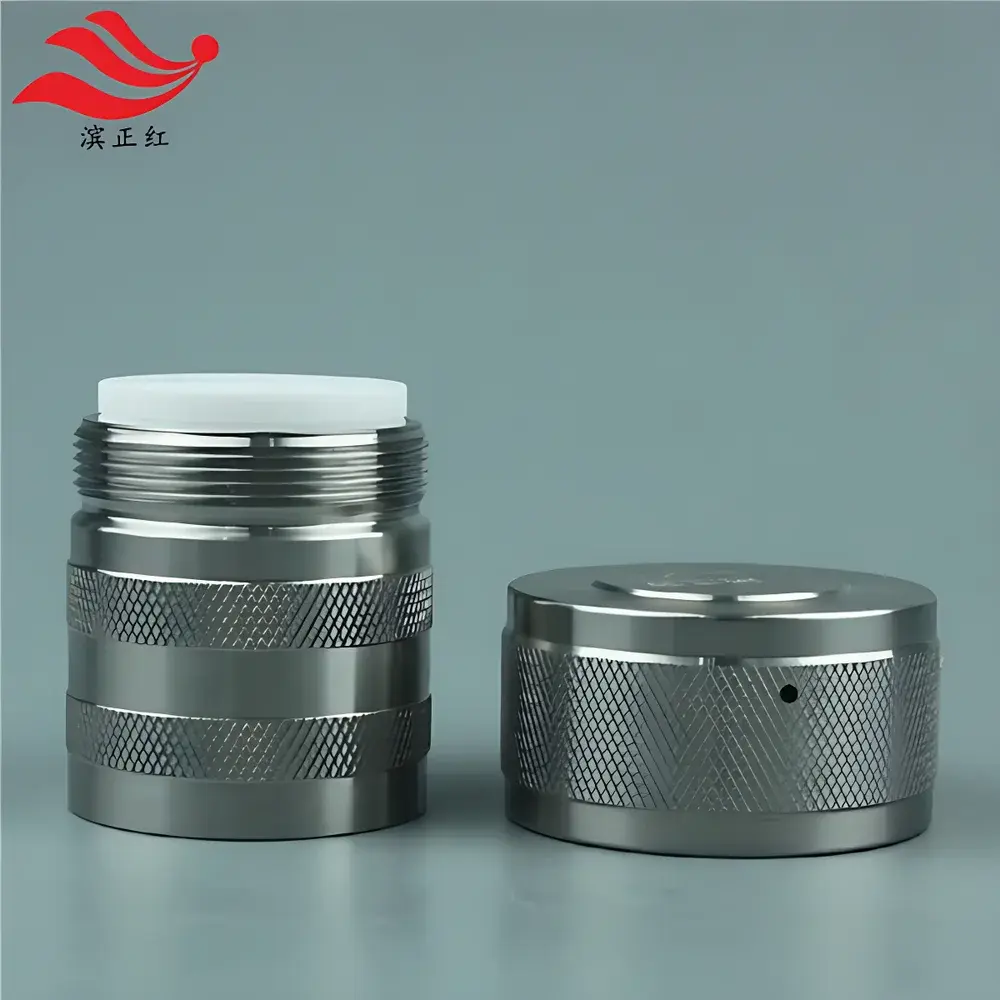
Sealed Microwave Digestion Vessel Set (10 mL & 15 mL) for GB/T 14506.30–2010 Compliant Silicate Rock Analysis
| Brand | Binzhenghong |
|---|---|
| Origin | Jiangsu, China |
| Manufacturer Type | Direct Manufacturer |
| Model Options | 10 mL, 15 mL (also available in 5–500 mL variants) |
| Material | Outer Can – High-Grade Non-Magnetic Stainless Steel |
| Max Operating Pressure | 5 MPa (50 kgf/cm²) |
| Compliance | Designed to meet GB/T 14506.30–2010 and GB/T 14506.1–2010 requirements for silicate rock geochemical analysis |
Overview
The Binzhenghong Sealed Microwave Digestion Vessel Set is an engineered solution for high-fidelity sample preparation of refractory geological matrices—specifically silicate rocks, soils, sediments, and mineral concentrates—under controlled high-temperature, high-pressure acidic conditions. Based on the principles of closed-vessel acid digestion, the system enables complete dissolution of aluminosilicates, zircons, monazites, and other HF-resistant phases using hydrofluoric acid (HF) and nitric acid (HNO₃) in a sealed environment. This approach adheres strictly to the procedural framework defined in GB/T 14506.30–2010 (“Methods for Chemical Analysis of Silicate Rocks — Part 30: Determination of Trace Elements by ICP-MS”) and its foundational standard GB/T 14506.1–2010. Unlike open-vessel hotplate digestion, this sealed configuration prevents volatilization loss of analytes such as Hg, As, Se, Sb, and Te, while minimizing reagent consumption and blank contribution—critical for sub-ppt detection limits required in modern ICP-MS workflows.
Key Features
- Two-tier vessel architecture: non-magnetic stainless steel outer pressure can (rated to 5 MPa) paired with chemically inert inner cups made from either high-purity PTFE (≤200 °C) or superior-grade TFM™ fluoropolymer (230–260 °C), offering enhanced thermal recovery, mechanical resilience, and ultra-low elemental background (Pb, U < 0.01 ppb)
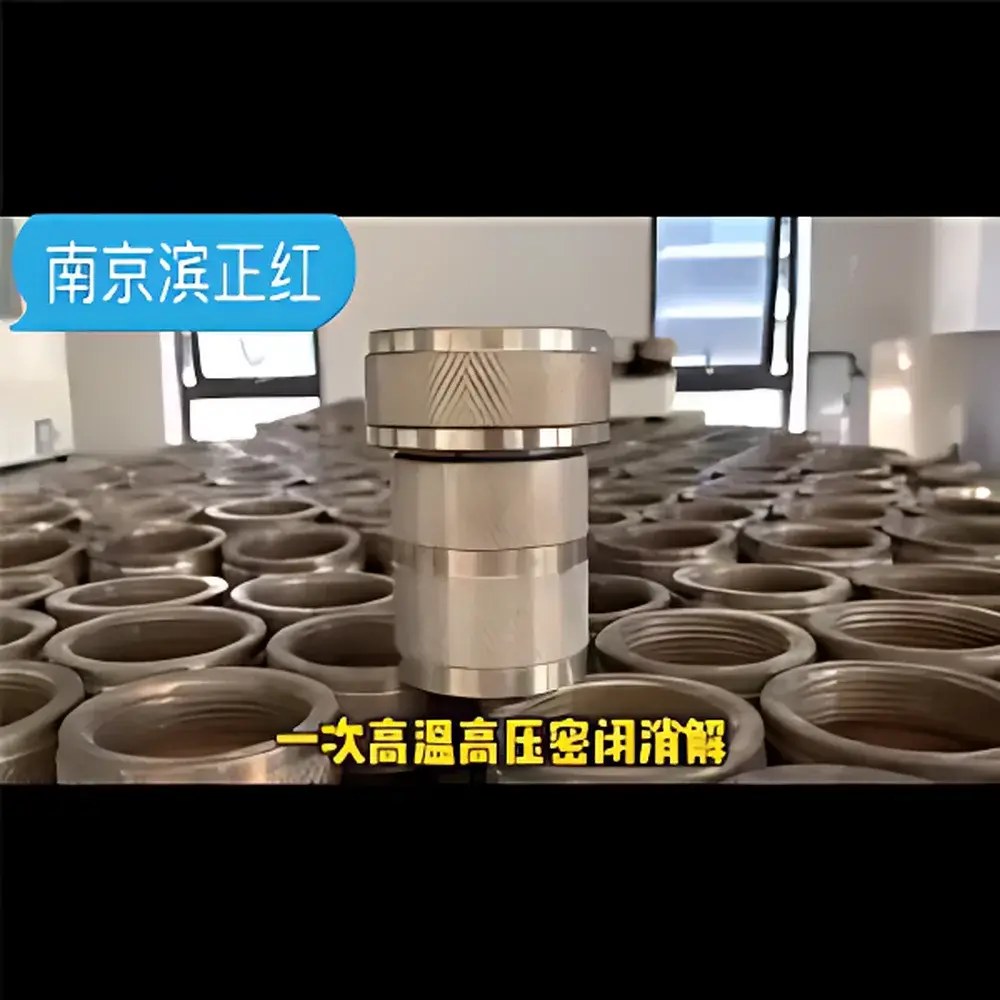
- Optimized geometry for uniform heat transfer and condensate reflux during oven-based digestion—enabling consistent acid recycling and minimal reagent usage (typically 1/3 to 1/5 of inner cup volume)
- Compatible with standard laboratory ovens and programmable heating blocks; no proprietary microwave hardware required
- Designed for post-digestion HF removal via controlled evaporation on electric hotplates prior to final HNO₃ dissolution and dilution—fully aligned with GB/T 14506.30–2010 protocol steps
- Interchangeable inner cups support integration with dedicated acid-down systems (e.g., graphite block acid evaporators) for parallel sample processing and trace-level blank control
Sample Compatibility & Compliance
This vessel set supports digestion of a broad spectrum of solid samples including igneous and metamorphic rocks, clays, fly ash, ores, ceramics, and biological tissues rich in silica or refractory oxides. It complies with national standard methodology for geochemical laboratories performing routine monitoring under China’s Geological Survey framework. While not certified to ISO/IEC 17025 or ASTM D5688 per se, its design fulfills technical prerequisites referenced in USP <231>, ISO 17294-2:2016 (water analysis), and ASTM D5688–18 (soil digestion), particularly where low-blank, high-recovery digestion is mandatory. The TFM™ variant meets stringent requirements for ultratrace metal analysis in environmental and nuclear materials testing, including compliance with GLP documentation needs for audit-ready sample preparation logs.
Software & Data Management
As a passive hardware component, the vessel set does not incorporate embedded electronics or firmware. However, it integrates seamlessly into LIMS- and ELN-supported workflows when used with validated SOPs documenting batch numbers, digestion temperature/time profiles, acid lot traceability, and post-digestion blank verification data. Laboratories implementing FDA 21 CFR Part 11-compliant electronic records may assign unique identifiers to each vessel set and log usage history—including cycle count, cleaning validation, and visual inspection results—to ensure long-term integrity tracking and prevent cross-contamination.
Applications
- Geochemical reference material certification (e.g., GSR, AGV, BCR series) via ICP-MS quantification of REEs, HFSEs, and chalcophiles
- Environmental monitoring of heavy metals (Pb, Cd, Cr, Hg, As) in soils, sludges, and dredged sediments per GB 15618–2018
- Metallurgical process control for rare earth element (REE) extraction efficiency assessment
- Food safety testing of agricultural products and seafood for residual heavy metals (GB 2762–2022)
- Nuclear fuel cycle support: U/Th isotopic ratio preparation for TIMS or MC-ICP-MS without polyatomic interference from residual F⁻
FAQ
What safety precautions apply when using HF in these vessels?
HF must be handled exclusively in fume hoods with calcium gluconate gel immediately accessible. Vessels should never be overfilled beyond 1/3 capacity when HF is present; cold nitration overnight is mandatory if perchloric acid (HClO₄) or hydrogen peroxide (H₂O₂) is co-used.
Can these vessels be used in microwave digestion systems?
No—they are engineered for convection or conductive heating (oven/hotplate), not microwave irradiation. Their stainless steel outer can is non-transparent to microwaves and poses arcing risk.
How often should the inner cups be replaced?
PTFE cups require replacement after ~20–30 digestions involving HF at >180 °C; TFM™ cups demonstrate extended service life (>50 cycles) under identical conditions, verified by ICP-MS blank monitoring.
Is cleaning validation required between sample batches?
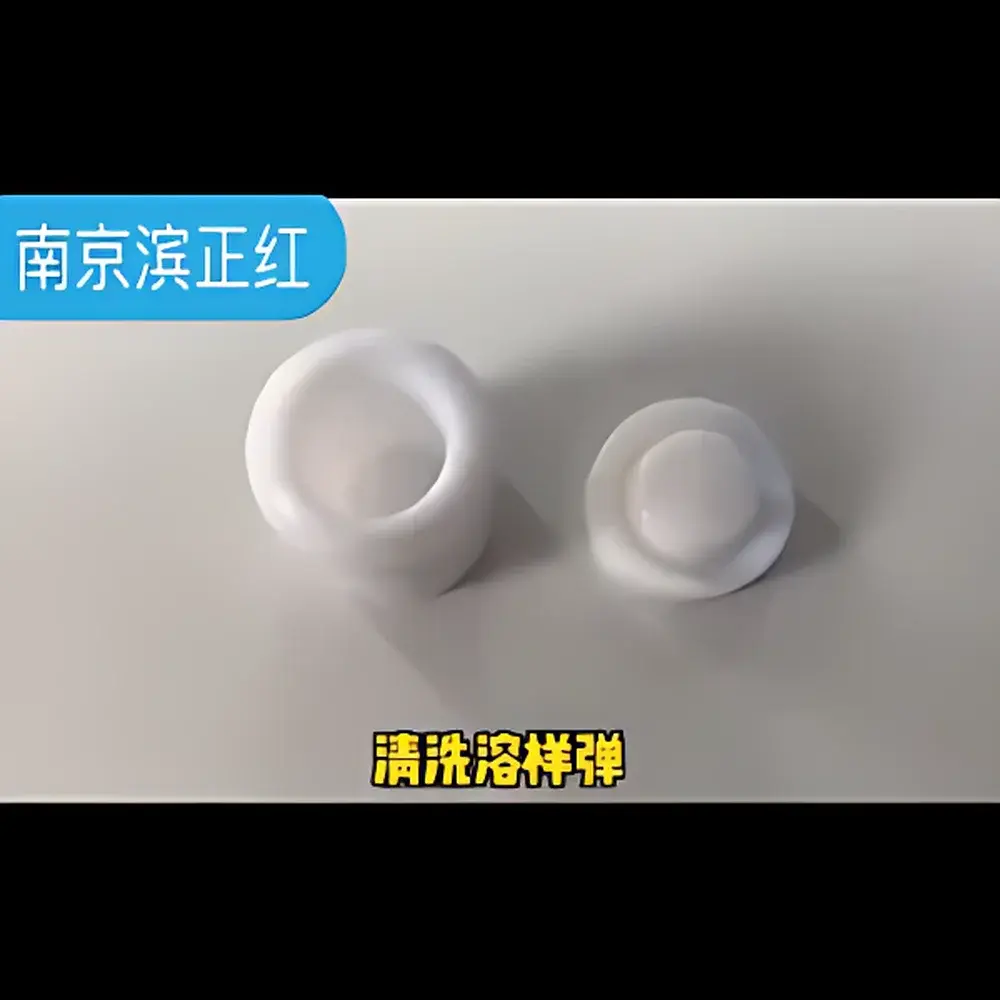
Yes. A minimum of three sequential rinses with 2% HNO₃ followed by ultrapure water (18.2 MΩ·cm), dried under Class 100 laminar flow, is recommended. Acid blanks must be analyzed concurrently to confirm ≤0.5 pg/g background for critical elements.



