
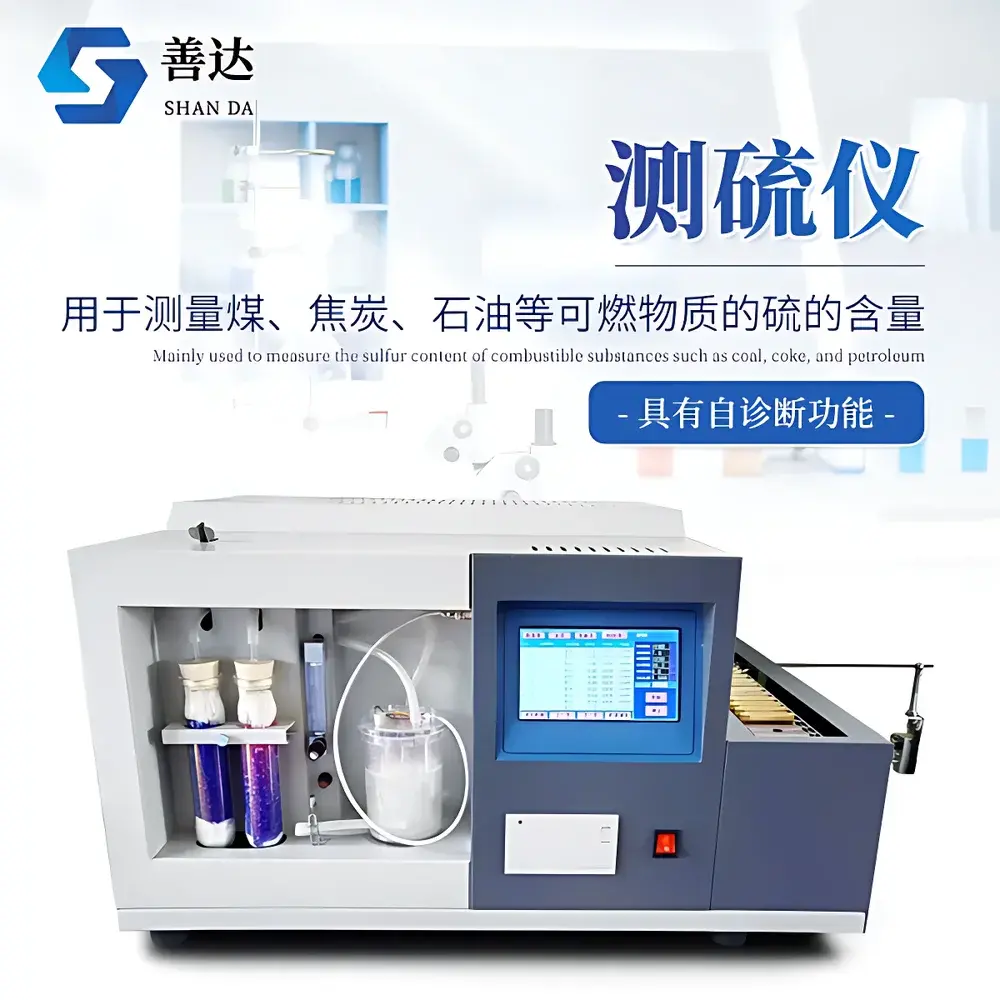
Shanda SD-CL9 Coulometric Sulfur Determinator for Coal and Solid Fuels
| Brand | Shanda |
|---|---|
| Origin | Shandong, China |
| Model | SD-CL9 |
| Measurement Principle | Coulometric Titration (per GB/T 214–2007) |
| Sample Types | Coal, Coke, Activated Carbon, Petroleum Coke |
| Temperature Control | Microprocessor-regulated High-Temperature Furnace (up to 1150 °C) |
| Electrolytic Cell | Integrated Dual-Platinum Electrode Cell |
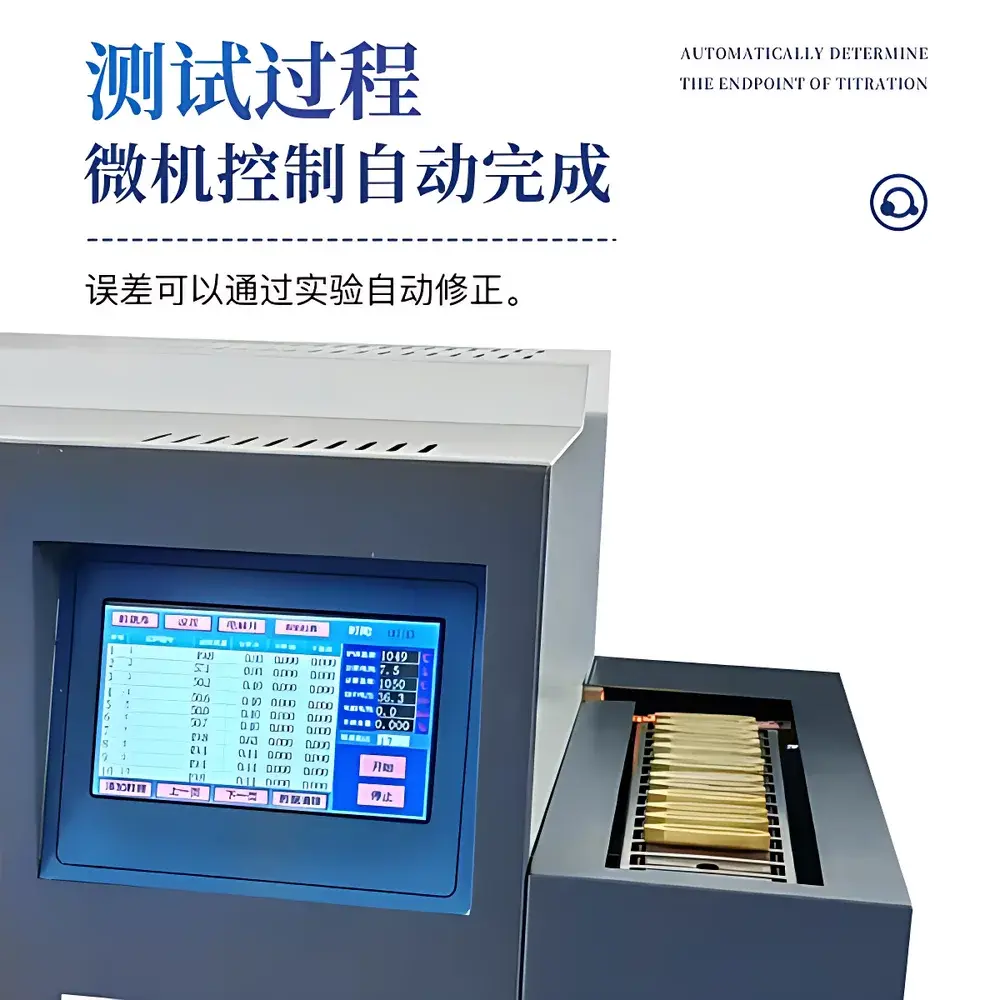
| Display | 7-inch TFT LCD Touch Interface |
| Power Supply | AC (220 ± 22) V, 50 Hz |
| Max Power Consumption | ≤3 kW |
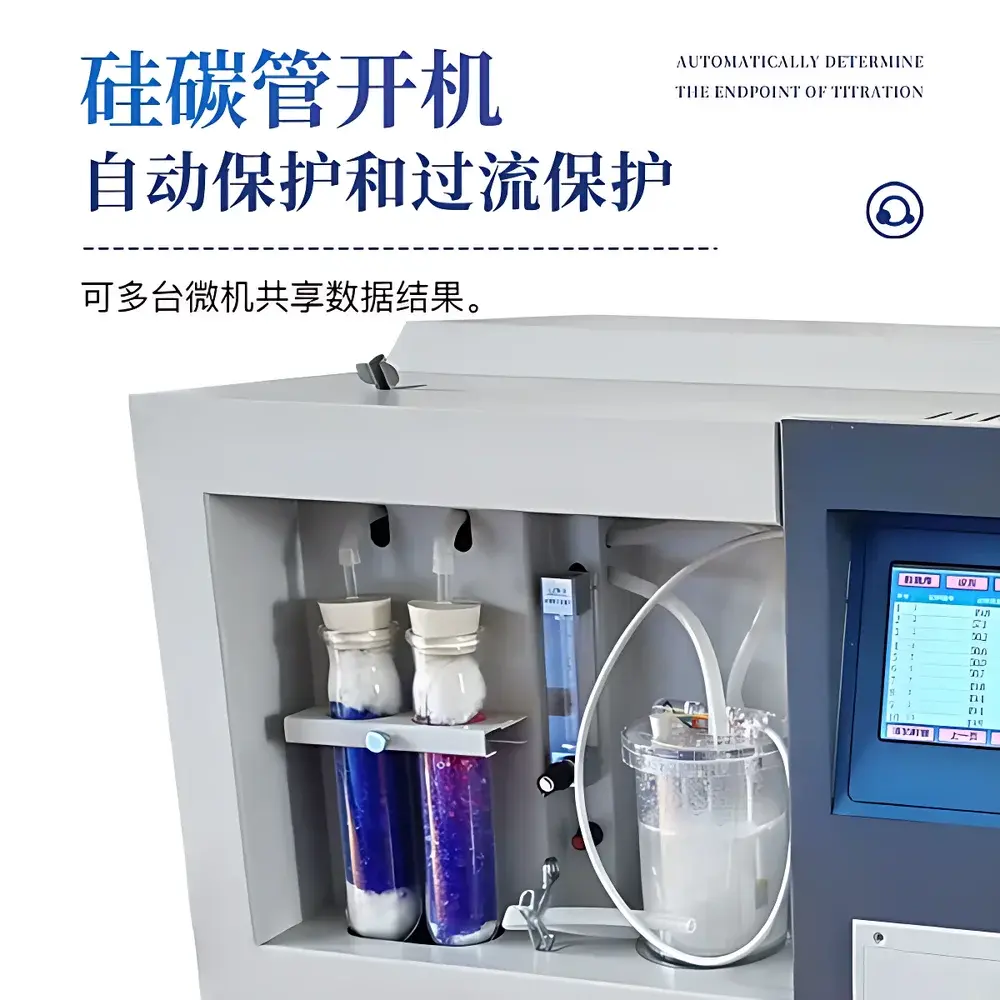
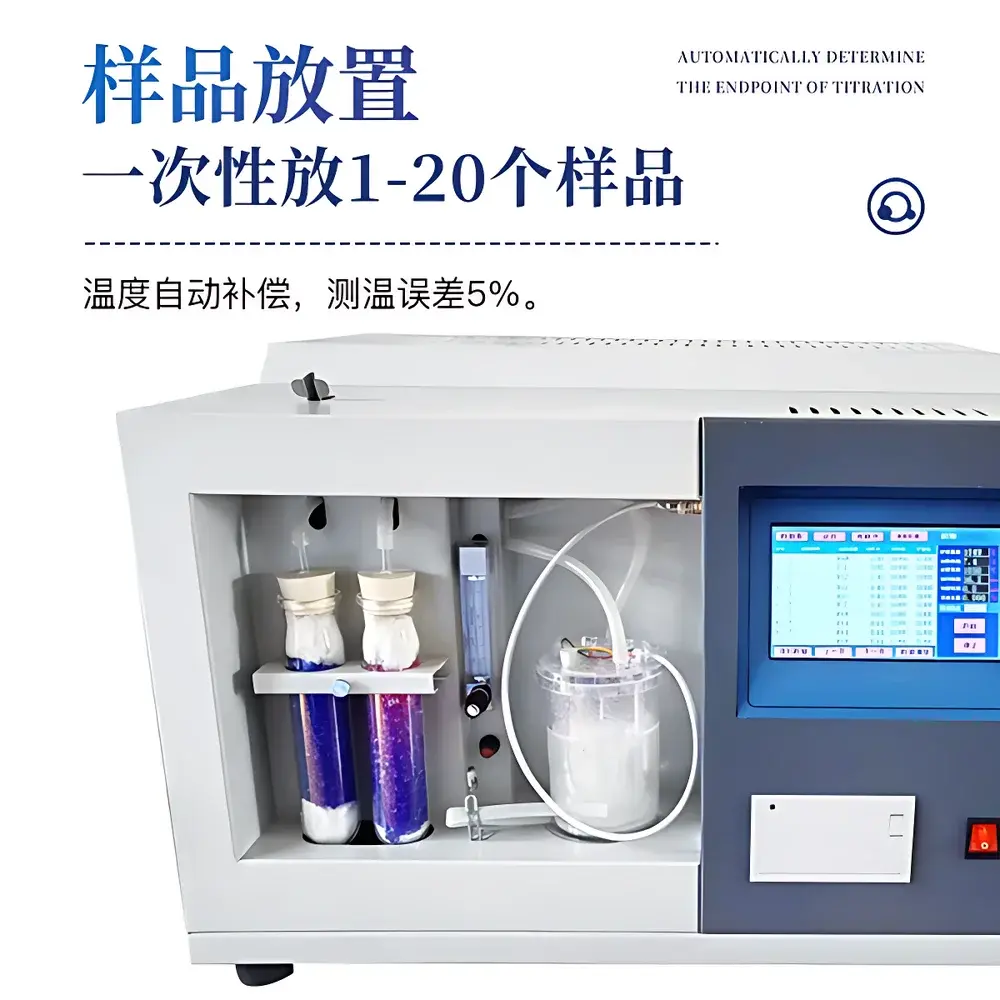
| Safety Features | Automatic Silicon Carbide Tube Protection, Overcurrent Protection, Real-time Temperature Compensation |
| Data Management | Non-volatile Memory Storage, USB Export, Print Support (via RS232 or USB thermal printer) |
| Compliance | Designed to meet requirements of GB/T 214–2007, ASTM D3177, ISO 4293, and supports GLP-compliant audit trails when paired with optional PC software |
Overview
The Shanda SD-CL9 Coulometric Sulfur Determinator is a compact, integrated benchtop instrument engineered for precise sulfur quantification in solid fuels—including bituminous and anthracite coal, coke, activated carbon, and petroleum coke—using the standardized coulometric titration method. It operates in full compliance with GB/T 214–2007 (“Determination of Total Sulfur in Coal—Coulometric Method”), and its measurement architecture aligns with internationally recognized protocols such as ASTM D3177 (“Standard Test Method for Total Sulfur in the Analysis Sample of Coal and Coke”) and ISO 4293 (“Coal and Coke—Determination of Total Sulfur—Coulometric Method”). The system thermally decomposes samples at controlled high temperatures (up to 1150 °C) in a purified oxygen stream within a silicon carbide tube furnace. Resulting sulfur oxides are absorbed in an electrolyte solution, where electrochemical oxidation generates a stoichiometric current proportional to sulfur content. The microprocessor-controlled coulometric cell measures charge integration in real time, enabling direct mass-based sulfur calculation per Faraday’s law without manual reagent standardization.
Key Features
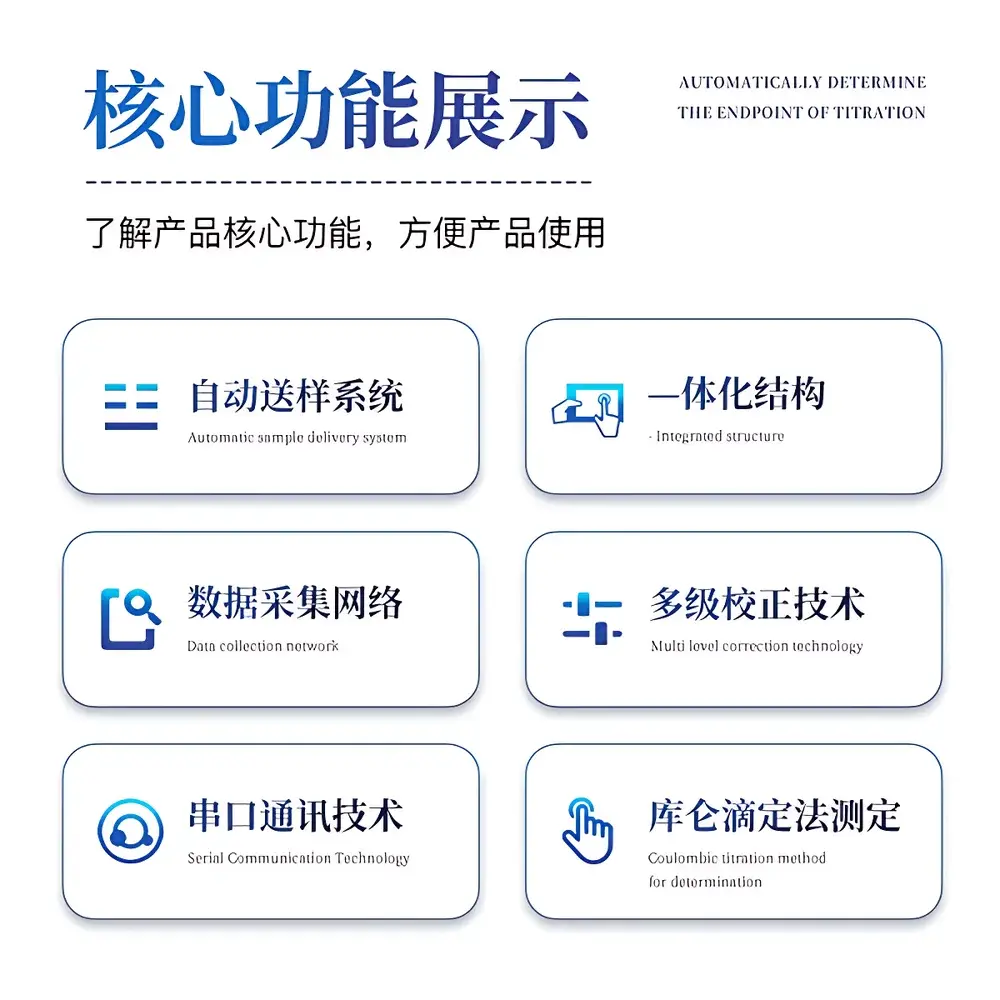
- Fully integrated design housing high-temperature furnace, dual-platinum electrode electrolytic cell, magnetic stirrer, air purification unit, automated sample introduction mechanism, and embedded single-chip control system in a single compact chassis.
- 7-inch TFT LCD touchscreen interface with intuitive menu navigation; supports parameter configuration, real-time status monitoring, and on-device result review without external PC dependency.
- Microprocessor-based temperature regulation with dynamic compensation algorithms—reducing thermal drift impact and maintaining furnace stability within ±5 °C across extended operation cycles.
- Automatic calibration correction: system performs iterative error adjustment during repeated analysis using certified reference materials (CRMs), improving long-term reproducibility without manual intervention.
- Dual-layer safety architecture: includes silicon carbide tube overheat detection, real-time current monitoring with automatic circuit cutoff upon overcurrent event, and fail-safe gas flow interlock.
- Energy-efficient operation: rated power ≤3 kW; optimized thermal insulation and duty-cycle management reduce standby heat loss and extend component service life.
Sample Compatibility & Compliance
The SD-CL9 accepts solid, non-volatile fuel samples with particle size ≤0.2 mm (60 mesh), consistent with GB/T 214–2007 sampling preparation guidelines. It accommodates sample masses from 50 to 100 mg, delivering typical repeatability (RSD) <0.05% for sulfur concentrations between 0.1% and 5.0% (w/w). Instrument validation follows documented procedures aligned with ISO/IEC 17025 principles. When operated with optional PC-based data acquisition software, the system supports 21 CFR Part 11–compliant electronic records—including user authentication, audit trail logging, and immutable result archiving—making it suitable for quality control laboratories operating under GMP or GLP frameworks.
Software & Data Management
All analytical results—including sample ID, test date/time, sulfur % (dry basis), furnace temperature profile, electrolysis charge (C), and system diagnostic flags—are stored in internal non-volatile memory (≥10,000 test records). Data export is supported via USB flash drive (CSV format) or RS232 serial interface for integration into LIMS environments. Optional Windows-compatible software provides advanced reporting (customizable templates), statistical trend analysis (X-bar/R charts), CRM tracking, and electronic signature capability for regulatory submissions. Raw coulometric current vs. time curves can be retrieved for method verification and troubleshooting.
Applications
- Coal quality assurance in mining, blending, and power generation facilities—ensuring compliance with emission trading thresholds and combustion efficiency targets.
- Quality control of metallurgical coke in integrated steel plants, where sulfur content directly impacts blast furnace productivity and slag chemistry.
- Specification verification of activated carbon used in flue gas desulfurization (FGD) systems and catalytic support applications.
- Research-grade sulfur speciation studies (when coupled with pre-treatment modules for sulfate/sulfide differentiation).
- Third-party testing laboratories accredited to CNAS, UKAS, or A2LA standards requiring traceable, auditable sulfur determinations.
FAQ
What standards does the SD-CL9 comply with?
It conforms to GB/T 214–2007, ASTM D3177, and ISO 4293 for total sulfur determination in solid fuels.
Can the instrument measure sulfur in liquid or gaseous samples?
No—it is specifically designed for solid, combustible matrices; liquid or gas analysis requires alternate instrumentation (e.g., UV fluorescence or XRF analyzers).
Is routine maintenance required for the electrolytic cell?
Yes: electrodes require periodic cleaning with dilute nitric acid; electrolyte must be replaced after ~200 analyses or when baseline current exceeds 10 mA.
Does the system support multi-user access control?
Not natively on the embedded interface; however, the optional PC software enables role-based login, permission tiers, and session audit logs.
What is the typical analysis time per sample?
Approximately 3–5 minutes, including combustion, absorption, titration, and result calculation—dependent on sample sulfur concentration and matrix complexity.





