
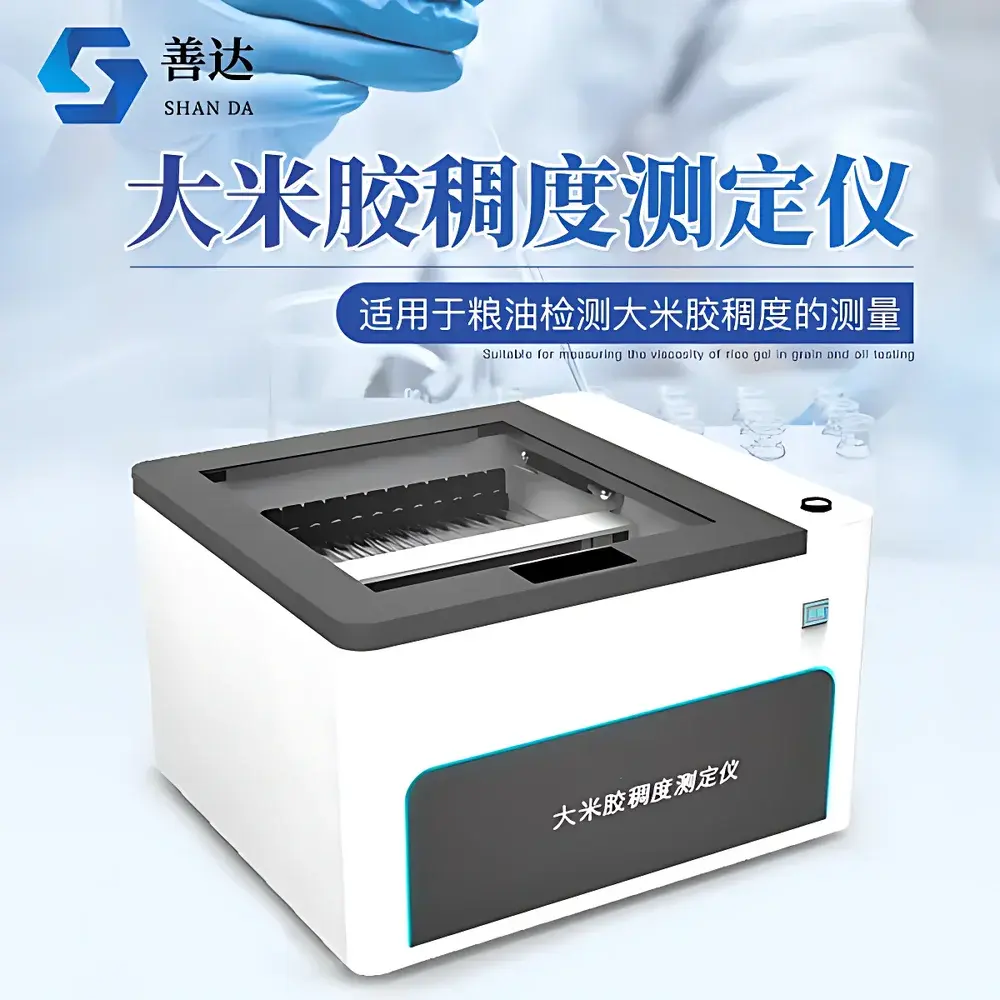
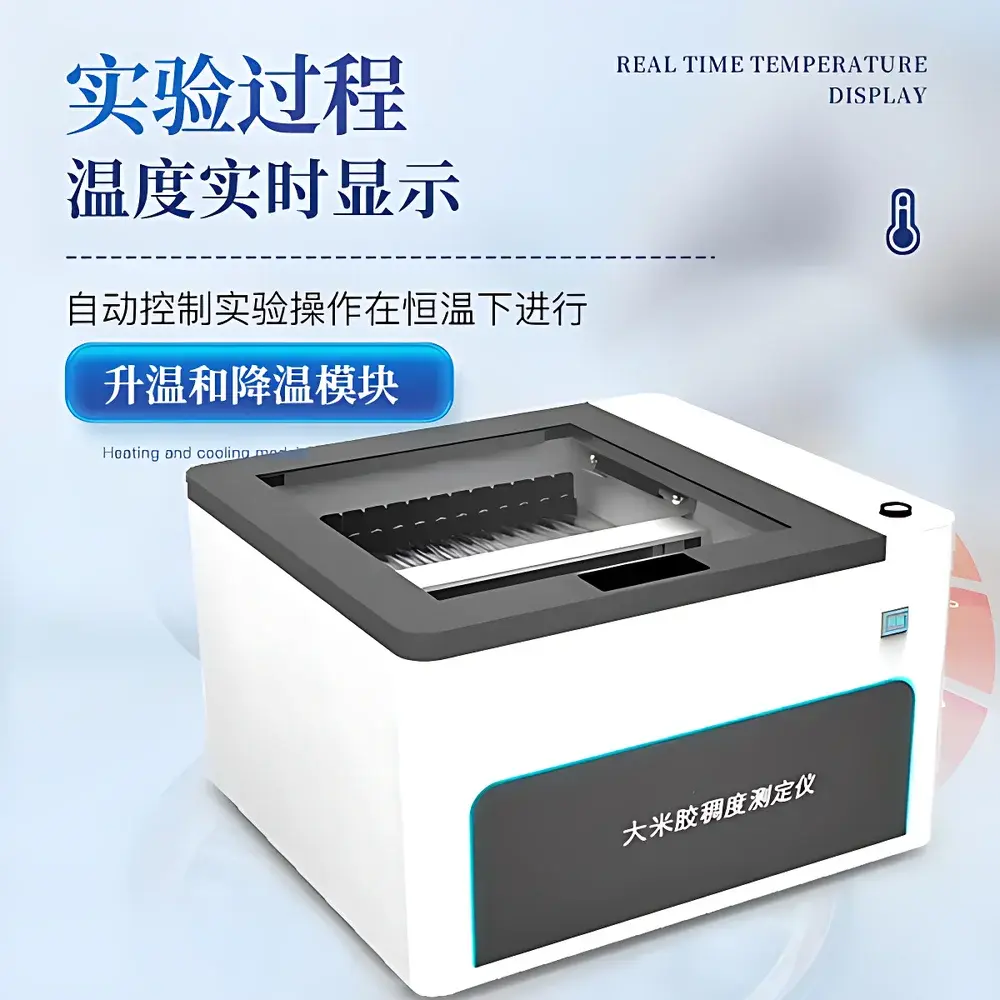
Shanda SD-GCT-28A Rice Gel Consistency Analyzer
| Brand | Shanda |
|---|---|
| Model | SD-GCT-28A |
| Sample Capacity | 28 positions |
| Power Supply | 220–230 V, 50 Hz |
| Operating Temperature Range | 5–40 °C |
| Relative Humidity | 10–85% |
| Temperature Control Accuracy | 25 °C ± 2 °C |
| Software | PC-based workstation software with real-time hardware monitoring, error code display, Excel export, color-coded batch labeling, and historical data retrieval |
| Optional Accessories | Rice sample preparation mill, dedicated PC, water-cooling unit |
Overview
The Shanda SD-GCT-28A Rice Gel Consistency Analyzer is a purpose-built instrument engineered for standardized, high-throughput assessment of gel consistency in milled rice—a critical physicochemical parameter directly correlated with cooking quality, texture, and consumer acceptability. Based on the principle of controlled thermal gelatinization followed by quantitative measurement of gel extension under standardized conditions (per GB/T 17891–2018, ISO 6647-1:2022, and AACCI Method 61-02), the system automates the entire protocol: precise temperature ramping, isothermal holding at 25 °C, gravity-driven gel flow measurement, and digital image-based length quantification. Unlike manual or semi-automated methods, the SD-GCT-28A eliminates inter-operator variability and ensures method reproducibility across laboratories engaged in rice breeding, quality control, grain trading, and regulatory compliance testing.
Key Features
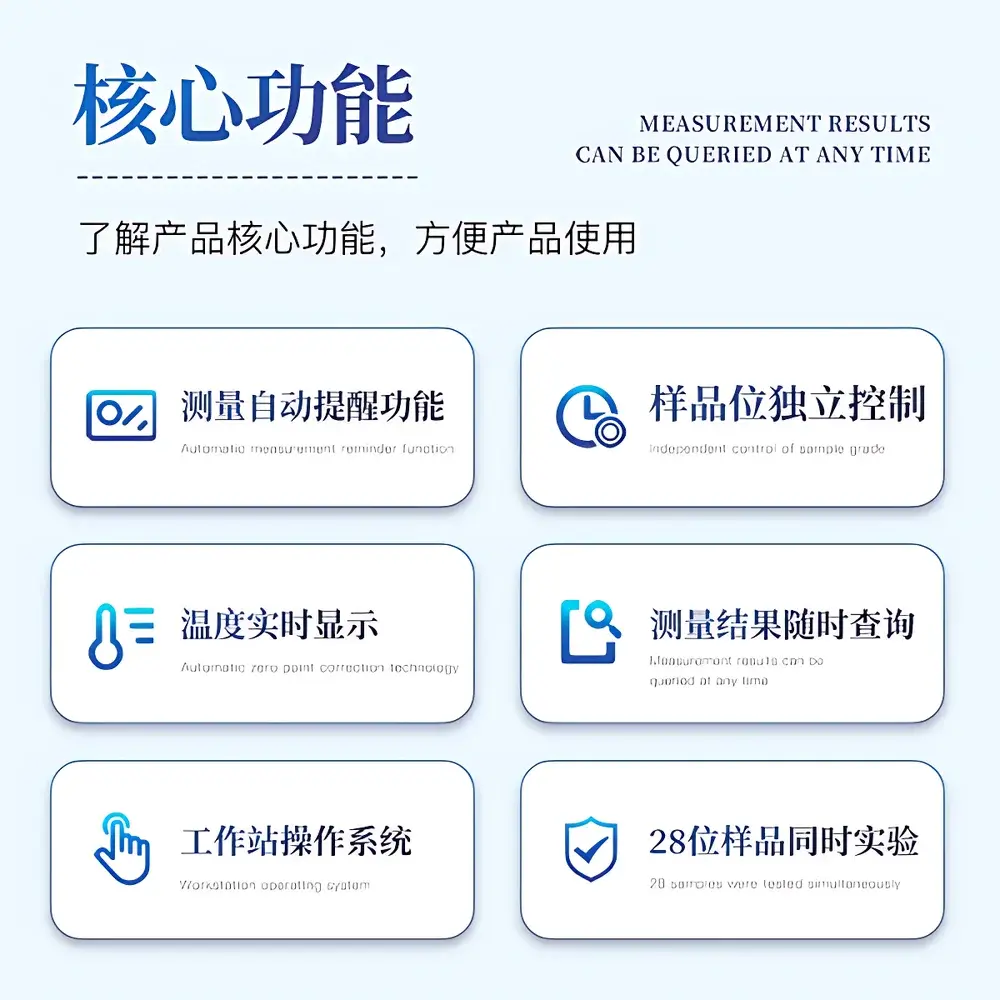
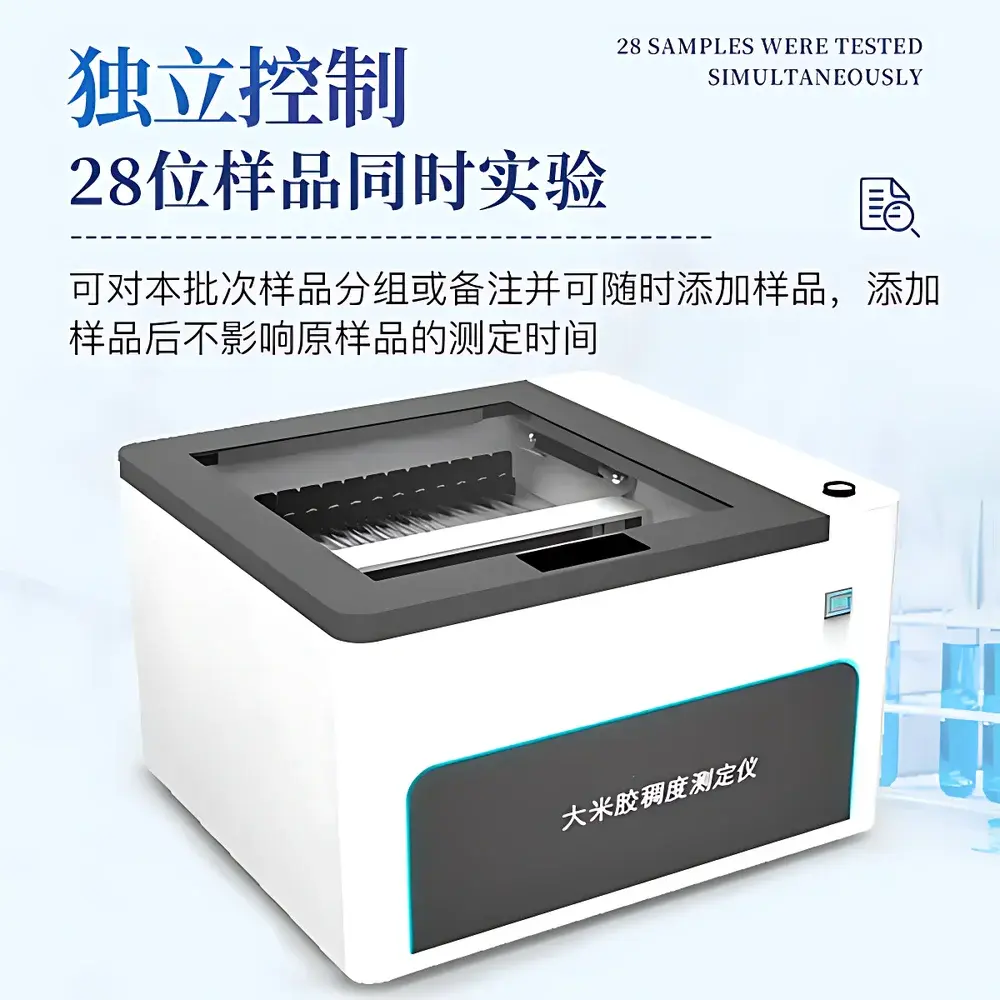
- 28-position parallel processing architecture—each sample position operates independently, enabling flexible batch sizing, mid-run sample addition, and asynchronous start times without compromising scheduled incubation or cooling cycles.
- Integrated dual-mode thermal management system—combines Peltier-based heating and active water-cooling (optional) to achieve rapid, stable temperature equilibration at 25 °C ± 2 °C across all positions, verified via embedded platinum RTD sensors with real-time digital readout.
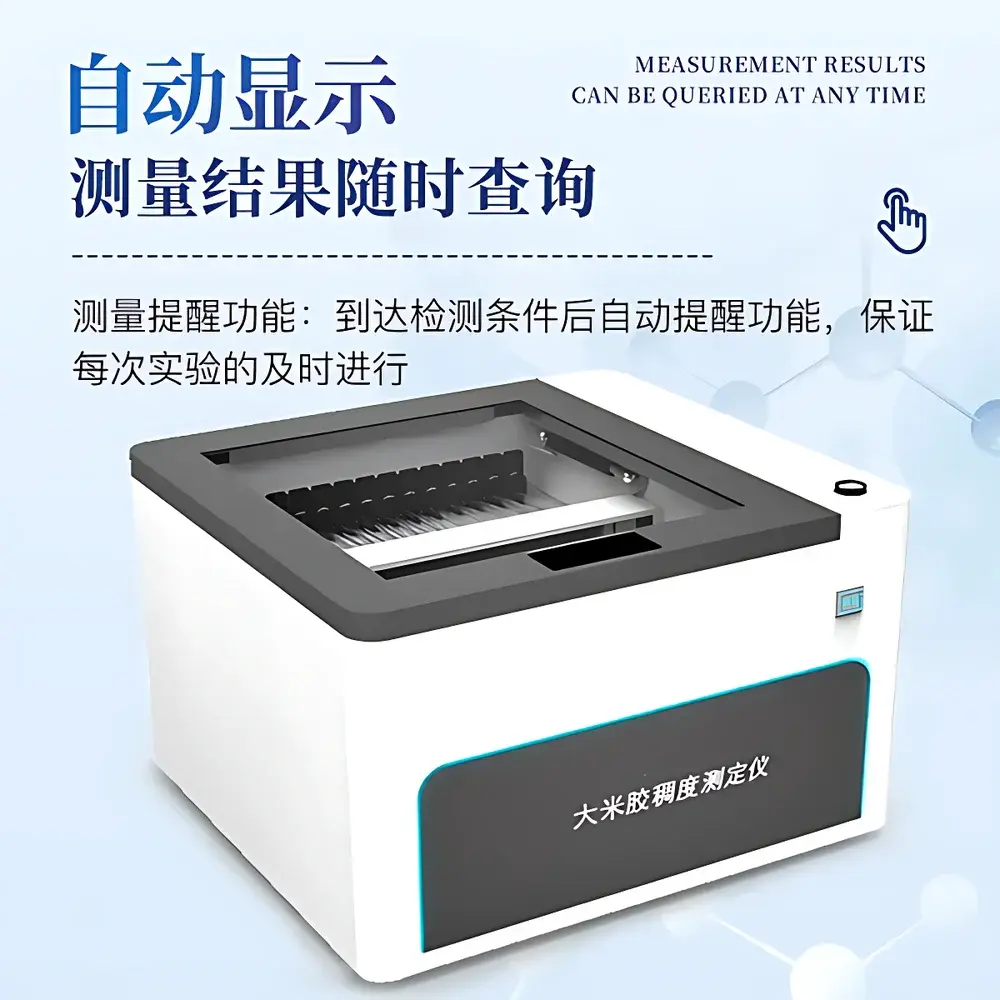
- PC-controlled workstation software—provides full instrument orchestration, including step-by-step protocol execution, live hardware status dashboard, automatic fault detection with diagnostic error codes (e.g., “THERM-07”, “POS-12 TIMEOUT”), and timestamped audit trail generation compliant with GLP documentation requirements.
- Batch differentiation and traceability—supports user-defined sample groups, custom annotations, and color-coded visualization in result tables; all exported datasets retain batch ID, operator ID, date/time stamps, and environmental logs (ambient T/RH).
- Regulatory-ready data handling—measurement results are natively exportable to .xlsx format with embedded metadata; raw gel images and thermal profiles are stored in vendor-neutral TIFF and CSV formats for third-party validation or archival per FDA 21 CFR Part 11 principles (when deployed with validated IT infrastructure).
Sample Compatibility & Compliance
The SD-GCT-28A accepts standard 1.0 g milled rice samples prepared according to GB/T 1354–2018 or ISO 6647-1:2022 protocols. It accommodates both indica and japonica cultivars, parboiled rice, and fortified or blended rice products—provided particle size distribution falls within specified limits (≤ 250 µm D90). The instrument’s operational parameters align with national and international standards for rice quality evaluation, including China’s NY/T 2334–2013 (rice gel consistency grading), ASEAN Standard ASAE S592.2, and Codex Alimentarius CXS 192–1995 Annex A. Its design adheres to IEC 61010-1:2010 safety requirements for laboratory electrical equipment, and electromagnetic compatibility conforms to EN 61326-1:2013.
Software & Data Management
The included Windows-compatible workstation software (v3.2+) implements a modular architecture: Protocol Editor (for defining multi-step thermal profiles), Acquisition Engine (synchronized with camera and temperature sensors), and Report Generator (with customizable templates for internal QC, supplier certificates, or regulatory submissions). All measurement events—including gel length (mm), spread area (mm²), and temperature deviation history—are time-stamped and written to a local SQLite database. Audit trails record user login/logout, parameter modifications, calibration actions, and export events. For laboratories operating under GMP or ISO/IEC 17025 frameworks, optional software validation packages—including IQ/OQ documentation and electronic signature modules—are available upon request.
Applications
- Rice breeding programs—high-throughput phenotyping of gel consistency as a selection trait for low-amylose varieties.
- Grain procurement and export inspection—objective verification of contract-specified quality grades (e.g., “soft” vs. “medium” gel type per Thai Rice Standard TIS 279–2552).
- Food manufacturing QA/QC—monitoring batch-to-batch consistency in rice-based snacks, infant cereals, and ready-to-eat meals.
- Research on starch retrogradation kinetics—paired with complementary techniques (DSC, RVA) to model long-term texture stability.
- Regulatory reference labs—supporting official testing for national food safety authorities and regional trade bodies.
FAQ
What standards does the SD-GCT-28A comply with?
It supports GB/T 17891–2018, ISO 6647-1:2022, AACCI Method 61-02, and NY/T 2334–2013.
Is the instrument suitable for paddy or brown rice testing?
No—it requires milled white rice samples meeting particle size and moisture specifications outlined in GB/T 1354–2018.
Can the software be integrated into a LIMS environment?
Yes—via configurable ODBC drivers and delimited text export; API integration support is available under enterprise licensing.
What maintenance is required for long-term accuracy?
Annual calibration of temperature sensors and optical alignment verification using NIST-traceable reference gels is recommended.
Is water cooling mandatory for operation?
No—it is optional but strongly advised in ambient environments exceeding 32 °C or during extended multi-batch runs to maintain thermal stability.
Related Products





