
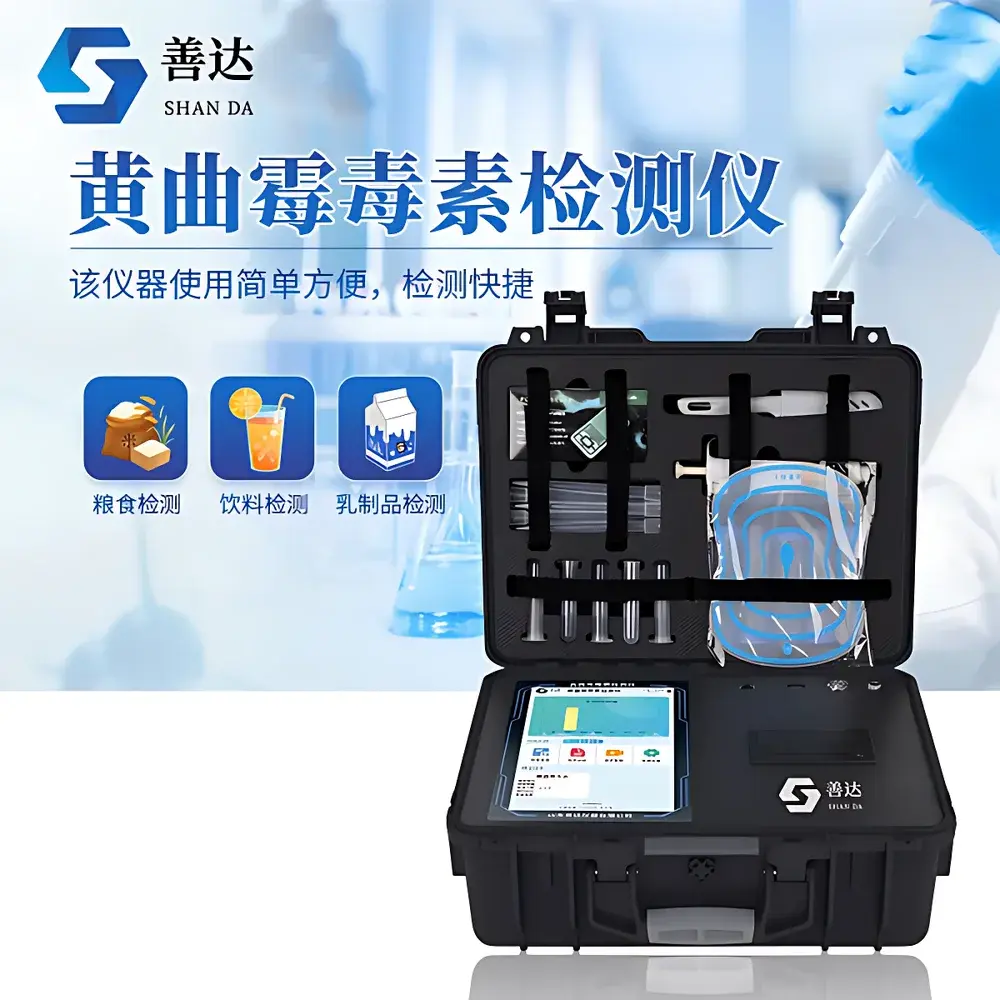
Shanda SD-HQMG Food Safety Rapid Detector for Mycotoxins in Grains and Feed
| Brand | Shanda |
|---|---|
| Origin | Shandong, China |
| Manufacturer Type | Authorized Distributor |
| Model | SD-HQMG |
| Price | USD 1,390 (FOB) |
| Function Type | Multi-analyte Detection Platform |
| Sample Scope | Universal for Cereals, Oilseeds, Feed Matrices, and Processed Food Commodities |
| Main Controller | ARM Cortex-A7 |
| Detection Channels | ≥12 independent optical channels |
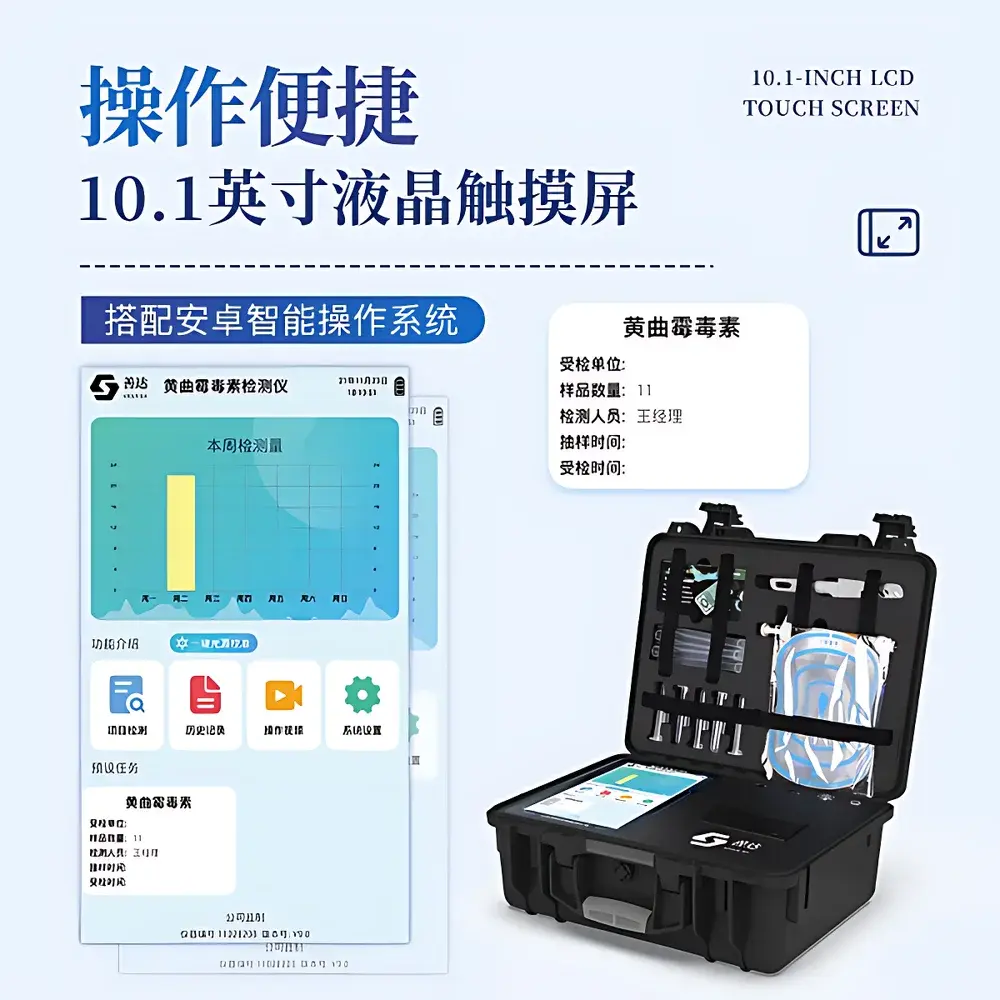
| Display | 10.1-inch HD vertical capacitive touchscreen (1280×800) |
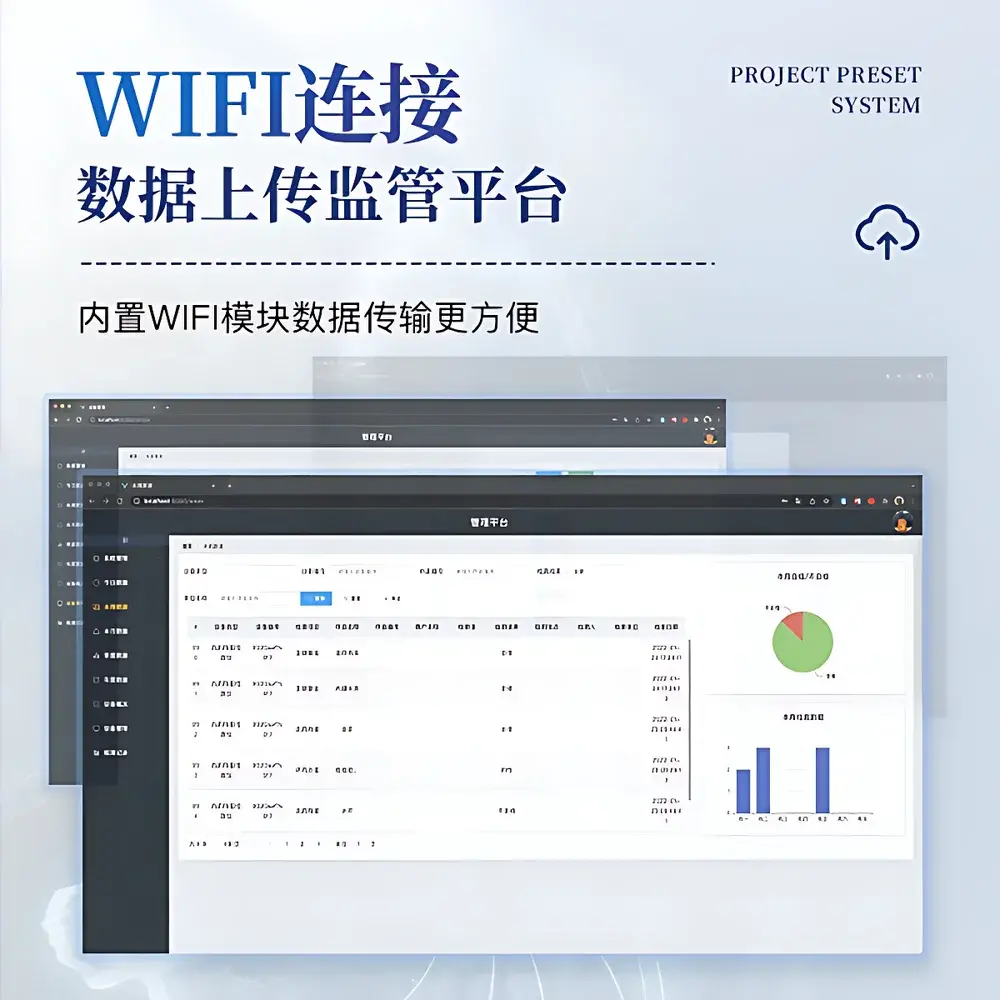
| Communication Interfaces | Integrated Wi-Fi (802.11 b/g/n), RJ45 Ethernet port, USB 2.0 host/device |
| Power Supply | DC 12 V — compatible with vehicle power outlets |
| Data Storage | Internal eMMC (16 GB) + USB flash drive support (FAT32/exFAT) |
| Dimensions (W×D×H) | 430 × 350 × 190 mm |
| Net Weight | 5.1 kg |
| Light Source | Precision imported quad-wavelength cold LED source (450 nm, 520 nm, 590 nm, 630 nm) |
| Processor | Rockchip RK3288 (ARM Cortex-A17 quad-core, 1.8 GHz) |
Overview
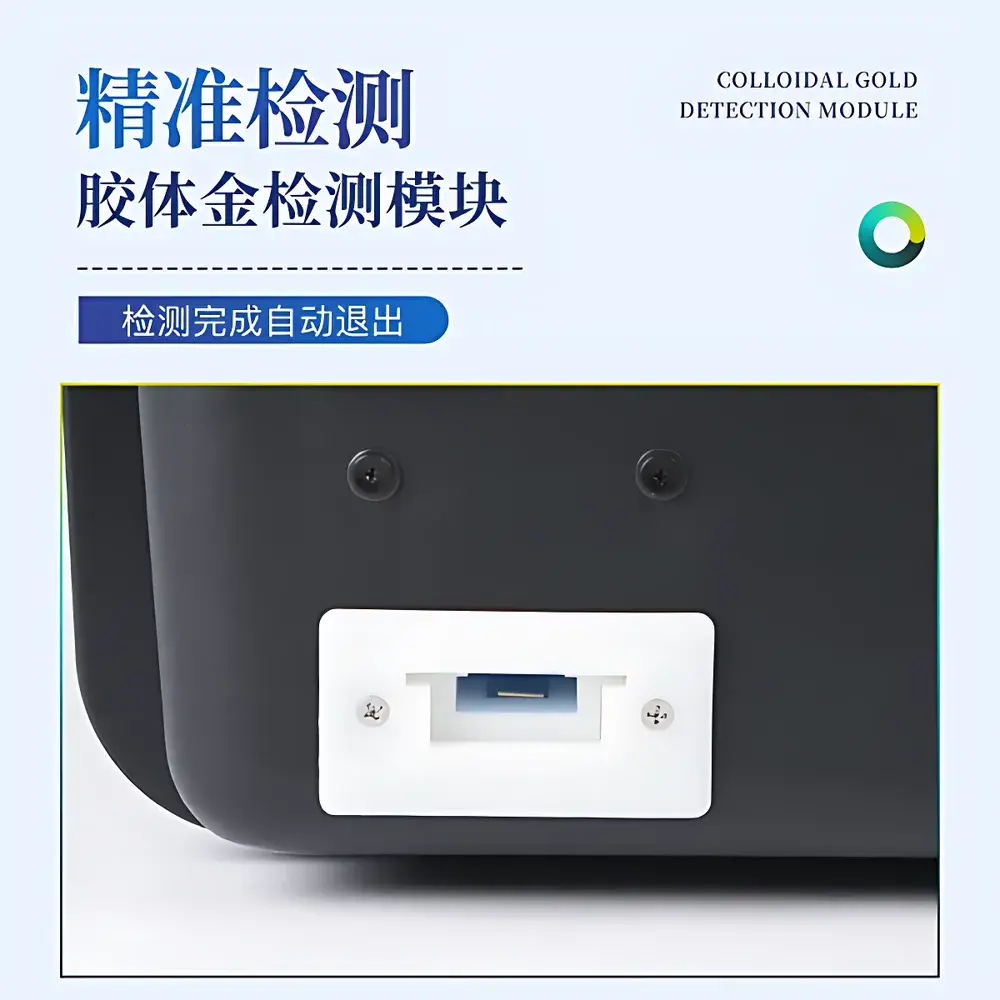
The Shanda SD-HQMG is a field-deployable, multi-channel lateral flow immunoassay (LFIA) reader engineered for quantitative and semi-quantitative detection of mycotoxins—including aflatoxin B1, deoxynivalenol (DON), zearalenone (ZEN), ochratoxin A (OTA), and fumonisins—in raw grains, compound feed, premixes, and finished feed products. It operates on the principle of reflectance photometry applied to colloidal gold-labeled test strips, where analyte concentration is determined by measuring the optical density ratio between control (C) and test (T) lines across four precisely calibrated wavelengths. Designed for compliance with AOAC Official Method of Analysis (OMA) performance criteria for rapid screening and aligned with ISO/IEC 17025–recommended validation frameworks, the SD-HQMG delivers traceable, reproducible results without requiring laboratory infrastructure. Its embedded Android 7.1 OS enables seamless integration into decentralized food safety surveillance networks—particularly relevant for grain elevators, feed mills, border inspection posts, and mobile regulatory units operating under time-sensitive sampling protocols.
Key Features
- 12+ parallel detection channels with synchronized scanning—enabling simultaneous analysis of up to 12 test strips per run, reducing batch processing time by >65% compared to single-channel readers.
- Quad-wavelength cold LED illumination system ensures spectral stability across environmental temperatures (10–40 °C), minimizing drift-induced quantification error in field conditions.
- Auto-calibrating CT-line recognition algorithm with dynamic threshold adjustment—eliminates manual line positioning and supports real-time curve visualization and automatic T/C ratio calculation.
- On-device data aggregation engine: generates weekly/monthly summary dashboards with bar charts showing total tests, pass/fail counts, and trend indicators—exportable as CSV or Excel-compatible .xlsx files.
- Pre-configurable task templates: users define sample ID, matrix type, target analyte(s), and submitting entity prior to testing—reducing input errors and accelerating throughput during high-volume inspections.
- Firmware-over-the-air (FOTA) capability: secure, instrument-specific updates delivered via HTTPS; supports selective deployment to defined user groups without requiring physical device return or service technician intervention.
- Role-based access control (RBAC): configurable operator profiles with password protection, audit-trail logging of all calibration, result modification, and system configuration events—supporting GLP-aligned documentation practices.
Sample Compatibility & Compliance
The SD-HQMG accepts all commercially available colloidal gold immunochromatographic test kits validated for grain and feed matrices, including those certified to CNAS-accredited reference methods (e.g., GB/T 5009.22–2016, GB/T 18979–2003, GB/T 23502–2009). It has been verified for use with extraction protocols compliant with EN 15841:2016 (mycotoxin extraction from cereals) and AOAC 2013.01 (DON in wheat). While not an ISO 17025-accredited instrument itself, its output meets the data integrity requirements for screening-level decisions under EU Regulation (EC) No 401/2006 and FDA’s Guidance for Industry: “Analytical Methods for Mycotoxins in Food.” Instrument firmware logs include timestamps, operator IDs, and environmental sensor readings (ambient temperature/humidity), supporting traceability during regulatory audits.
Software & Data Management
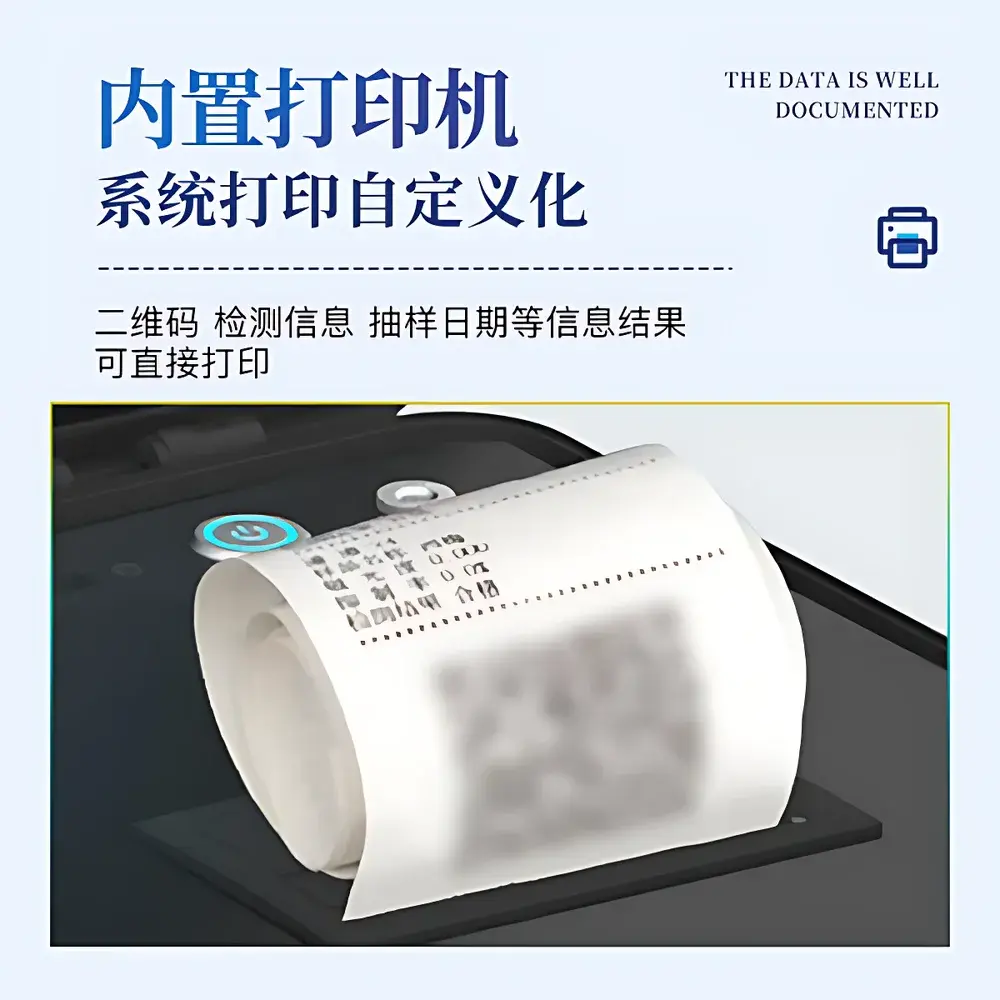
The embedded Android application provides native support for structured data export via USB mass storage or network transfer (SFTP/HTTP POST). All results are stored with cryptographic hash signatures to prevent tampering. Integration with national food safety monitoring platforms (e.g., China’s NIFDC Food Safety Information System) is achieved through standardized JSON payloads conforming to GB/T 35273–2020 (Personal Information Security Specification) and GB/T 28181–2016 (video/data interoperability framework). Audit logs record every action—including login attempts, calibration events, result edits, and firmware updates—with SHA-256 hashing and local encryption at rest. Optional A4 report generation complies with GB/T 19001–2016 documentation controls, embedding QR codes linking to raw image archives and metadata.
Applications
- Routine incoming inspection of corn, wheat, barley, soybean meal, and DDGS at feed manufacturing facilities.
- Field-level verification of harvest-quality assurance programs targeting pre-harvest aflatoxin mitigation strategies.
- Regulatory border control screening for exported grains entering markets with strict mycotoxin thresholds (e.g., EU maximum levels).
- Third-party certification laboratories performing rapid triage prior to confirmatory LC-MS/MS analysis.
- Extension services delivering on-site capacity building for smallholder cooperatives in mycotoxin risk management.
FAQ
Does the SD-HQMG require external calibration standards for each test strip lot?
No. The instrument performs automatic optical baseline correction using built-in reference patches and supports user-defined calibration curves stored per kit lot number—ensuring consistency across reagent batches.
Can detection limits be adjusted for different regulatory thresholds (e.g., EU vs. US FDA action levels)?
Yes. The software allows configurable decision thresholds per analyte/matrix combination, with preset templates for major jurisdictions (EU Commission Regulation 1881/2006, FDA Action Levels, Codex Alimentarius).
Is raw image data retained after analysis?
Yes. Full-resolution TIFF images of each scanned strip are archived alongside metadata (timestamp, channel ID, ambient conditions) and remain accessible for retrospective review or method validation studies.
What cybersecurity safeguards are implemented for network-connected operation?
All network communications use TLS 1.2+ encryption; device authentication employs X.509 certificates; remote update packages are digitally signed and verified before installation.




