
Shanda SD-QY04 Manual Soil Sampler
| Brand | Shanda |
|---|---|
| Model | SD-QY04 |
| Type | Manual Core Sampler |
| Origin | Shandong, China |
| Sampling Depth | Up to 2 m |
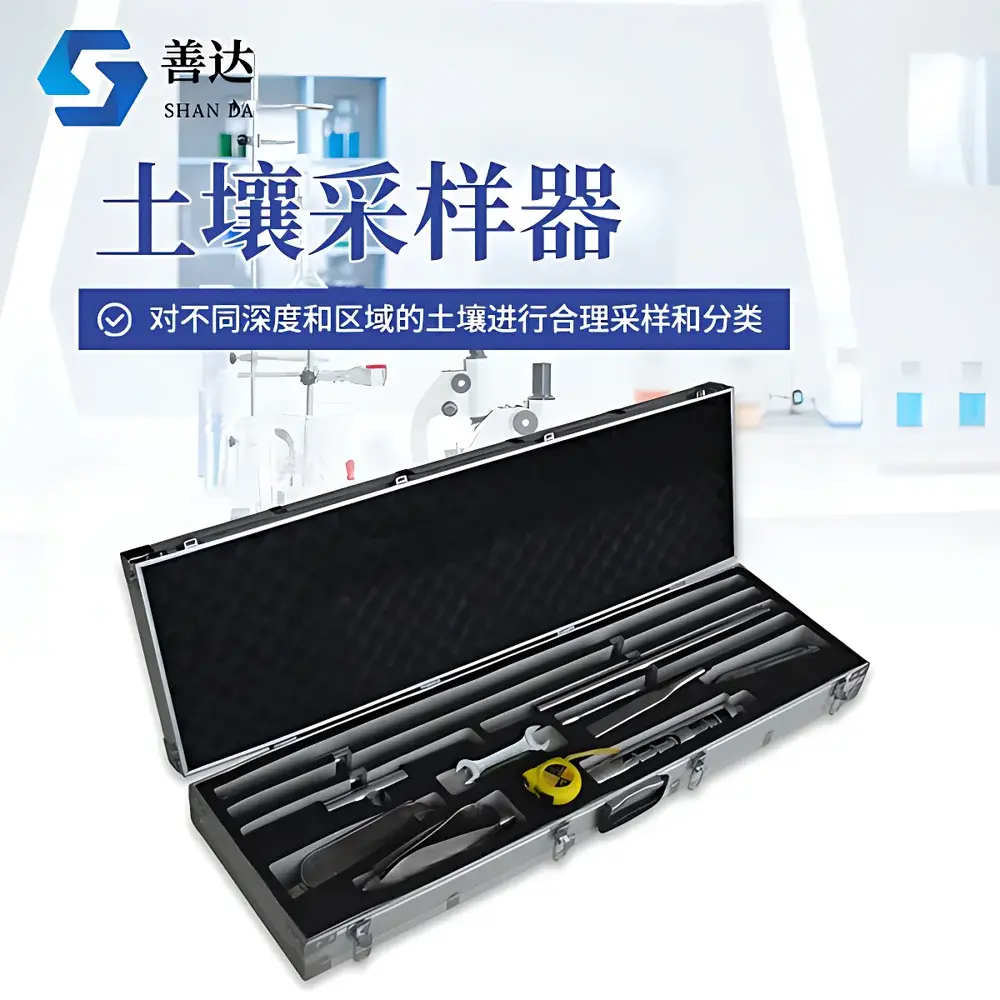
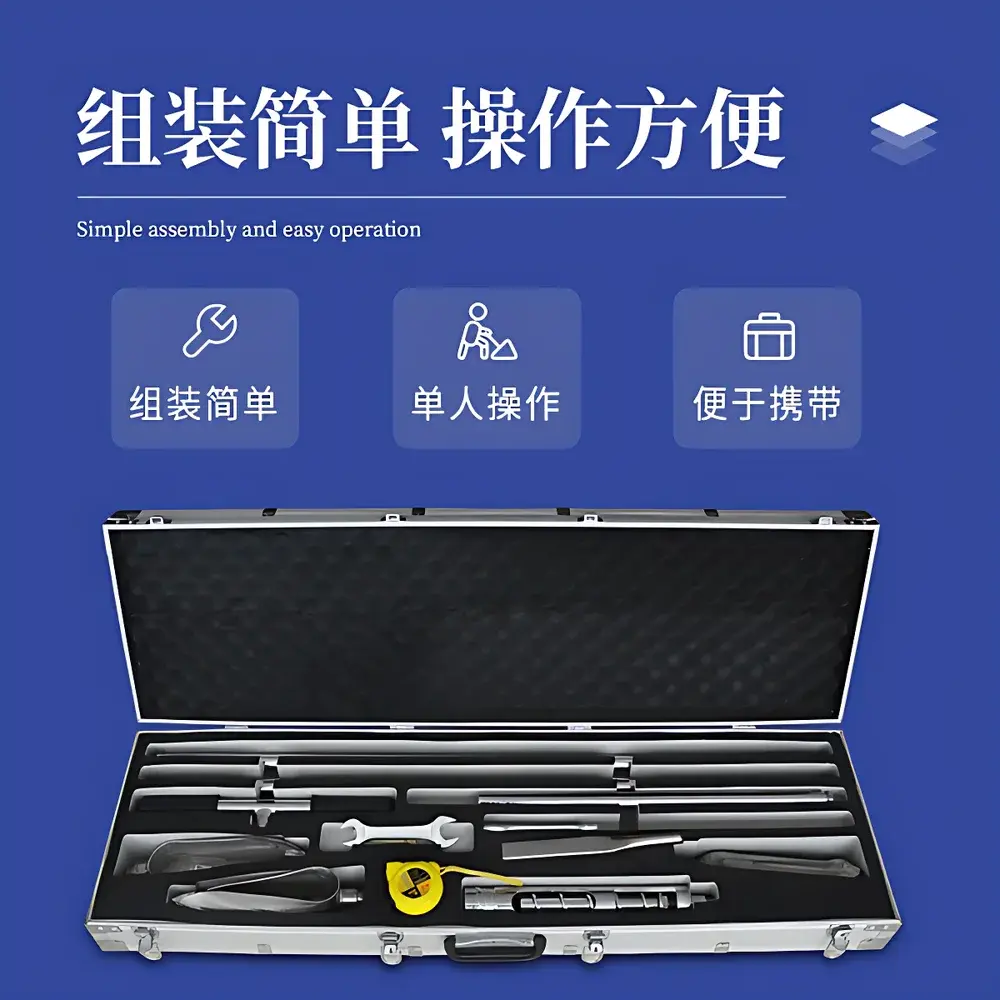
| Standard Configuration | Four interchangeable coring bits (clay, loam, sand, peat), two 100 cm extension rods, one 50 cm extension rod, T-handle, soil scraper, dual wrenches, 3 m steel tape measure, protective gloves, aluminum carrying case |
Overview
The Shanda SD-QY04 Manual Soil Sampler is a field-deployable, human-powered core sampling system engineered for reproducible, minimally disturbed soil collection across heterogeneous terrestrial environments. It operates on the principle of direct mechanical penetration and cylindrical core extraction—leveraging torsional force applied via the ergonomic T-handle to drive interchangeable coring bits into undisturbed soil profiles. Unlike auger-based or percussion samplers, the SD-QY04 employs a hollow, fixed-diameter barrel design with optimized cutting edge geometry to preserve stratigraphic integrity, particularly critical for vadose zone characterization, contaminant plume delineation, and soil physical property analysis (e.g., bulk density, moisture retention, porosity). Its maximum operational depth of 2 meters enables routine sampling from surface horizons down to the B-horizon in most temperate and semi-arid soils, while its modular rod assembly allows real-time adaptation to variable compaction and moisture conditions without requiring auxiliary power sources.
Key Features
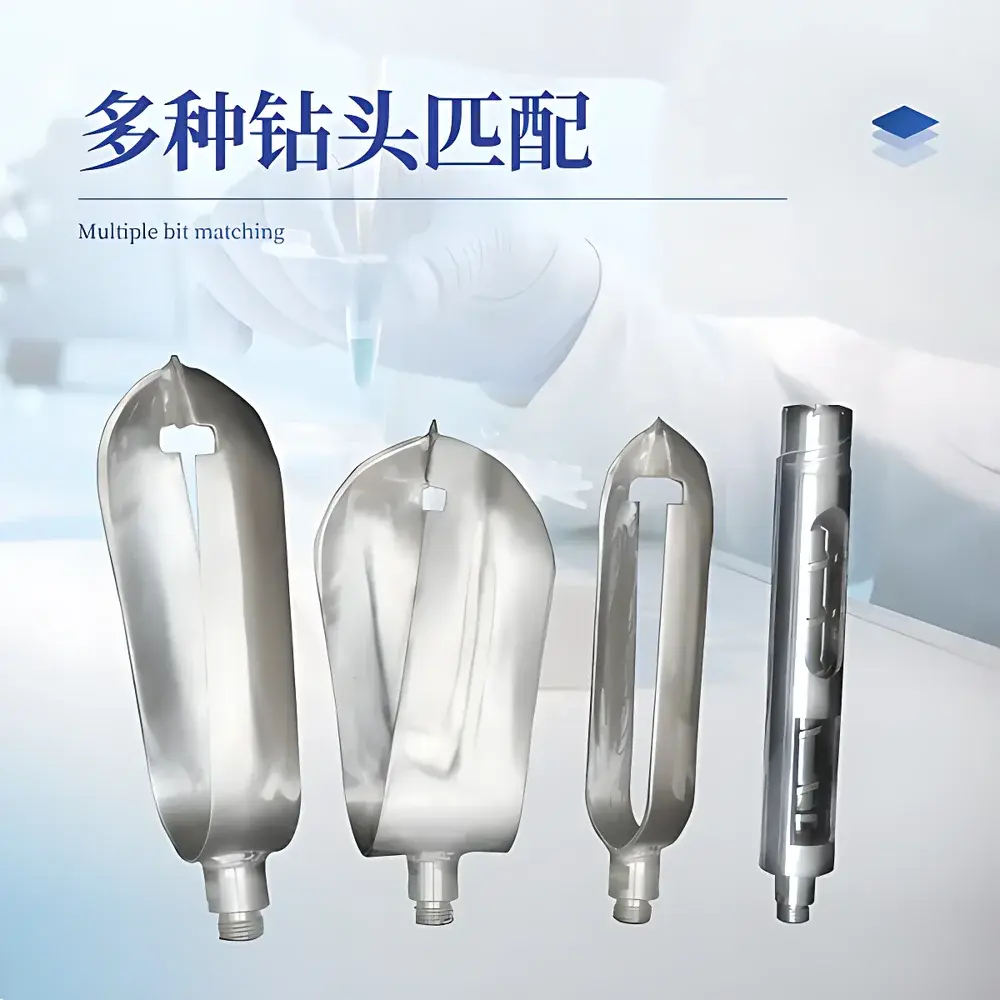
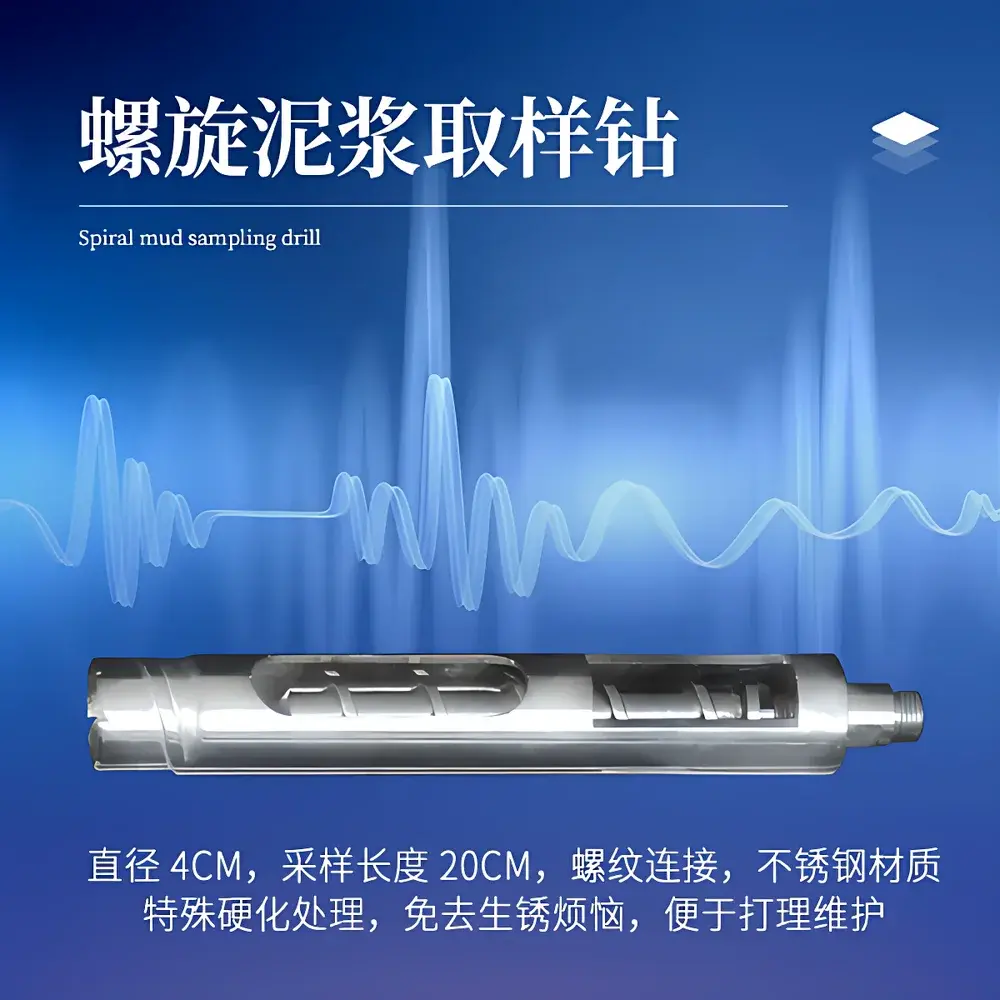
- Four application-specific coring bits: heart-shaped clay bit (optimized for high-cohesion, low-permeability matrices), heart-shaped loam bit (balanced edge geometry for medium-textured, aggregated soils), heart-shaped sand bit (sharpened leading edge for low-cohesion, granular media), and cylindrical peat bit (wide aperture and shallow pitch to minimize compression of fibrous organic matter)
- Modular extension system comprising two 100 cm stainless-steel rods and one 50 cm rod—threaded with ISO metric M14×1.5 couplings for secure, torque-transferring connections and rapid field assembly/disassembly
- Ergonomic T-handle with knurled aluminum grip and integrated anti-slip rubber overmold—designed to maximize torque transmission while minimizing operator fatigue during repetitive vertical insertion cycles
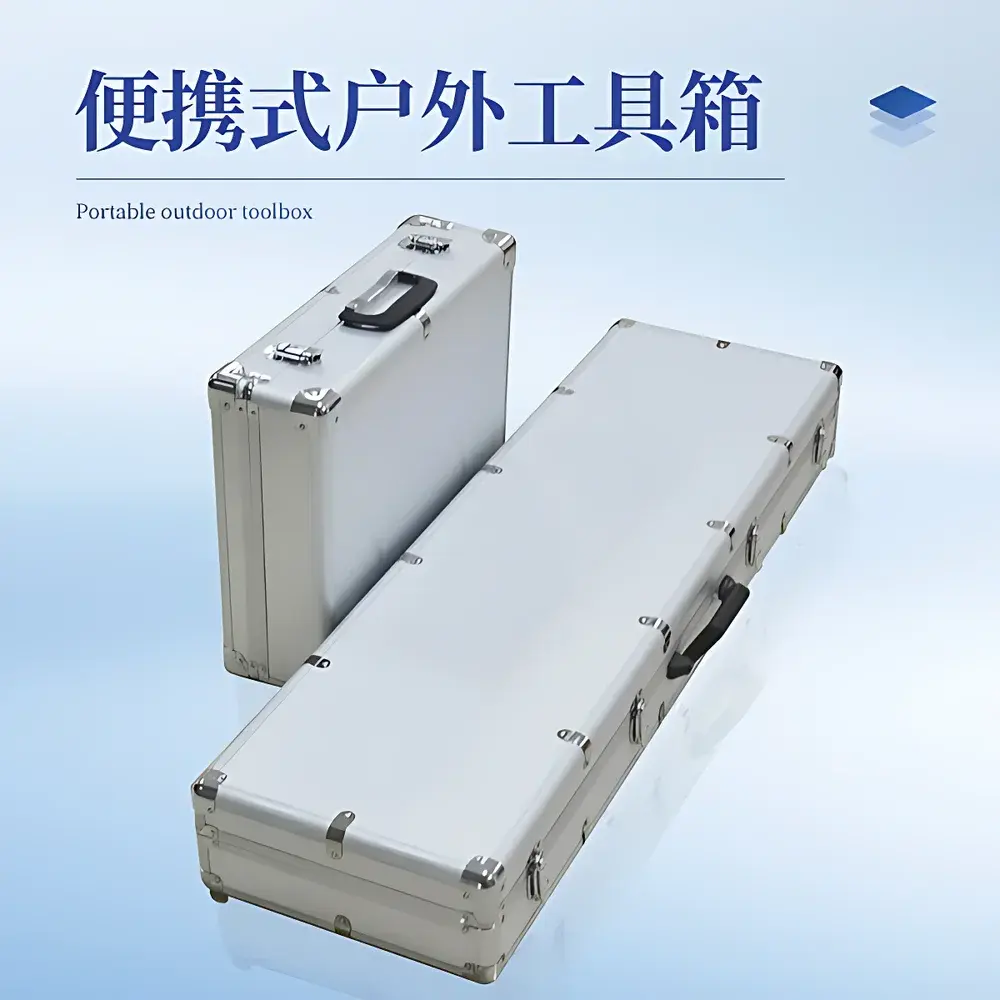
- Full-system portability: complete kit—including all bits, rods, tools, and accessories—fits within a corrosion-resistant anodized aluminum transit case (L × W × H: 68 × 22 × 12 cm; total weight: 8.7 kg), compliant with IATA Section II hand-carry requirements for field research teams
- Toolset integration: includes calibrated 3 m steel tape measure (ISO 9001-certified, ±0.5 mm accuracy), stainless-steel soil scraper (304 grade, 12 cm blade), and dual open-end wrenches (8 mm and 10 mm) for on-site bit replacement and rod tightening
Sample Compatibility & Compliance
The SD-QY04 accommodates standard 50 mm nominal internal diameter cores—compatible with ASTM D1557 (Standard Test Methods for Laboratory Compaction Characteristics of Soil Using Modified Effort), ISO 22029:2019 (Soil quality — Sampling — Guidance on the selection and use of sampling equipment), and EPA Method SW-846, Chapter 5 (Sampling Procedures). Each coring bit maintains consistent 50 mm outer diameter and 45 mm inner diameter, ensuring interchangeability with common laboratory subsampling trays, bulk density rings, and X-ray CT sample holders. The system supports both surface-layer (0–20 cm) targeted sampling and continuous profile sampling at 10 cm increments through sequential rod extension. All metallic components are passivated stainless steel (AISI 304) or anodized aluminum, eliminating iron contamination risk in trace-metal or redox-sensitive analyses (e.g., Fe²⁺/Fe³⁺ speciation, As mobility studies).
Software & Data Management
As a manual, non-electronic sampling platform, the SD-QY04 does not incorporate embedded sensors or digital data logging. However, it is fully interoperable with standardized field data capture workflows. Users may integrate sampling metadata—including GPS coordinates (via external GNSS receiver), depth interval, soil texture class (field-estimated per USDA Textural Triangle), horizon designation, and photographic documentation—into LIMS-compatible spreadsheets or ELN platforms such as LabArchives or Benchling. The aluminum case includes a labeled compartment for QR-coded sample tube labels (pre-printed with unique identifiers), supporting 21 CFR Part 11–compliant chain-of-custody documentation when paired with electronic signature-enabled mobile forms (e.g., Fulcrum, Survey123). Calibration records for associated measuring tools (tape measure, depth markers) are maintained per ISO/IEC 17025:2017 Annex A.3 requirements.
Applications
- Environmental site assessments (ESAs) under ASTM E1527–21, including Phase I/II investigations of brownfield properties
- Agricultural soil health monitoring programs tracking organic carbon stocks, aggregate stability, and compaction layers across rotational cropping systems
- Wetland delineation and peatland carbon stock quantification per IPCC Wetlands Supplement (2014) protocols
- Forensic geology and archaeological stratigraphy where minimal disturbance and horizon-specific recovery are mandatory
- Educational field pedology exercises aligned with NSF-funded curriculum standards for undergraduate soil science laboratories
FAQ
What soil textures can the SD-QY04 effectively sample?
It is validated for clay, loam, sand, and fibrous peat—each supported by a dedicated coring bit geometry optimized for penetration resistance, core retention, and structural fidelity.
Is the sampler suitable for rocky or gravelly soils?
No. The SD-QY04 is not designed for soils containing >15% gravels (>2 mm) or cobbles. Pre-screening or alternative percussion methods are recommended in such matrices.
Can the system be sterilized for microbiological sampling?
Yes. All metal components withstand autoclaving at 121 °C for 20 minutes; however, the T-handle rubber overmold and aluminum case must be disinfected separately using 70% ethanol or hydrogen peroxide vapor.
Does the kit include sample storage containers?
No. Sample tubes (e.g., 50 mL polypropylene centrifuge tubes or Whirl-Pak® bags) must be selected based on analytical requirements (e.g., VOC analysis requires glass vials with PTFE-lined caps).
How is depth accuracy ensured during multi-rod sampling?
Each extension rod features laser-etched depth markers at 10 cm intervals; combined with the calibrated steel tape measure, this enables ±1 cm depth resolution across the full 2 m range.
Related Products







