
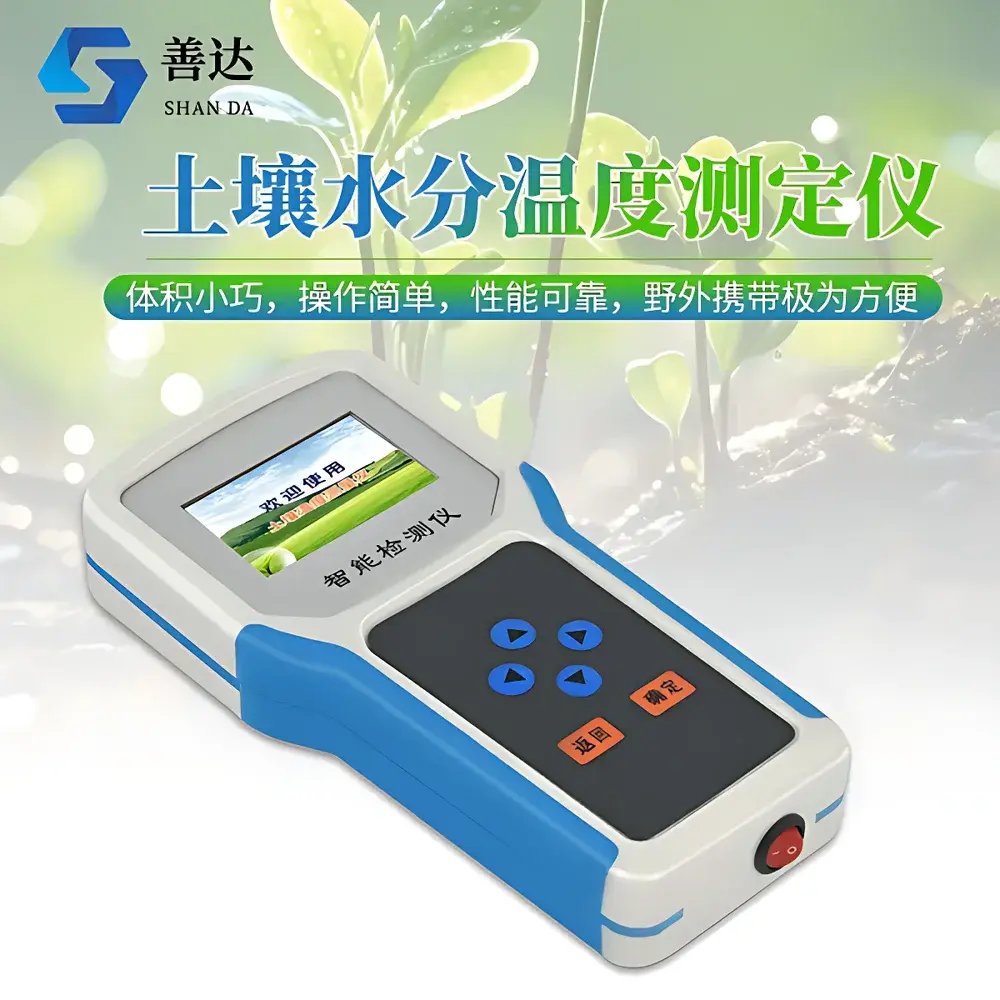
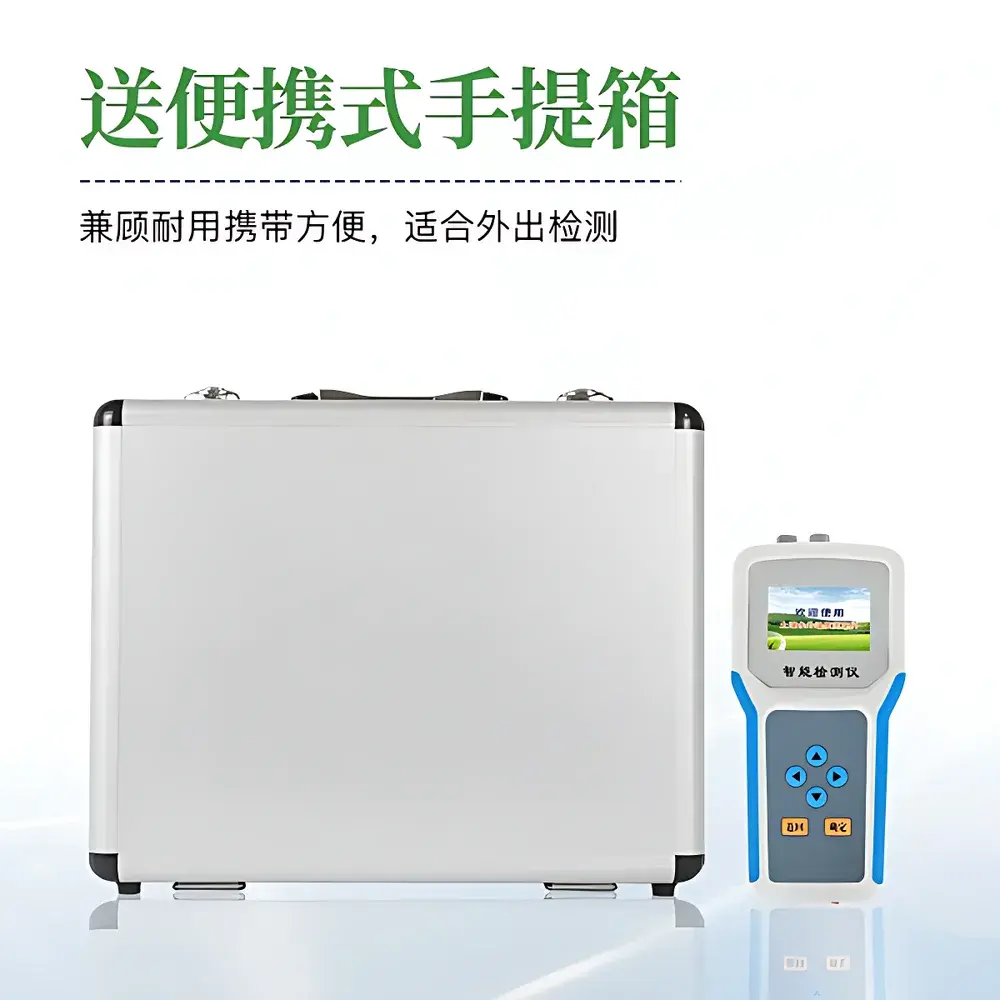
Shanda SD-SW Soil Moisture and Temperature Profiler
| Brand | Shanda |
|---|---|
| Model | SD-SW |
| Instrument Type | Multifunctional Soil Analyzer |
| Display | Large Backlit Chinese LCD |
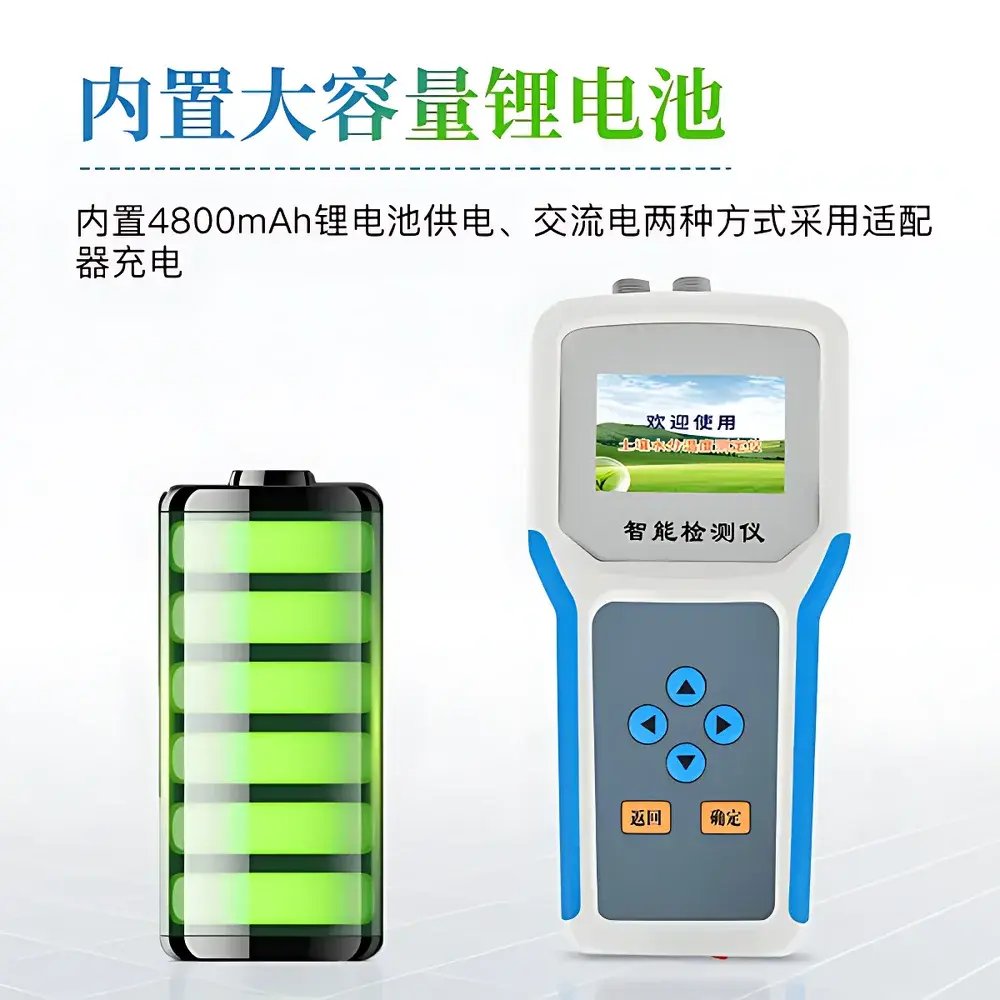
| Power Supply | Rechargeable Lithium Battery or AC Adapter |
| Dimensions | 204 × 100 × 36 mm |
| Measurement Principle | Frequency Domain Reflectometry (FDR) |
| Soil Volumetric Water Content Range | 0–100% (m³/m³) |
| Accuracy | ±2% (0–50%), ±3% (50–100%) |
| Resolution | 0.1% (moisture), 0.1°C (temperature) |
| Temp. Range | −40 to +120°C |
| Temp. Accuracy | ±0.2°C |
| Response Time | <1 s |
| Stabilization Time | ~10 s |
| Sensing Volume | 90% influence within a 3 cm diameter × 6 cm length cylinder centered on probe |
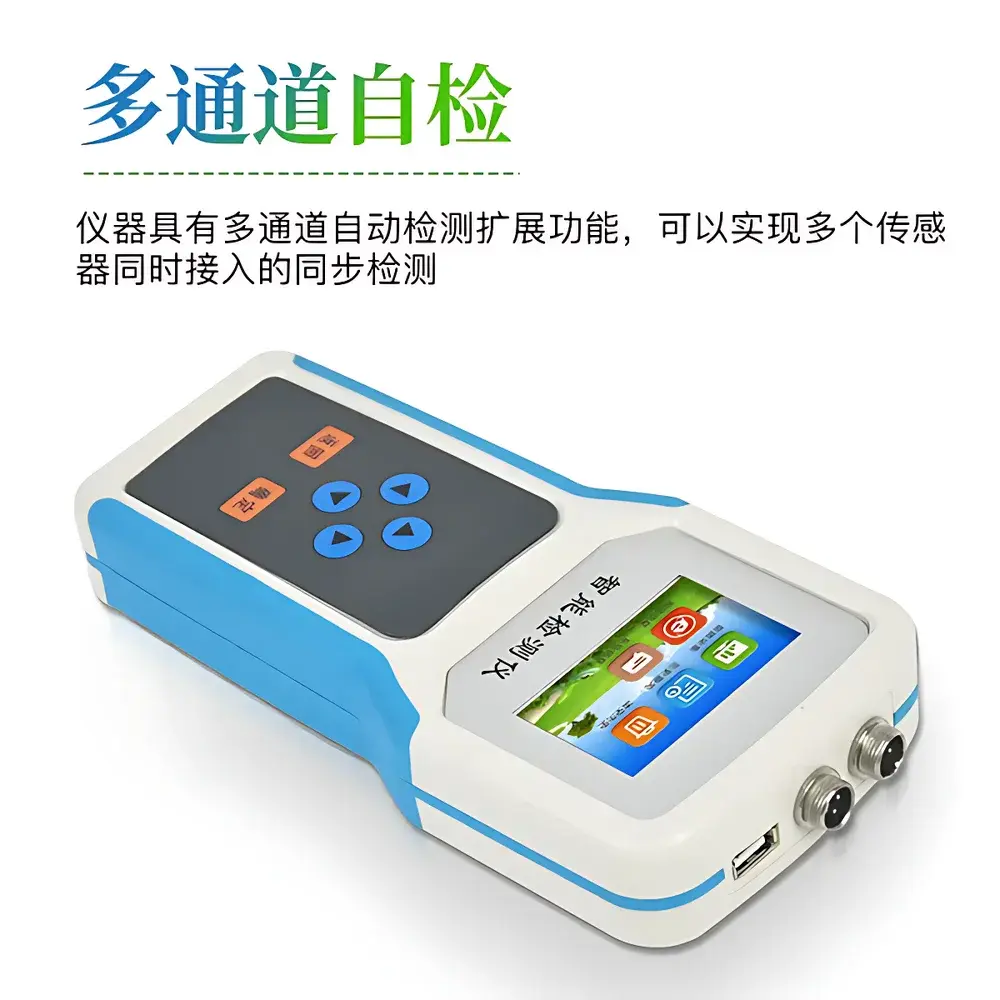
| Communication | USB 2.0 |
| Data Logging | Manual/Automatic (configurable interval) |
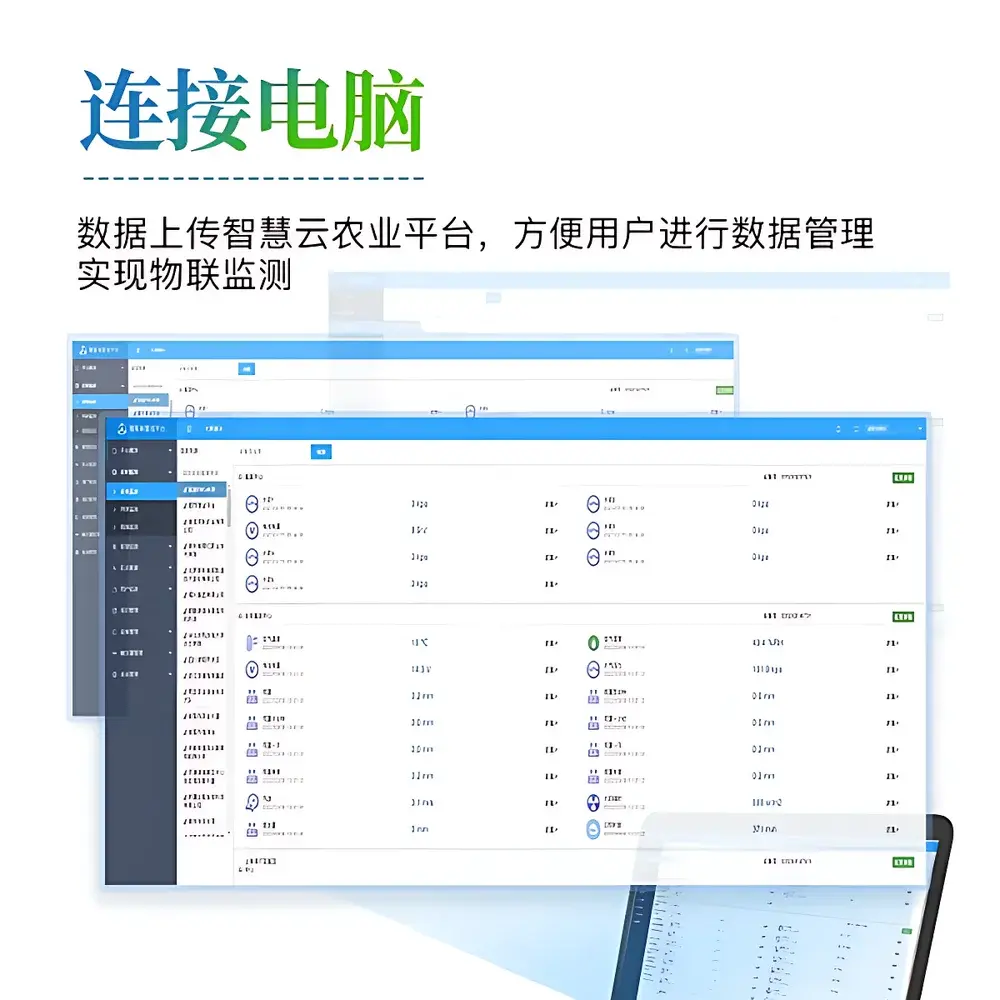
| Optional Connectivity | 4G module for cloud upload to web-based agricultural platform |
| Software | Free PC-based data management suite (Excel export, curve plotting, GLP-compliant audit trail) |
Overview
The Shanda SD-SW Soil Moisture and Temperature Profiler is an engineered field-deployable instrument designed for high-reproducibility in-situ measurement of volumetric water content (θv) and soil temperature using Frequency Domain Reflectometry (FDR). Unlike time-domain transmission (TDT) or capacitance-based systems, FDR operates by injecting a stable sinusoidal signal (typically 50–100 MHz) into the soil via a calibrated three-rod probe and analyzing the complex impedance response—directly correlating dielectric permittivity to θv. This method eliminates hysteresis effects common in capacitive sensors and delivers robust performance across diverse soil textures (sand, loam, clay) and salinity conditions up to 4 dS/m. The integrated dual-parameter sensor enables simultaneous acquisition without cross-sensitivity interference, supporting long-term monitoring deployments in unattended environments such as watershed observatories, precision irrigation zones, and ecological restoration sites.
Key Features
- Integrated FDR probe with stainless-steel rods and PTFE-insulated temperature thermistor (PT1000-class), optimized for mechanical durability and thermal stability in freeze-thaw cycles.
- Field-configurable soil calibration libraries—including USDA textural classes (sand, silt, clay), organic matter content presets, and user-defined empirical equations—enabling correction for bulk density and pore geometry effects.
- Embedded microcontroller with real-time clock (RTC) supports time-stamped logging with programmable intervals from 1 minute to 24 hours; internal memory retains ≥10,000 records with cyclic overwrite protection.
- Low-power architecture: lithium battery (7.4 V, 2200 mAh) sustains >12 months of monthly logging (10-min interval); AC adapter option enables continuous benchtop operation with voltage regulation and overcurrent protection.
- Ruggedized housing (IP67-rated enclosure) and ergonomic carry case facilitate transport across rough terrain; probe insertion depth markers (0–60 cm) support standardized profiling per ISO 11274 and ASTM D5859 protocols.
Sample Compatibility & Compliance
The SD-SW is validated for direct insertion into mineral soils, peat substrates, and hydroponic growing media. Probe geometry conforms to ISO 10390 Annex B guidelines for representative sampling volume definition (3 cm Ø × 6 cm L cylinder). Device firmware implements automatic temperature compensation for dielectric constant drift and applies texture-specific εr–θv inversion algorithms per Topp et al. (1980) and Malicki & Walczak (1999). All measurement outputs comply with FAO’s Global Agro-Monitoring Framework metadata standards and support traceability under GLP-regulated environmental monitoring programs. Calibration certificates are provided with NIST-traceable reference standards for both moisture and temperature channels.
Software & Data Management
The included Windows-compatible desktop application (v3.2+) provides full audit-trail functionality per FDA 21 CFR Part 11 requirements—including electronic signatures, session logs, and immutable record history. Data export options include CSV, Excel (.xlsx), and XML formats compatible with R, Python (pandas), and MATLAB workflows. Graphical visualization tools generate multi-layer time-series plots, spatial heatmaps (when paired with GPS-tagged surveys), and statistical summaries (mean, SD, CV%). Optional 4G-enabled firmware upgrade supports TLS 1.2-encrypted uploads to RESTful APIs, enabling integration with third-party platforms such as FarmOS, CropX Cloud, or custom LIMS solutions.
Applications
- Soil water balance modeling for drought early-warning systems and irrigation scheduling (aligned with FAO-56 Penman-Monteith framework).
- In situ validation of satellite-derived soil moisture products (e.g., SMAP, Sentinel-1 SAR backscatter).
- Root-zone monitoring in controlled-environment agriculture (CEA) and vertical farming infrastructure.
- Long-term ecological research (LTER) networks requiring decadal-scale consistency in hydric regime characterization.
- Geotechnical site assessment for slope stability analysis and landfill liner integrity verification.
FAQ
What is the recommended calibration frequency for field-deployed units?
Annual recalibration against gravimetric reference samples is advised; factory calibration remains valid for 18 months under normal usage conditions.
Can the probe be permanently buried for continuous monitoring?
Yes—the probe assembly is rated IP68 for submersion up to 1 m depth and withstands soil pH 4–9 and EC ≤4 dS/m without degradation.
Does the software support multi-user role-based access control?
The desktop application supports local user profiles with configurable permissions (view-only, edit, admin); cloud-synced deployments require enterprise-tier licensing.
Is the USB interface compatible with macOS or Linux?
Native drivers are provided only for Windows 10/11; macOS and Linux users may access exported files via standard USB mass storage mode or serial emulation (CDC ACM class).
How does the device handle saline or sodic soils?
FDR methodology inherently mitigates salinity-induced errors better than capacitance sensors; however, accuracy degrades above 4 dS/m—users should apply the built-in salinity correction factor or conduct site-specific calibration.
Related Products







