
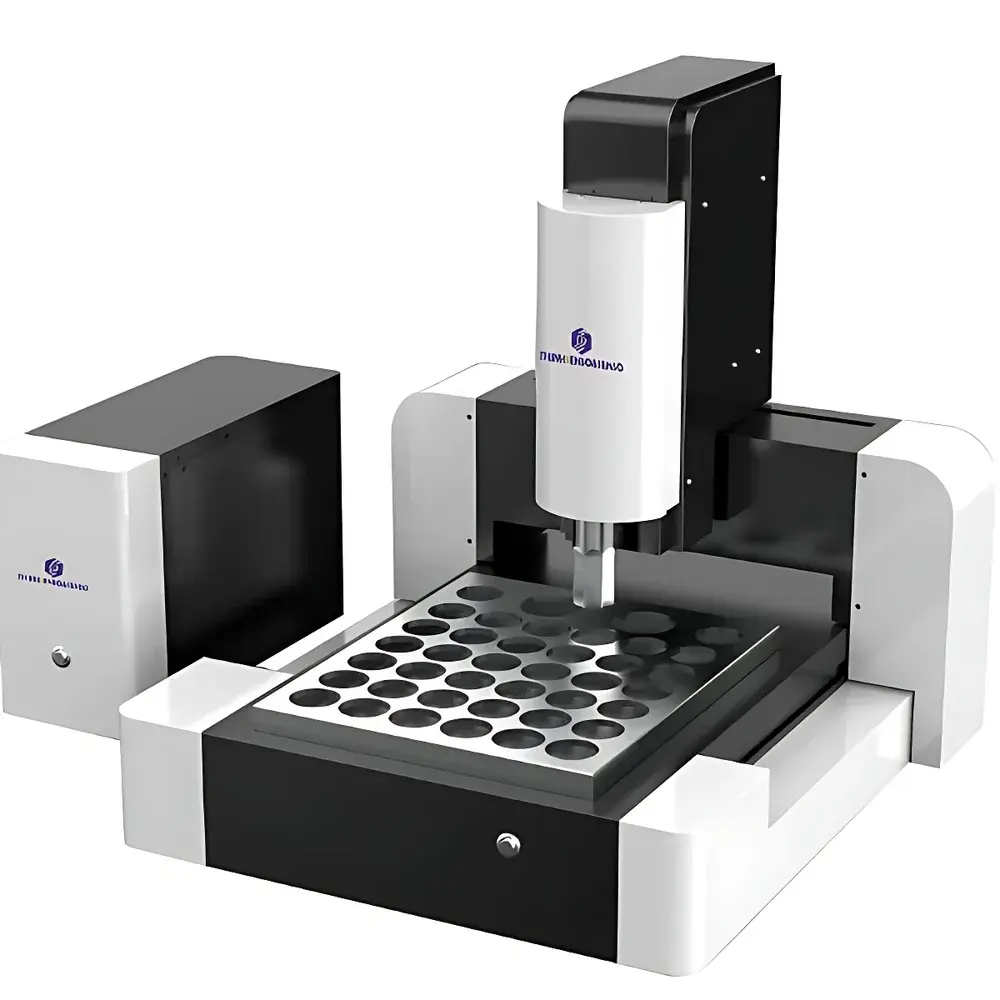
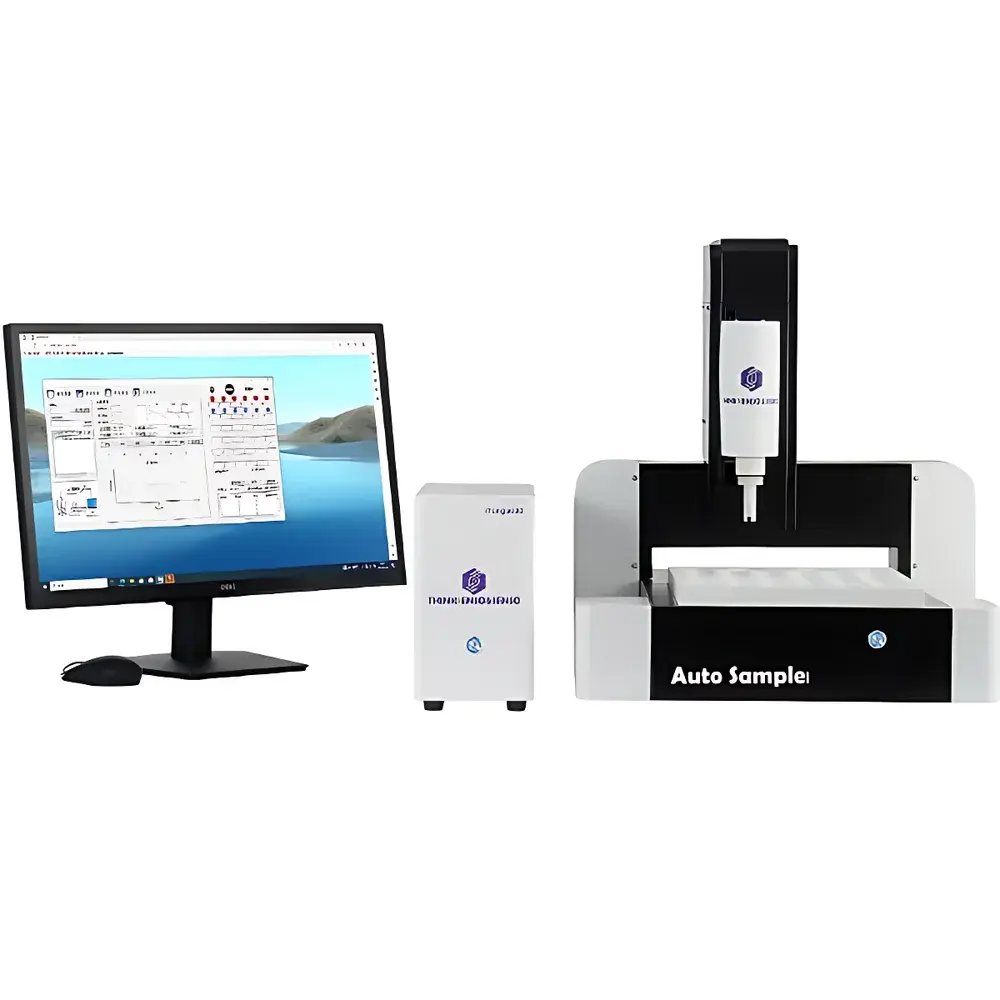
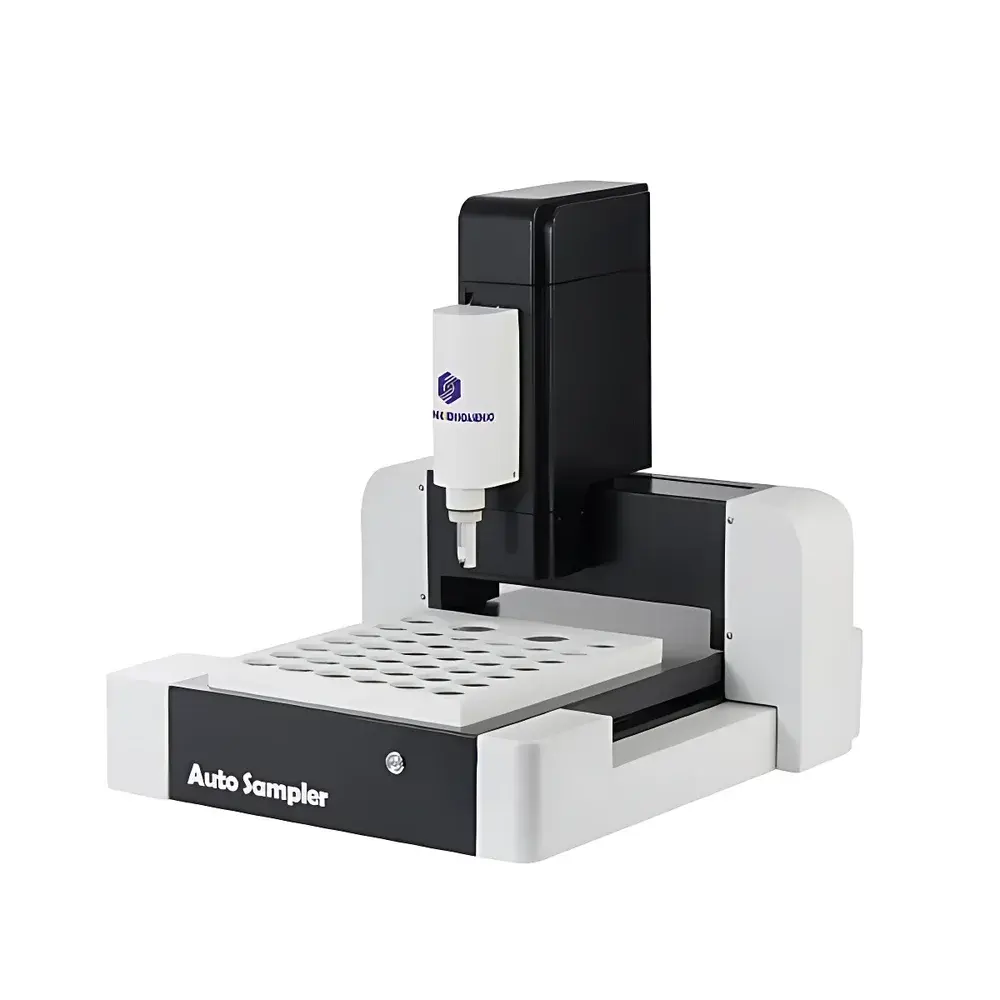
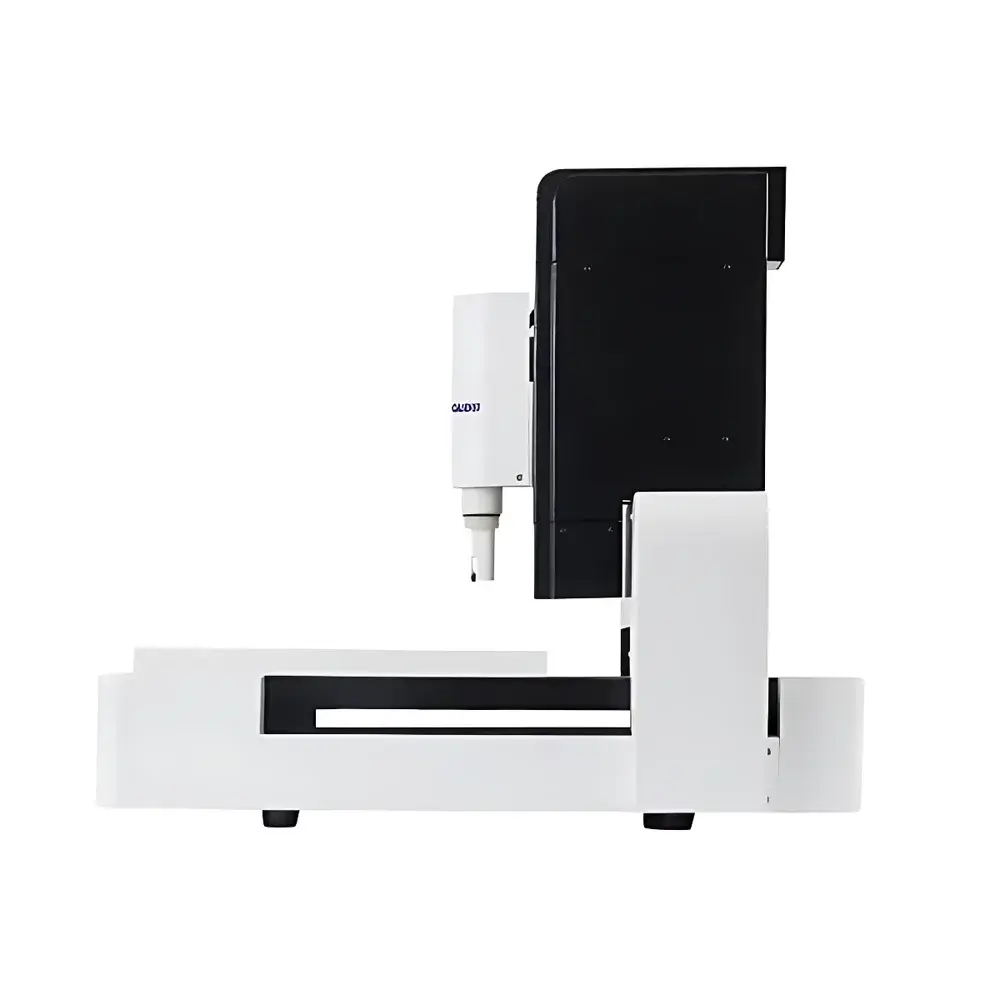
Shanghai Tengba iTongue Sensory Intelligent Electronic Tongue System
| Brand | Shanghai Tengba |
|---|---|
| Origin | Zhejiang, China |
| Manufacturer | Shanghai Tengba Instrument Co., Ltd. |
| Model | iTongue |
| Product Type | Electronic Tongue System (Taste Fingerprint Analyzer) |
| Sensor Technology | Pulsed Voltammetry-based Electrochemical Sensor Array |
| Data Analysis | Multivariate Pattern Recognition (PCA, SIMCA, PLS-DA, DFA, SVM, KNN, t-SNE, DBSCAN, BP Neural Network) |
| Sample Throughput | 40-position Automated Sampler |
| Detection Time per Sample | < 60 s |
| Sensor Material | Inert Noble Metal Electrodes |
| Electrode Lifetime | ≥ 10 years |
| Compliance | Designed for GLP-compliant sensory QA/QC workflows |
| Software | Proprietary TasteFinger™ Suite with Audit Trail & CFR Part 11-ready User Management |
Overview
The Shanghai Tengba iTongue Sensory Intelligent Electronic Tongue System is a dedicated electrochemical sensor platform engineered for objective, reproducible taste profiling of complex liquid and semi-liquid samples. Unlike conventional single-sensor approaches, the iTongue employs a multi-channel inert noble metal electrode array operating on pulsed voltammetry principles—leveraging interfacial electron transfer kinetics and relaxation spectrum theory to generate high-dimensional electrochemical response fingerprints. Each sensor exhibits controlled cross-sensitivity, enabling simultaneous capture of synergistic and antagonistic interactions among taste-active compounds (e.g., organic acids, amino acids, nucleotides, salts, polyphenols). This architecture mirrors biological gustatory transduction—not by replicating human physiology, but by emulating its functional output: discriminative pattern space mapping. The system delivers quantitative descriptors for sourness, sweetness, bitterness, saltiness, umami, and astringency, supporting both categorical classification and continuous-scale intensity modeling. It is purpose-built for laboratories requiring traceable, operator-independent taste assessment in regulated environments where sensory panel fatigue, inter-rater variability, or scalability constraints limit traditional organoleptic evaluation.
Key Features
- Inert noble metal sensor array with calibrated cross-reactivity profiles—optimized for broad-spectrum detection of taste-relevant analytes without membrane fouling or signal drift.
- Pulsed voltammetry acquisition protocol delivering full electrochemical fingerprint within ≤60 seconds per sample, including rinse and equilibration cycles.
- 40-position automated sampling module with programmable washing sequences, enabling unattended batch analysis under defined temperature and humidity control.
- Electrode architecture resistant to corrosion from ethanol, organic acids, oxidizing agents, and lipid-rich matrices—validated for direct analysis of wine, soy sauce, edible oils, and dairy emulsions without dilution or pretreatment.
- Modular sensor replacement design; individual electrodes field-replaceable with factory calibration traceability, supporting ≥10 years of operational service life under routine QC conditions.
- Integrated cleaning protocol utilizing electrochemical regeneration pulses—eliminating manual polishing or chemical soaking for viscous or proteinaceous samples.
Sample Compatibility & Compliance
The iTongue accepts aqueous extracts, beverages, food homogenates, pharmaceutical suspensions, herbal decoctions, and tobacco infusions within pH 2.5–9.0 and conductivity range 0.1–20 mS/cm. Samples require no derivatization or filtration beyond standard lab centrifugation (≤10,000 × g). The system complies with ISO 11133:2014 (microbiological culture media), ASTM E2881-13 (electrochemical sensor validation), and supports 21 CFR Part 11-compliant data integrity through role-based access control, electronic signatures, and immutable audit trails in TasteFinger™ software. All analytical methods—including PCA for origin differentiation, PLS-DA for authenticity verification, and DFA for grade assignment—are documented per ICH Q5C and ISO/IEC 17025:2017 requirements for method validation in regulated quality systems.
Software & Data Management
TasteFinger™ software provides a validated, standalone environment for acquisition, preprocessing, multivariate modeling, and reporting. Raw voltammograms undergo baseline correction, alignment, and normalization prior to feature extraction. The platform embeds 14 peer-reviewed algorithms—including SIMCA for class modeling, t-SNE for nonlinear dimensionality reduction, DBSCAN for outlier detection, and BP neural networks for non-linear regression—accessible via intuitive workflow templates. All models retain full parameter logging, cross-validation metrics (Q², R²Y), and residual diagnostics. Data exports conform to ASTM E1461-22 (analytical data interchange format) and support LIMS integration via ASTM E2500-compliant API. Version-controlled method files include metadata for instrument configuration, sensor lot numbers, calibration history, and analyst credentials.
Applications
- Food & Beverage: Objective discrimination of geographical origin (e.g., protected designation of origin olive oils), shelf-life prediction via time-series fingerprint drift, batch-to-batch consistency monitoring in brewing and fermentation, and rapid authentication of premium teas or aged spirits.
- Pharmaceuticals: Quantitative assessment of bitter masking efficacy in pediatric formulations, stability-indicating taste profiling of lyophilized biologics, and raw material verification of botanical extracts against pharmacopoeial monographs.
- Agriculture: Non-destructive grading of fruit ripeness and post-harvest deterioration using juice-derived taste vectors correlated with titratable acidity and sugar content.
- Tobacco Science: Multivariate correlation of electrochemical response clusters with trained panel descriptors (e.g., “harshness”, “body”, “aftertaste duration”) for product development.
- Regulatory Screening: Rapid triage of pesticide residue impact on sensory profile in fruits/vegetables and pathogen-induced off-flavor signatures in aquaculture products.
FAQ
How does the iTongue differ from conventional potentiometric or impedance-based taste sensors?
It utilizes pulsed voltammetry to resolve kinetic and thermodynamic parameters of redox-active taste compounds—providing richer information density than steady-state potential or impedance magnitude alone.
Can the system quantify absolute concentrations of individual tastants?
No—it quantifies composite taste perception intensity and profile shape. For absolute quantification, coupling with HPLC or LC-MS is recommended for orthogonal validation.
Is sensor recalibration required between sample types?
A single standardized calibration using certified reference solutions (e.g., tartaric acid, sucrose, quinine HCl, NaCl, MSG) suffices for all applications; matrix effects are mitigated algorithmically via internal standard referencing.
What maintenance is required beyond routine electrode cleaning?
Annual verification of pulse generator linearity and reference electrode potential stability—performed using NIST-traceable electrochemical standards and documented in the system’s calibration log.
Does the software support custom algorithm development?
Yes—TasteFinger™ exposes Python 3.9+ API hooks compliant with scikit-learn and PyTorch interfaces, enabling deployment of user-defined models within the validated execution environment.
Related Products





