
ShenKai CFR-A1 Auto Gasoline Octane Number and Diesel Cetane Number Analyzer (Motor Method / Research Method)
| Brand | ShenKai |
|---|---|
| Origin | Shanghai, China |
| Model | CFR-A1 Auto |
| Measurement Principle | CFR Engine Method (Motor Method) |
| Measurement Range | 40–120 ON/CN |
| Instrument Type | Benchtop |
| Compliance Standards | ASTM D2699, ASTM D2700, GB/T 5487–2015, GB/T 503–2016 |
| Compression Ratio Range | 4:1 to 18:1 |
| Engine Speed | 900 ± 9 rpm (Motor Method), 600 ± 6 rpm (Research Method) |
| Cylinder Bore | 82.55 mm |
| Stroke | 114.3 mm |
| Displacement | 0.61 L |
| Cooling Jacket | Cast-iron monobloc with integrated coolant channel |
| Lubrication Pressure | 172–207 kPa |
| Cylinder Jacket Coolant Temp | 100 ± 1.5 °C |
| Intake Air Temp (Motor) | 38 ± 2.8 °C |
| Intake Air Temp (Research) | 52 ± 1 °C (at standard atmospheric pressure, auto-corrected) |
| Ignition Timing | Motor Method ε5.0 = 26 ± 1.5° BTDC (automatically adjusted per compression ratio) |
| Power Supply | AC 380 V ±10%, 50 Hz (main unit) |
| Total Power Consumption | 19 kW (12 kW + 7 kW) |
| Dimensions (W×D×H) | 1780 × 900 × 1400 mm |
| Weight | 1200 kg |
Overview
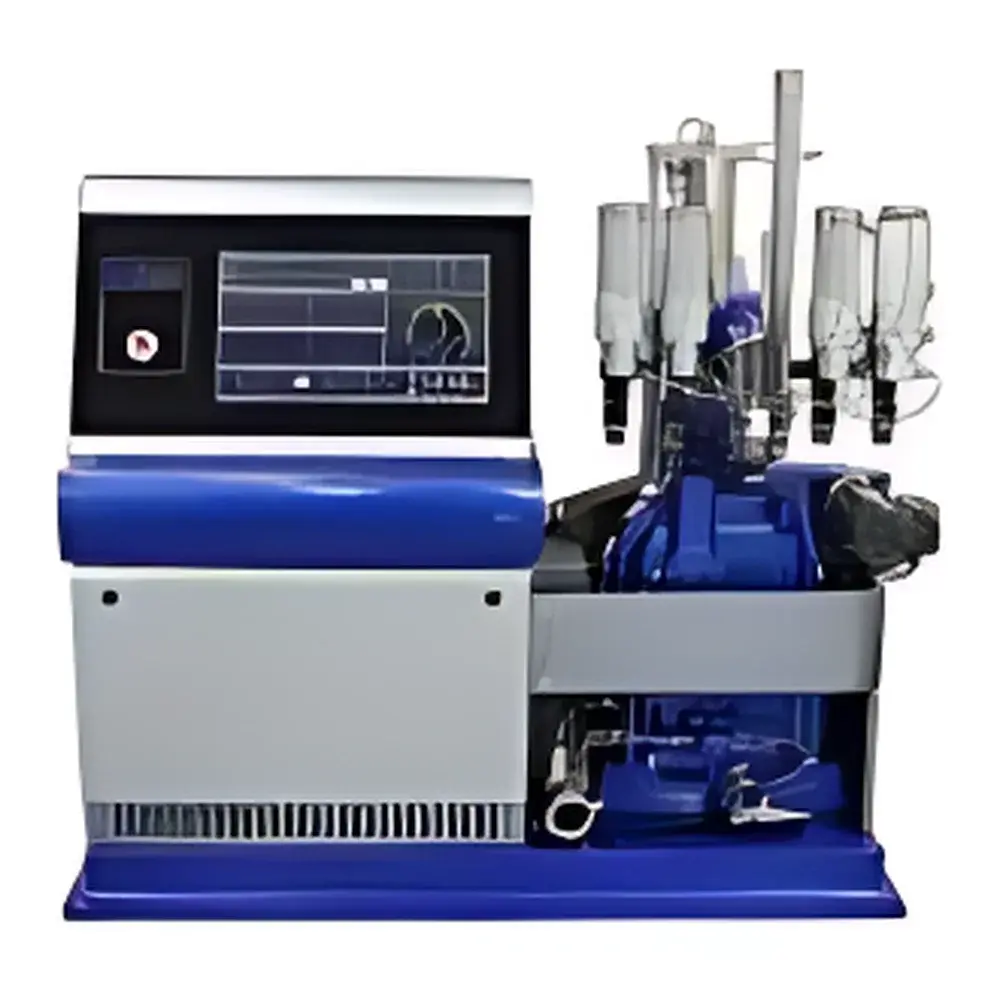
The ShenKai CFR-A1 Auto is a fully automated, benchtop gasoline octane number (ON) and diesel cetane number (CN) analyzer engineered for precision compliance testing in petroleum refining, fuel formulation, and quality assurance laboratories. It implements the standardized CFR (Cooperative Fuel Research) single-cylinder, four-stroke spark-ignition engine method—specifically conforming to ASTM D2699 (Research Octane Number, RON), ASTM D2700 (Motor Octane Number, MON), GB/T 5487–2015, and GB/T 503–2016. Unlike optical or electrochemical surrogates, this instrument delivers primary reference-grade results by directly measuring knock intensity under controlled thermodynamic conditions within a CFR-certified cast-iron engine architecture. Its core measurement principle relies on detecting the maximum knock intensity point across a precisely variable compression ratio (4:1 to 18:1), while maintaining strict adherence to intake air temperature, ignition timing, lubrication pressure, and cylinder jacket thermal stability—all dynamically monitored and regulated in real time.
Key Features
- True dual-method operation: seamless one-button switching between Motor Method (900 ± 9 rpm) and Research Method (600 ± 6 rpm), including automatic adjustment of ignition timing, intake temperature setpoints, and compression ratio sweep profiles.
- CFR-standard mechanical architecture: monobloc cast-iron cylinder head and barrel with integrated cooling jacket; five-gear crankcase with dual balancing modules; right-hand orientation with front-mounted hand-cranking system.
- Automated knock detection: laser displacement sensor-based爆震 (knock) transduction system with zero-latency response and mechanical end-stop safety protection—eliminates manual search for maximum knock intensity.
- Integrated environmental compensation: real-time barometric pressure correction applied to intake air temperature control, ensuring ±1 °C accuracy across varying ambient conditions per ASTM/GB requirements.
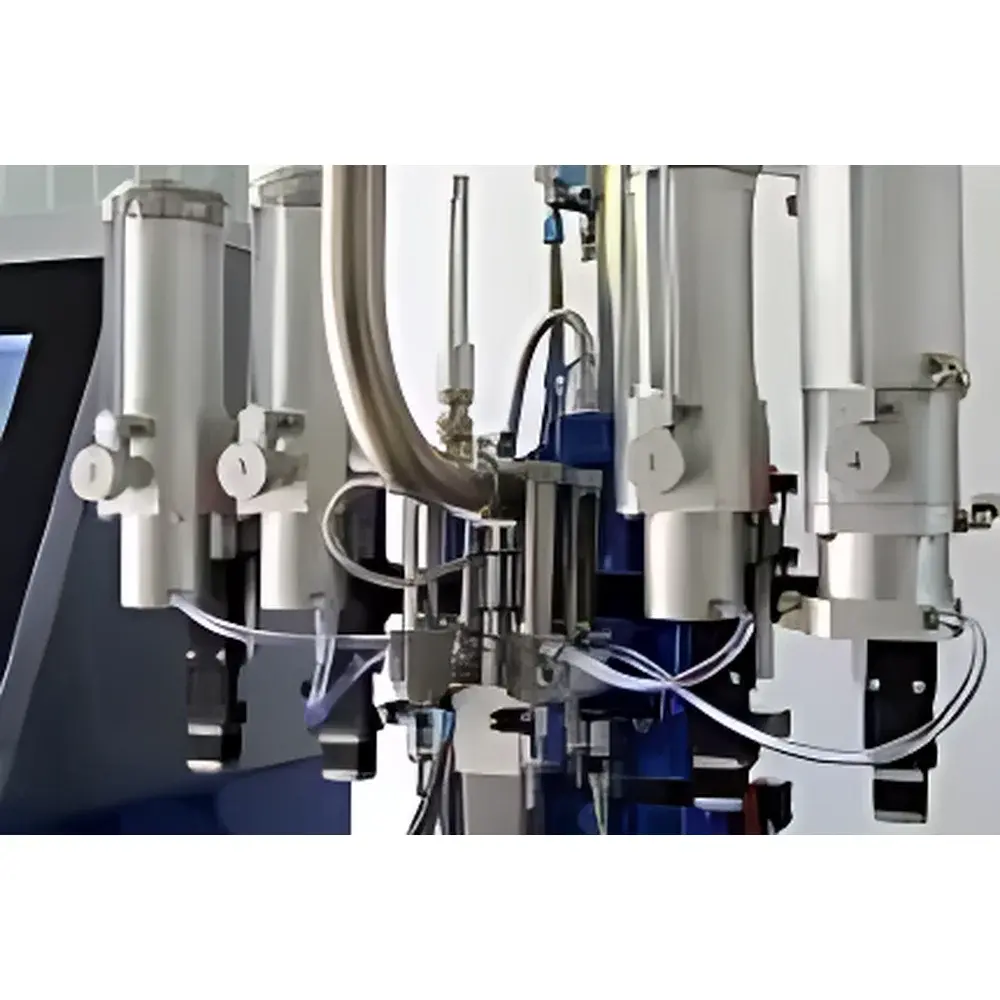
- Advanced fuel delivery system: high-precision vertical negative-pressure fuel tube, horizontal quantitative fuel tube, and air-fuel atomization manifold—each calibrated to maintain stoichiometric consistency across volatility ranges, including light-end gasoline fractions.
- Thermal management suite: dual-circuit refrigerated ice tower (2–4 °C output), ≥60 L chilled water reservoir (15–25 °C, 0.2–0.4 MPa), and engine oil filtration/cooling with emulsification detection and service alert logic.
- Embedded industrial PC running Windows OS with native CFR test sequence logic, digital engine parameter dashboard (oil pressure, RPM, knock intensity, coolant temp), and full audit trail capability compliant with GLP/GMP documentation workflows.
Sample Compatibility & Compliance
The CFR-A1 Auto accommodates neat gasoline, oxygenated blends (e.g., MTBE, ethanol), reformulated fuels, and diesel samples meeting ASTM D975 or ISO 5165 specifications. Its robust mechanical design supports repeatable testing of low-volatility and high-octane formulations without calibration drift. All operational parameters—including compression ratio progression, ignition advance mapping, and air/fuel mixture conditioning—are traceable to CFR reference engine specifications and validated against NIST-traceable fuel standards. The system meets regulatory data integrity requirements through built-in electronic signatures, time-stamped raw data logging, and configurable user access levels aligned with FDA 21 CFR Part 11 principles. Full compliance documentation—including factory calibration certificates, mechanical verification reports, and software validation summaries—is supplied with each unit.
Software & Data Management
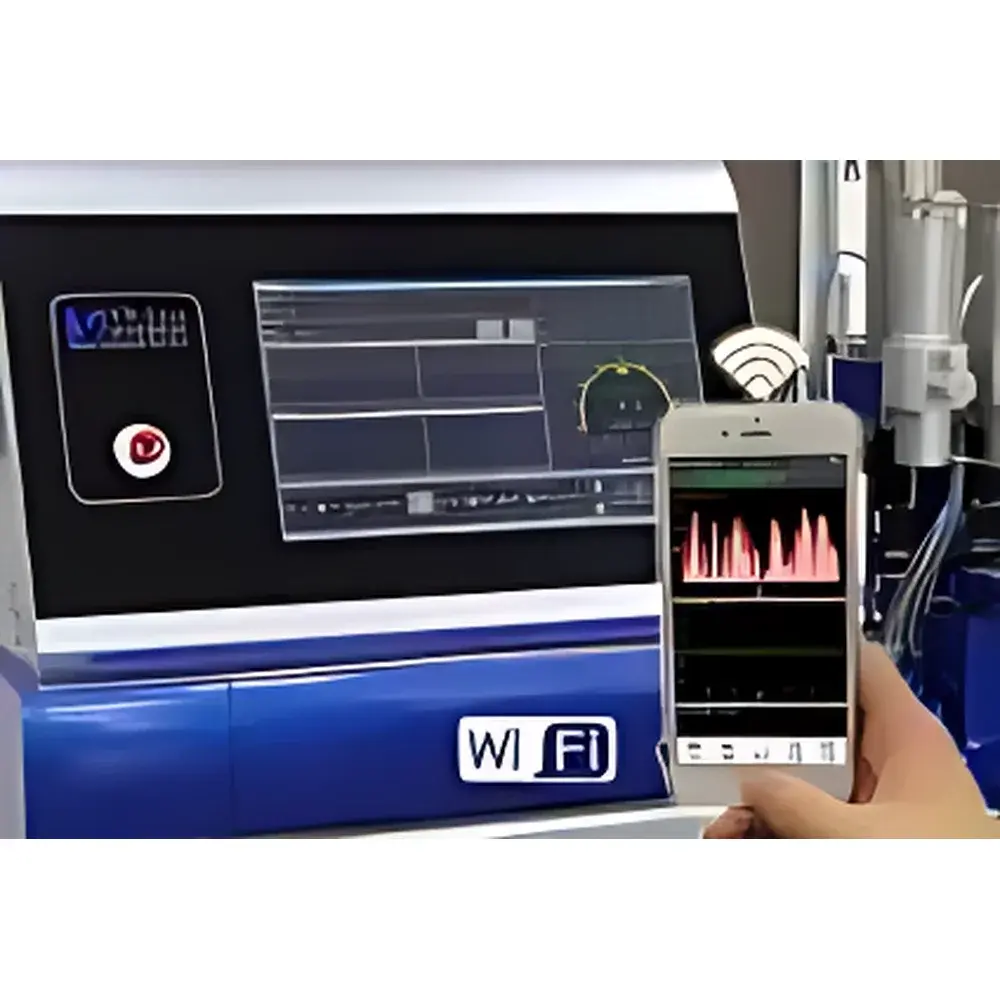
The embedded Windows-based control software provides intuitive workflow navigation, real-time graphical monitoring of knock waveform amplitude, compression ratio position, and thermal transients. Test sequences are preconfigured per ASTM/GB method templates, with editable tolerances for knock intensity thresholds and convergence criteria. All raw sensor data (including analog knock voltage, encoder position, thermocouple readings, and pressure transducer outputs) are saved in open CSV format alongside PDF-formatted final reports containing operator ID, sample ID, atmospheric pressure, and certified ON/CN values. Remote access is enabled via onboard Wi-Fi: authorized users can monitor live engine status, receive SMS/email alerts upon test completion, and retrieve historical datasets from mobile devices or networked workstations—without compromising firewall security or audit trail continuity.
Applications
This analyzer serves critical roles in refinery process optimization, where rapid ON feedback enables real-time reformer severity adjustments; in fuel additive development labs, supporting dose-response studies for anti-knock agents; and in third-party certification facilities performing contract testing for EN 228, ASTM D4814, or China VI fuel compliance. Its ability to run both MON and RON on a single platform reduces cross-contamination risk and eliminates inter-instrument bias—particularly valuable when evaluating sensitivity differences between motor and research conditions. The system is also deployed in academic combustion research programs investigating knock onset mechanisms, flame propagation dynamics, and surrogate fuel validation under controlled CFR boundary conditions.
FAQ
Does the CFR-A1 Auto support ASTM D4814 or EN 228 compliance reporting?
Yes—its certified MON and RON outputs are directly admissible for regulatory submissions under these specifications, provided laboratory accreditation (e.g., ISO/IEC 17025) is maintained.
Can the instrument be integrated into a LIMS environment?
Yes—CSV and XML export formats, ODBC connectivity, and configurable REST API endpoints enable bidirectional data exchange with major LIMS platforms.
Is mechanical interchangeability with legacy CFR engines guaranteed?
All primary mechanical assemblies—including cylinder block, piston, carburetor mount, and holding fixtures—conform dimensionally and functionally to original CFR Engineering drawings, enabling direct component-level replacement.
What maintenance intervals are recommended for continuous operation?
Oil filter replacement every 100 hours; full oil change every 500 hours; coolant system flush annually; knock sensor recalibration biannually or after 2000 test cycles.
How is atmospheric pressure variation compensated during testing?
An integrated absolute pressure sensor feeds real-time barometric data to the control algorithm, which dynamically adjusts intake air heater setpoints to maintain specified inlet temperatures within ±1 °C tolerance per ASTM D2700/D2699 Annexes.




