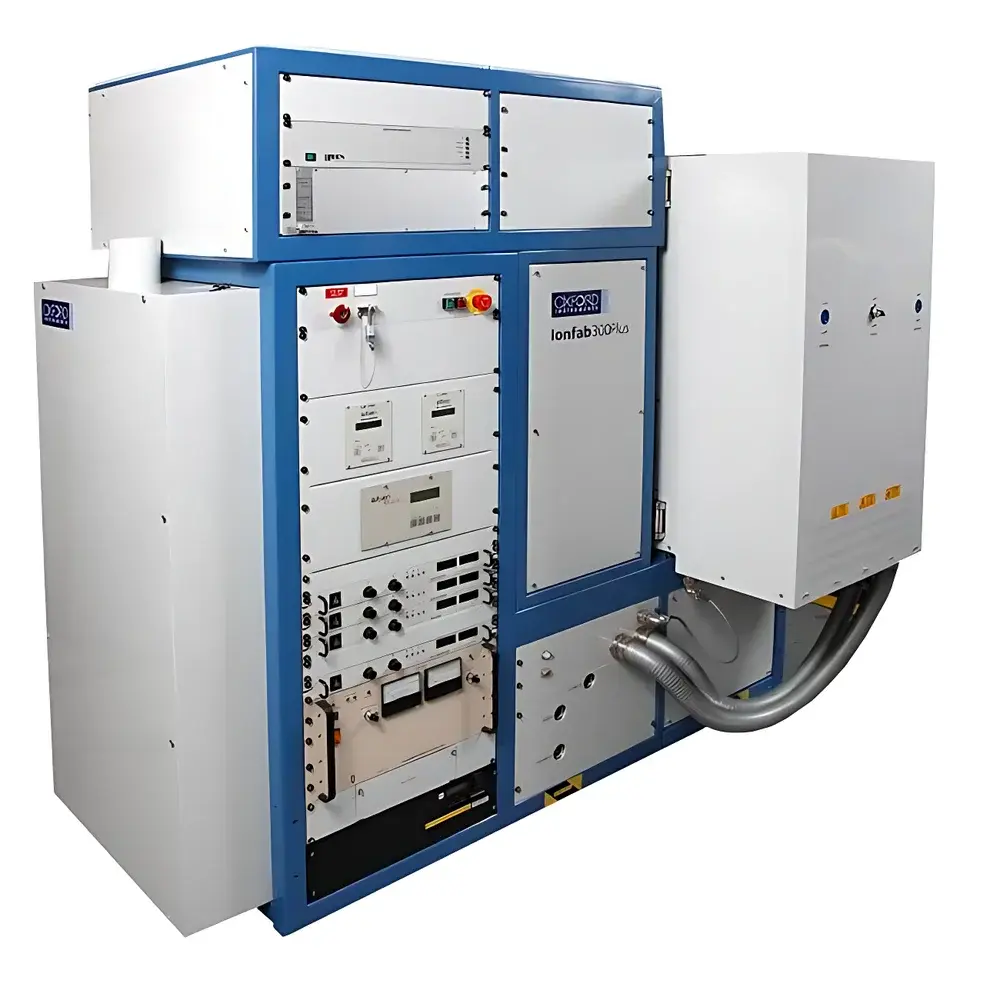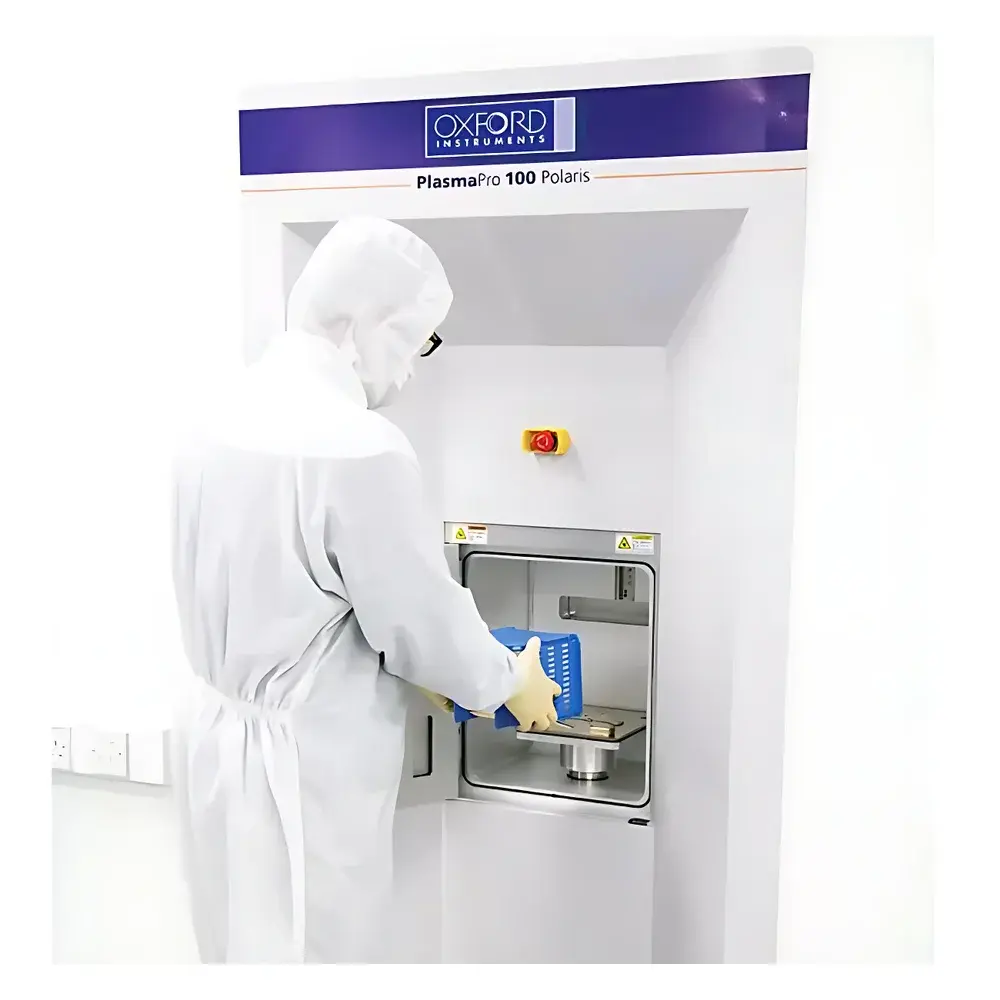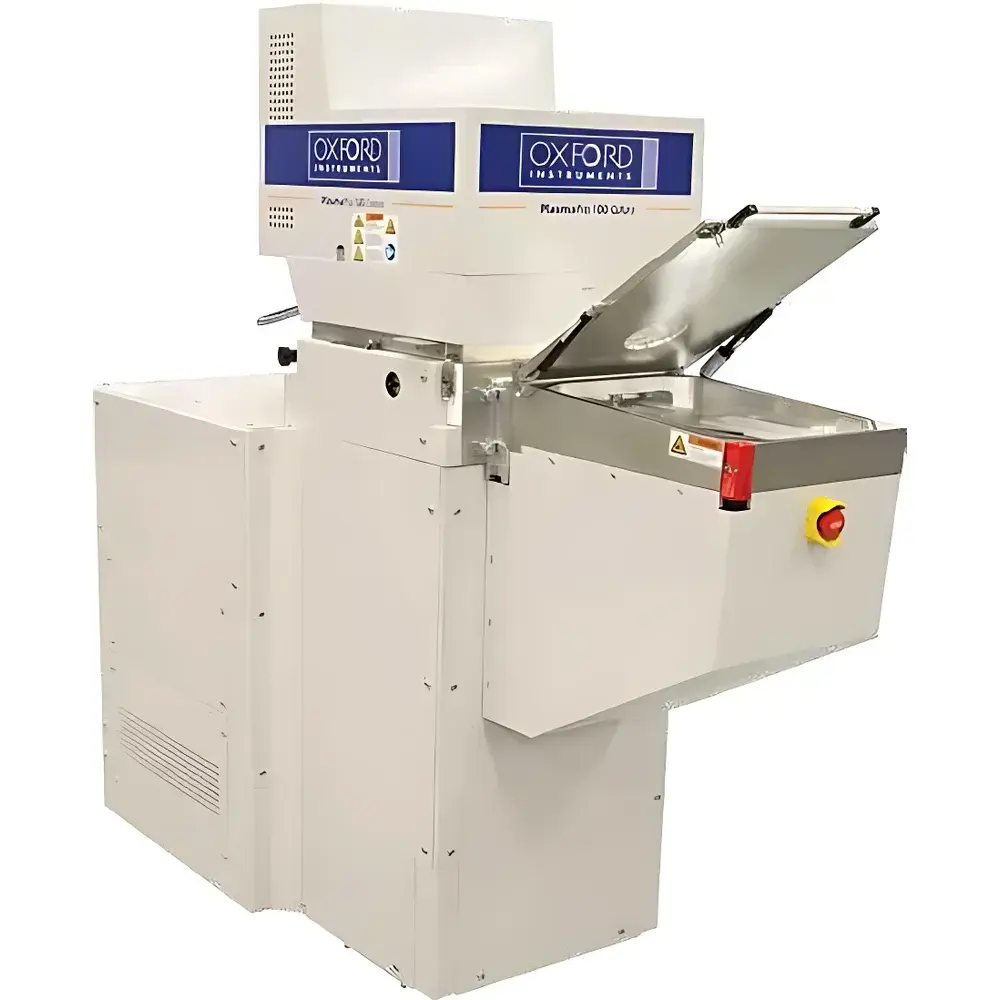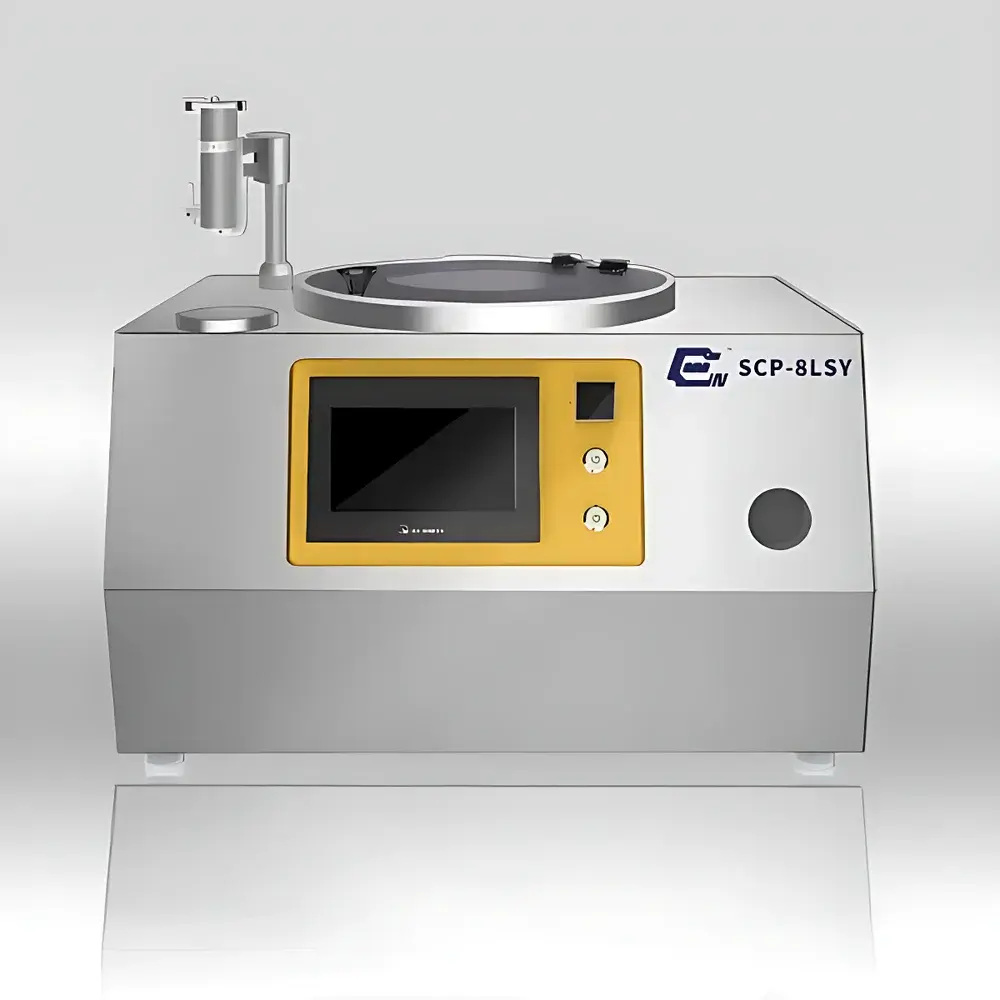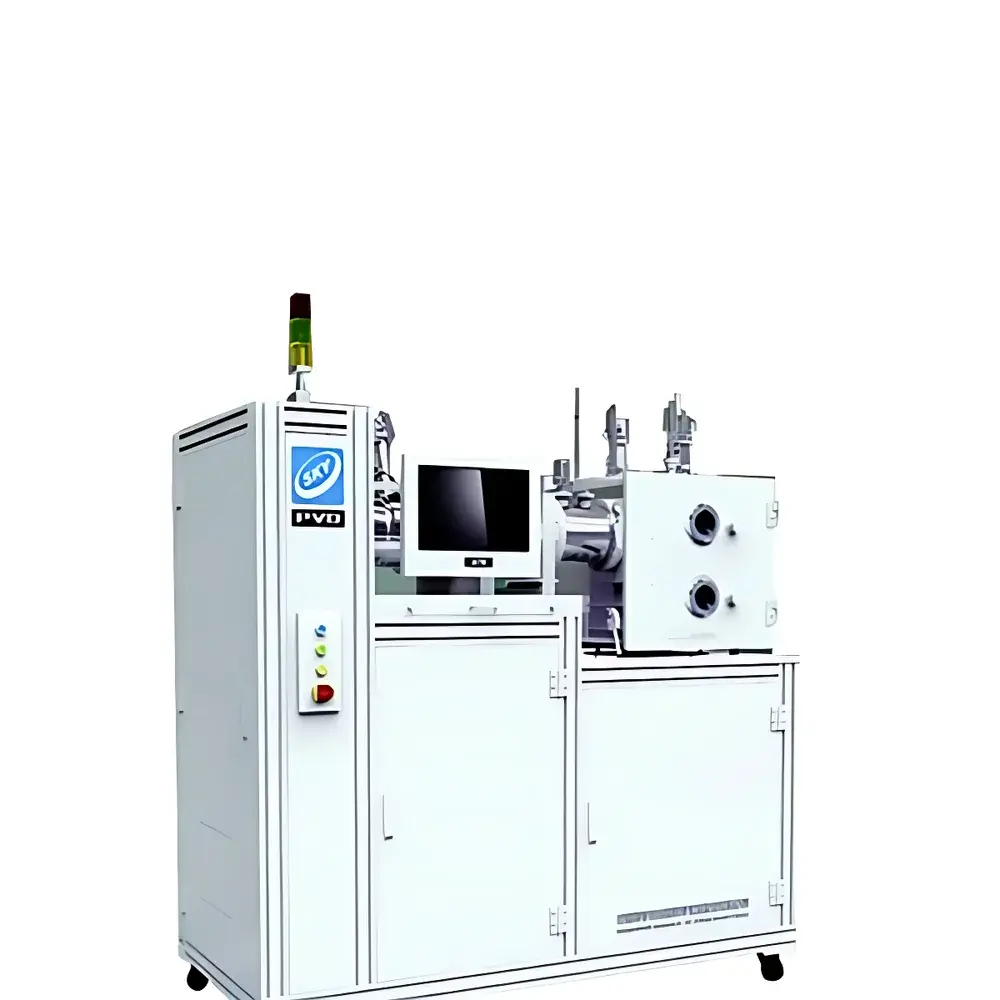
Shenyang K.Y. PVD400 High-Vacuum Magnetron Sputtering Thin Film Deposition System
| Brand | Shenyang K.Y. |
|---|---|
| Origin | Liaoning, China |
| Manufacturer Type | Authorized Distributor |
| Country of Origin | China |
| Model | PVD400 |
| Instrument Type | Magnetron Sputtering Coater |
| Application Field | Microelectronics |
| Substrate Size | Ø100 mm (1 × 4-inch wafer) |
| Targets | Three Ø50.8 mm (2-inch) Permanent-Magnet DC/RF Sputtering Targets |
| Maximum Substrate Temperature | 800 °C |
| Thickness Uniformity (within wafer) | ≤ ±3% |
| Base Vacuum | ≤ 6.6 × 10⁻⁵ Pa |
Overview
The Shenyang K.Y. PVD400 is a high-vacuum magnetron sputtering system engineered for reproducible, controlled thin-film deposition in research and development environments. It operates on the principle of physical vapor deposition (PVD), where energetic argon ions—generated in a low-pressure plasma—bombard solid target materials, causing atomic ejection and subsequent condensation onto a thermally regulated substrate. This system supports both direct-current (DC) and radio-frequency (RF) sputtering modes, enabling deposition of conductive, semiconductive, and insulating films—including oxides (e.g., ITO, Al₂O₃), nitrides (e.g., TiN, Si₃N₄), metals (e.g., Cu, Ti, Pt), and magnetic alloys (e.g., CoFeB, NiFe). Its modular vacuum architecture, combined with precise thermal and plasma control, ensures stable process conditions essential for nanoscale film engineering in microelectronics, spintronics, and optoelectronic device prototyping.
Key Features
- High-integrity stainless-steel vacuum chamber (400 × 400 × 400 mm³, square front-loading design) with all-metal sealing and ISO-KF flanged ports for rapid pump-down and long-term vacuum stability
- Triple-target configuration: three independent Ø50.8 mm permanent-magnet magnetron sources—each with adjustable tilt angle and shielded cathode assembly—to support co-sputtering, sequential layering, or combinatorial material synthesis
- Heated rotating sample stage accommodating a single Ø100 mm (4-inch) substrate, with programmable temperature ramping up to 800 °C and real-time thermocouple feedback
- Integrated turbomolecular pumping system backed by a dry scroll pump, achieving a base pressure ≤ 6.6 × 10⁻⁵ Pa—sufficient for low-defect-density film growth and minimal residual gas incorporation
- Full-automation via industrial-grade PLC and touchscreen HMI interface, supporting recipe-based operation, parameter logging (pressure, power, temperature, time), and hardware interlock safety protocols
Sample Compatibility & Compliance
The PVD400 accommodates standard 4-inch wafers (Si, SiO₂/Si, glass, quartz, sapphire, flexible polyimide substrates) and custom planar samples up to 100 mm in diameter. Substrate holders are compatible with standard wafer clamping (electrostatic or mechanical) and optional bias voltage application (up to −200 V) for ion-assisted densification. The system conforms to international laboratory safety standards including IEC 61000-6-2 (EMC immunity) and IEC 61000-6-4 (EMC emission). While not certified for GMP production, its repeatable process execution, parameter traceability, and hardware-level emergency shutdown make it suitable for GLP-aligned R&D workflows. Vacuum components meet ASTM F2782-19 specifications for ultra-high-vacuum (UHV) compatible materials and surface finish.
Software & Data Management
The embedded control software provides intuitive, menu-driven operation with multi-level user access (operator, engineer, administrator). All process parameters—including sputtering power (0–500 W per target), working pressure (0.1–10 Pa), deposition time (0.1 s–99 h), and thermal ramp profiles—are stored in encrypted local databases with timestamped logs. Export formats include CSV and XML for integration with LIMS or statistical process control (SPC) platforms. Audit trails record operator login/logout events, parameter changes, and alarm history—supporting alignment with FDA 21 CFR Part 11 requirements when deployed in regulated academic core facilities or contract research organizations.
Applications
This system is routinely employed in academic and industrial R&D laboratories for fabricating functional thin-film structures such as: transparent conducting oxides for flexible displays; ferromagnetic tunnel junctions in prototype MRAM cells; diffusion barriers (e.g., TaN/Ta) in advanced interconnect stacks; piezoelectric AlN layers for MEMS resonators; and graded refractive-index optical coatings for anti-reflection and beam-splitting applications. Its uniformity performance (≤ ±3% across 4-inch substrates) meets benchmark requirements for proof-of-concept device fabrication, while its thermal capability enables post-deposition in-situ annealing—a critical step for crystallization of amorphous metal oxides or stress relaxation in metallic multilayers.
FAQ
What vacuum level is required for high-quality dielectric film deposition?
For low-stress, low-defect oxide or nitride films, a base pressure ≤ 1 × 10⁻⁴ Pa is recommended prior to introducing reactive gas; the PVD400 achieves ≤ 6.6 × 10⁻⁵ Pa, minimizing hydrocarbon and water vapor contamination.
Can RF sputtering be performed on insulating targets such as Al₂O₃ or SiO₂?
Yes—the system supports dual-mode power supplies (DC + RF) with impedance matching networks, enabling stable RF sputtering of non-conductive targets without arcing or target poisoning.
Is substrate rotation necessary for achieving ≤ ±3% thickness uniformity?
Rotation is integral to the design: the motorized stage rotates at 5–30 rpm during deposition to average azimuthal flux asymmetry from off-axis magnetron geometry, directly contributing to the specified uniformity specification.
What maintenance intervals are recommended for the turbomolecular pump?
Annual bearing inspection and rotor cleaning are advised per manufacturer guidelines; the dry backing pump requires oil-free operation with filter replacement every 6 months under continuous use.
Does the system support reactive sputtering with O₂ or N₂ gas mixing?
Yes—mass flow controllers (MFCs) for Ar, O₂, and N₂ are available as factory options, enabling stoichiometric control in reactive processes such as TiO₂ or TiN synthesis.