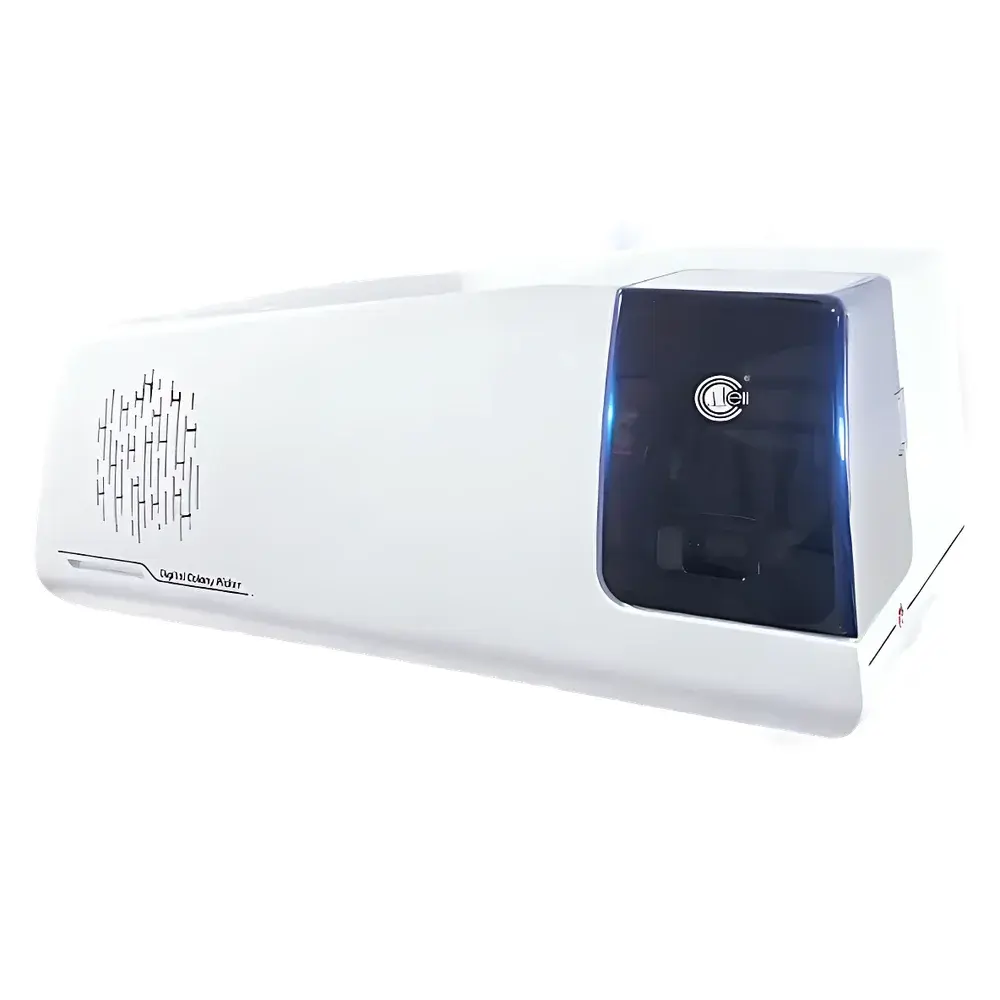
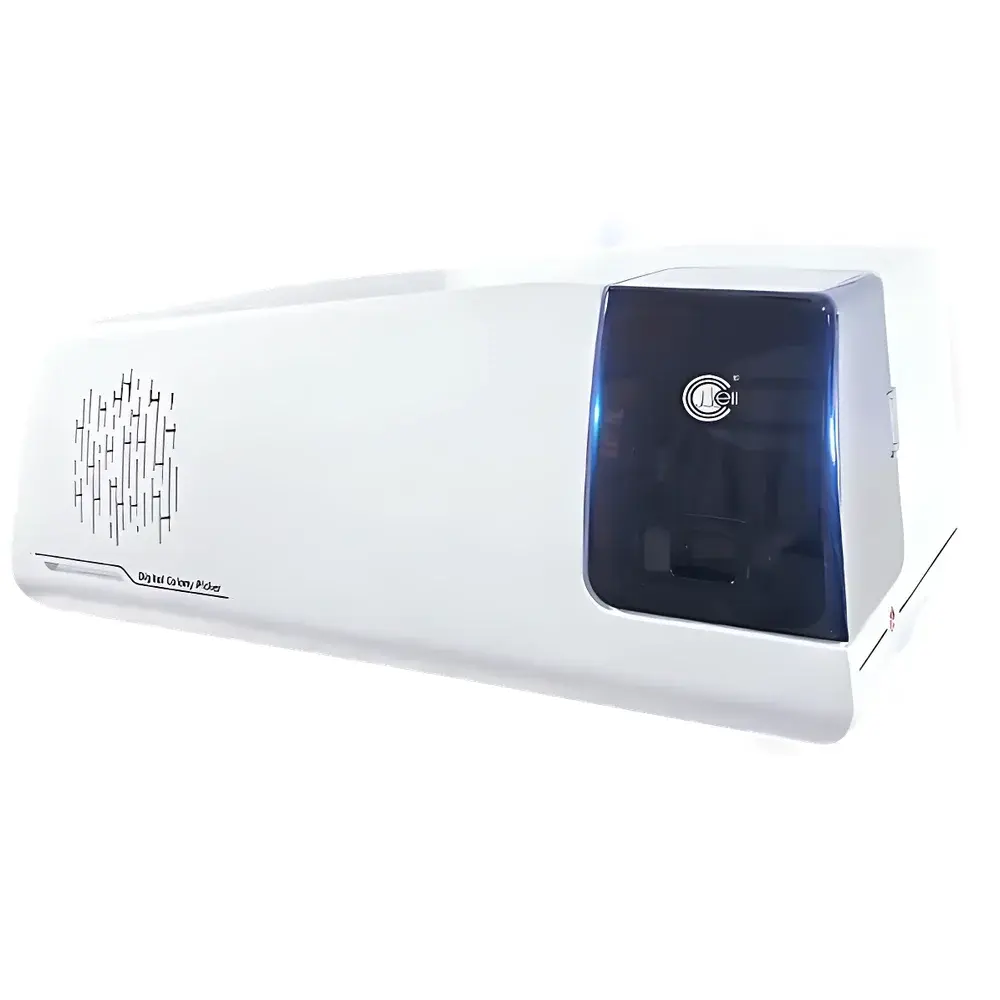
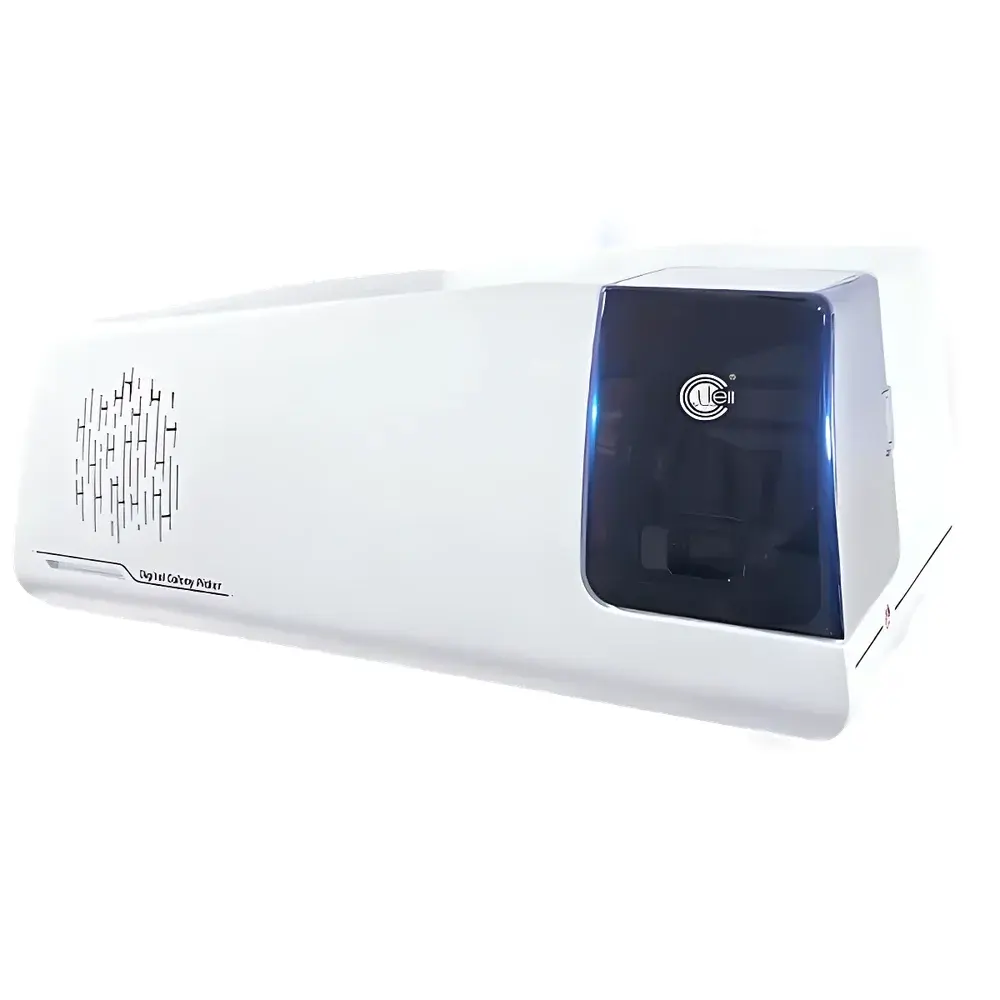
Single-cell DCP A100 Digital Colony Picker
| Brand | Single-cell |
|---|---|
| Origin | Shandong, China |
| Manufacturer Type | Authorized Distributor |
| Product Origin | Domestic (China) |
| Model | DCP A100 |
| Pricing | Upon Request |
| Instrument Category | Microdroplet-based Screening |
| Throughput | 1,000 single-colony picks per hour |
| Detection Method | AI-assisted brightfield and fluorescence imaging |
| Output Format | 96-well plate format |
| Compliance | Designed for GLP-compliant microbial screening workflows |
Overview
The Single-cell DCP A100 Digital Colony Picker is an automated microdroplet-based screening platform engineered for high-fidelity isolation and phenotypic validation of functionally distinct microbial or mammalian single cells. Operating on the principle of compartmentalized microcultivation—where individual cells are encapsulated in monodisperse aqueous microdroplets suspended in inert carrier oil—the system enables parallel, anaerobic- or aerobic-compatible cultivation under controlled physicochemical conditions. Each microdroplet functions as an isolated bioreactor, permitting real-time monitoring of growth kinetics, metabolic activity, or reporter expression (e.g., GFP, RFP, enzyme-linked fluorescence) via integrated brightfield and fluorescence imaging modules. Coupled with a convolutional neural network (CNN)-based image analysis engine, the DCP A100 performs label-free, morphology- and intensity-guided colony identification without requiring pre-labeling or genetic barcoding. This architecture eliminates cross-contamination risks inherent in traditional pick-and-streak workflows while preserving clonal integrity across serial subcultures.
Key Features
- Automated microdroplet generation and dispensing with <10% coefficient of variation in droplet diameter (typical range: 50–150 µm), compatible with standard silicone oil or fluorinated carrier phases
- Integrated dual-channel imaging system: high-resolution CMOS sensor (5.0 MP) with programmable LED illumination for brightfield and narrow-band fluorescence excitation (470 nm/525 nm and 560 nm/610 nm filter sets)
- Real-time image acquisition at user-defined intervals (1 min to 24 h), enabling kinetic profiling of colony emergence, expansion, and morphological differentiation
- AI-driven decision logic trained on >50,000 annotated microcolony images across Gram-positive/negative bacteria, yeasts, and engineered mammalian cell lines
- Precision piezoelectric dispensing head with ±50 µm positional accuracy and non-contact transfer to sterile 96-well plates (U-bottom or flat-bottom formats)
- Onboard environmental control module supporting temperature regulation (20–45 °C ±0.3 °C) and optional humidity stabilization for extended incubation periods
Sample Compatibility & Compliance
The DCP A100 supports diverse biological inputs including bacterial isolates (e.g., Escherichia coli, Bacillus subtilis), actinomycetes, fungal spores (Saccharomyces cerevisiae, Aspergillus niger), and suspension-adapted mammalian cells (CHO, HEK293). Sample loading requires no centrifugation or density gradient separation; direct inoculation of diluted cell suspensions (10²–10⁶ CFU/mL) into microfluidic cartridge is sufficient. All fluidic pathways employ medical-grade PTFE and cyclic olefin copolymer (COC) materials certified per ISO 10993-5 for cytotoxicity. The instrument’s software architecture adheres to ALCOA+ data integrity principles and includes full audit trail functionality compliant with FDA 21 CFR Part 11 requirements for electronic records and signatures. Routine operation meets ASTM E2500-13 guidelines for verification of automated microbiological equipment.
Software & Data Management
The proprietary Single-cell Insight™ software suite provides a browser-based interface for experimental design, image acquisition scheduling, and AI model retraining. Raw image stacks are stored in DICOM-compliant format with embedded metadata (timestamp, well ID, exposure settings, focus Z-position). Phenotypic descriptors—including colony area, circularity, mean fluorescence intensity (MFI), growth rate slope, and doubling time—are exported as CSV or HDF5 files for downstream statistical analysis in Python (scikit-learn, pandas) or R (tidyverse). Users may define custom classification thresholds (e.g., MFI > 5,000 AU + circularity < 0.75 = “producer clone”) and deploy them across batches without code modification. Software updates are delivered via secure HTTPS and validated against IEC 62304 Class B medical device software standards.
Applications
- High-throughput strain improvement programs targeting antibiotic production, organic acid synthesis, or recombinant protein secretion
- Functional metagenomics: recovery of active clones from uncultured environmental microbiomes using substrate-induced fluorescence assays
- CRISPR-Cas9 clonal validation: rapid segregation of edited vs. wild-type populations post-electroporation
- Microbial consortia engineering: selection of syntrophic pairs based on co-growth dynamics within shared droplets
- Antimicrobial resistance (AMR) phenotyping: MIC determination via droplet-level growth inhibition under gradient antibiotic exposure
FAQ
What sample preparation is required prior to loading?
Minimal preparation is needed: cells are suspended in appropriate growth medium at 10³–10⁵ CFU/mL, filtered through a 5-µm syringe filter, and loaded into the disposable microfluidic cartridge.
Can the system integrate with existing LIMS or ELN platforms?
Yes—via RESTful API endpoints supporting JSON payloads; pre-built connectors for LabVantage, Benchling, and Dotmatics are available under NDA.
Is sterilization of the fluidic path possible between runs?
The cartridge is single-use and disposed after each experiment; the optical chamber and dispensing head are cleaned in situ using 70% ethanol followed by UV-C irradiation (254 nm, 30 min).
Does the AI model support transfer learning for novel organism types?
Yes—users may upload annotated training sets (minimum 200 images per class) to retrain the CNN backbone using the onboard GPU-accelerated training module.
What regulatory documentation is provided with the instrument?
Each unit ships with a Declaration of Conformity (CE), Factory Acceptance Test (FAT) report, Installation Qualification (IQ)/Operational Qualification (OQ) protocol templates, and a complete software validation package aligned with GAMP5 Annex 11 guidance.