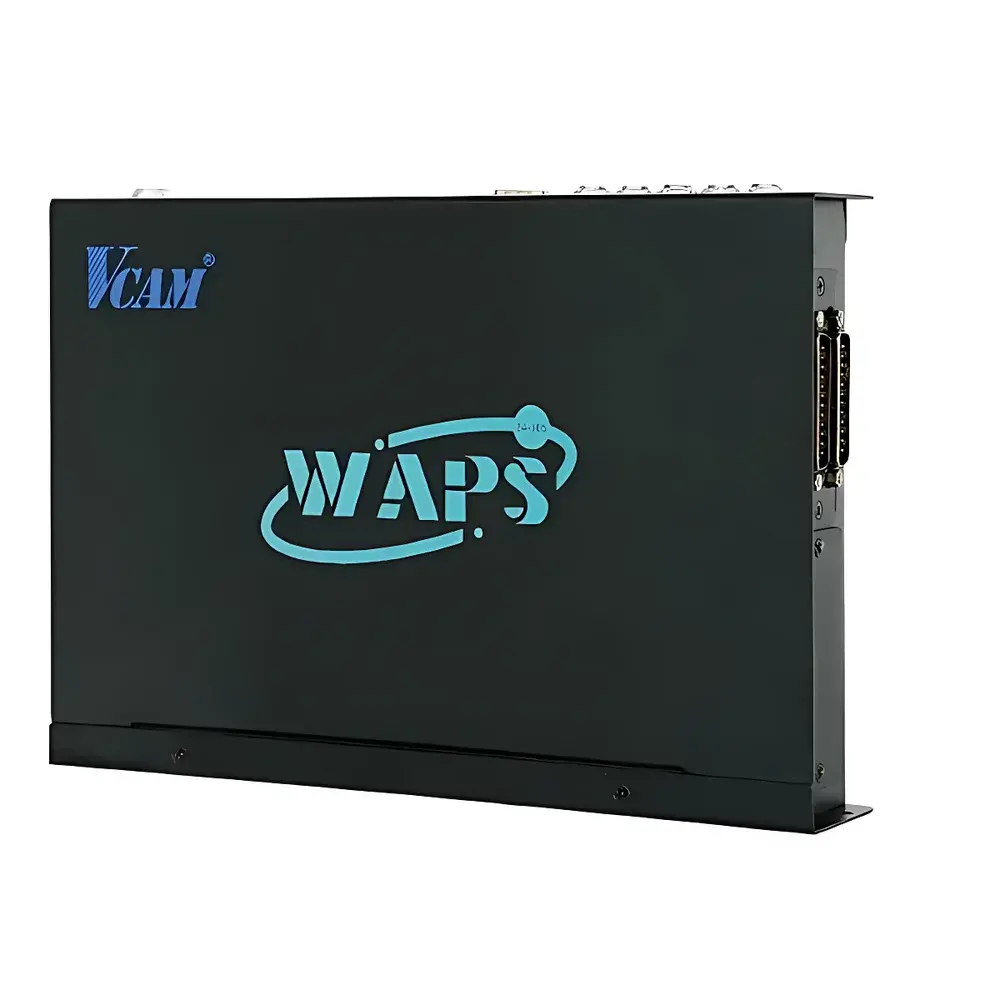
SKMBT Laboratory Milling System
| Origin | Imported |
|---|---|
| Manufacturer Type | Authorized Distributor |
| Model | SKMBT |
| Pricing | Available Upon Request |
Overview
The SKMBT Laboratory Milling System is a precision-engineered benchtop milling and size-reduction platform designed for controlled mechanical comminution of solid materials in research, quality control, and pilot-scale production environments. It operates on well-established mechanical energy transfer principles—compression, shear, impact, and attrition—each selectively engaged depending on the material’s mechanical properties (e.g., hardness, brittleness, toughness) and the target particle size distribution (PSD). Unlike high-speed rotor mills optimized solely for throughput, the SKMBT system integrates configurable milling modes and interchangeable grinding media to support method development across coarse crushing (≥1 mm), intermediate grinding (100–1000 µm), fine milling (1–100 µm), and ultrafine processing (<1 µm). Its modular architecture enables reproducible sample preparation compliant with standardized protocols for downstream analysis—including XRD, SEM, ICP-MS, and laser diffraction particle sizing.
Key Features
- Multi-mechanism operation: Selectable application of compression (for hard, bulky feedstocks), shear (for fibrous or ductile materials), impact (for brittle ceramics or pharmaceutical granules), and attrition (for submicron refinement)
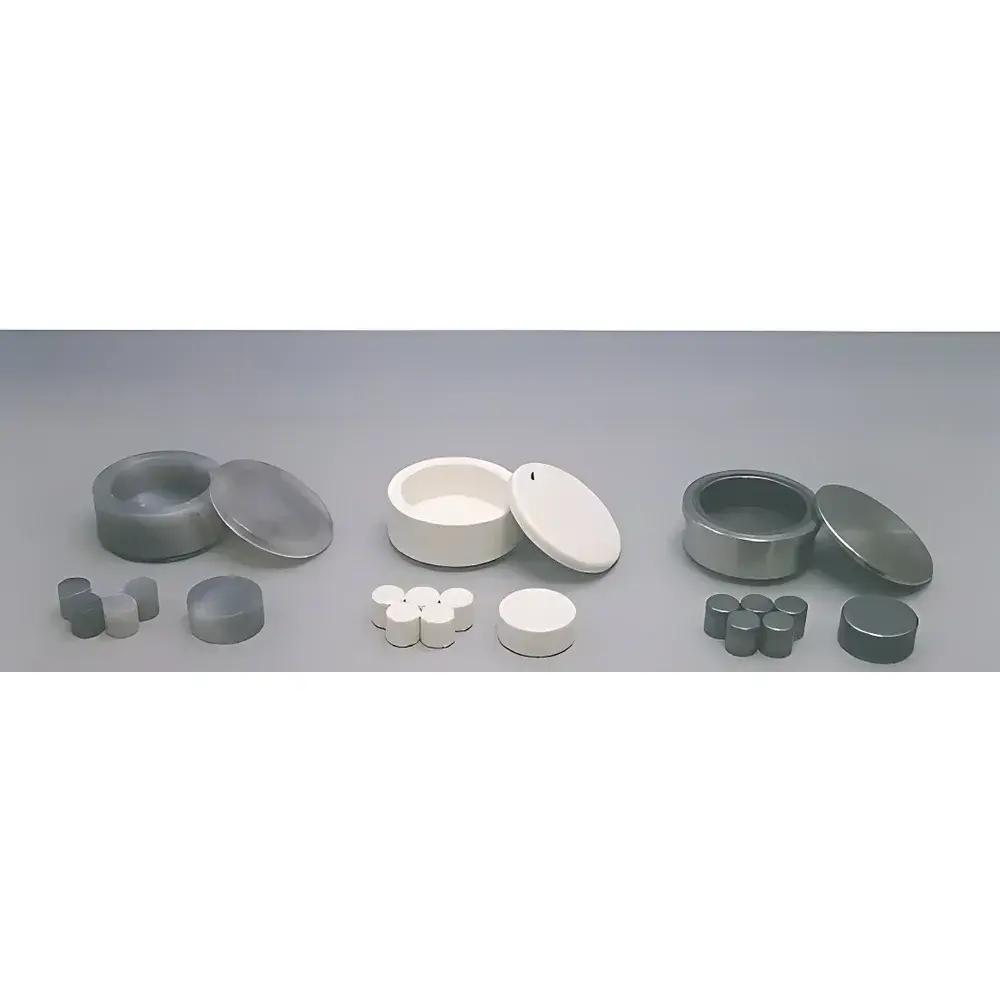
- Interchangeable grinding chambers and media: Compatible with玛瑙 (agate), zirconia (ZrO₂), tungsten carbide (WC), and stainless steel components—ensuring chemical inertness, wear resistance, and minimal contamination for sensitive applications
- Adjustable process parameters: Programmable rotational speed, milling time, pulse intervals, and chamber fill ratio to optimize energy input and thermal management
- Benchtop footprint with safety interlock: CE-compliant enclosure with automatic shutdown upon lid opening; integrated dust suppression interface for optional vacuum or inert gas purging
- Modular scalability: Base unit supports add-on modules for cryogenic cooling (-50 °C), real-time temperature monitoring, and automated media recovery
Sample Compatibility & Compliance
The SKMBT system accommodates diverse solid matrices—including inorganic oxides, metal alloys, polymers, botanicals, and pharmaceutical excipients—without requiring pre-drying or pelletization in most cases. Grinding media selection follows ISO 13320 (laser diffraction) and ASTM E11-22 (test sieves) guidance for representative sampling and minimal bias. For regulated environments, the system supports GLP-compliant documentation when paired with validated software (see Software & Data Management). All wet-milling configurations meet FDA 21 CFR Part 11 requirements for electronic records and signatures when deployed with audit-trail-enabled controllers. Surface finish of agate and zirconia components conforms to USP particulate matter limits for pharmaceutical-grade processing.
Software & Data Management
The SKMBT system interfaces with optional PC-based control software featuring method templates, parameter logging (time-stamped speed, torque, temperature), and export to CSV or LIMS-compatible XML. Each milling run generates a digital certificate containing operator ID, batch ID, media lot number, ambient conditions, and deviation flags (e.g., thermal excursion >±5 °C). Audit trails are encrypted and immutable per ALCOA+ principles. Raw data files retain native timestamp resolution (100 ms), supporting retrospective analysis and regulatory inspection readiness. Optional integration with LabWare LIMS or Thermo Fisher SampleManager enables automated metadata injection into enterprise workflows.
Applications
- Pre-analytical sample homogenization for geochemical assays (e.g., rock powders for ICP-OES)
- Pharmaceutical solid dosage form development: micronization of APIs to enhance dissolution kinetics
- Materials science R&D: Production of nanostructured precursors for sintering or thin-film deposition
- Environmental testing: Reduction of soil/sediment composites to <75 µm for TCLP extraction per EPA Method 1311
- Academic research: Controlled mechanochemical synthesis of metal-organic frameworks (MOFs) and solid-state battery cathodes
FAQ
What types of grinding media are certified for use with the SKMBT system?
Agate, yttria-stabilized zirconia (YSZ), tungsten carbide, and AISI 316 stainless steel—each supplied with CoA specifying density, Vickers hardness, and trace metal content.
Can the SKMBT be validated for GMP manufacturing environments?
Yes—when configured with IQ/OQ documentation packages, calibrated torque sensors, and 21 CFR Part 11–compliant software, it meets Annex 15 and ASTM E2500 validation expectations.
Is cryogenic milling supported out-of-the-box?
Cryogenic operation requires the optional LN₂ jacketed chamber module and temperature feedback controller; standard configuration supports ambient and forced-air-cooled milling only.
How is cross-contamination prevented between sequential runs?
Automated media recovery cycles, ultrasonic chamber cleaning protocols (validated per ISO 14644-1 Class 5), and dedicated media sets per material class minimize carryover risk.
Does the system comply with RoHS and REACH substance restrictions?
All structural and consumable components are certified RoHS 2011/65/EU and REACH SVHC-free; full declarations available upon request.