
SOPTOP IoT-Enabled Digital Microscopy Interactive Teaching System
| Brand | SOPTOP |
|---|---|
| Origin | Zhejiang, China |
| Manufacturer Type | Original Equipment Manufacturer (OEM/ODM) |
| Product Category | Domestic |
| Model | IoT-Enabled Digital Microscopy Interactive Teaching System |
| Pricing | Available Upon Request |
Overview
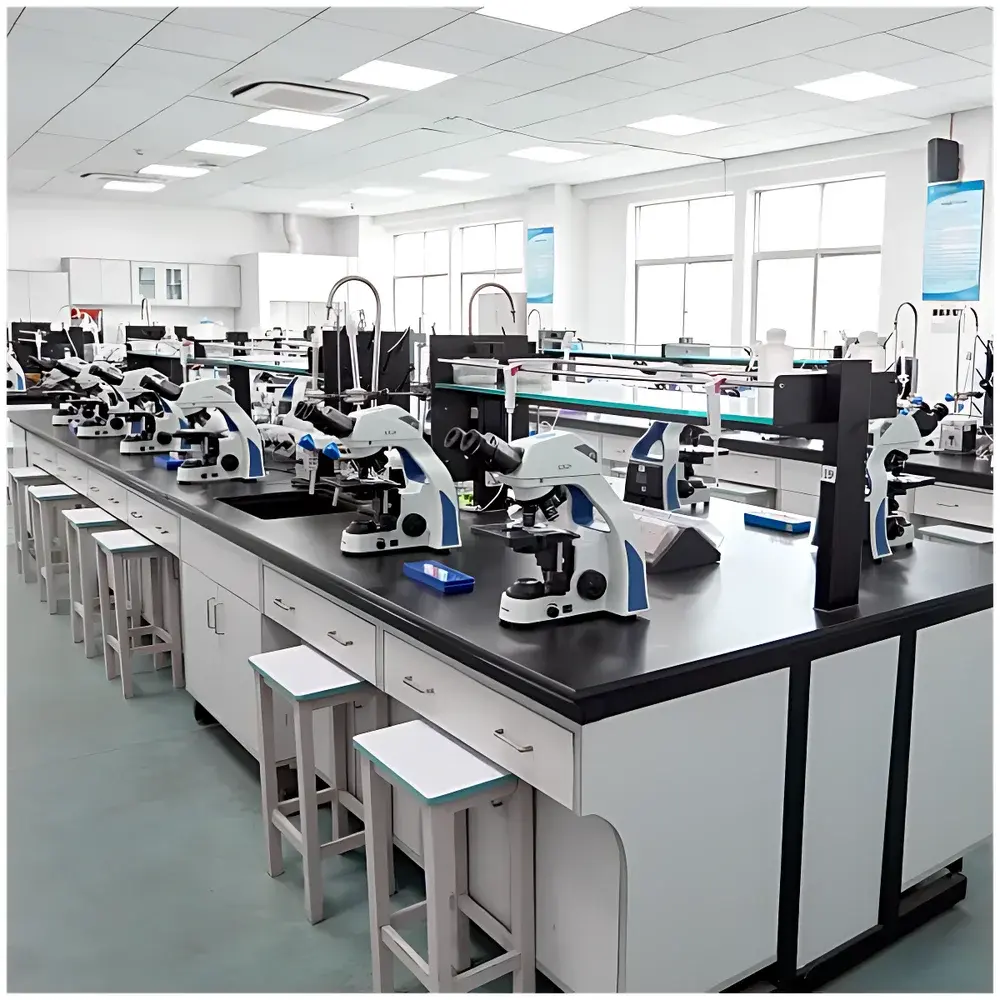
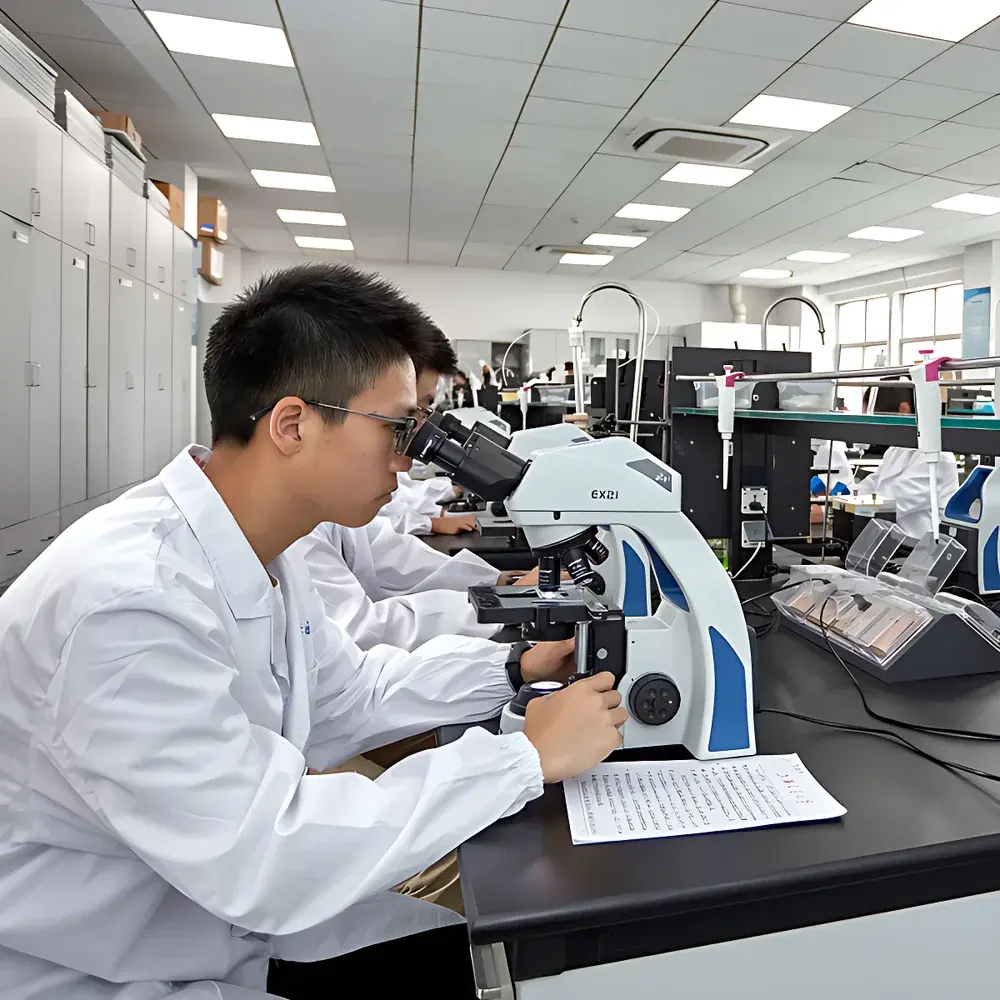
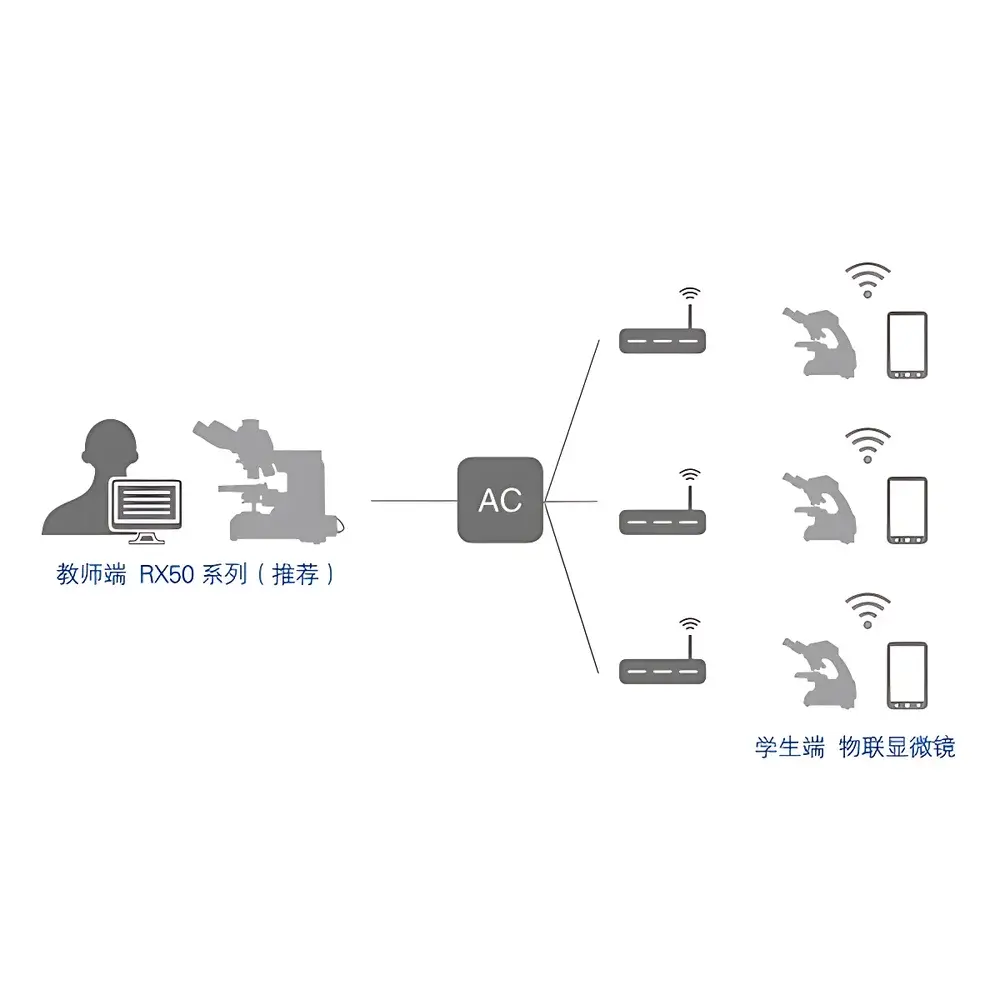
The SOPTOP IoT-Enabled Digital Microscopy Interactive Teaching System is a purpose-built educational platform integrating high-resolution digital microscopy, real-time wireless imaging transmission, and classroom-scale device interoperability. Engineered for university life science laboratories, medical training centers, and vocational education facilities, the system operates on a dual-mode optical architecture—supporting both conventional microscopic observation (via objective-lens-coupled CMOS sensors) and macro-level procedural monitoring (via integrated student-end wide-angle cameras). Core functionality relies on IEEE 802.11ac/ax-compliant 5 GHz Wi-Fi infrastructure, enabling low-latency, high-throughput streaming of synchronized video feeds across heterogeneous client devices—including iOS, Android, and Windows platforms—without dependency on proprietary hardware gateways or local area network cabling. The system adheres to pedagogical design principles emphasizing observational fidelity, instructional scalability, and audit-ready session logging.
Key Features
- Real-time 1080p video streaming at up to 25 fps with sub-100 ms end-to-end latency under concurrent 32-client load conditions
- Dual-sensor imaging architecture: 16 MP / 20 MP back-illuminated CMOS sensors in student units for high-fidelity static capture and dynamic live preview
- Multi-modal supervision interface supporting seamless toggling between micro-view (student microscope feed) and macro-view (student workspace camera feed)
- Configurable multi-window display layouts: 1×2, 2×2, 3×3, and 4×4 grid modes for instructor-led comparative analysis and cohort-wide assessment
- Zero-configuration device discovery and auto-negotiated channel selection across dense 5 GHz Wi-Fi deployments, compliant with ETSI EN 301 893 and FCC Part 15.407
- End-to-end encrypted peer-to-peer messaging with annotation overlay, image attachment, and selective broadcast capability per user group
Sample Compatibility & Compliance
The system accommodates standard glass microscope slides (76 × 26 mm), petri dishes (up to 100 mm diameter), and dissecting specimens mounted on foam or cork substrates. No sample preparation modification is required—existing histological, cytological, or botanical preparations are fully compatible. From a regulatory standpoint, the platform supports GLP-aligned teaching workflows through timestamped, immutable session logs exportable in CSV and XML formats. Image metadata conforms to DICOM Supplement 145 (Digital Microscopy) standards where applicable. While not a medical device, its architecture aligns with ISO/IEC 27001 information security controls for academic IT infrastructure and meets baseline requirements for US Department of Education FERPA-compliant data handling when deployed on institution-managed networks.
Software & Data Management
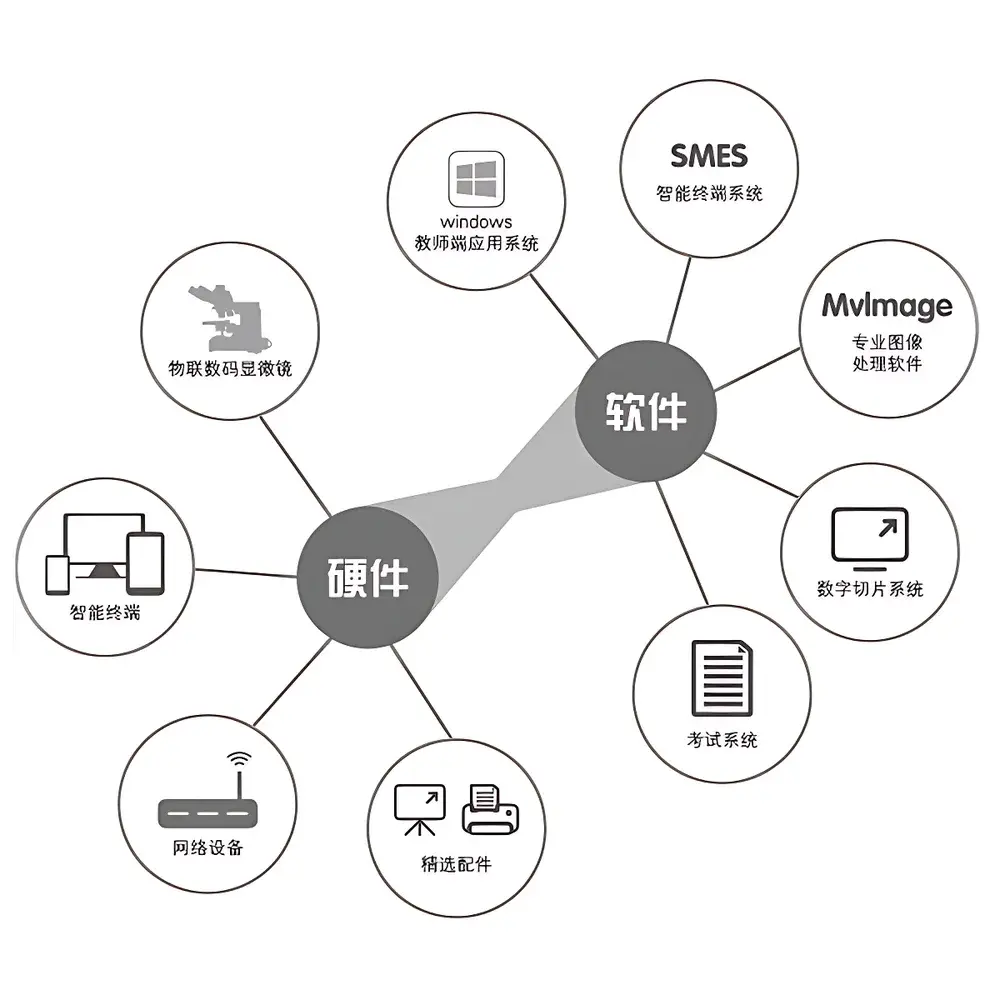
The central management console runs on Windows-based host systems and provides role-based access control (RBAC) for instructors, teaching assistants, and administrators. All captured images and video segments are stored locally or on configurable SMB/NFS network shares with SHA-256 checksum validation. Software includes built-in digital slide virtualization tools compatible with common whole-slide image (WSI) formats (SVS, NDPI, MRXS), enabling integration with existing LMS platforms via LTI 1.3. Audit trails record every instructor-initiated action—including window layout changes, annotation timestamps, and broadcast triggers—with retention policies configurable per institutional policy. Export modules support batch conversion to TIFF (uncompressed), JPEG2000 (lossless), and PDF/A-2b for archival compliance.
Applications
- Undergraduate histology and pathology instruction with synchronized multi-station review of tissue sections
- Remote proctoring of practical laboratory assessments in hybrid learning environments
- Collaborative morphological analysis during capstone research projects involving cross-campus teams
- Standardized competency evaluation using pre-loaded reference image sets and timed annotation exercises
- Integration into flipped-classroom models where students submit annotated image reports prior to synchronous discussion sessions
FAQ
Does the system require a dedicated Wi-Fi access point or can it operate on existing campus infrastructure?
It operates on standard enterprise-grade 5 GHz Wi-Fi networks meeting IEEE 802.11ac or later specifications; no proprietary AP hardware is required.
Are captured images suitable for publication or formal assessment submission?
Yes—static captures retain full sensor resolution (16 MP / 20 MP) with embedded EXIF metadata including exposure parameters, lens configuration, and UTC timestamps.
How is student privacy maintained during macro-mode monitoring?
Macro-mode video streams are processed locally on the instructor console and never uploaded to cloud services; recording requires explicit opt-in consent logged per session.
Can third-party LMS platforms like Canvas or Moodle integrate with the system?
Yes—via LTI 1.3 deep linking and grade passback protocols, with custom SIS sync adapters available upon request.
What level of technical support is provided for deployment and maintenance?
SOPTOP offers on-site installation validation, instructor training workshops, and remote diagnostics under annual support contracts aligned with ISO/IEC 20000 service management standards.





