
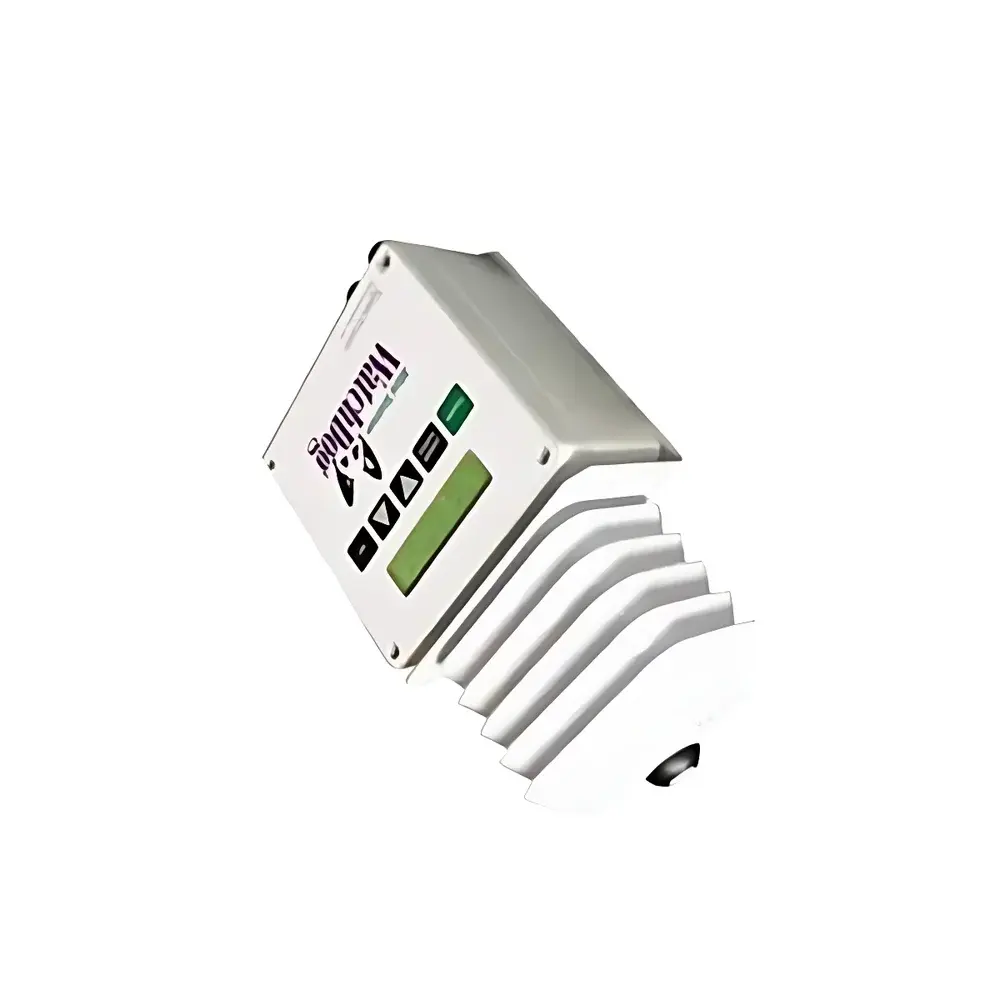
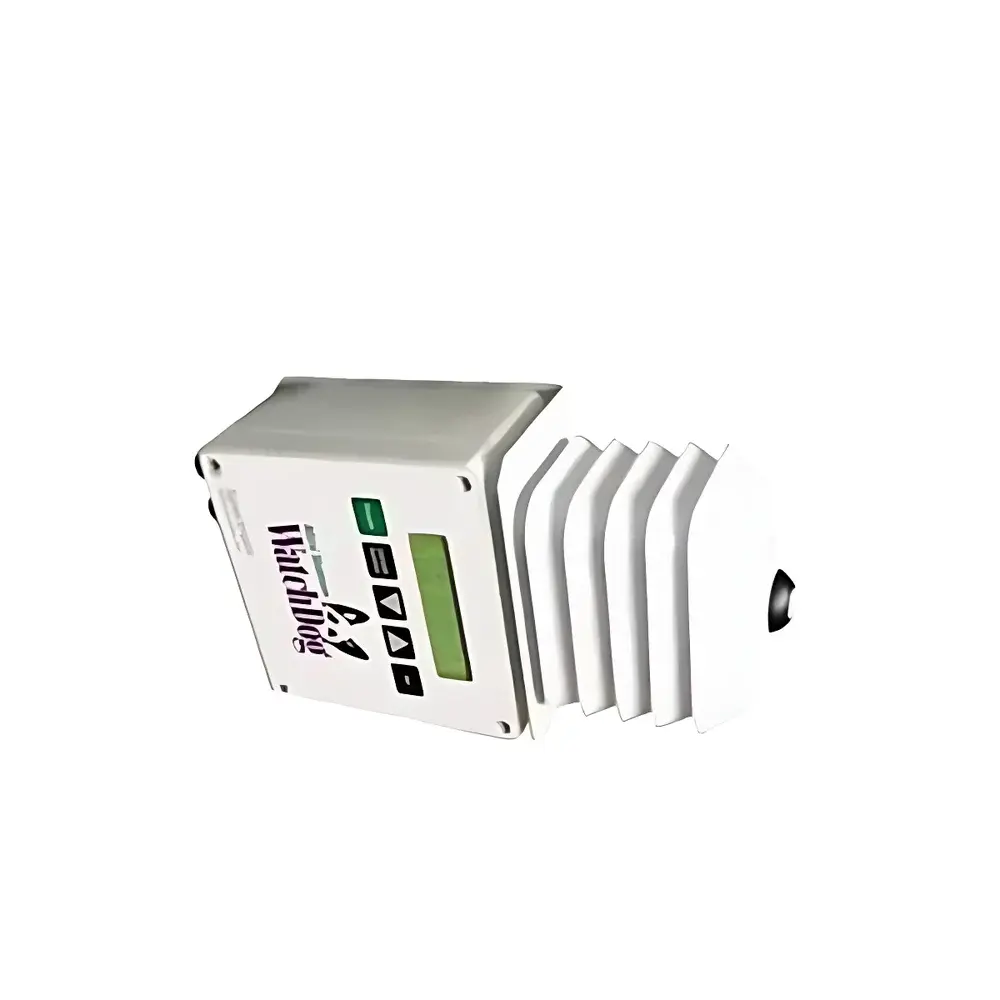
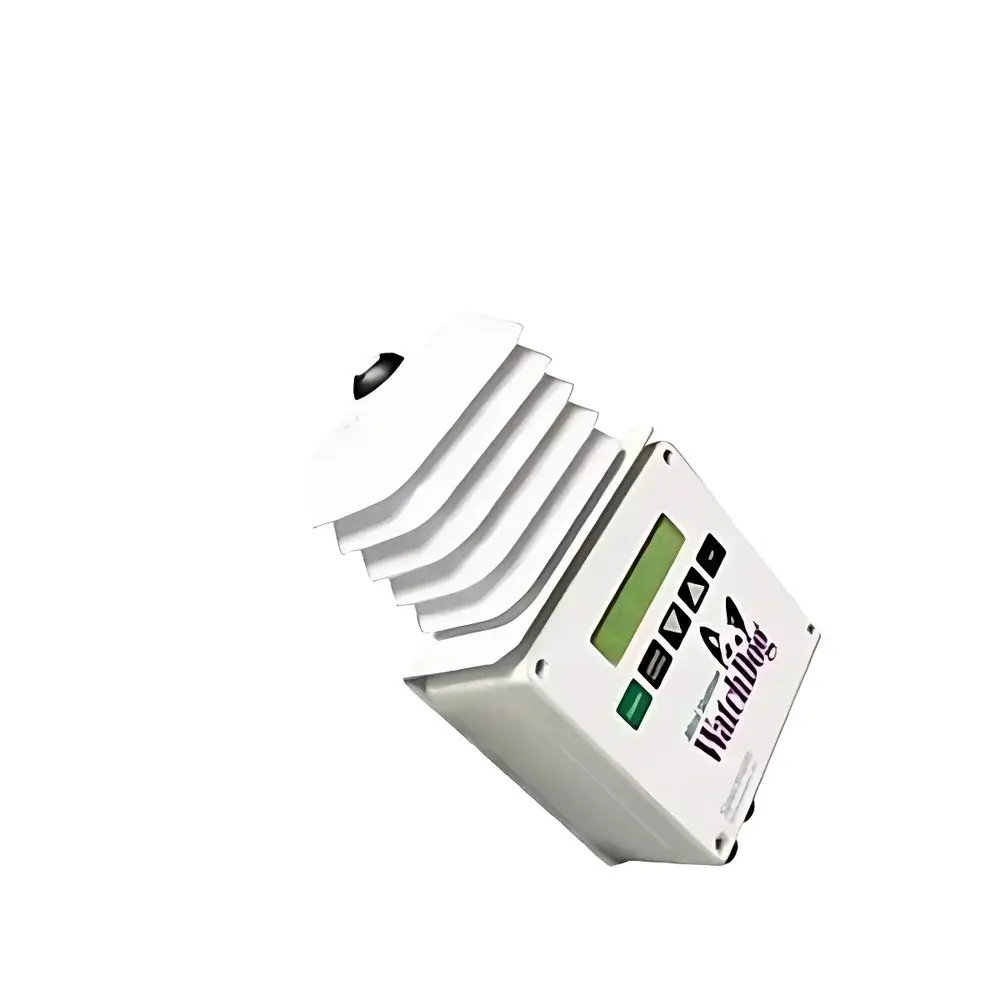
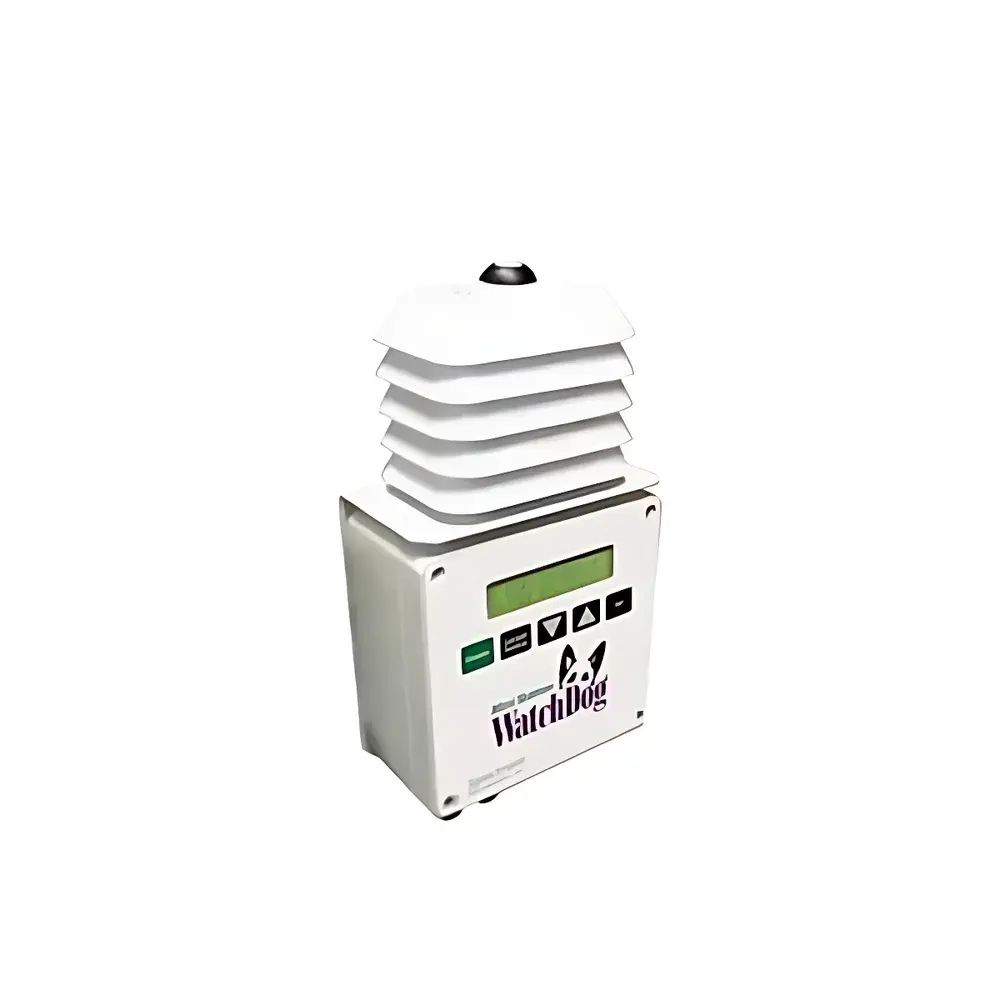
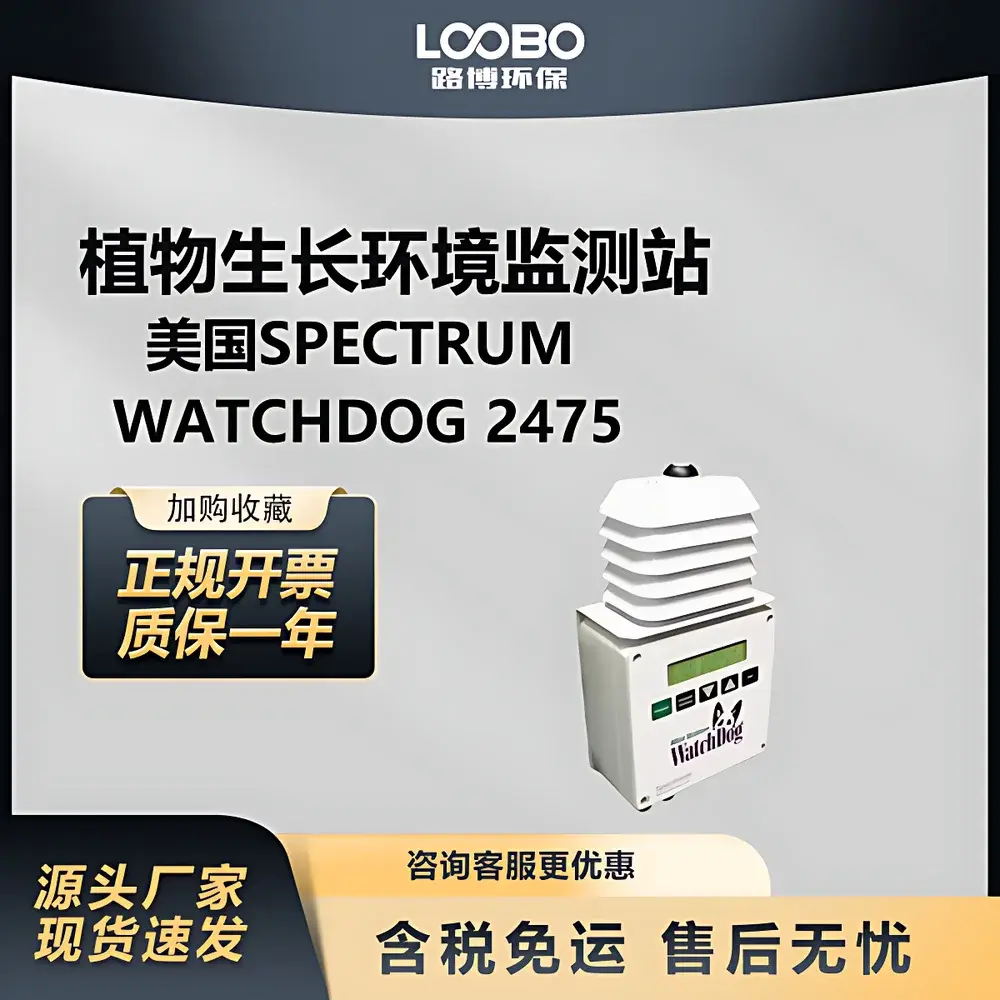
Spectrum WatchDog 2475 Plant Growth Environmental Monitoring Station
| Brand | Active Spectrum |
|---|---|
| Origin | USA |
| Manufacturer Type | Authorized Distributor |
| Import Status | Imported |
| Model | WATCHDOG 2475 |
| Pricing | Available Upon Request |
Overview
The Spectrum WatchDog 2475 Plant Growth Environmental Monitoring Station is a field-deployable, battery-powered data logger engineered for continuous, long-term monitoring of microclimatic parameters critical to plant physiology and agronomic research. Built on a robust embedded architecture, the system operates on the principle of multi-sensor environmental telemetry—acquiring, time-stamping, and locally storing high-fidelity measurements of air temperature, relative humidity, photosynthetically active radiation (PAR), and derived bioclimatic indices including dew point, growing degree days (GDD), vapor pressure deficit (VPD), and diurnal temperature averages. Designed for unattended operation in remote or resource-constrained settings—from greenhouse trials and open-field phenotyping platforms to ecological transects—the WatchDog 2475 delivers traceable, reproducible environmental baselines essential for controlled experiments, crop modeling validation, and regulatory-compliant agricultural monitoring.
Key Features
- Built-in non-volatile memory with 8,800 data point capacity; supports configurable sampling intervals of 1, 5, 10, 15, 30, or 60 minutes—enabling up to ~183 days of continuous logging at 30-minute intervals
- Low-power design powered by four standard AA alkaline batteries; typical operational life exceeds 12 months under nominal environmental conditions and default sampling settings
- Integrated LCD display providing real-time visualization of air temperature (°C), relative humidity (% RH), PAR (μmol/m²/s), daily PAR integral (mol/m²/day), dew point (°C), GDD (°C-day), VPD (kPa), and mean day/night temperature
- Single external sensor port supporting optional analog or digital expansion modules—including soil moisture, soil temperature, leaf wetness, or CO₂ sensors—via standardized interface protocols
- RS-232 serial communication port; USB-to-RS232 adapter available as an accessory for direct PC connectivity and firmware updates
- Extended communication options available via optional add-on modules: licensed radio telemetry (up to 1 km line-of-sight), Iridium satellite uplink, cellular GSM/GPRS, dial-up modem, or extended direct-wire cable (up to 300 m)
- Operating temperature range: −30 °C to +60 °C; sensor measurement ranges and accuracies meet ANSI/ISO-referenced field instrumentation tolerances for agricultural meteorology
Sample Compatibility & Compliance
The WatchDog 2475 is optimized for deployment across diverse terrestrial ecosystems—including controlled-environment agriculture, vineyards, orchards, row-crop fields, and ecological research plots. Its environmental specifications comply with ASTM D5098 (standard practice for environmental monitoring in agricultural research) and align with FAO agroclimatic data collection guidelines. While not certified for GLP or GMP environments per se, its timestamped, non-volatile data storage and deterministic sampling architecture support audit-ready data integrity for ISO 17025-accredited laboratories performing environmental correlation studies. The device meets FCC Part 15 Class B emissions requirements for commercial use and carries CE marking for electromagnetic compatibility (EMC) and low-voltage directive compliance.
Software & Data Management
Data retrieval and configuration are managed via Spectrum’s proprietary WatchDog Software (Windows-compatible), which enables secure local download, graphical trend analysis, export to CSV or Excel formats, and automated report generation. The software implements basic metadata tagging (site ID, sensor calibration date, operator notes) and supports batch processing of multiple loggers. Although the unit itself does not embed cryptographic signing or electronic signature functionality, its structured ASCII data output format is compatible with third-party LIMS and ELN systems that enforce FDA 21 CFR Part 11 compliance through external audit-trail layers. Firmware updates are delivered via serial interface and require physical access—ensuring integrity against unauthorized remote modification.
Applications
- Long-term phenological monitoring of crop development stages in relation to thermal time accumulation (GDD)
- Evaluation of microclimate gradients within greenhouses or high-tunnel production systems
- Calibration and ground-truthing of satellite-derived PAR and land surface temperature products
- Controlled irrigation scheduling based on real-time VPD and evapotranspiration proxies
- Ecophysiological studies linking stomatal conductance models to ambient PAR and humidity dynamics
- Regulatory documentation for USDA NRCS conservation practice verification and EU CAP climate-smart agriculture reporting
FAQ
What is the maximum supported distance for the optional radio telemetry module?
Up to 1 kilometer in unobstructed line-of-sight conditions; performance decreases with terrain complexity, vegetation density, or metallic interference.
Can the internal memory be expanded?
No—the 8,800-point memory is fixed and implemented using industrial-grade EEPROM; data retention is guaranteed for ≥10 years without power.
Is the device suitable for sub-zero outdoor deployment?
Yes—rated for continuous operation from −30 °C to +60 °C; however, battery performance degrades below −10 °C, and alkaline cells may require periodic replacement in sustained freezing conditions.
Does the unit support NIST-traceable calibration certificates?
Calibration is performed per manufacturer specifications; NIST-traceable certification is available upon request as a value-added service through authorized service centers.
How is time synchronization handled during extended deployments?
The internal real-time clock maintains accuracy within ±2 minutes per month at 25 °C; no GPS or network time protocol (NTP) capability is integrated—manual time correction is required after prolonged offline use.







