SPL Transient (Pulsed) Laser Wavefront Distortion Interferometer
| Brand | SPL |
|---|---|
| Origin | Zhejiang, China |
| Manufacturer Type | Authorized Distributor |
| Country of Origin | China |
| Model | Transient (Pulsed) Laser Wavefront Distortion Interferometer |
| Pricing | Upon Request |
| Wavelength Range | UV to Mid-Far IR (customizable per application) |
| Aperture Diameter | 10 mm (standard), scalable per user specification |
| Wavefront RMS Accuracy | < λ/15 |
| Maximum Wavefront Deviation Measurement Range | 50 mm |
| Pulse Width Compatibility | Down to 1 ns |
| Laser Damage Threshold | High |
| Camera Resolution | ≥1024 × 1024 (scientific-grade CCD) |
| Interferometric Architecture | Common-path shearing interferometry |
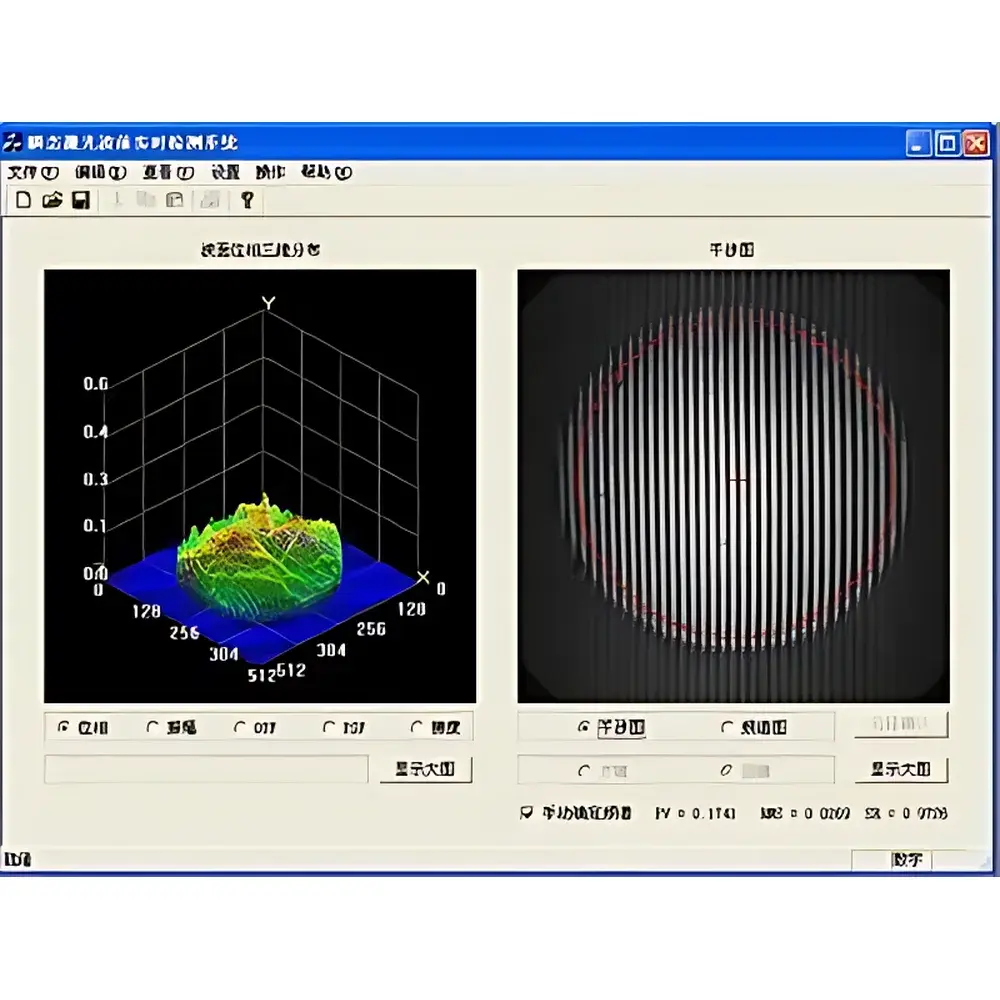
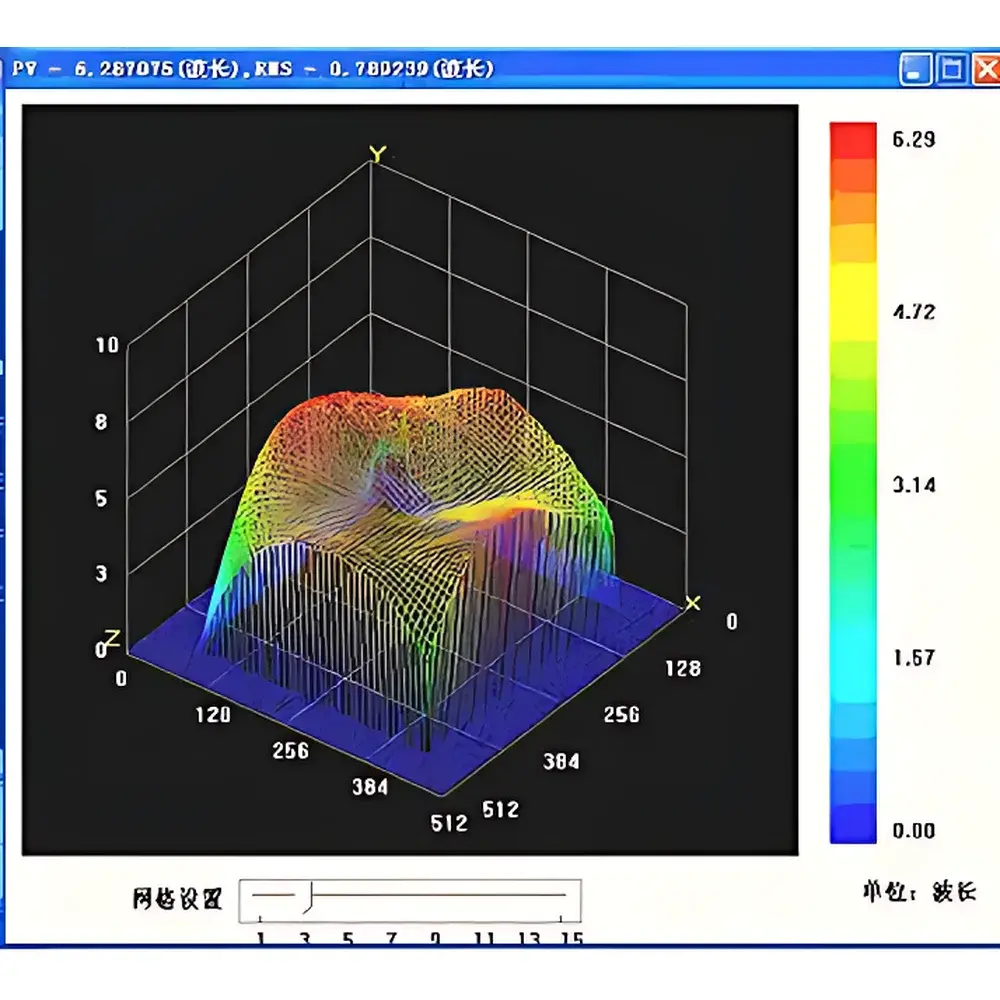
| Software Output | 3D wavefront phase map, contour plot, PV & RMS values, wavefront gradient, Strehl ratio, OTF, PSF |
| Operating System | Windows 2000 or later |
| Compliance | Compatible with ISO 10110-5, ISO 21254 (Laser Damage Threshold Testing), ASTM E284 (Standard Terminology for Optics), supports GLP/GMP audit trails via optional logging modules |
Overview
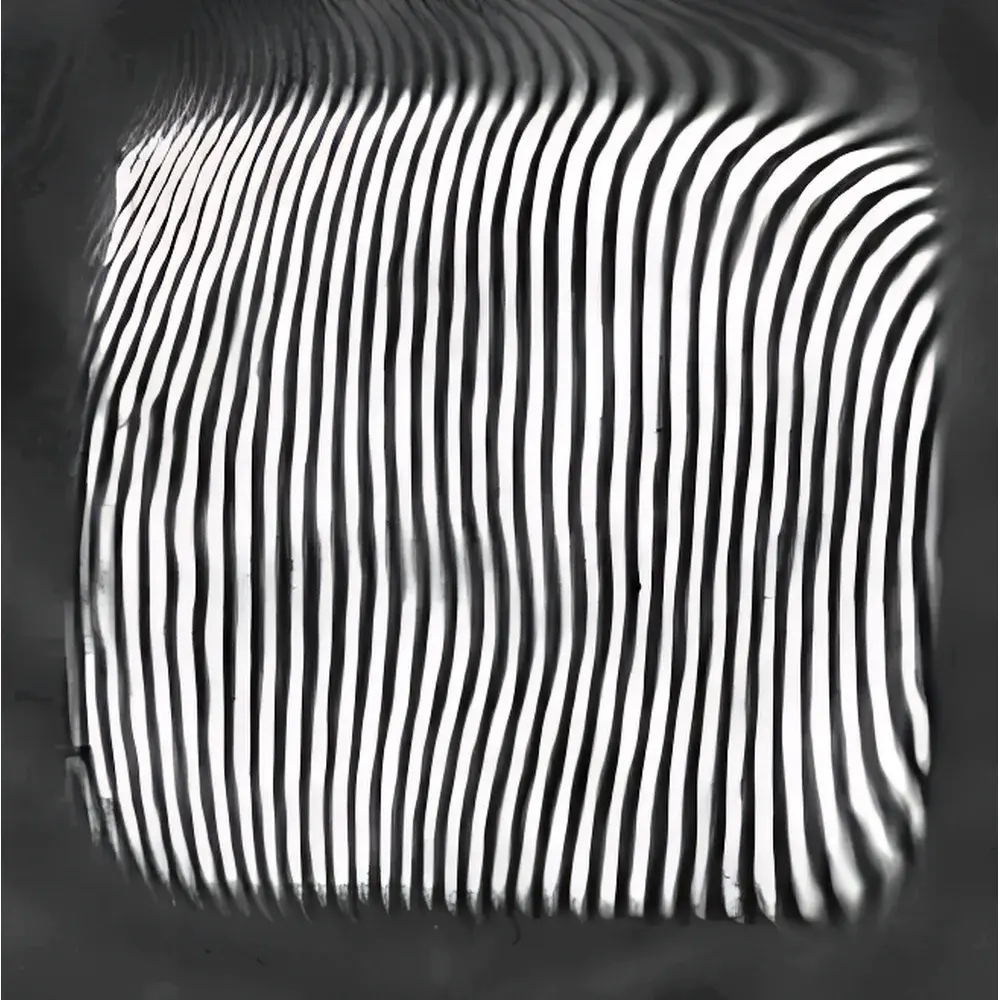
The SPL Transient (Pulsed) Laser Wavefront Distortion Interferometer is a precision optical metrology instrument engineered for quantitative, single-shot wavefront characterization of pulsed and continuous-wave laser beams across ultraviolet, visible, and mid-to-far infrared spectral bands. It employs common-path shearing interferometry—a robust, vibration-insensitive architecture in which the reference and test beams propagate collinearly through identical optical paths—thereby eliminating sensitivity to environmental perturbations such as air turbulence, thermal drift, or mechanical vibration. This design enables high-fidelity wavefront reconstruction from a single interferogram, making it uniquely suited for transient phenomena including nanosecond-scale laser pulses (down to 1 ns pulse width), dynamic fluid density fields, and time-resolved surface deformation. The system integrates a high-damage-threshold optical train with a scientific-grade CCD detector (≥1024 × 1024 pixels) and proprietary real-time phase retrieval algorithms. Its RMS wavefront measurement accuracy of better than λ/15 (verified against ZYGO reference interferometers under near-infrared 1053 nm conditions) meets the stringent requirements of high-energy laser diagnostics, aerospace optical testing, and national laboratory metrology workflows.
Key Features
- Single-shot wavefront acquisition: No phase-shifting or temporal averaging required—ideal for non-repetitive, high-speed events.
- Common-path shearing interferometry: Inherently stable against vibration and thermal drift; operable on standard industrial workbenches without active isolation.
- Broad spectral coverage: Configurable optics support operation from 200 nm (UV) to 10 µm (mid-IR); standard configuration optimized for 1053 nm Nd:glass laser diagnostics.
- Nanosecond temporal resolution: Synchronized triggering interface compatible with ultrafast laser systems and gated imaging hardware.
- High laser damage threshold optics: Fused silica and dielectric-coated components rated for multi-J/cm² fluence at 1053 nm (10 ns pulse).
- Scalable aperture: Standard 10 mm clear aperture; custom configurations available up to 300 mm for large-aperture optics verification.
- Comprehensive wavefront analysis suite: Computes PV, RMS, Zernike decomposition, Strehl ratio, optical transfer function (OTF), and point spread function (PSF) directly from raw interferograms.
Sample Compatibility & Compliance
The interferometer supports diverse sample classes: high-power pulsed lasers (Q-switched, mode-locked), CW laser cavities, precision optical surfaces (spherical, aspheric, freeform), semiconductor wafers, metal substrates, and transient gas-phase refractive index fields. It complies with foundational optical metrology standards including ISO 10110-5 (surface imperfections), ISO 21254 (laser-induced damage threshold testing), and ASTM E284 (optical terminology). While not a certified GMP device by default, its software architecture supports optional audit-trail logging, user access controls, and electronic signature modules aligned with FDA 21 CFR Part 11 requirements for regulated environments. Calibration traceability is maintained via NIST-traceable reference flats and wavelength-stabilized HeNe or diode laser sources.
Software & Data Management
The bundled WaveFrontPro™ software operates natively on Windows OS (2000 and later) and provides a fully graphical, menu-driven interface for acquisition, visualization, and export. It delivers real-time 3D phase maps, contour plots, line profiles, and statistical summaries (RMS, PV, gradient magnitude). All computed parameters—including Strehl ratio, OTF modulation depth, and PSF full-width-at-half-maximum—are stored in structured XML metadata alongside raw TIFF interferograms. Export formats include CSV (for spreadsheet integration), HDF5 (for MATLAB/Python analysis), and industry-standard STEP AP242 files for optical design interoperability with Zemax, Code V, and Synopsys. Batch processing scripts enable automated analysis of time-series datasets, supporting applications such as shockwave propagation tracking or thermal lensing evolution.
Applications
- Aerodynamic flow visualization: Quantitative, time-resolved mapping of density gradients in supersonic wind tunnels and combustion chambers using background-oriented schlieren (BOS) or direct wavefront tomography.
- High-energy laser system commissioning: Static and dynamic wavefront monitoring of amplifiers, deformable mirrors, and beam transport lines in inertial confinement fusion (ICF) facilities.
- Precision optics manufacturing: In-process verification of large-aperture mirrors, EUV lithography masks, and off-axis paraboloids with sub-nanometer surface form accuracy.
- Semiconductor metrology: Non-contact surface topography of silicon wafers, compound semiconductor substrates, and MEMS structures under ambient or vacuum conditions.
- Defense and aerospace: On-site verification of airborne laser pointing stability, adaptive optics loop calibration, and hypersonic vehicle thermal distortion modeling.
FAQ
What pulse durations can this interferometer resolve?
It supports single-shot detection of laser pulses as short as 1 ns, provided the camera exposure and system trigger synchronization are configured appropriately.
Is the system compatible with vacuum or cleanroom environments?
Yes—optical head and mounting hardware are constructed from vacuum-compatible stainless steel and anodized aluminum; optional bake-out rated versions available upon request.
Can it measure transmitted wavefront through optical materials?
Yes—standard configuration includes collimated input/output ports and supports transmission-mode measurements for lenses, windows, and IR transmissive substrates (e.g., ZnSe, Ge, CaF₂).
Does the software support automated Zernike polynomial fitting?
Yes—WaveFrontPro™ performs least-squares Zernike decomposition up to 36 terms (6th order) and exports coefficient tables with statistical uncertainty estimates.
How is calibration performed, and what traceability does it offer?
Calibration uses NIST-traceable reference flats and wavelength-stabilized lasers; certificate of calibration includes uncertainty budgets per ISO/IEC 17025 guidelines, with optional third-party accreditation.