
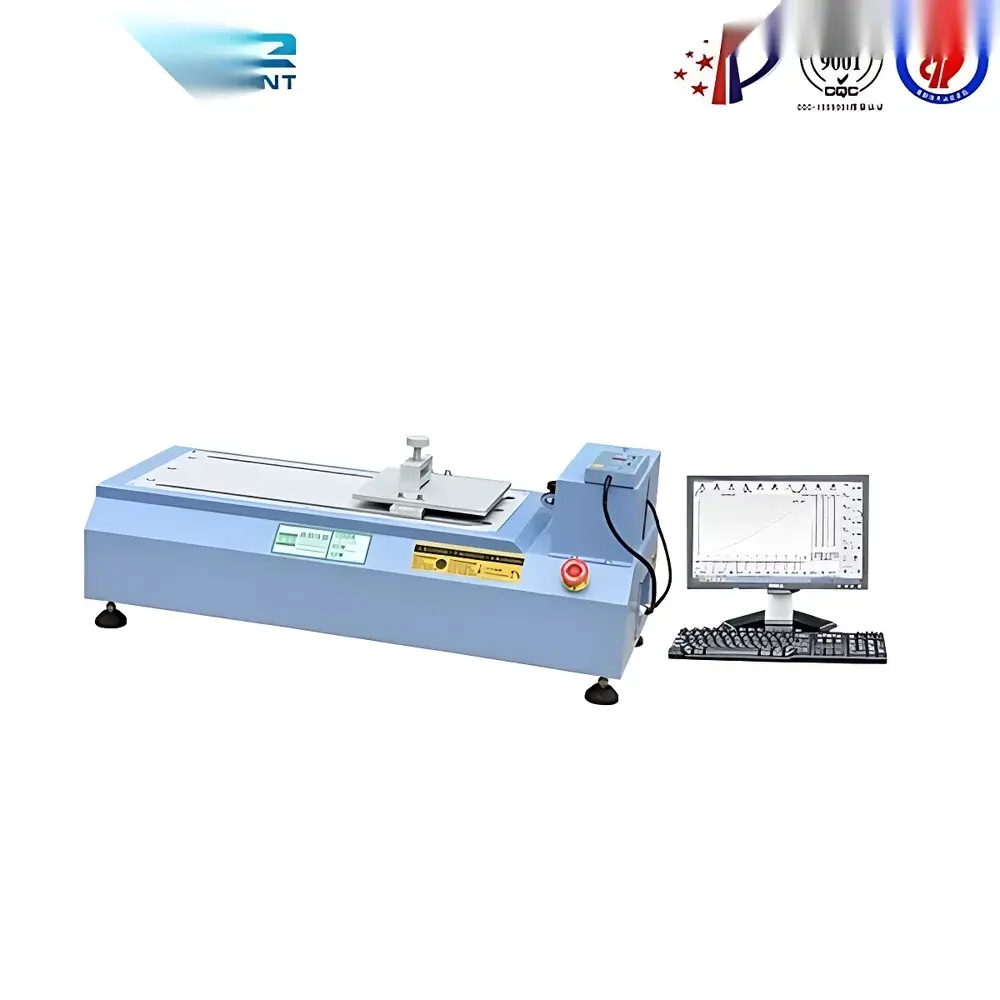
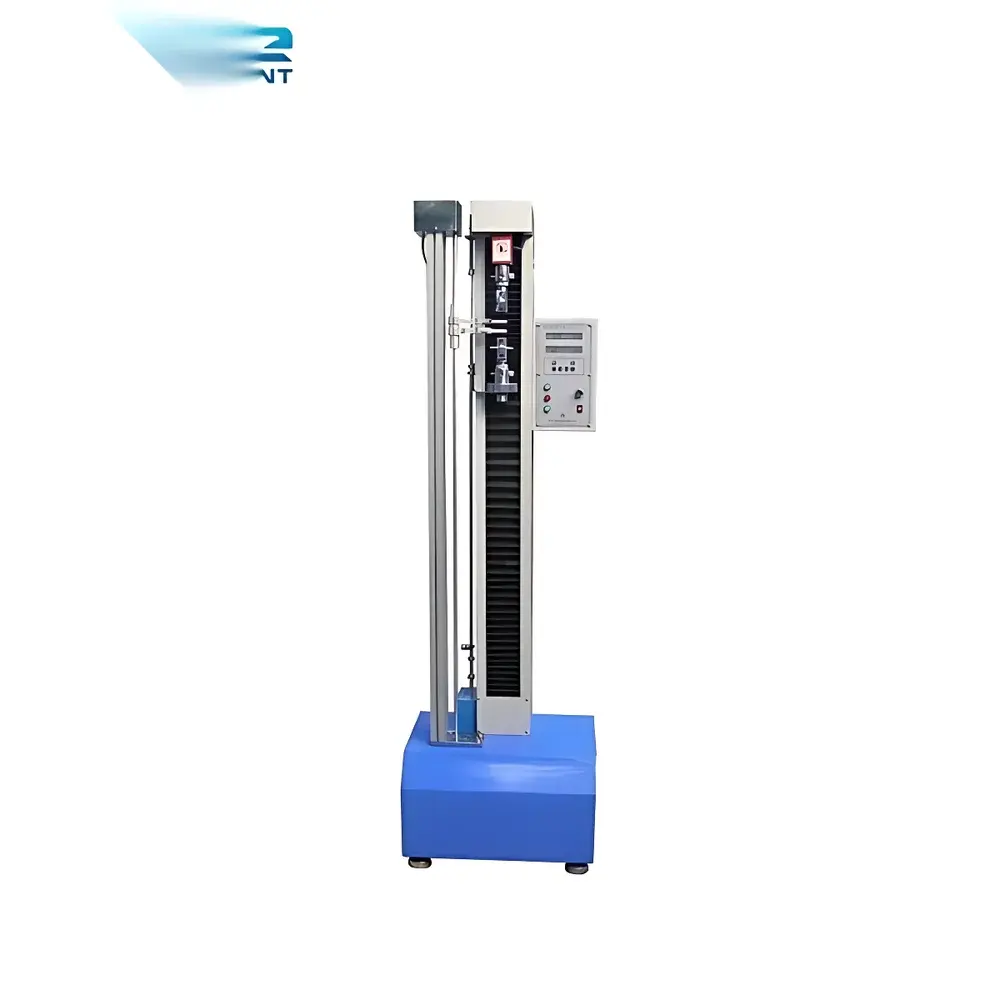
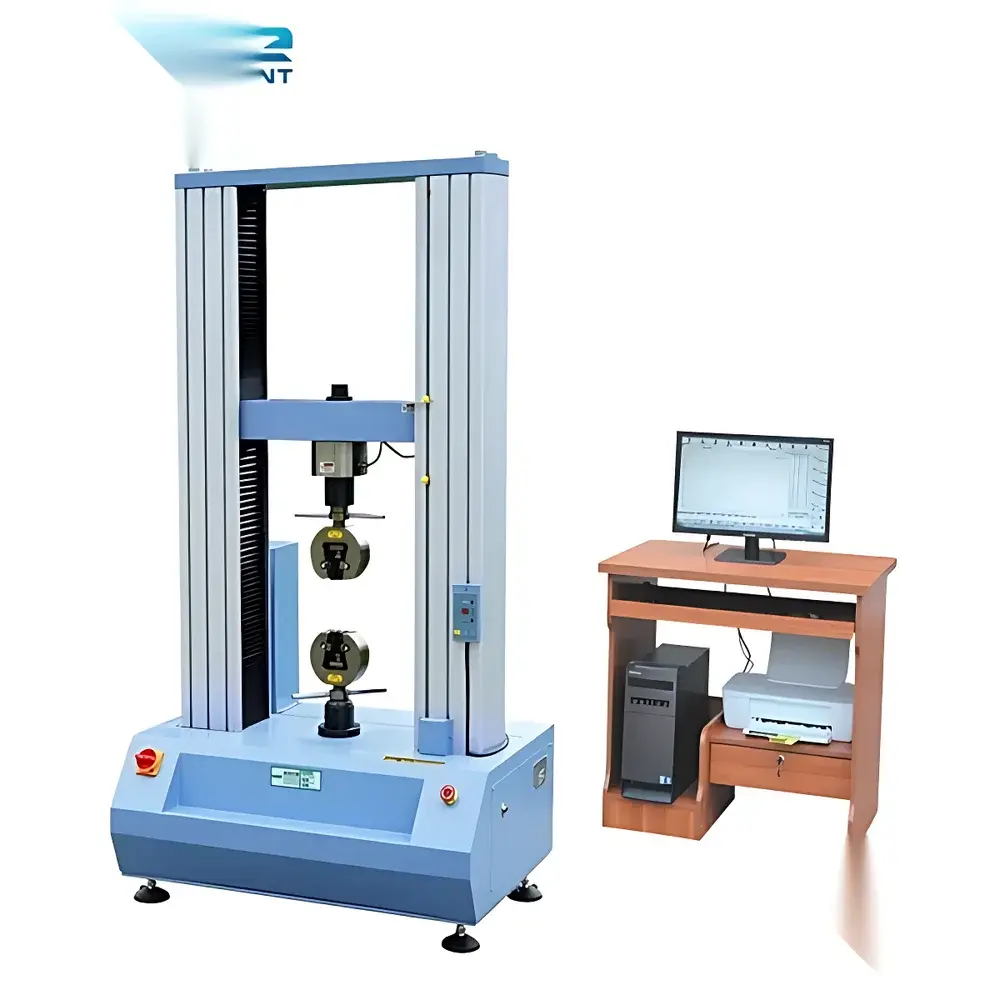
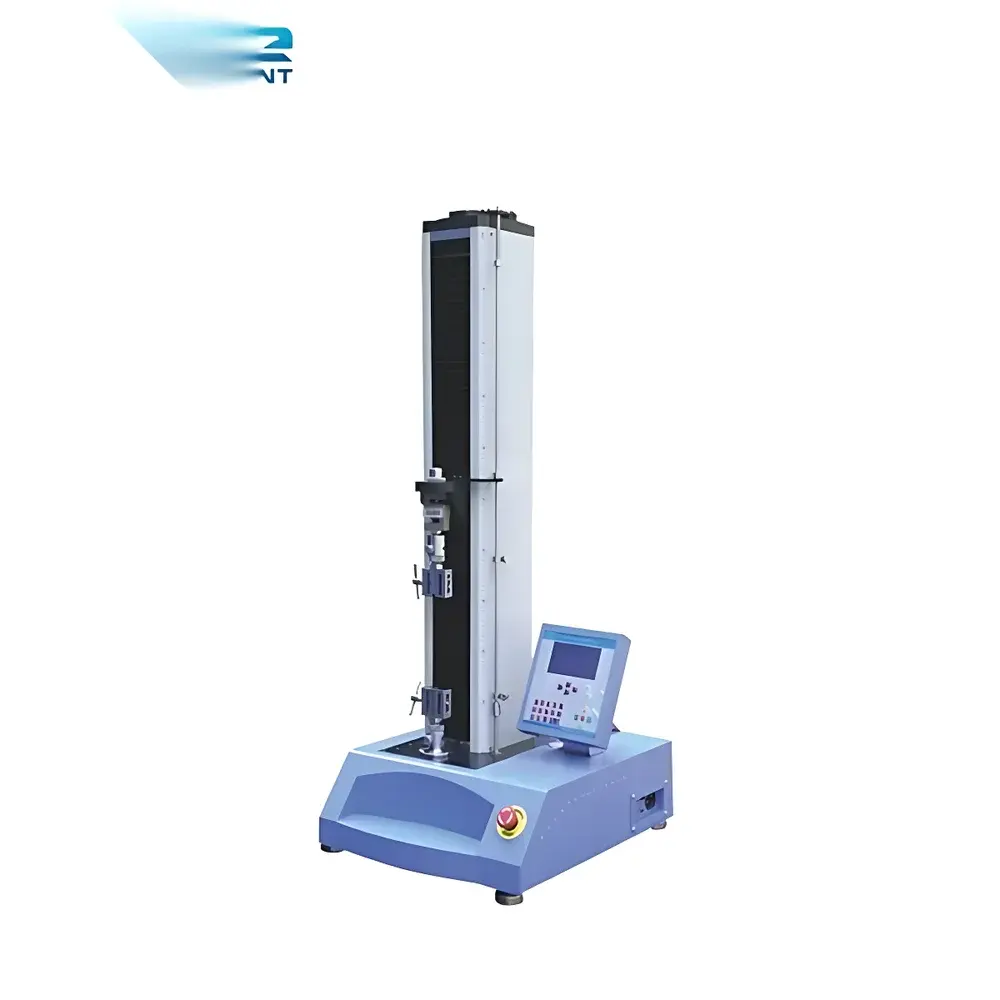
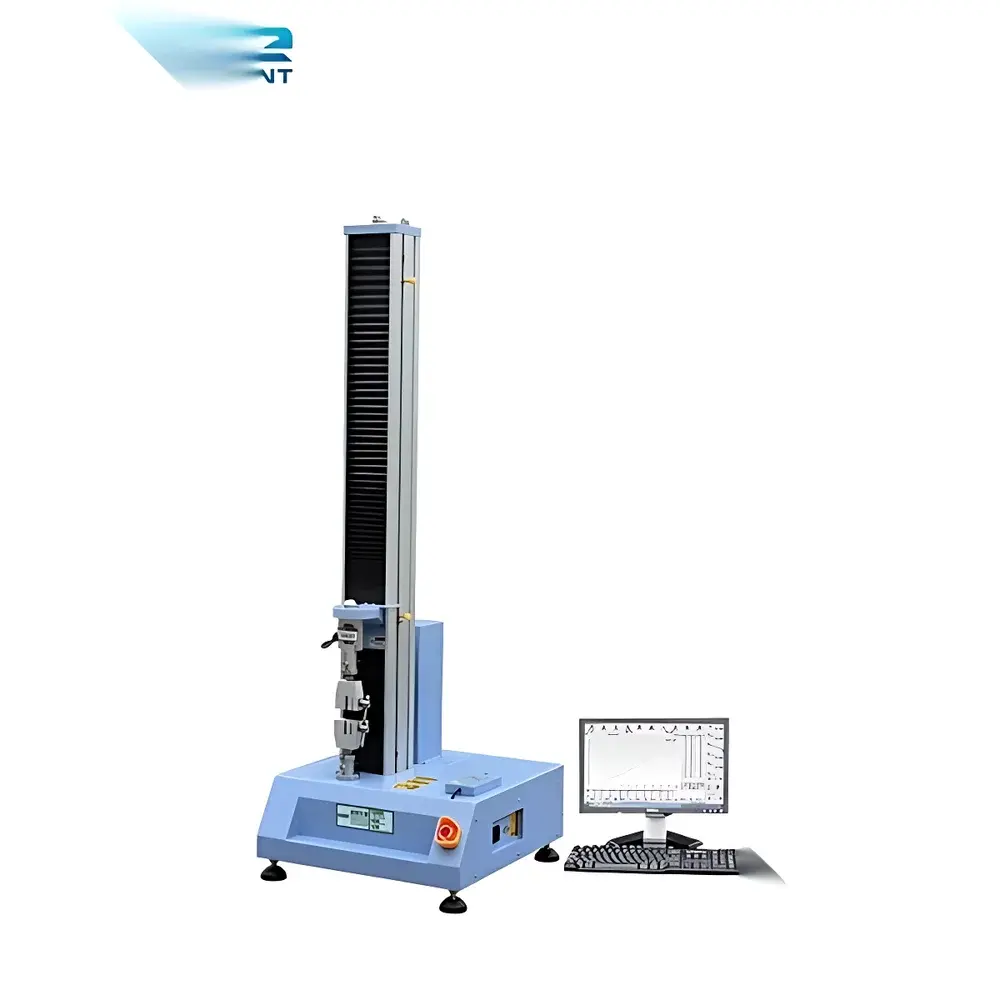
Standard Tensile Testing Machine
| Brand | Other Brands |
|---|---|
| Origin | Imported |
| Manufacturer Type | Authorized Distributor |
| Price | USD 3,200 (FOB) |
| Compliance | GB/T 16491, GB/T 1040, GB/T 8808, GB/T 13022, GB/T 2790–2792, GB/T 16825, GB/T 17200, GB/T 3923.1, GB/T 528, GB/T 2611, GB/T 6344, GB/T 20310, GB/T 3690, GB/T 4944, GB/T 3686, GB/T 529 |
| Load Cell Accuracy | ±0.03% FS |
| Resolution | 1/100,000 |
| Encoder | 2500 PPR |
| Drive System | Panasonic AC Servo Motor |
| Transmission | Precision Ball Screw + Linear Guide Rails |
| Safety Features | Stroke Limit Protection, Overload Alarm, Automatic Thermal Compensation, Explosion-Proof Load Cell |
| Software Functions | Real-time Curve Plotting, Peak Hold, Break Detection & Auto Stop, Unit Conversion, Data Export (CSV/PDF), Report Generation |
Overview
The Standard Tensile Testing Machine is a universal electromechanical testing system engineered for precision mechanical property evaluation of both metallic and non-metallic materials under uniaxial loading conditions. Based on the fundamental principles of Hooke’s Law and stress–strain continuum mechanics, it delivers controlled displacement or load-controlled testing modes compliant with ISO 6892-1, ASTM E8/E21, and ISO 527-1/2. Designed for routine quality control laboratories, R&D centers, and contract testing facilities, this machine performs tensile, compression, bending, peel (90° and 180°), shear, tear, and elongation-to-break measurements across a broad spectrum of specimens—from thin polymer films and textile fibers to high-strength alloy rods and composite laminates. Its modular architecture supports standardized test protocols while maintaining flexibility for method customization in accordance with internal SOPs or regulatory audit requirements.
Key Features
- High-fidelity force measurement via explosion-proof, temperature-compensated load cell with ±0.03% full-scale accuracy and 150% transient overload capacity
- Panasonic AC servo motor drive coupled with 2500 pulses per revolution (PPR) optical encoder for precise position feedback and velocity control
- Low-noise transmission system comprising preloaded precision ball screws and hardened linear guide rails, ensuring smooth motion and long-term repeatability
- Integrated mechanical stroke limit switches and real-time software-based overload protection to safeguard sensors and structural integrity
- Real-time data acquisition at up to 100 Hz sampling rate, enabling accurate capture of yield points, necking onset, and fracture events
- Break detection algorithm triggers immediate motor stop upon specimen failure—minimizing post-fracture inertia effects and improving measurement fidelity
Sample Compatibility & Compliance
This tensile tester accommodates specimens ranging from micro-scale fibers (diameter ≥ 0.1 mm) to macro-scale components (length ≤ 1000 mm, width ≤ 150 mm). It supports standardized grips—including wedge-action, pneumatic, and custom hydraulic fixtures—for rubber, plastic, metal wire, textile webbing, safety harnesses, adhesive tapes, paperboard, and elastomeric composites. All test methods align with national and international standards including GB/T 16491 (Chinese universal testing machine specification), GB/T 1040 (plastics tensile properties), GB/T 3923.1 (textile tensile strength), and ISO 179-1 (impact resistance of plastics). The system is designed to meet GLP documentation requirements and supports traceable calibration records per ISO/IEC 17025.
Software & Data Management
The embedded PC-based control and analysis software provides ISO/IEC 17025-compliant data handling: automatic generation of stress–strain curves, modulus calculation (secant, tangent, chord), yield strength determination (0.2% offset), ultimate tensile strength (UTS), elongation at break, and Poisson’s ratio estimation. Raw data is stored in encrypted binary format with full audit trail—including operator ID, timestamp, environmental metadata (optional), and instrument configuration history. Export options include CSV (for third-party statistical analysis), PDF test reports with digital signature support, and XML for LIMS integration. Software complies with FDA 21 CFR Part 11 requirements for electronic records and signatures when configured with user access controls and change logs.
Applications
- Quality assurance of extruded polymer profiles, blown films, and injection-molded parts in packaging and automotive supply chains
- Mechanical validation of biomedical polymers (e.g., sutures, catheter tubing) per ISO 10993-12
- Characterization of fiber-reinforced composites for aerospace component certification
- Adhesion strength assessment of pressure-sensitive tapes and laminated packaging structures
- Tensile fatigue pre-screening of elastomeric seals and gaskets under ambient and elevated temperature conditions
- Calibration verification of production-line tensile testers using reference specimens traceable to NIM (National Institute of Metrology)
FAQ
Does this machine support ASTM D638 and ISO 527-2 testing protocols?
Yes—the control software includes pre-configured test templates for both standards, including specimen geometry definitions, crosshead speed profiles, and pass/fail criteria based on nominal gauge length and strain rate requirements.
Can the system be calibrated to national metrological standards?
Yes—each unit ships with a factory calibration certificate traceable to China’s National Institute of Metrology (NIM). On-site recalibration services are available through authorized service partners accredited to ISO/IEC 17025.
Is remote diagnostics and firmware update supported?
Yes—the embedded controller features Ethernet connectivity and supports secure remote maintenance via TLS-encrypted VNC session, subject to customer network policy approval.
What is the maximum test speed and force range?
Standard configuration supports crosshead speeds from 0.001 mm/min to 500 mm/min and force capacities up to 50 kN; higher ranges and ultra-low-speed (<0.0001 mm/min) configurations are available as OEM options.
How is data integrity ensured during power interruption?
The system employs non-volatile memory buffering and automatic resume-on-reboot functionality—preserving all unsaved curve segments and metadata without loss.



