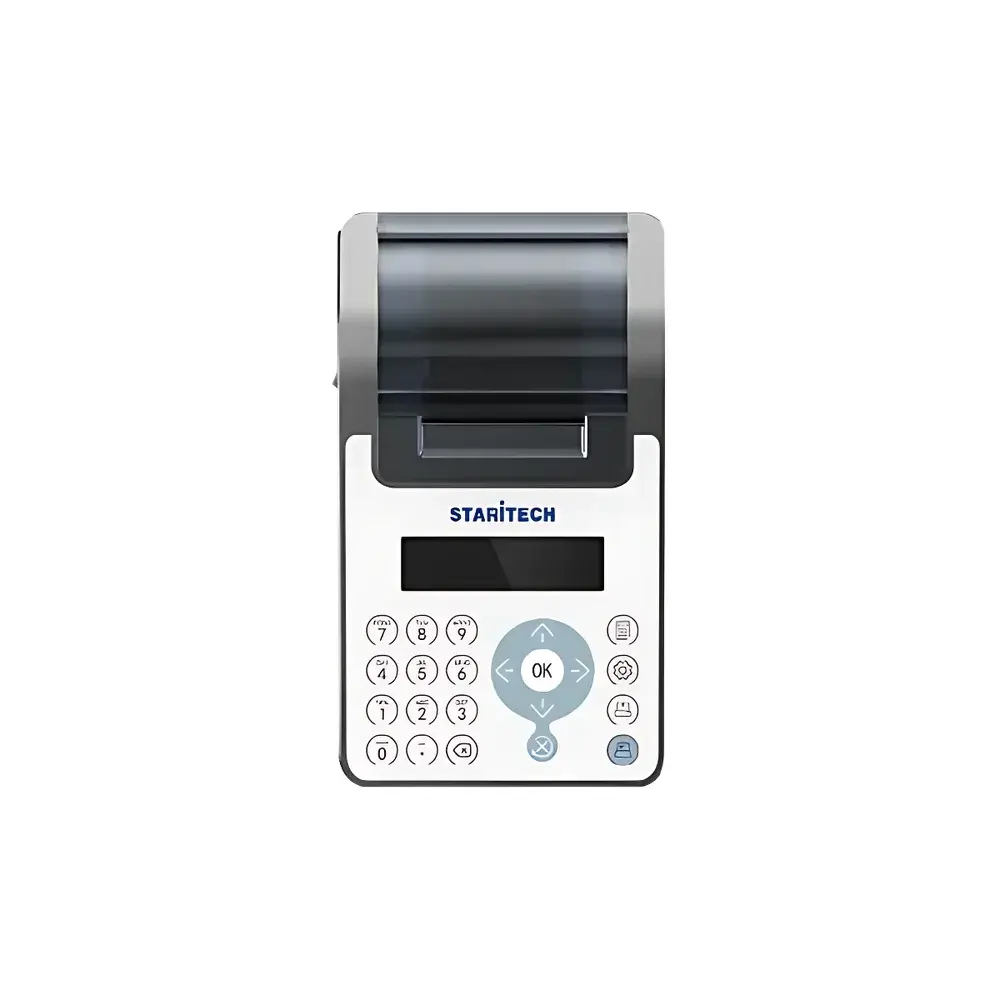
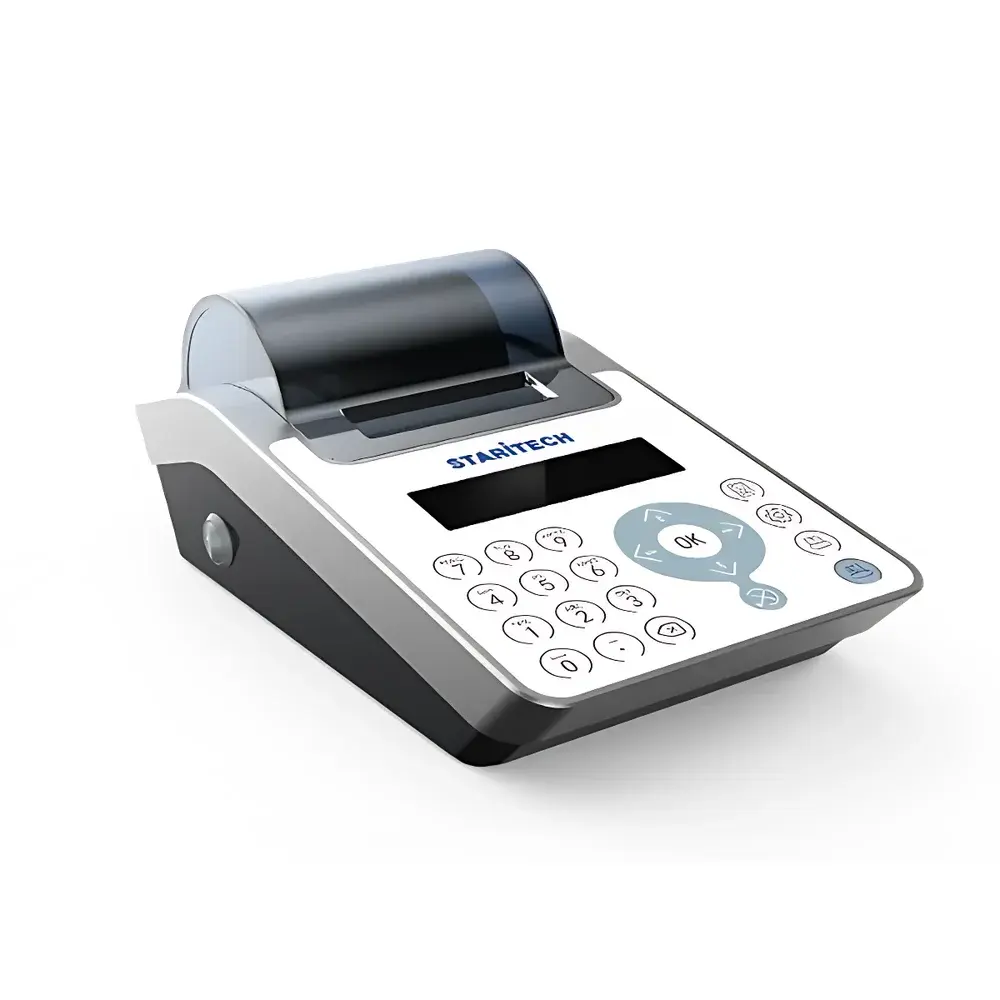
STARiTECH TX-183 Thermal Label Printer for Balance Data Output
| Brand | STARiTECH |
|---|---|
| Origin | Beijing, China |
| Model | TX-183 |
| Interface | USB/RS-232 (balance-compatible) |
| Label Width | Adjustable from 20 mm to 58 mm |
| Printing Method | Direct thermal |
| Supported Codes | Code 128, EAN-13, QR Code, Data Matrix |
| Character Set | Unicode UTF-8 (including GB2312-compliant Chinese characters and Pinyin input) |
| Connectivity | Plug-and-play with analytical balances and lab instruments |
| Compliance | Meets ISO/IEC 15415 & ISO/IEC 15416 print quality standards for 2D/1D symbologies |
Overview
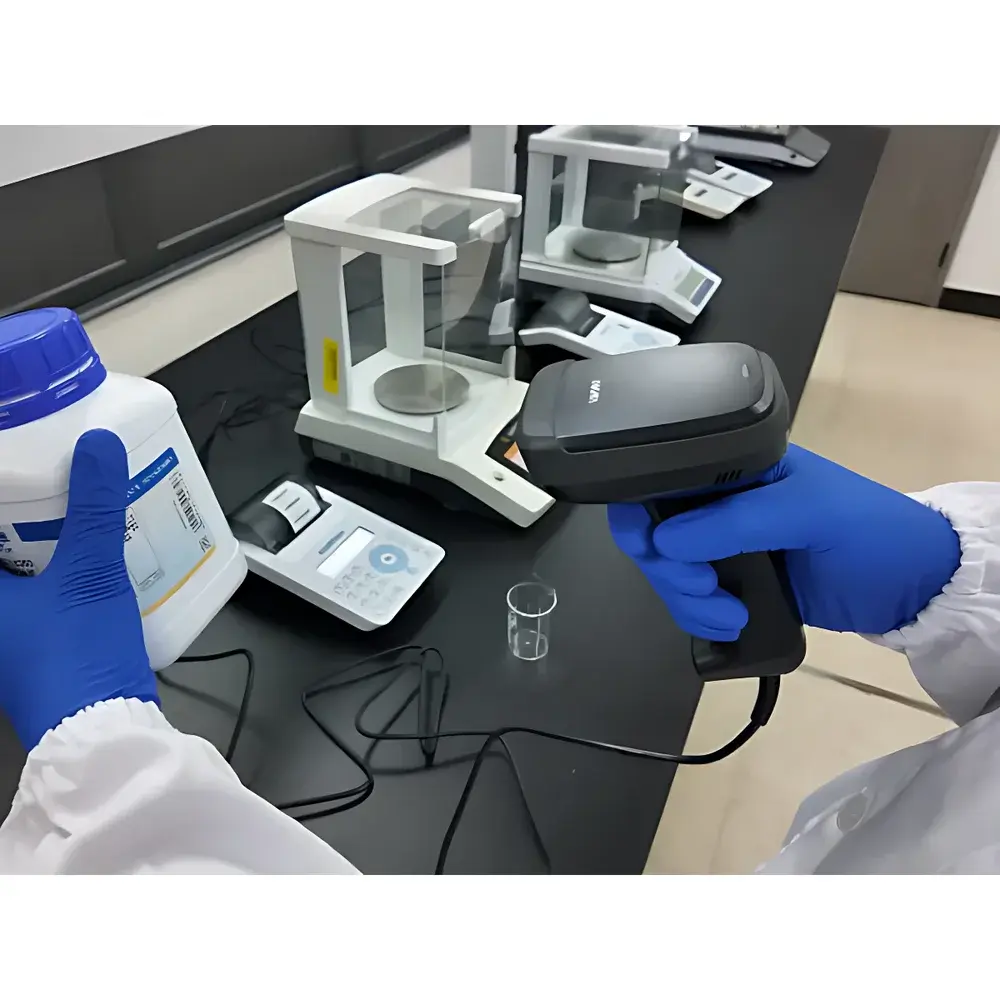
The STARiTECH TX-183 Thermal Label Printer is a dedicated balance data output device engineered for regulated laboratory environments—particularly pharmaceutical QC/QA labs, GMP-compliant manufacturing sites, and GLP-certified research facilities. Unlike general-purpose thermal printers, the TX-183 integrates natively with analytical balances and laboratory scales via standard RS-232 or USB virtual COM port protocols, enabling real-time, deterministic label generation triggered directly by weight acquisition events. Its core function is to convert instrument-derived metadata—including net weight, tare value, operator ID, timestamp, sample ID, and batch number—into machine-readable, audit-ready labels using industry-standard 1D and 2D symbologies. This eliminates manual transcription, mitigates data entry errors, and establishes an unbroken chain of custody from weighing to sample storage or testing. The printer operates on direct thermal technology, requiring no ribbons or ink, ensuring consistent print contrast and long-term legibility on chemically resistant thermal label stock commonly used in cold-chain and solvent-exposed lab settings.
Key Features
- Native balance integration: Auto-detects and synchronizes with over 80 models of analytical balances and precision scales from leading manufacturers (e.g., METTLER TOLEDO, SARTORIUS, SHIMADZU, OHAUS), supporting ASCII-based communication protocols compliant with ASTM E2656 and USP <1058> instrument qualification guidelines.
- Adjustable media path: Accommodates continuous thermal label rolls from 20 mm to 58 mm in width, with automatic sensor-based gap/ notch detection for precise label positioning—critical for small vial labels (e.g., 25 × 15 mm) and larger container tags (e.g., 50 × 30 mm).
- Unicode-compliant labeling engine: Supports full GB2312 character set and Pinyin input mode, enabling accurate rendering of Chinese sample names, operator IDs, and facility-specific nomenclature without font substitution artifacts.
- Built-in weighing utilities: Embedded firmware includes statistical weight logging, gross/tare/net calculation sequences, and configurable auto-print triggers based on stability thresholds—aligning with USP <41> and Ph. Eur. 2.2.49 weighing validation requirements.
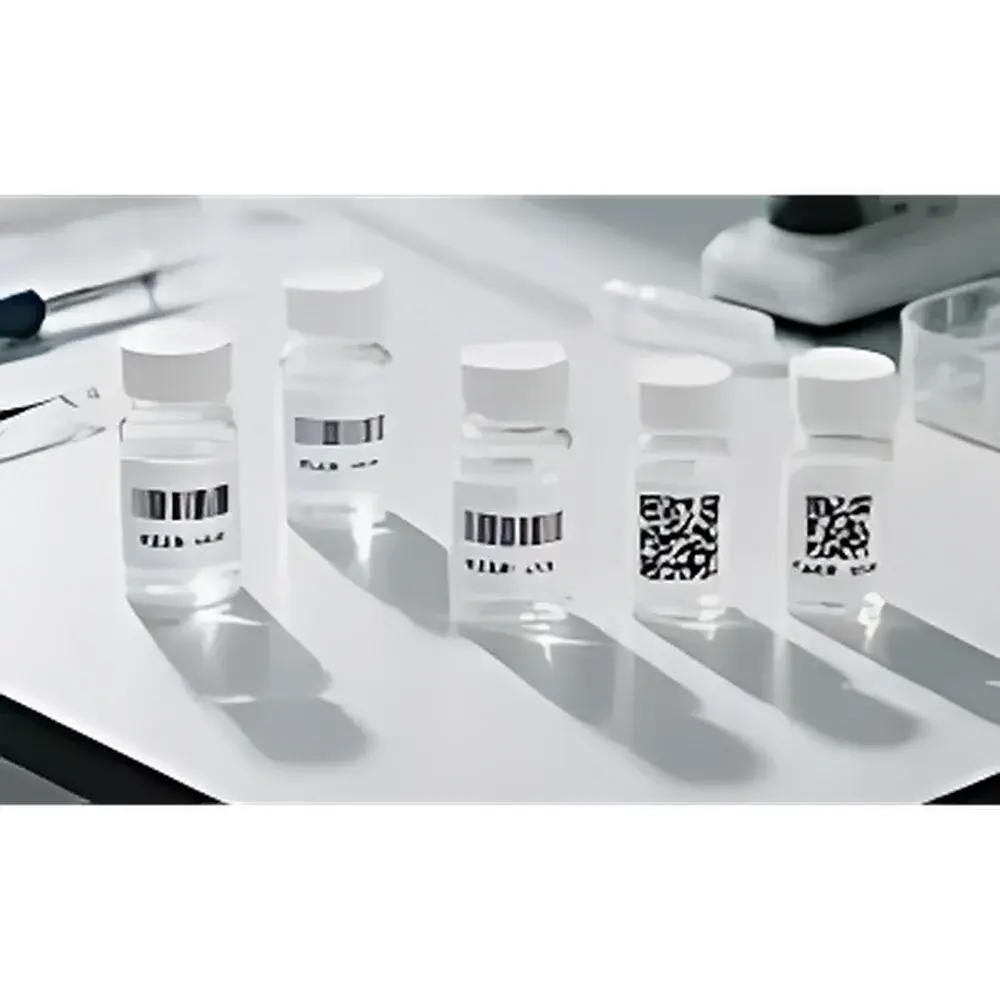
- Barcode & 2D symbology support: Generates high-integrity Code 128, EAN-13, QR Code, and Data Matrix symbols validated against ISO/IEC 15415 (2D) and ISO/IEC 15416 (1D) grading criteria, ensuring scanner interoperability across LIMS, ELN, and MES platforms.
Sample Compatibility & Compliance
The TX-183 is validated for use with Class I and II analytical balances (0.1 mg to 1 g readability) and top-loading precision scales (1–100 g readability). It accepts standard thermal label materials—including polyester-backed, chemical-resistant, autoclavable, and cryo-grade substrates—with adhesive formulations suitable for glass, HDPE, and stainless-steel surfaces. From a regulatory standpoint, the device supports ALCOA+ principles (Attributable, Legible, Contemporaneous, Original, Accurate, Complete, Consistent, Enduring, Available) when deployed within documented workflows. Its deterministic print-on-weight-event behavior satisfies FDA 21 CFR Part 11 electronic record requirements when paired with balance systems offering audit trail and user authentication capabilities.
Software & Data Management
No proprietary driver installation is required: the TX-183 functions as a CDC-class USB serial device or standard RS-232 peripheral, compatible with Windows, Linux, and macOS host systems. Label templates are configured via lightweight configuration utility (Windows only) or plain-text template files (.txt) using simple field-mapping syntax (e.g., “{WEIGHT_N} g”, “{TIMESTAMP_YYYYMMDD_HHMMSS}”). All printed labels contain embedded timestamps synchronized to the host PC or balance clock—enabling traceability during FDA or EMA inspection audits. Optional integration with LabVantage LIMS, Thermo Fisher SampleManager, or Waters Empower is achievable via custom script hooks or OPC UA-enabled middleware.
Applications
- Pharmaceutical sample labeling: Printing GMP-compliant vial labels containing sample ID, batch number, weigher initials, date/time, and net weight—directly linked to balance-generated raw data files.
- Raw material intake: Generating intake labels with supplier lot, receipt date, and quarantine status upon initial weighing at receiving docks.
- Stability study tracking: Producing time-point labels for accelerated/long-term stability chambers, embedding study ID, condition code (e.g., 40°C/75% RH), and retrieval date.
- Reference standard management: Creating tamper-evident labels for certified reference materials (CRMs), including certificate number, expiry, and re-weighing history.
- Environmental monitoring: Labeling air particulate filters or water sampling bottles with location ID, collection duration, and analyst ID—fully traceable to QA-approved SOPs.
FAQ
Does the TX-183 require consumables such as ribbons or ink cartridges?
No—it uses direct thermal printing technology, eliminating the need for ribbons, ink, or toner. Labels must be thermal-sensitive stock for optimal durability.
Can it print labels with both Chinese and English text simultaneously?
Yes—the firmware supports Unicode UTF-8 encoding and includes built-in GB2312 mapping, allowing mixed-language labels with proper font rendering and line wrapping.
Is the printer compatible with balances that lack RS-232 but offer USB interface only?
Yes—USB connectivity is implemented as a virtual COM port (CDC ACM class), ensuring compatibility with balances that expose serial emulation over USB.
How is calibration and performance verification performed?
While the printer itself does not require calibration, its output integrity is verified using ISO/IEC TR 29158 (AIM DPM) test charts and barcode verifiers (e.g., Honeywell Voyager XP or Microscan Spectrum) per internal SOPs aligned with ISO/IEC 15415.
Does it support network (Ethernet/Wi-Fi) connectivity?
No—TX-183 is a point-to-point peripheral designed for direct instrument linkage. Networked deployment requires an external serial-to-Ethernet converter or middleware gateway.