
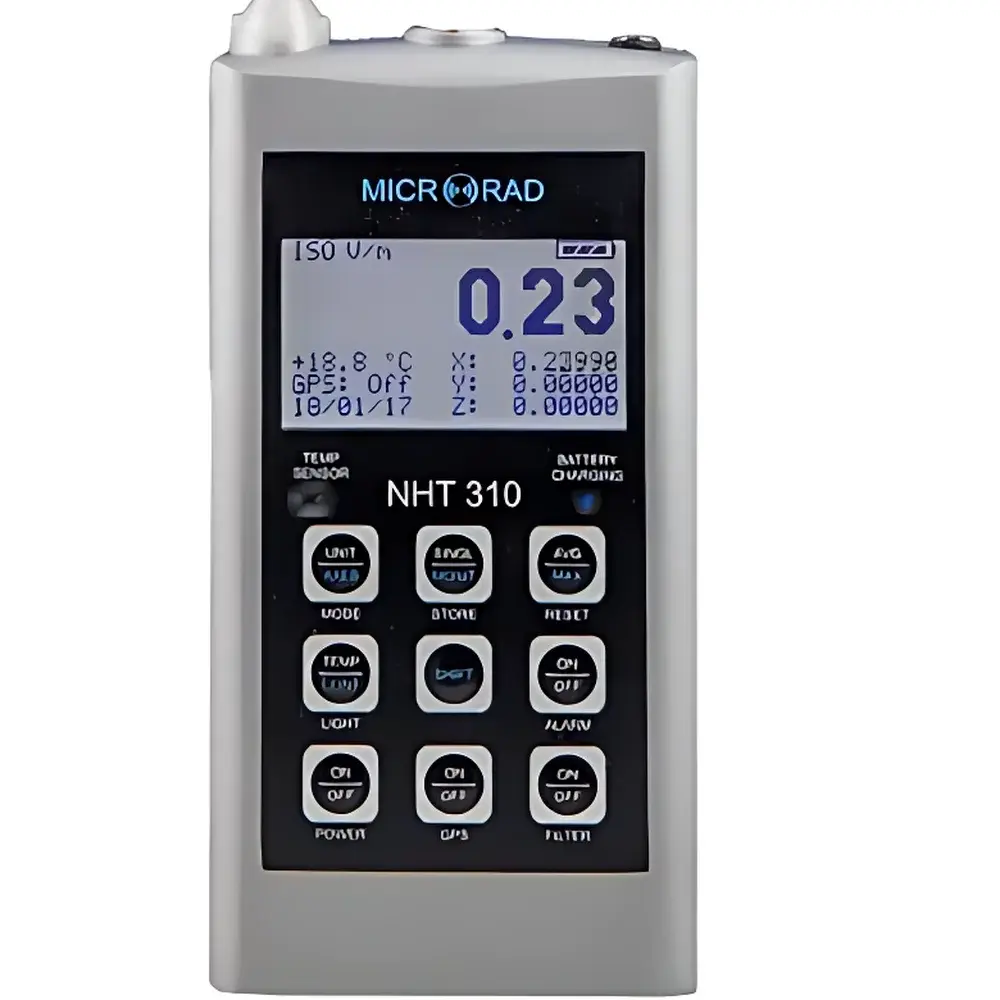
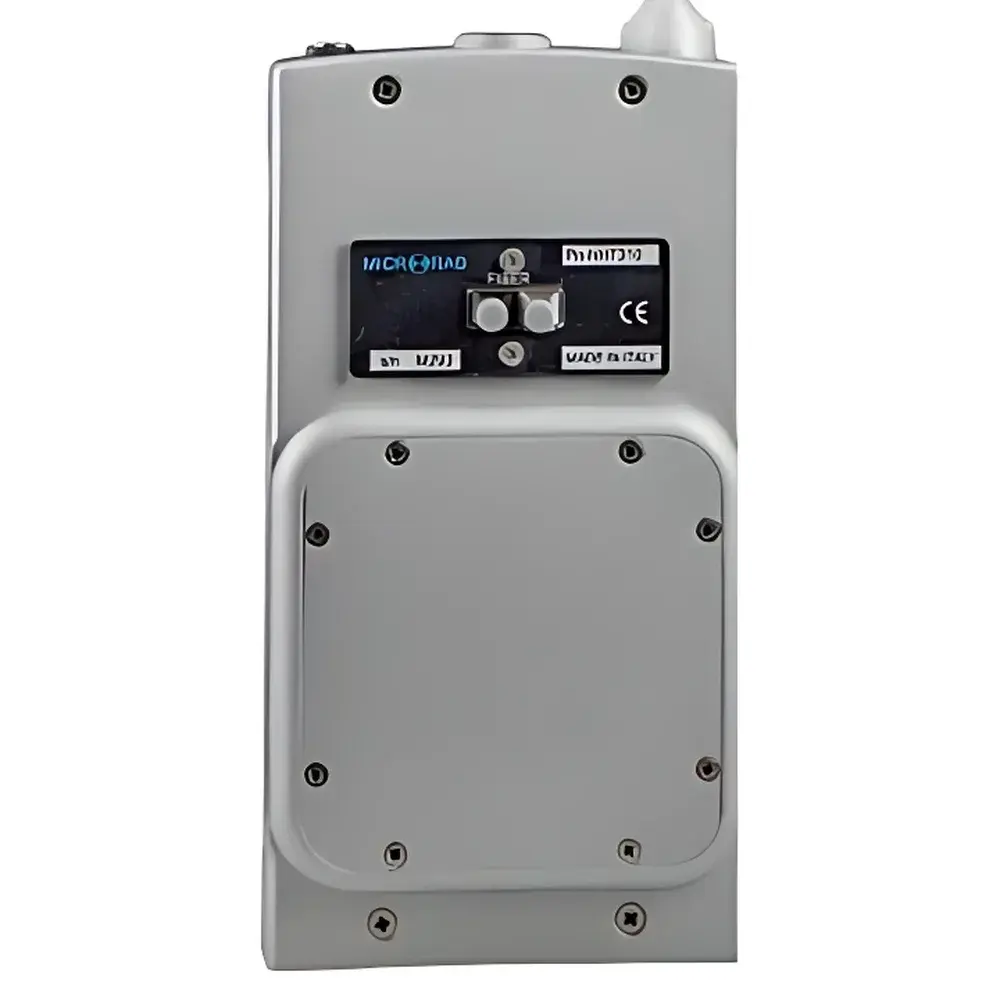
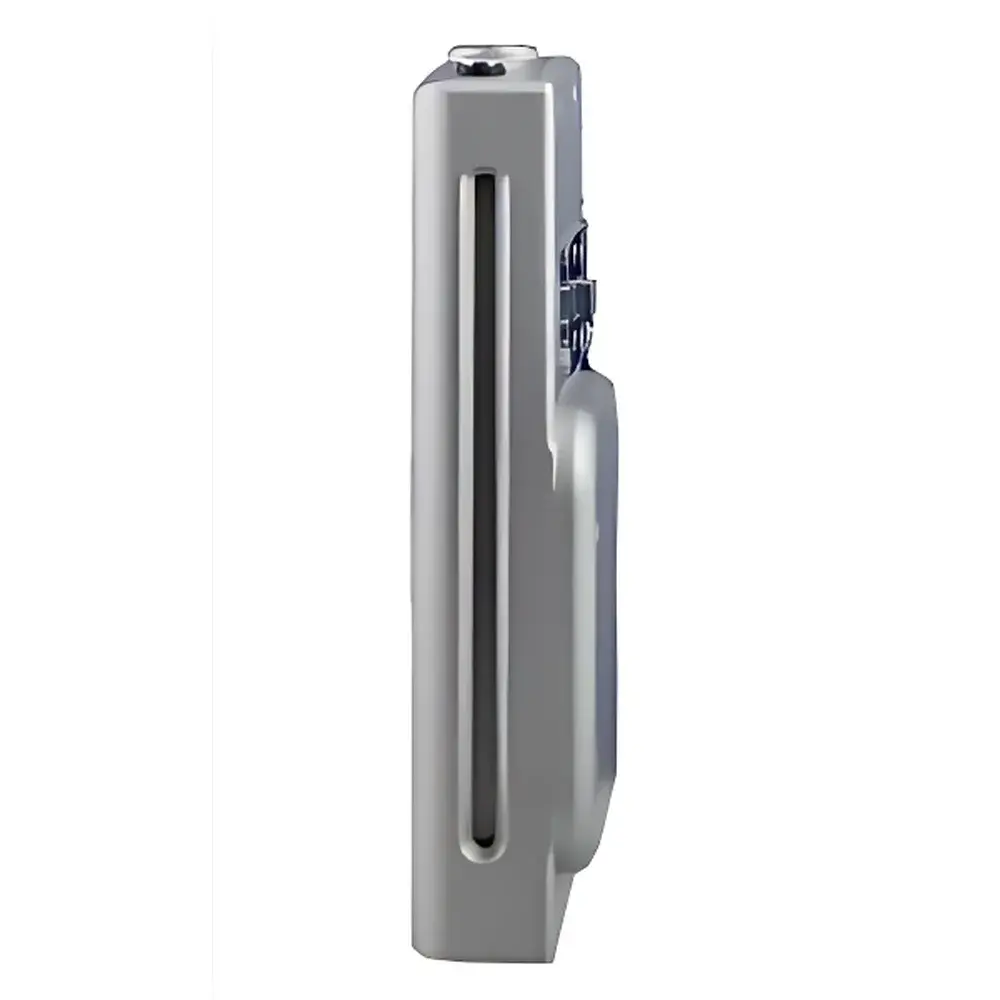
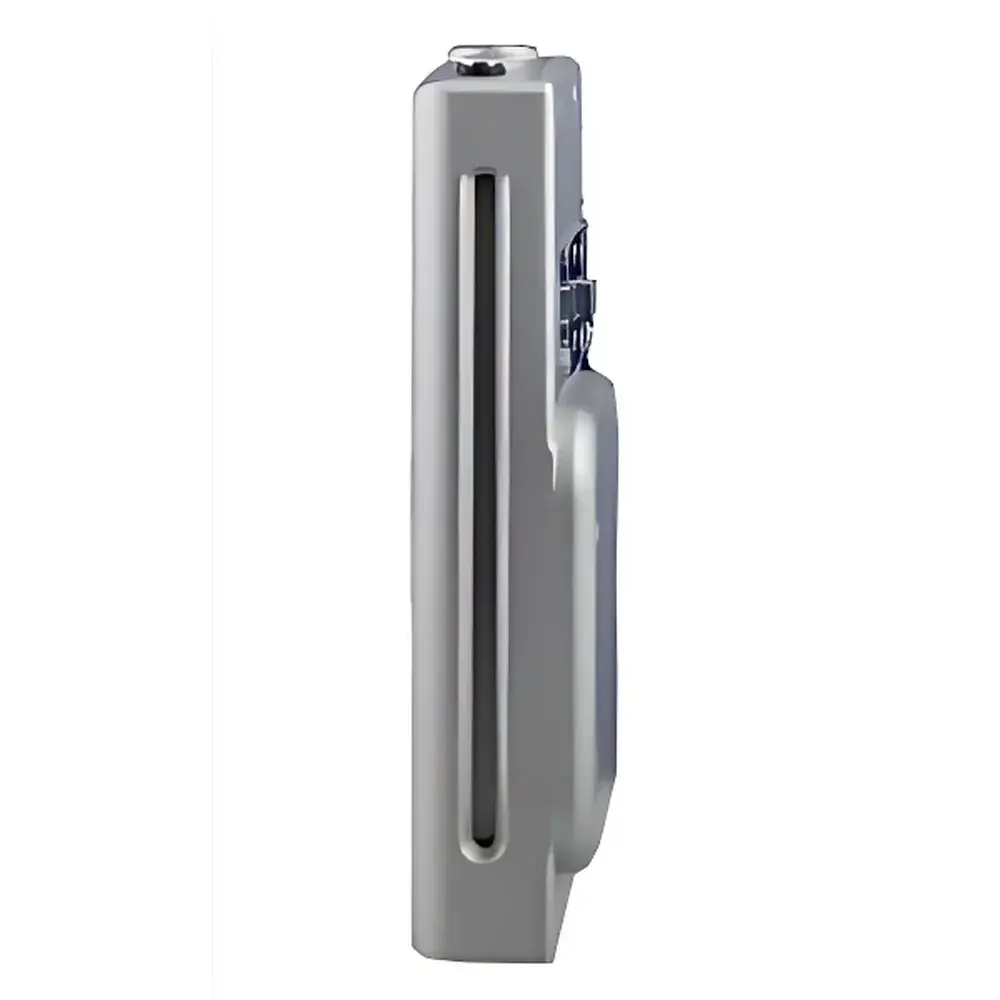
Starwood NHT-310 Portable Broadband Electromagnetic Field Analyzer
| Brand | Starwood |
|---|---|
| Origin | Beijing, China |
| Manufacturer Type | Manufacturer |
| Product Category | Domestic |
| Model | NHT-310 |
| Pricing | Upon Request |
| Frequency Range | DC – 40 GHz |
| Display | Monochrome backlit LCD (128 × 64 pixels, 7 cm diagonal) |
| Refresh Rate | 200 ms |
| Measurement Units | mW/cm², W/m², V/m, A/m, Tesla |
| Result Modes | Actual, MAX, AVG, Median, X/Y/Z instantaneous |
| Data Storage | 21,504 samples (21,000 typical) |
| Logging Duration | >24 h at 5 s interval |
| Battery Life | ~72 h (backlight off) |
| Operating Temperature | −10 °C to +50 °C |
| Storage Temperature | −20 °C to +70 °C |
| Humidity | 5–95% RH (non-condensing) |
| Dimensions (host) | 160 × 98 × 30 mm |
| Weight (host) | 500 g |
| Housing | Magnesium-aluminum alloy |
| Integrated Sensors | Temperature, GPS (optional) |
| Analog Outputs | X/Y/Z SMA female connectors |
| Digital Interface | Full-duplex serial fiber optic port |
| Probe Interface | Plug-and-play LEMO™ with automatic recognition |
| Software | MicroLink (Windows XP/7/Vista/8) |
| Calibration Interval | 24 months |
| Probe Options | PROBE 01E (100 kHz – 6.5 GHz), PROBE 11E (5 Hz – 400 kHz), PROBE 10B (5 Hz – 400 kHz) |
Overview
The Starwood NHT-310 Portable Broadband Electromagnetic Field Analyzer is a metrologically traceable, field-deployable instrument engineered for quantitative assessment of electromagnetic field (EMF) exposure across an exceptionally wide frequency spectrum—from direct current (DC) up to 40 GHz. It operates on the principle of broadband isotropic field sensing, utilizing interchangeable, factory-calibrated probes that convert incident electric (E) and magnetic (H) field components into proportional voltage signals. These signals are digitized with high linearity and low thermal drift, enabling compliance verification against international human exposure limits defined in ICNIRP, IEEE C95.1, EU Directive 2013/35/EU (replacing 2004/40/EC), and EN 50499. Designed for occupational safety officers, environmental health professionals, and EMC consultants, the NHT-310 delivers real-time, multi-axis field vector resolution without requiring complex setup or external signal processing hardware.
Key Features
- Ultra-broadband measurement capability spanning DC to 40 GHz—covering static fields, power frequencies (50/60 Hz), intermediate frequencies (IF), radiofrequency (RF), microwave, and millimeter-wave bands.
- Modular probe architecture with automatic LEMO™ connector recognition; supports E-field probes (e.g., PROBE 11E for low-frequency induction, PROBE 01E for RF/microwave) and H-field probes (e.g., PROBE 10B) calibrated to ±0.5 dB uncertainty in specified bands.
- Rugged magnesium-aluminum chassis with IP54-rated ingress protection, integrated temperature sensor, and optional embedded GPS module for geotagged measurement logging.
- Extended operational endurance: up to 72 hours on four rechargeable NiMH AA cells (2800 mAh); full charge achieved in approximately 4 hours.
- High-capacity internal memory storing up to 21,504 timestamped samples; configurable logging intervals from 100 ms to 30 min; dual-mode storage supporting both continuous waveform capture and statistical parameter logging (Actual, MAX, AVG, Median).
- Dual digital interfaces: full-duplex fiber-optic serial port for noise-immune long-distance data streaming and USB interface via included optical-to-USB converter.
Sample Compatibility & Compliance
The NHT-310 is validated for use with a range of certified isotropic probes optimized for distinct exposure scenarios. PROBE 11E (5 Hz – 400 kHz) enables precise evaluation near induction heaters, welding equipment, and MRI gradient coils, while PROBE 01E (100 kHz – 6.5 GHz) addresses wireless infrastructure including LTE, Wi-Fi 6/6E, 5G NR FR1, and broadcast transmitters. All probes conform to IEC 62232 and EN 50413 requirements for probe isotropy (< ±0.5 dB deviation over spherical incidence), linearity (±0.5 dB above 200 V/m), and dynamic range (>60 dB). The system supports audit-ready reporting compliant with ISO/IEC 17025-accredited calibration practices, with traceability documented through NIST-traceable certificates supplied with each probe and host unit. Measurement protocols align with EN 50499 for occupational exposure assessment and EN 62311 for electronic equipment evaluation.
Software & Data Management
MicroLink software—provided free of charge—serves as the central platform for instrument configuration, real-time visualization, post-processing, and regulatory report generation. Compatible with Windows XP through Windows 10 (32/64-bit), it supports live spectral display, time-series plotting, vector summation (Erss, Hrss), and percentage-of-limit calculation per ICNIRP/IEEE reference levels. Data export options include CSV, XML, and PDF formats with embedded metadata (GPS coordinates, temperature, probe ID, calibration expiry). Audit trail functionality logs all user actions, parameter changes, and firmware updates—supporting GLP/GMP-aligned documentation requirements. Firmware updates are delivered via signed binary packages, ensuring integrity and version control.
Applications
- Ongoing monitoring of EMF exposure around industrial induction furnaces, resistance welders, and RF dielectric heaters operating at 10 kHz – 10 MHz.
- Compliance testing of MRI suites—including static field (B₀), gradient switching (dB/dt), and RF transmit systems—per IEC 62701 and national MRI safety guidelines.
- Site surveys near high-voltage transmission lines (50/60 Hz), substations, and rail traction systems (16.7 Hz / 25 Hz).
- RF safety audits of mobile base stations (2G–5G), DAB/DVB-T broadcast towers, satellite uplinks, and private wireless networks (WiMAX, LoRaWAN, private LTE).
- Pre-commissioning and periodic verification of EMF shielding effectiveness in hospitals, schools, daycare centers, and residential zones adjacent to infrastructure.
- Supporting environmental impact assessments (EIAs) and urban EMF mapping projects requiring georeferenced, time-synchronized datasets.
FAQ
What standards does the NHT-310 support for occupational and public exposure assessment?
The system complies with EU Directive 2013/35/EU, EN 50499, ICNIRP 2020, IEEE Std C95.1-2019, and national regulations referencing these frameworks. Measurement methodology follows EN 62232 and EN 50413.
Can the NHT-310 measure static (DC) magnetic fields?
Yes—the DC-capable probes (e.g., PROBE 11E and PROBE 10B) enable quantitative assessment of static and quasi-static fields, including those generated by MRI magnets and DC-powered rail systems.
Is the instrument suitable for accredited laboratory use?
When operated with ISO/IEC 17025-accredited calibration certificates and used within specified environmental conditions (−10 °C to +50 °C), the NHT-310 meets metrological requirements for field-based accredited measurements.
How is probe calibration maintained over time?
Each probe carries a 24-month calibration validity period. Starwood provides recalibration services with NIST-traceable documentation and uncertainty budgets aligned with ISO/IEC 17025.
Does the system support remote operation or integration into SCADA environments?
Via its full-duplex fiber-optic interface and ASCII command protocol, the NHT-310 supports integration into centralized monitoring systems using Modbus TCP or custom middleware—enabling unattended long-term deployments.
Related Products







