
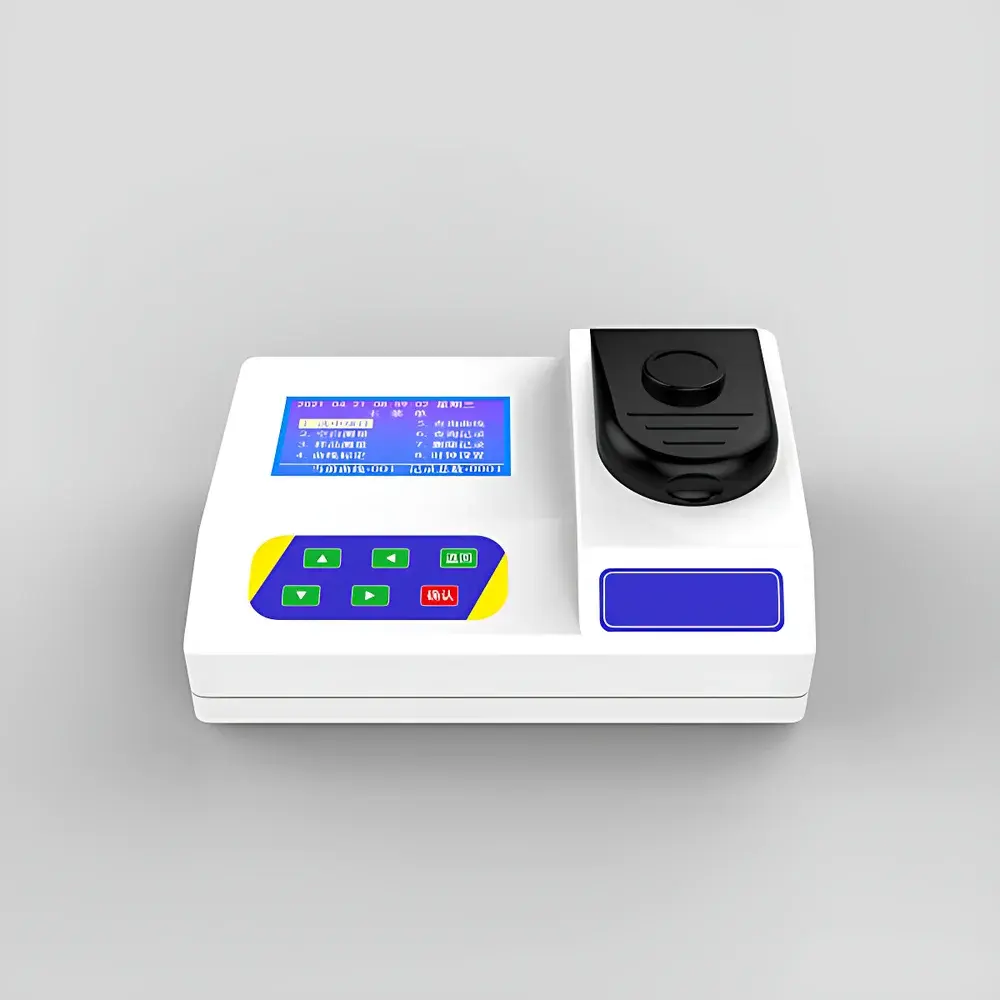
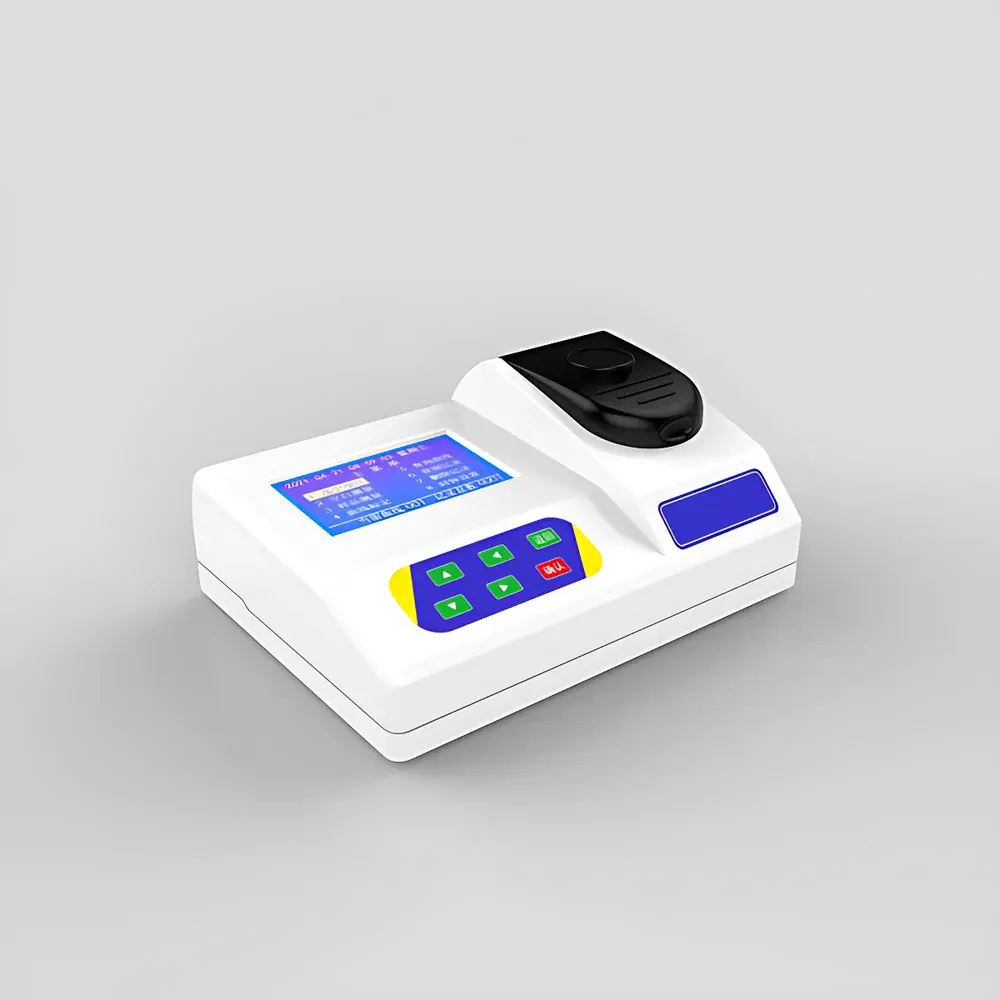
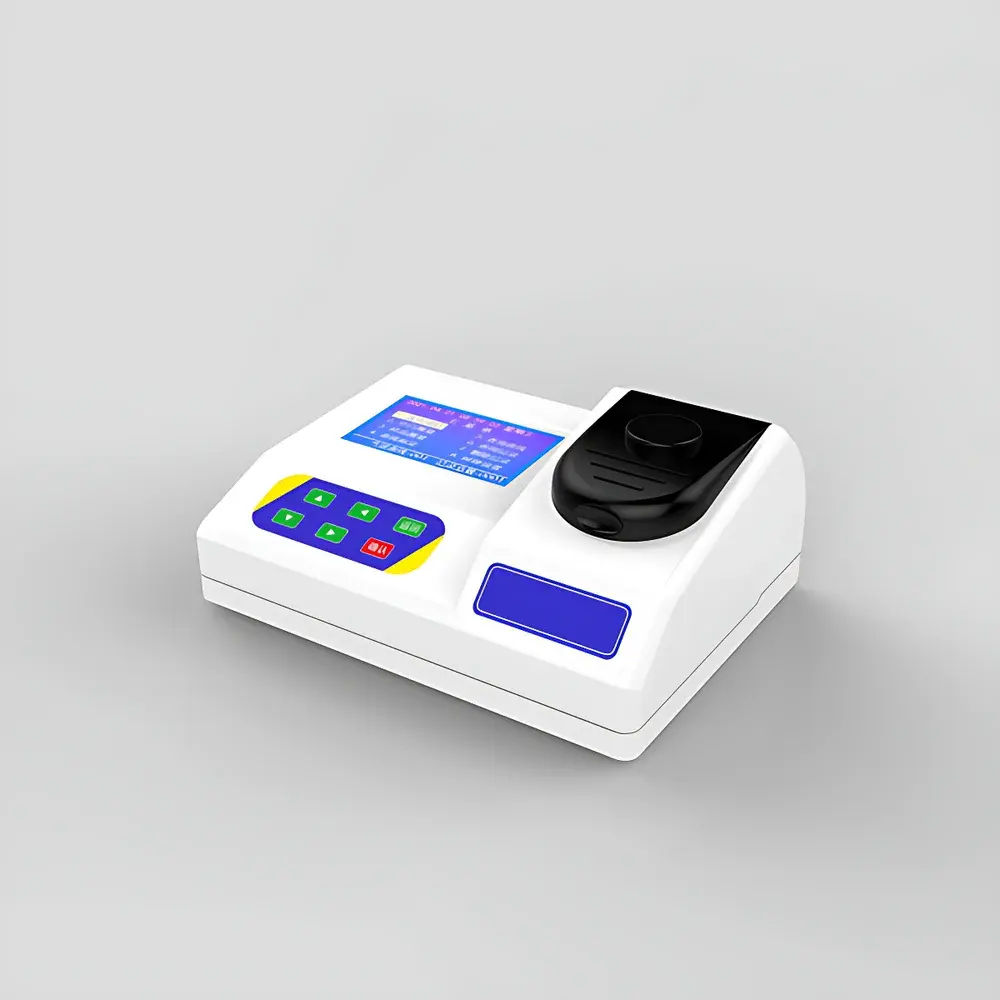
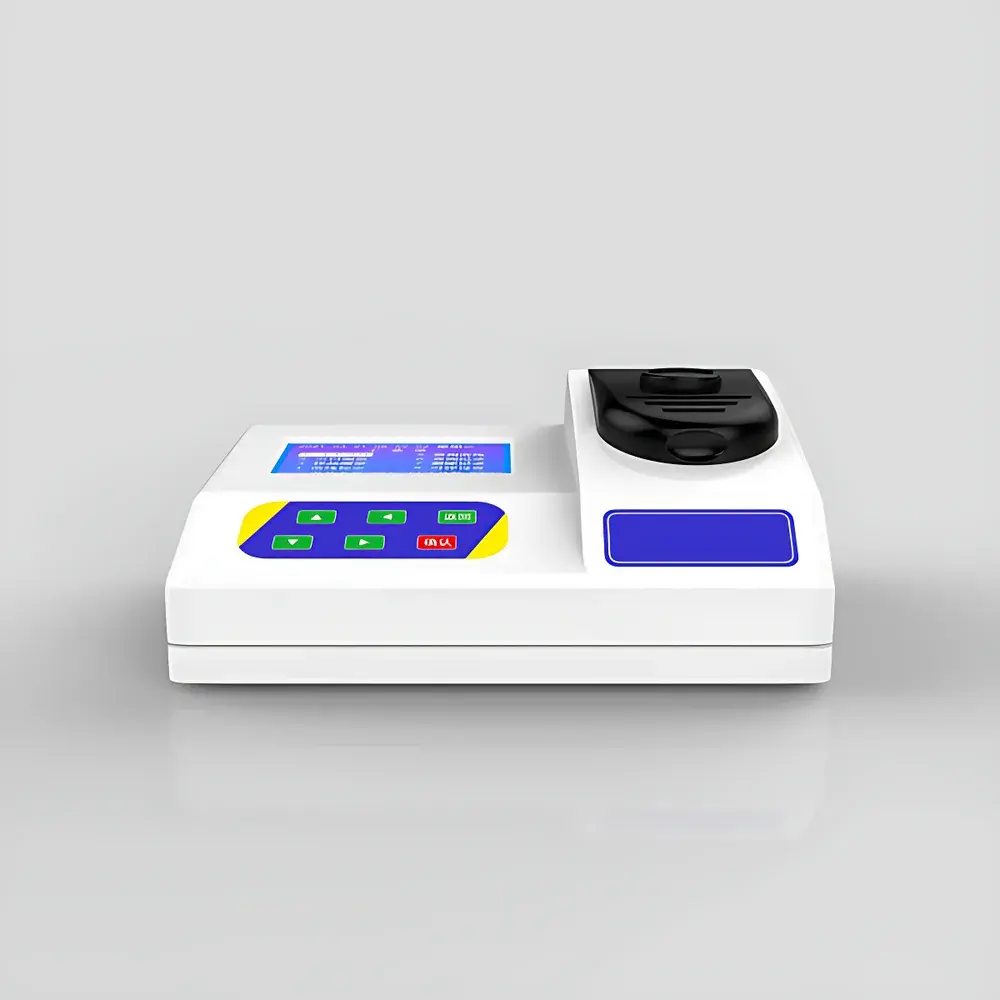
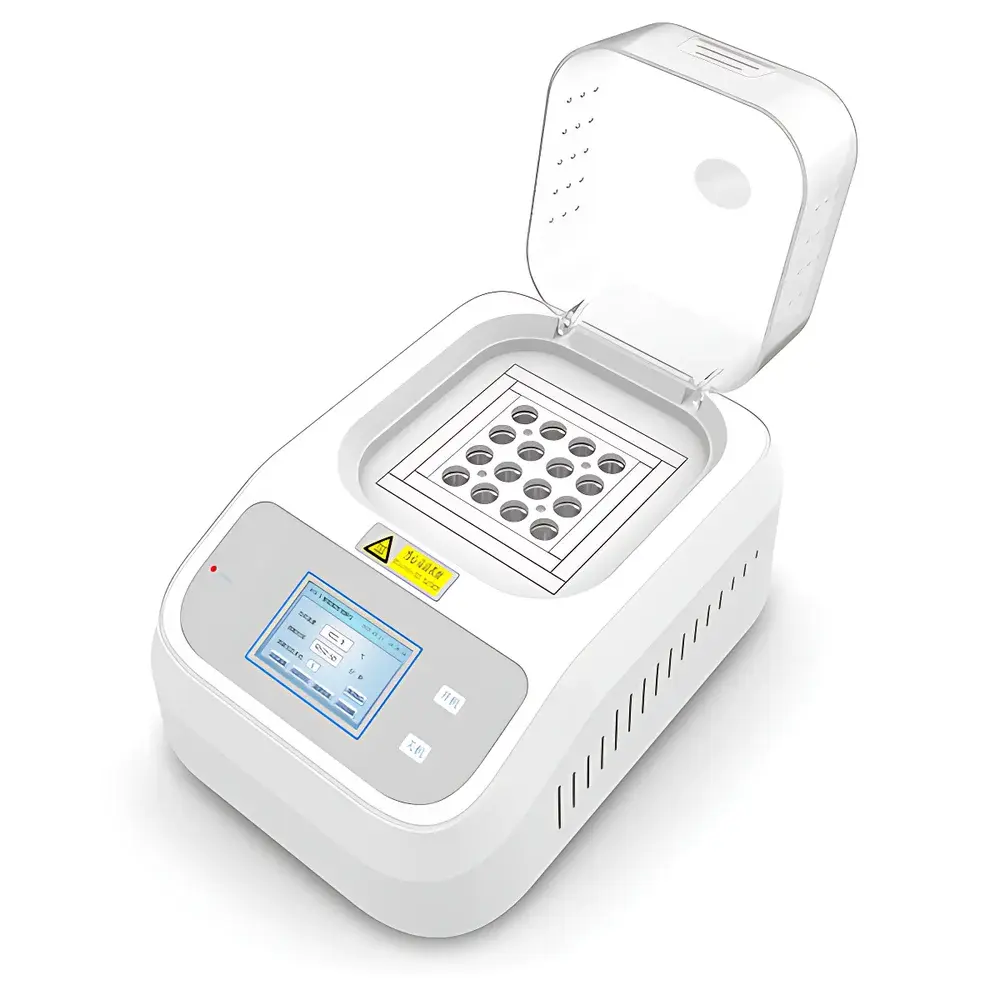
Starwood SDW-811 Multi-Analyte Photometric Analyzer for Water Quality Testing
| Brand | Starwood |
|---|---|
| Origin | Beijing, China |
| Manufacturer Type | Direct Manufacturer |
| Product Origin | Domestic (China) |
| Model | SDW-811 |
| Instrument Type | Benchtop Laboratory Analyzer |
| Price Range | USD 1,400 – 2,800 |
| Measurement Principles | Absorption Spectrophotometry (Fixed-Wavelength, Single-Beam) |
| Target Analytes | Aniline, Volatile Phenols, Hydrazine, Bromide, Formaldehyde |
| Detection Range (Aniline) | 0.03–5.00 mg/L |
| Detection Range (Phenols) | 0.20–10.0 mg/L |
| Detection Range (Hydrazine) | 0.01–0.50 mg/L |
| Detection Range (Bromide) | 0.10–5.00 mg/L |
| Detection Range (Formaldehyde) | 0.05–2.50 mg/L |
| Resolution | 0.01 mg/L |
| Accuracy | ±5% FS |
| Repeatability | ±3% RSD |
| Optical Stability | ≤0.002 A / 20 min |
| Dimensions (L×W×H) | 266 × 220 × 130 mm (varies slightly by module) |
| Weight | <1.0 kg |
| Power Consumption | 30 W |
| Light Source | High-intensity, long-life (100,000 h) monochromatic cold LED |
| Filter System | Precision narrow-band interference filters |
| Display | Backlit LCD with Chinese menu interface |
| Data Storage | Internal non-volatile memory for calibration curves and measurement history |
| Microcontroller | 16-bit low-power MCU |
| Housing Material | Corrosion-resistant molded ABS |
Overview
The Starwood SDW-811 Multi-Analyte Photometric Analyzer is a benchtop laboratory instrument engineered for precise, routine quantification of priority organic contaminants in aqueous matrices using fixed-wavelength absorption photometry. It operates on the Beer–Lambert principle, measuring analyte-specific colorimetric reaction products formed via standardized wet-chemical protocols (e.g., diazotization for aniline, 4-aminoantipyrine coupling for phenols, p-dimethylaminobenzaldehyde for hydrazine, catalytic bromination for bromide, and acetylacetone-based derivatization for formaldehyde). Designed for compliance with established water quality testing methodologies—including ISO 6439 (aniline), ISO 6597 (phenols), ISO 7150-1 (hydrazine), ISO 9297 (bromide), and ISO 1388-3 (formaldehyde)—the SDW-811 delivers trace-level detection with high optical stability and minimal interferences. Its single-beam, LED-based optical architecture eliminates lamp drift and thermal noise commonly associated with tungsten-halogen sources, ensuring reproducible absorbance readings across extended operational cycles.
Key Features
- Monochromatic cold LED light source with ≥100,000-hour operational lifetime and integrated narrow-band interference filters—optimized for spectral specificity and immunity to ambient light interference.
- High-stability optical path design achieving ≤0.002 A drift over 20 minutes, enabling reliable low-concentration measurements without frequent zeroing.
- Embedded 16-bit microcontroller with real-time data processing, auto-zero compensation, and linear/non-linear curve fitting algorithms for multi-point calibration.
- Backlit LCD display with intuitive Chinese-language menu navigation—designed for rapid method selection, calibration execution, and result review in regulated lab environments.
- Dual-mode calibration support: factory-preloaded standard curves compliant with national and international reference methods, plus user-definable custom curves for matrix-matched or application-specific validation.
- Corrosion-resistant molded ABS housing rated for continuous use in analytical laboratories handling aggressive reagents and humid ambient conditions.
- Non-volatile internal memory retains up to 500 measurement records and multiple calibration profiles—supporting audit-ready documentation under GLP and ISO/IEC 17025 frameworks.
Sample Compatibility & Compliance
The SDW-811 is validated for use with raw and treated drinking water, surface water, groundwater, municipal wastewater, and industrial effluents. Sample preparation follows standardized EPA, ISO, and GB/T protocols: filtration (0.45 µm), pH adjustment, and reagent addition per analyte-specific procedure. The instrument meets key regulatory alignment requirements—including ASTM D3869 (bromide), USP <643> (formaldehyde in pharmaceutical waters), and China’s HJ 502–2009 (phenols), HJ 503–2009 (formaldehyde), HJ 506–2009 (aniline), and HJ 537–2009 (hydrazine). While not inherently 21 CFR Part 11-compliant, its data export functionality (via USB or RS-232) supports integration into validated LIMS environments where electronic record integrity is enforced at the system level.
Software & Data Management
Data acquisition and reporting are managed through embedded firmware with no external PC dependency. All measurements are timestamped and tagged with operator ID (manual entry), method ID, and calibration status flag. Results are stored in CSV-compatible format and exportable via USB flash drive for downstream analysis in Excel or statistical software. Calibration history—including date, standard concentrations, absorbance values, correlation coefficient (R²), and residual error—is retained alongside each curve. The system supports manual audit trail review but does not implement automated electronic signatures or role-based access control; such controls are implemented externally when interfaced with validated laboratory information management systems.
Applications
- Regulatory monitoring of aniline in textile dyeing effluents and petrochemical discharge streams per GB 8978–1996 Class I limits.
- Routine screening of volatile phenols in drinking water distribution systems to verify compliance with WHO guideline values (0.001 mg/L).
- Boiler feedwater quality assurance—hydrazine residual monitoring to prevent corrosion and ensure steam purity in power generation facilities.
- Bromide quantification in desalination plant intake water, where elevated levels may lead to bromate formation during ozonation.
- Formaldehyde verification in disinfectant solutions and pharmaceutical excipient water systems per pharmacopeial monographs.
- Educational laboratories conducting APHA Standard Methods (2540–2550 series) experiments on organic contaminant chemistry and spectrophotometric analysis principles.
FAQ
What analytical methods does the SDW-811 implement for each parameter?
It executes standardized colorimetric procedures: diazotization-coupling for aniline (GB/T 5750.8–2006), 4-AAP oxidation for phenols (ISO 6597), DMAB condensation for formaldehyde (ISO 1388-3), p-dimethylaminobenzaldehyde reaction for hydrazine (ISO 7150-1), and catalytic bromination for bromide (ISO 9297).
Can the SDW-811 be used for field deployment?
No—it is designed exclusively as a benchtop laboratory analyzer requiring stable AC power (220 V, 50 Hz), controlled ambient temperature (10–30 °C), and calibrated reagents. Portable variants are not available.
Is method validation documentation provided with the instrument?
Yes—each shipment includes a Certificate of Conformance, factory calibration report, and application notes referencing ISO, GB/T, and APHA method equivalencies, supporting initial IQ/OQ qualification.
How often must the optical system be recalibrated?
Optical baseline stability is verified daily using deionized water blank; full photometric calibration (zero/gain) is recommended weekly or after lamp replacement—though the LED’s 100,000-hour lifespan renders lamp replacement unnecessary during typical instrument service life.
Does the SDW-811 support automatic dilution or sample pretreatment?
No—sample dilution, filtration, and reagent addition must be performed manually prior to measurement. The instrument assumes pre-processed, reaction-complete samples meeting specified turbidity and particulate limits (<1 NTU).







