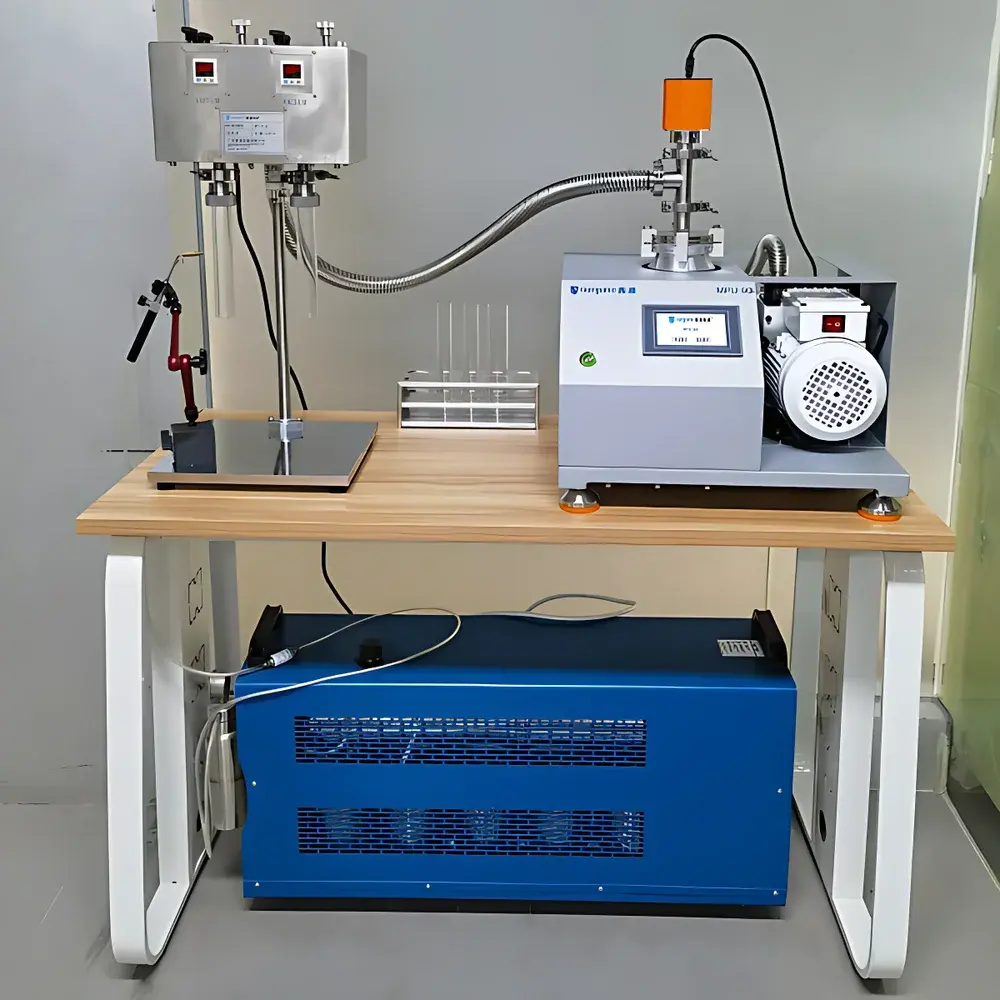
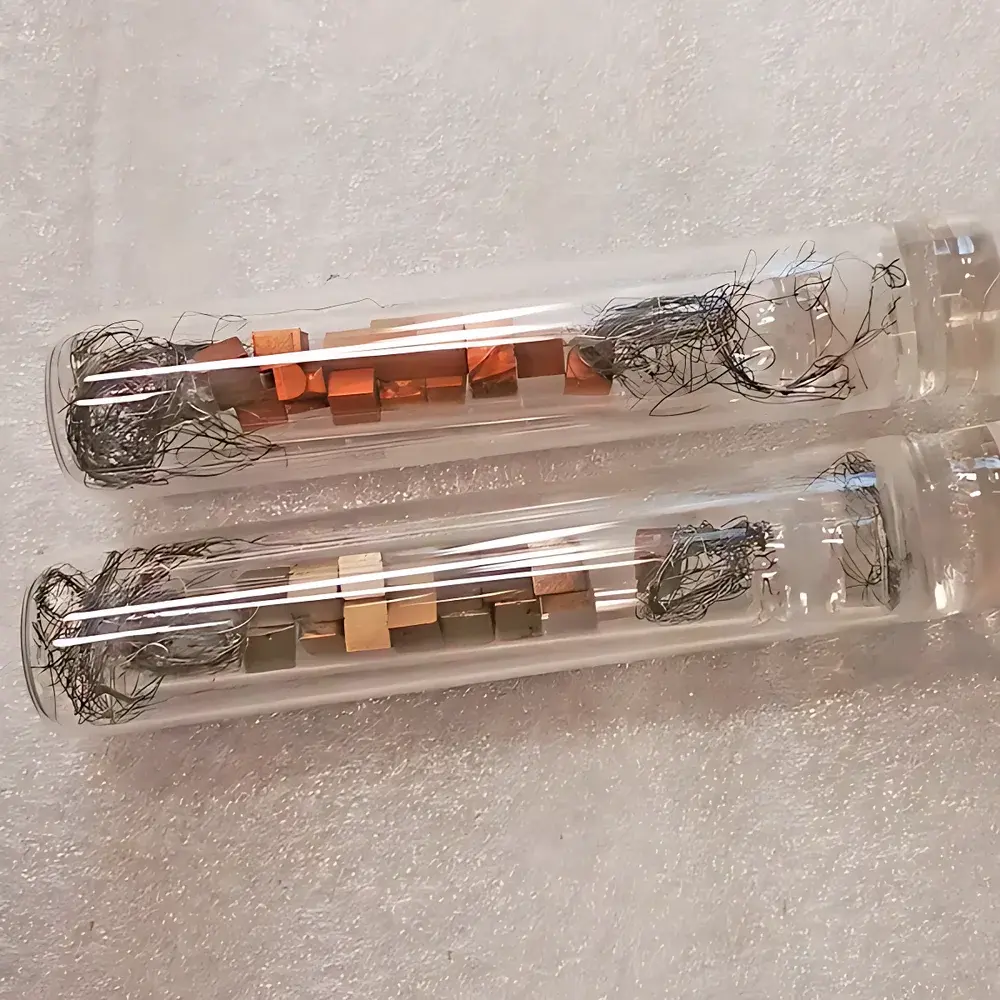
SUNJUNE VS-Q1 Hydrogen-Oxygen Flame Sealing System for Quartz Tube Encapsulation
| Brand | SUNJUNE |
|---|---|
| Origin | Guangdong, China |
| Manufacturer | SUNJUNE Technology Co., Ltd. |
| Model | VS-Q1 |
| Crystal Type | Single Crystal |
| Max. Crystal Diameter | 2–5 mm |
| Isometric Growth Length (Si) | 6 mm |
| Typical Growth Cycle per Run | 10 h |
| Quartz Tube OD Range | 5–50 mm |
| Quartz Tube Length Range | 80–1500 mm |
| Base Pressure (Mechanical Pump) | < 5 Pa |
| Base Pressure (MPU-90i Molecular Pump Unit) | < 1×10⁻⁵ Pa |
| Ultimate Vacuum (MPU-90i w/ Full-Range Gauge) | ≤ 1×10⁻⁶ Pa |
| Rotational Speed | Adjustable |
| Vacuum Pumping Rate | Adjustable |
| Backfill Gas Flow | Adjustable |
| Compliance | CE-marked components, GLP-aligned operational logging capability |
Overview
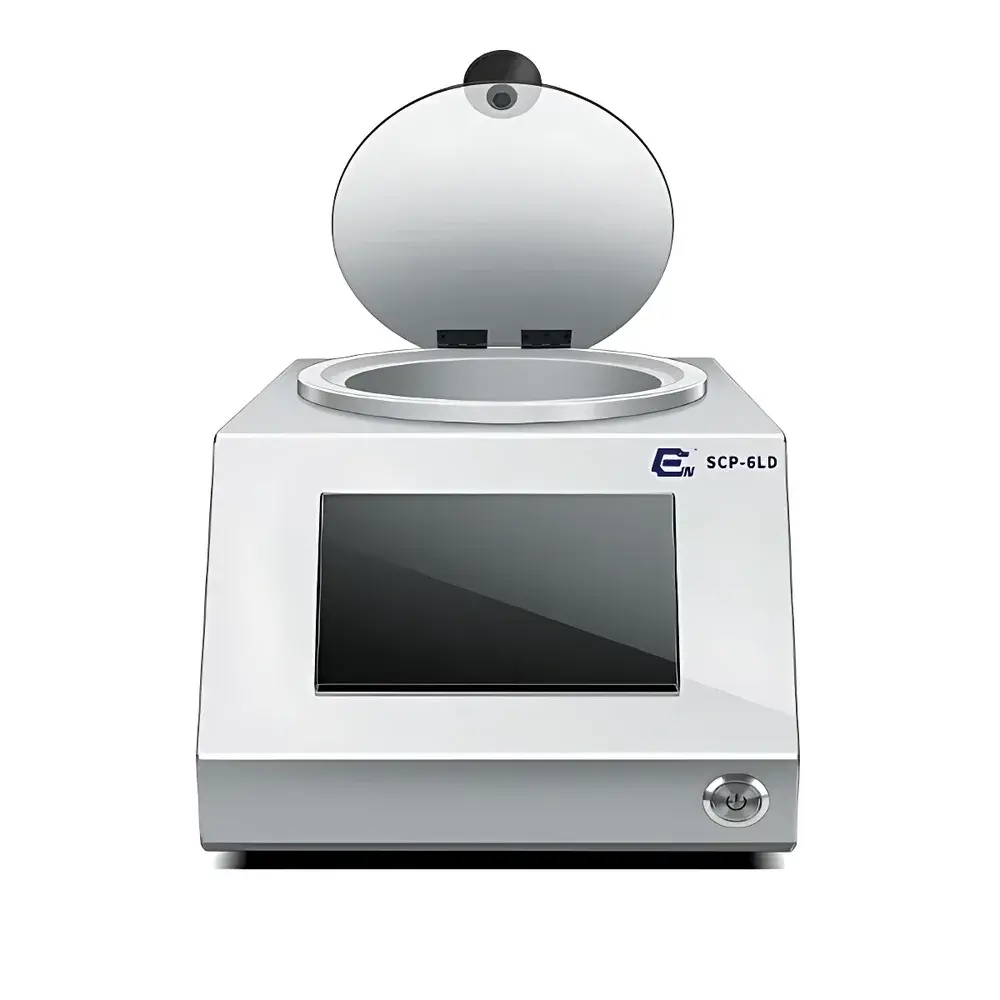
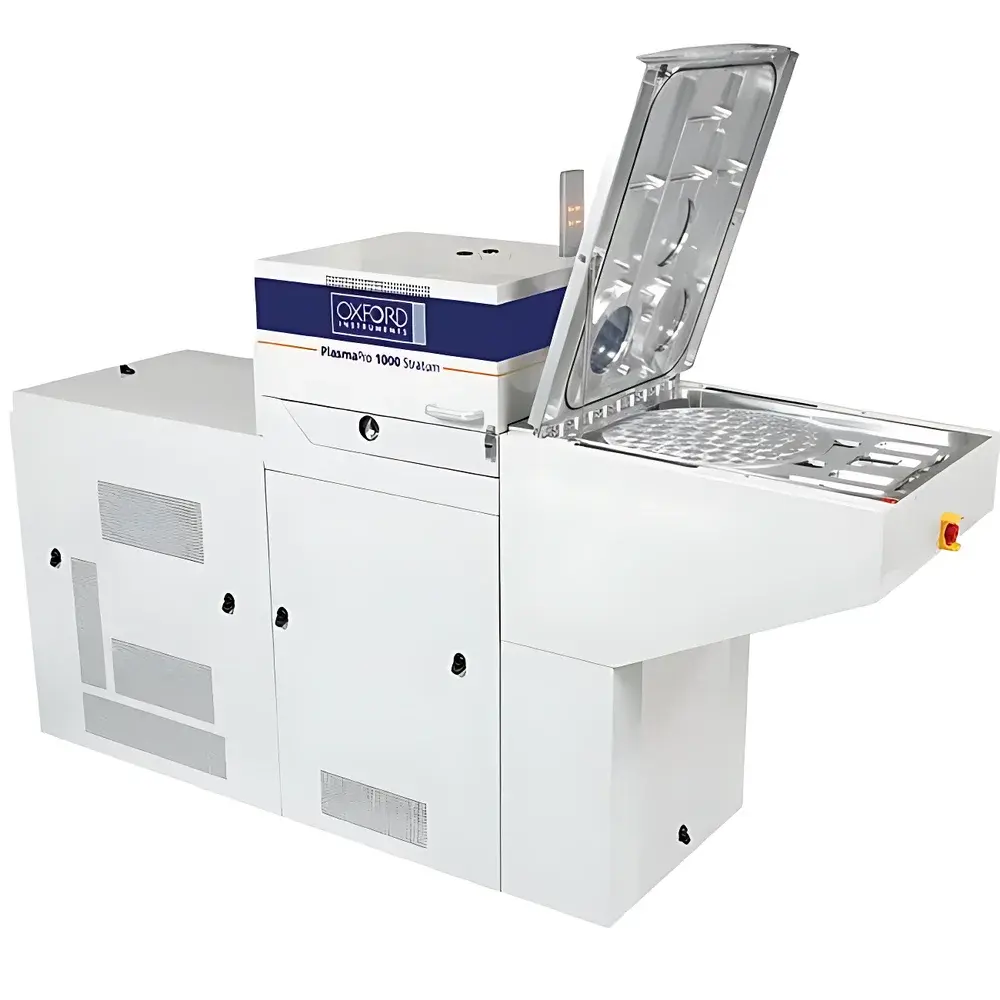
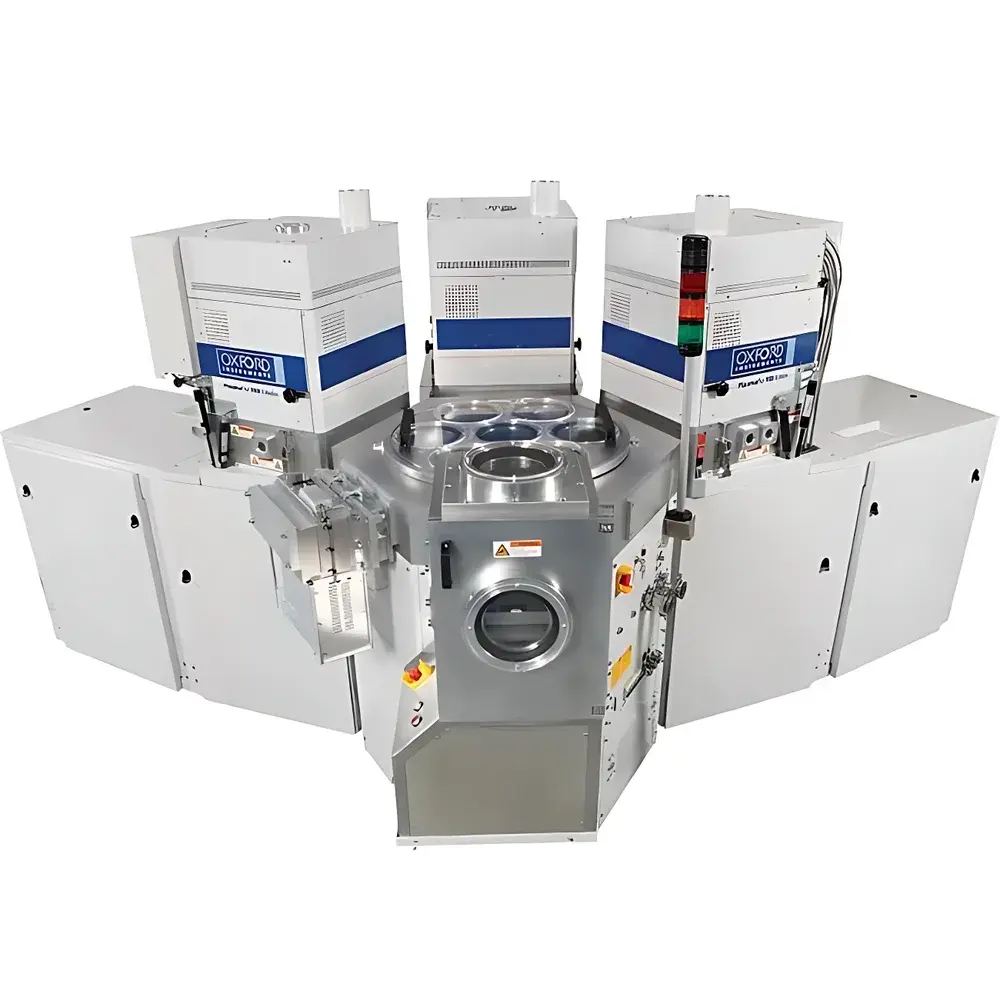
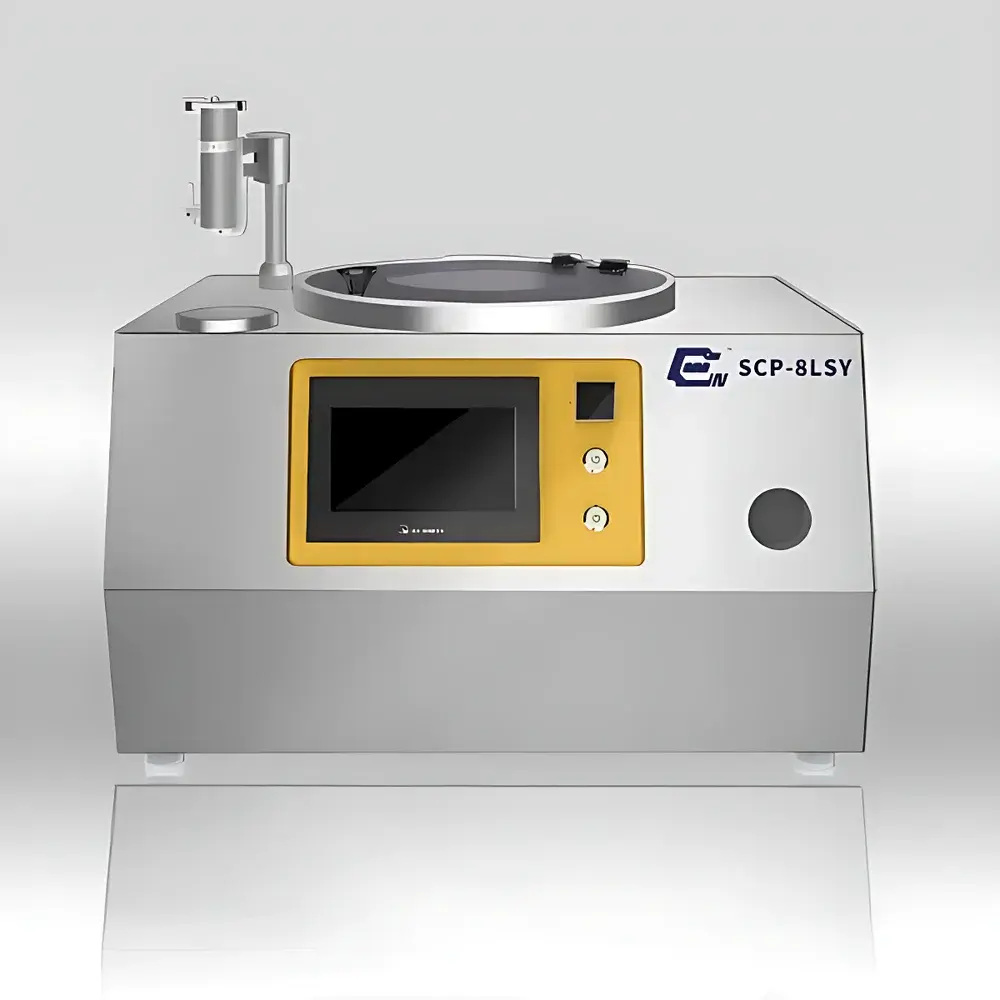
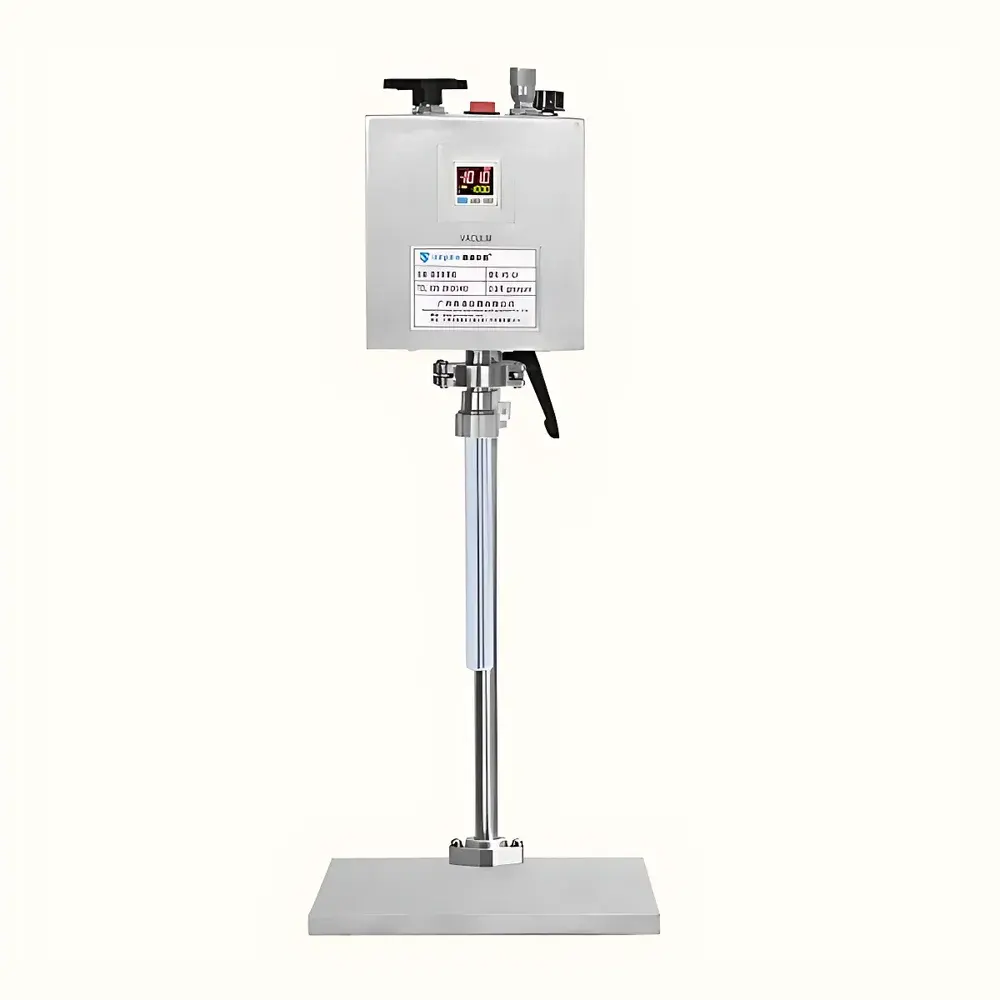
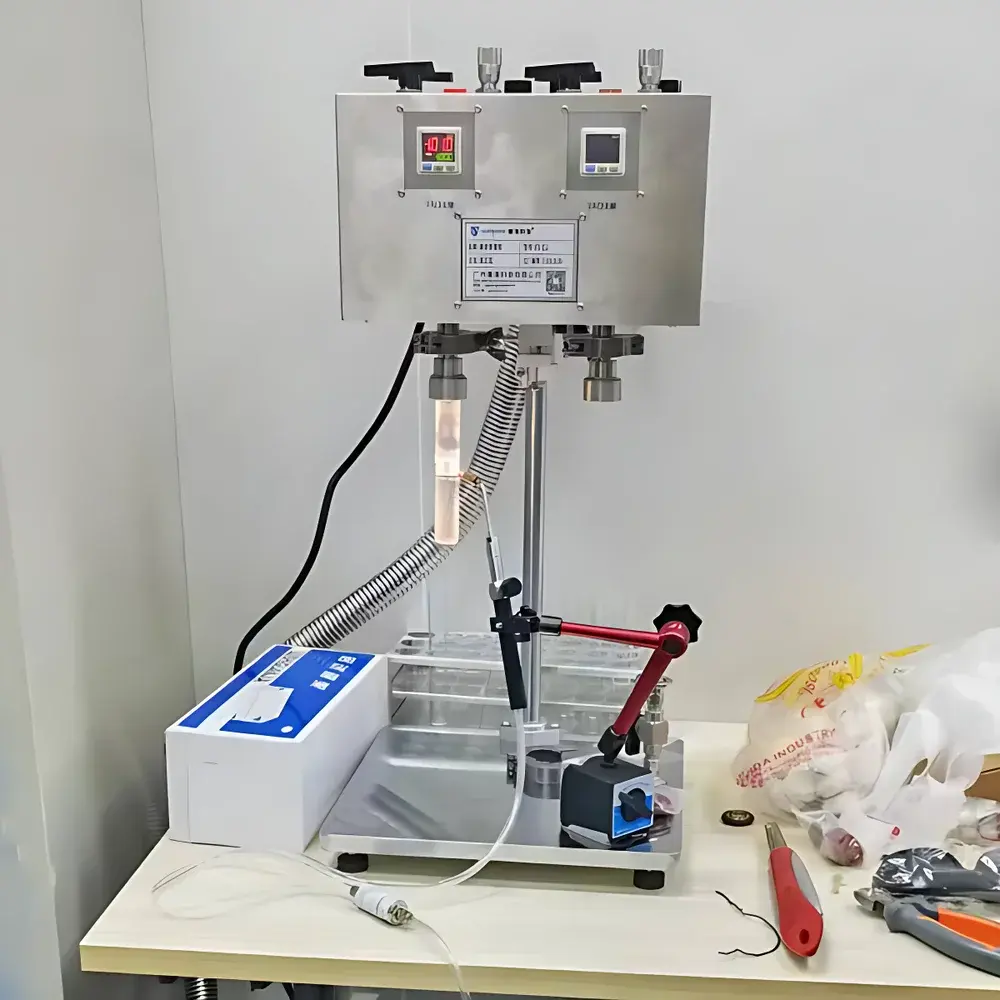
The SUNJUNE VS-Q1 Hydrogen-Oxygen Flame Sealing System is an integrated quartz tube encapsulation platform engineered for high-reproducibility vacuum sealing of air- or moisture-sensitive materials—particularly critical in single-crystal growth, thermoelectric synthesis, solid-state battery precursor preparation, and 2D material exfoliation workflows. Unlike conventional static flame-sealing methods, the VS-Q1 implements a dynamic rotational sealing principle based on Couette-flow-assisted thermal homogenization: quartz tubes rotate continuously during hydrogen–oxygen flame impingement, ensuring uniform heat distribution along the seal zone and eliminating localized stress-induced microcracks or wall thinning. The system combines three core subsystems—a precision rotary vacuum sealing station, a high-stability H₂/O₂ gas mixing and combustion module, and a dual-stage vacuum system (mechanical + turbo-molecular)—into a single stainless-steel monocoque enclosure. Its design adheres to fundamental vacuum engineering principles: leak-tightness validated via helium mass spectrometry (≤1×10⁻⁹ mbar·L/s), thermal inertia management via water-cooled flame nozzles, and pressure-controlled backfill sequencing for inert-gas encapsulation (Ar, N₂, or forming gas). The system supports both batch-mode and semi-continuous operation, with full traceability of vacuum ramp rates, seal temperature profiles, and rotational kinetics.
Key Features
- Stainless-steel monolithic chassis with IP54-rated ingress protection and integrated vibration-damping feet for stable flame geometry under laboratory ambient conditions
- Patented rotating quartz tube holder with stepless speed control (0.5–15 rpm) and real-time angular position feedback for repeatable seal geometry
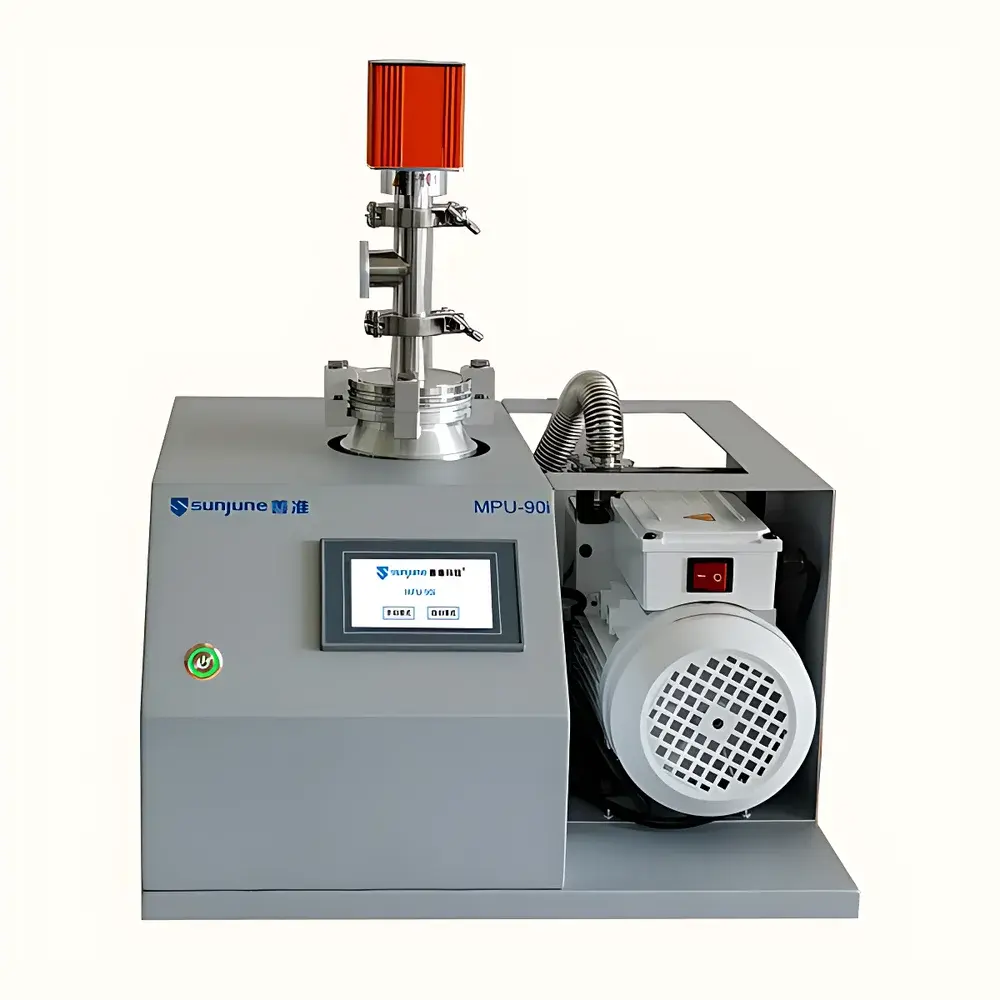
- Dual-vacuum architecture: primary mechanical pump (ultimate pressure <5 Pa) and optional MPU-90i turbo-molecular pump unit (base pressure <1×10⁻⁵ Pa, ultimate ≤1×10⁻⁶ Pa with full-range capacitance manometer)
- Intelligent IL-control firmware for molecular pump protection: automatic warm-up/cool-down sequencing, overpressure interlock, and rotor overspeed prevention
- Adjustable vacuum pumping rate and inert gas backfill flow (0–50 sccm, ±1% FS accuracy) optimized for powder compaction versus bulk crystal annealing
- Touchscreen HMI with dual-mode operation: manual mode for independent pump staging; auto mode for synchronized pump start/stop, flame ignition delay, and pressure-triggered seal initiation
- Compliance-ready data logging: timestamped vacuum curves, rotational speed logs, and flame-on duration stored locally (SD card) with optional USB export for 21 CFR Part 11–aligned audit trails
Sample Compatibility & Compliance
The VS-Q1 accommodates quartz tubing with outer diameters from 5 mm to 50 mm and lengths between 80 mm and 1500 mm—covering standard sizes used in Bridgman, vertical gradient freeze (VGF), and self-flux crystal growth protocols. It seals both powdered precursors (e.g., Bi₂Te₃ thermoelectrics, Li₇La₃Zr₂O₁₂ solid electrolytes) and monolithic substrates (e.g., Si wafers, GaAs ingots) without requiring pre-sintering or binder addition. All wetted surfaces contact only fused silica or electropolished 316L stainless steel—ensuring zero metallic contamination for semiconductor-grade applications. The system meets ISO 8573-1 Class 2 compressed gas purity requirements for H₂/O₂ supply lines and conforms to IEC 61000-6-3 EMC emission limits. Vacuum performance validation reports (per ASTM E1055-20) and CE DoC documentation are provided with each unit.
Software & Data Management
The embedded touchscreen interface runs SUNJUNE’s proprietary SealControl™ v3.2 firmware, supporting both English and simplified Chinese UI languages. All process parameters—including vacuum ramp slope (Pa/s), target seal pressure, rotation profile (acceleration/deceleration ramps), and flame dwell time—are programmable and storable as named recipes (up to 99 slots). Data export supports CSV format for post-processing in MATLAB, Python (Pandas), or LabVIEW. Optional Ethernet connectivity enables remote monitoring via Modbus TCP or HTTP API endpoints—compatible with enterprise LIMS integration. Audit-trail functionality records operator ID (via optional RFID badge reader), parameter changes, alarm events, and system power cycles with SHA-256 hash-protected log files—meeting GLP and GMP documentation requirements for regulated R&D environments.
Applications
- Single-crystal growth of thermoelectric compounds (e.g., SnSe, Cu₂Se) under controlled partial pressures
- Encapsulation of air-sensitive precursors for solid-state lithium battery cathodes (e.g., LiCoO₂–Li₃PS₄ composites)
- Hermetic sealing of microfluidic quartz chips prior to plasma activation or surface functionalization
- Preparation of oxygen-deficient transition metal oxides (e.g., SrTiO₃₋δ, La₀.₇Sr₀.₃MnO₃) for oxide electronics research
- Inert-atmosphere annealing of 2D materials (MoS₂, WSe₂) to suppress sulfur loss and defect formation
- Thermal treatment of shape-memory alloys (NiTi, CuAlMn) under precisely controlled redox potentials
FAQ
What vacuum level is required for high-purity single-crystal growth?
For most oxide and chalcogenide systems, base pressures below 1×10⁻⁵ Pa (achievable with the MPU-90i option) minimize residual H₂O and O₂ partial pressures—critical for stoichiometry control during slow-cooling crystallization.
Can the VS-Q1 seal quartz tubes containing volatile solvents or low-boiling-point organics?
Yes—provided the solvent vapor pressure at room temperature is below 10 Pa; users must initiate vacuum pumping slowly (<0.5 Pa/s ramp rate) and allow sufficient outgassing time before flame sealing to prevent explosive vapor release.
Is the hydrogen–oxygen flame adjustable for different quartz wall thicknesses?
Flame stoichiometry (H₂:O₂ ratio) and nozzle standoff distance are manually tunable; recommended settings are preloaded per OD/thickness combination in the built-in reference library.
Does the system support automated recipe execution across multiple sequential runs?
Yes—the auto-cycle mode allows up to 10 consecutive runs with configurable inter-run cooldown periods and automatic purge/reseal sequences.
How is calibration traceability maintained for vacuum and flow sensors?
Capacitance manometers are factory-calibrated against NIST-traceable standards; mass flow controllers include certificate-of-calibration with uncertainty values (±0.8% of reading) valid for 12 months.