
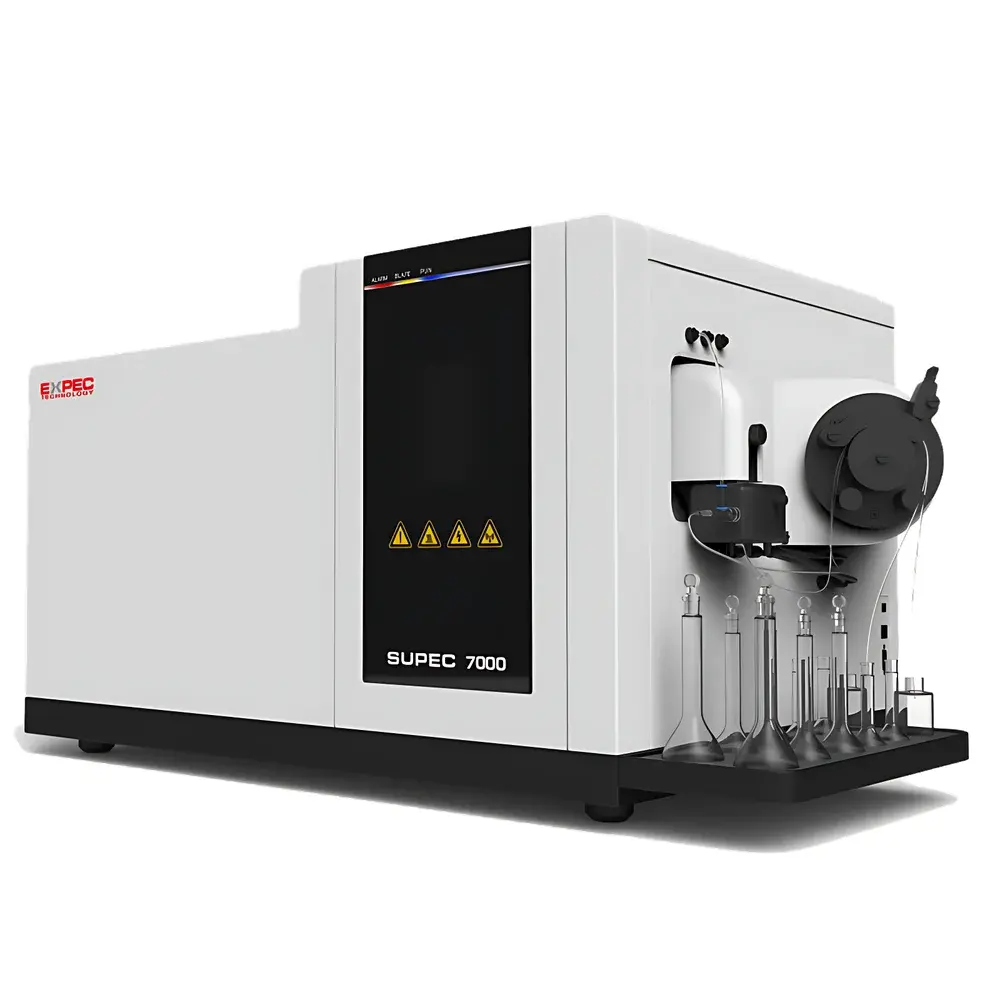
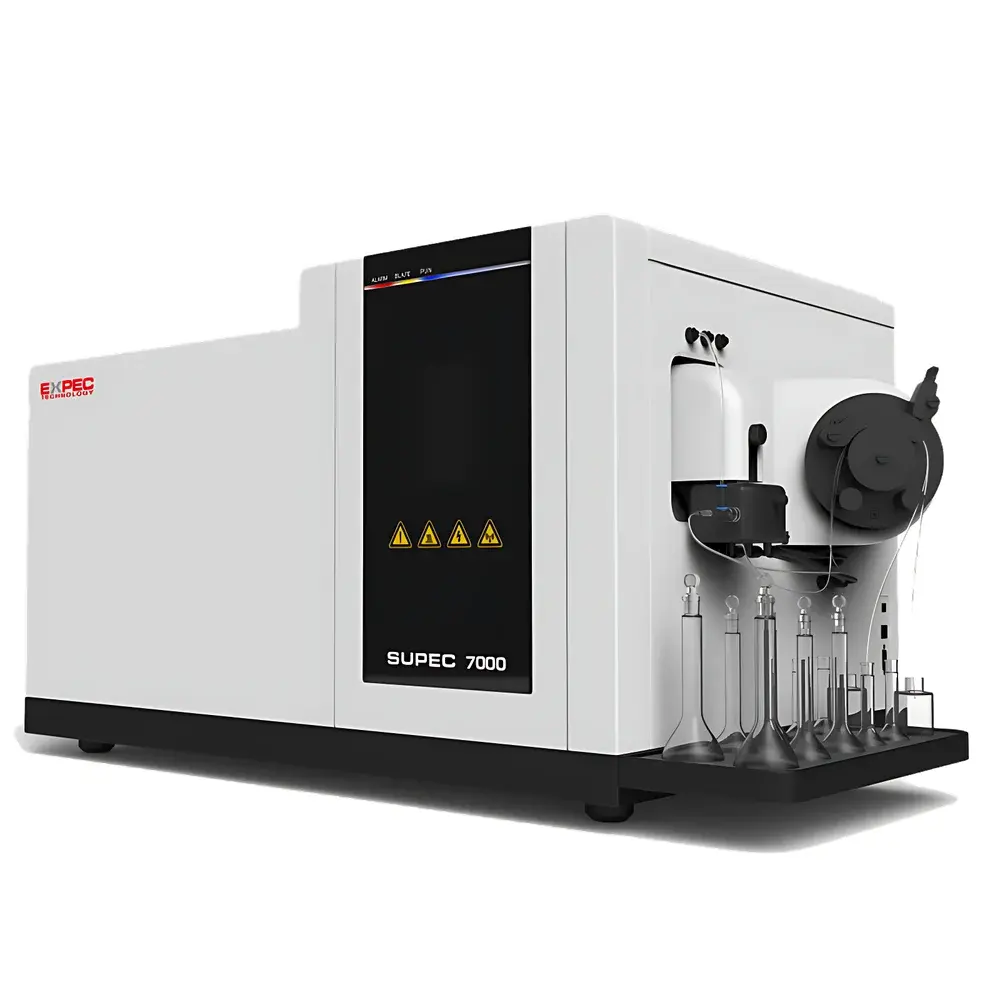
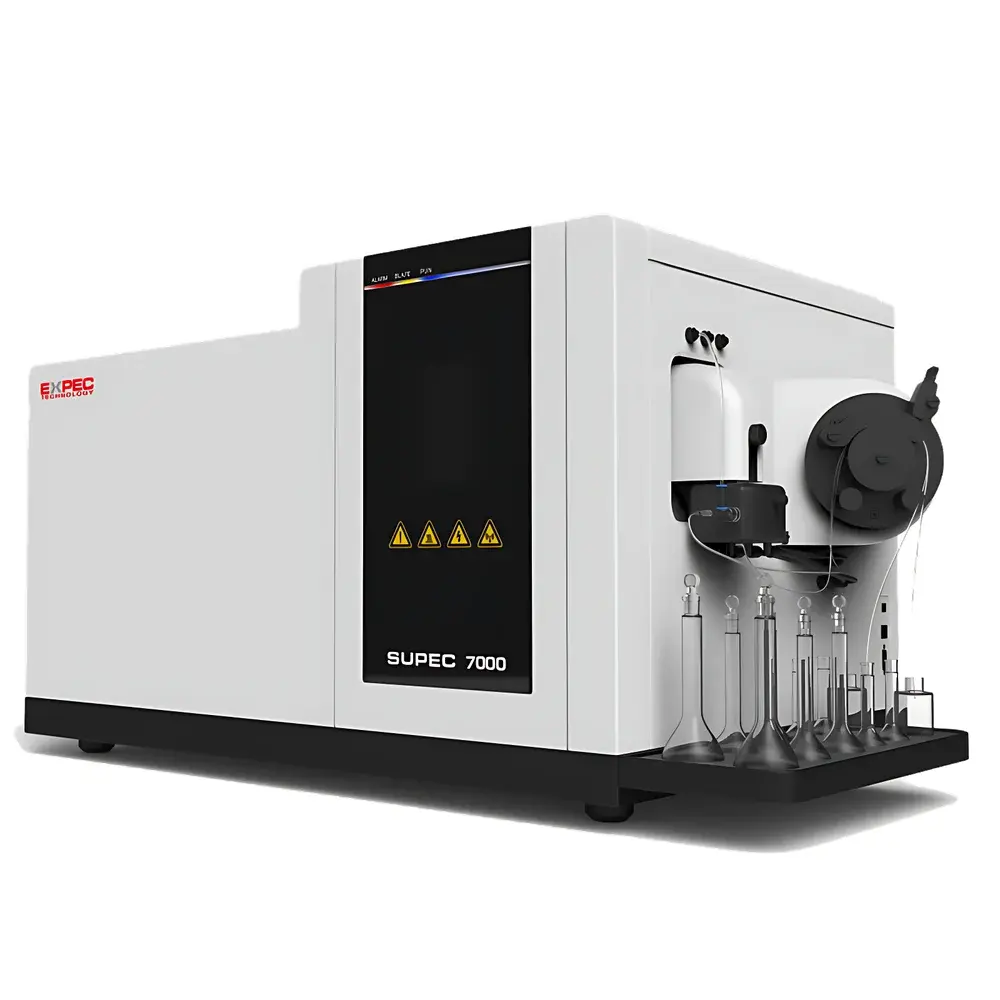
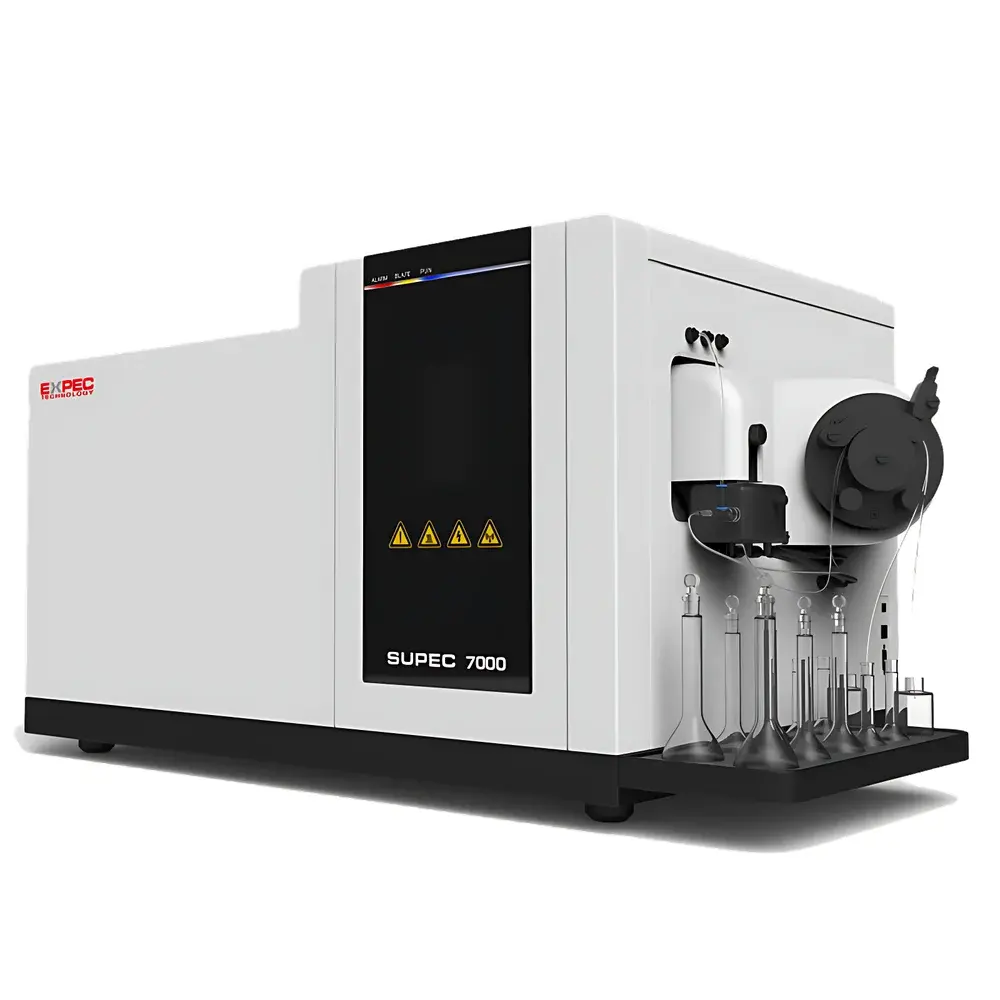
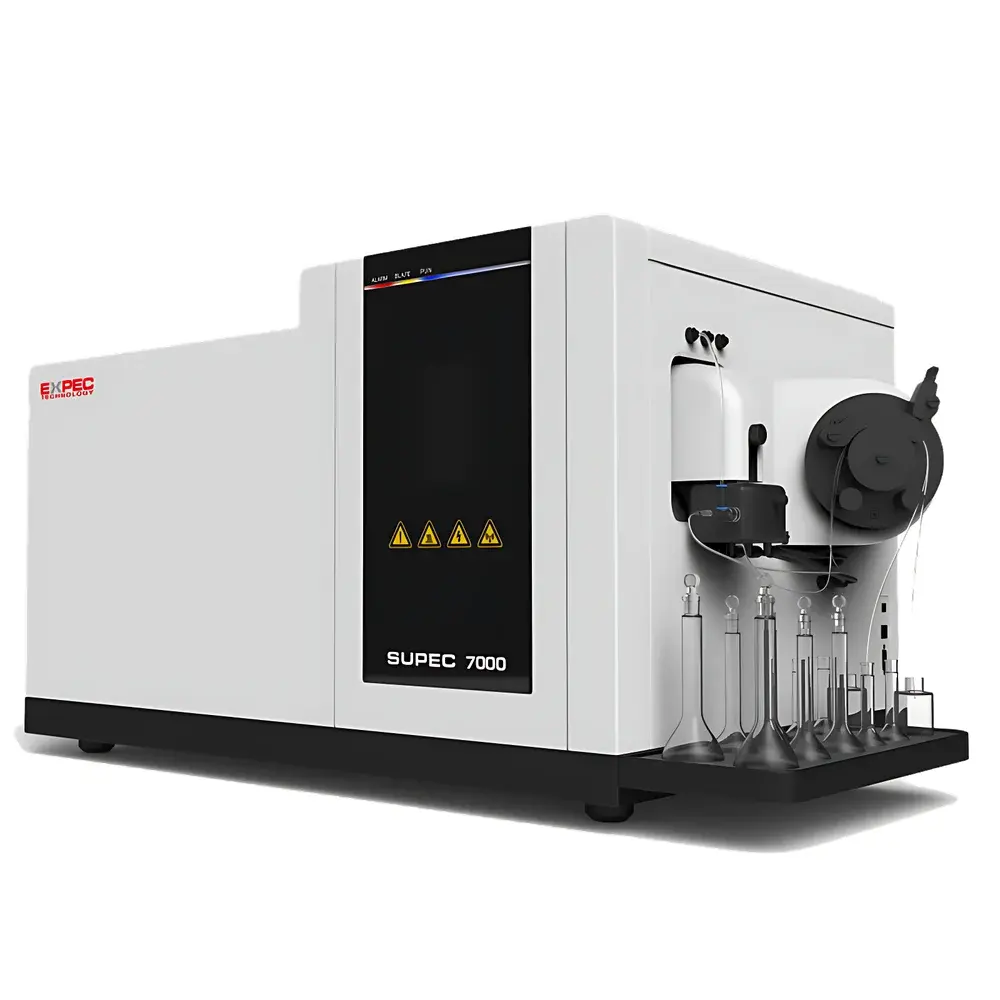
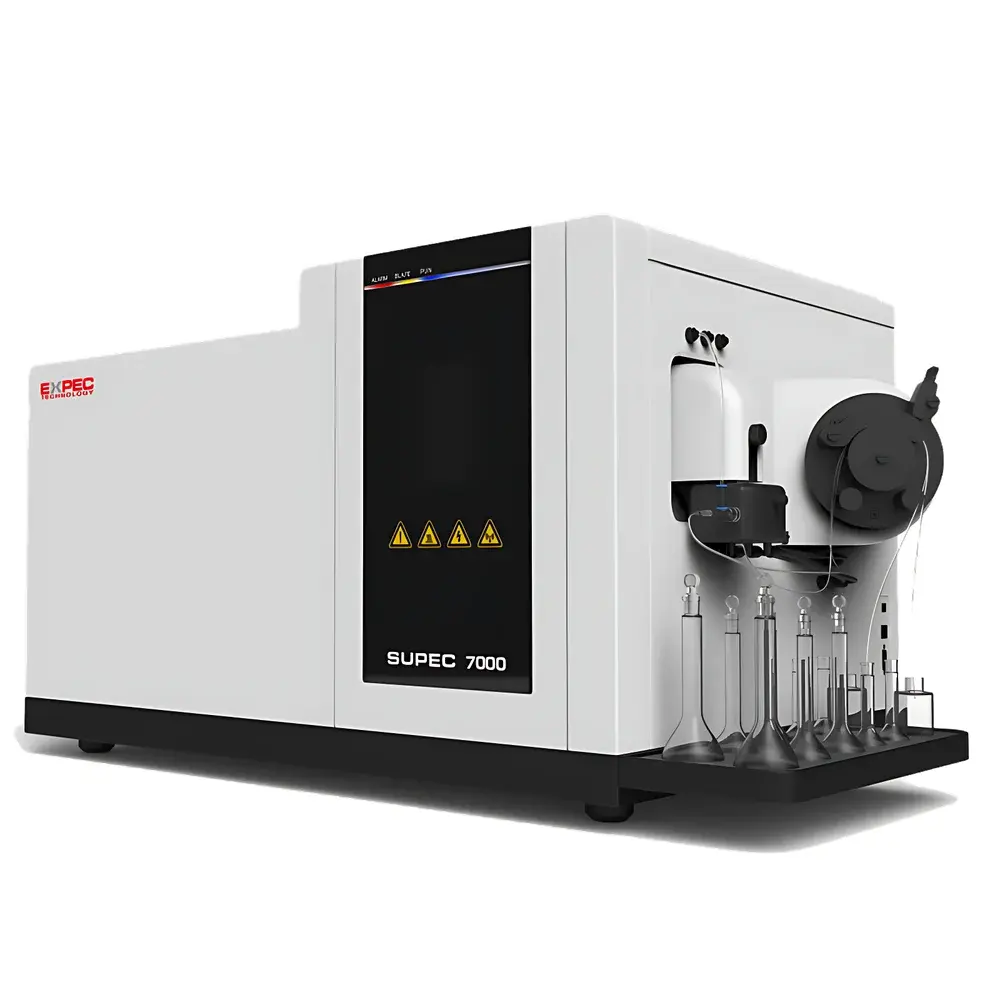
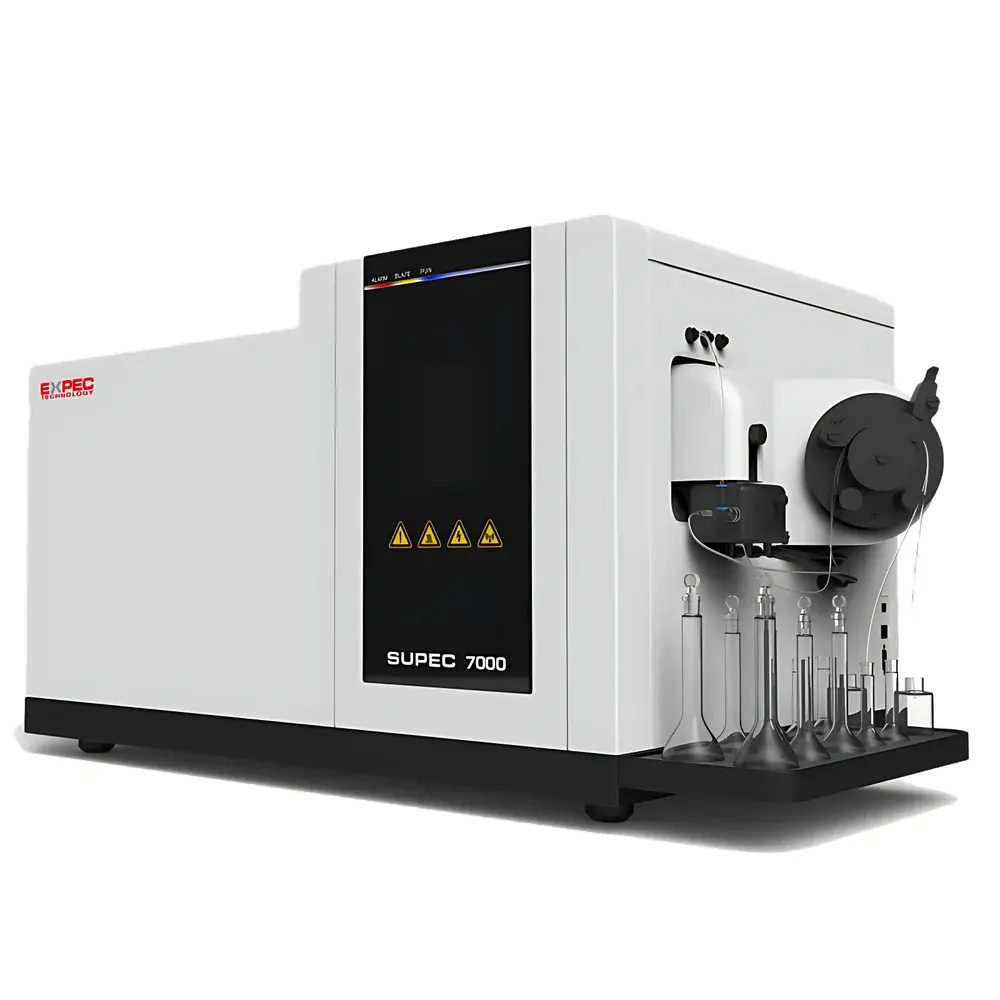
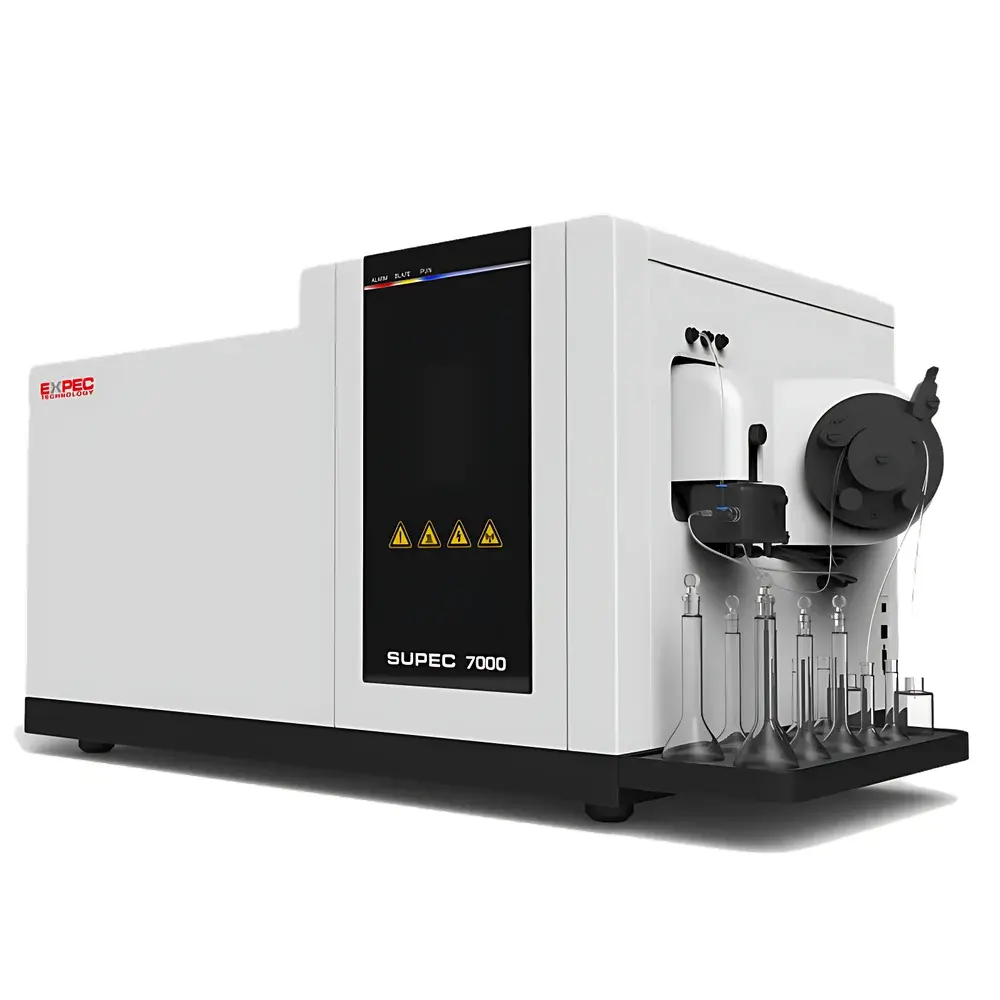
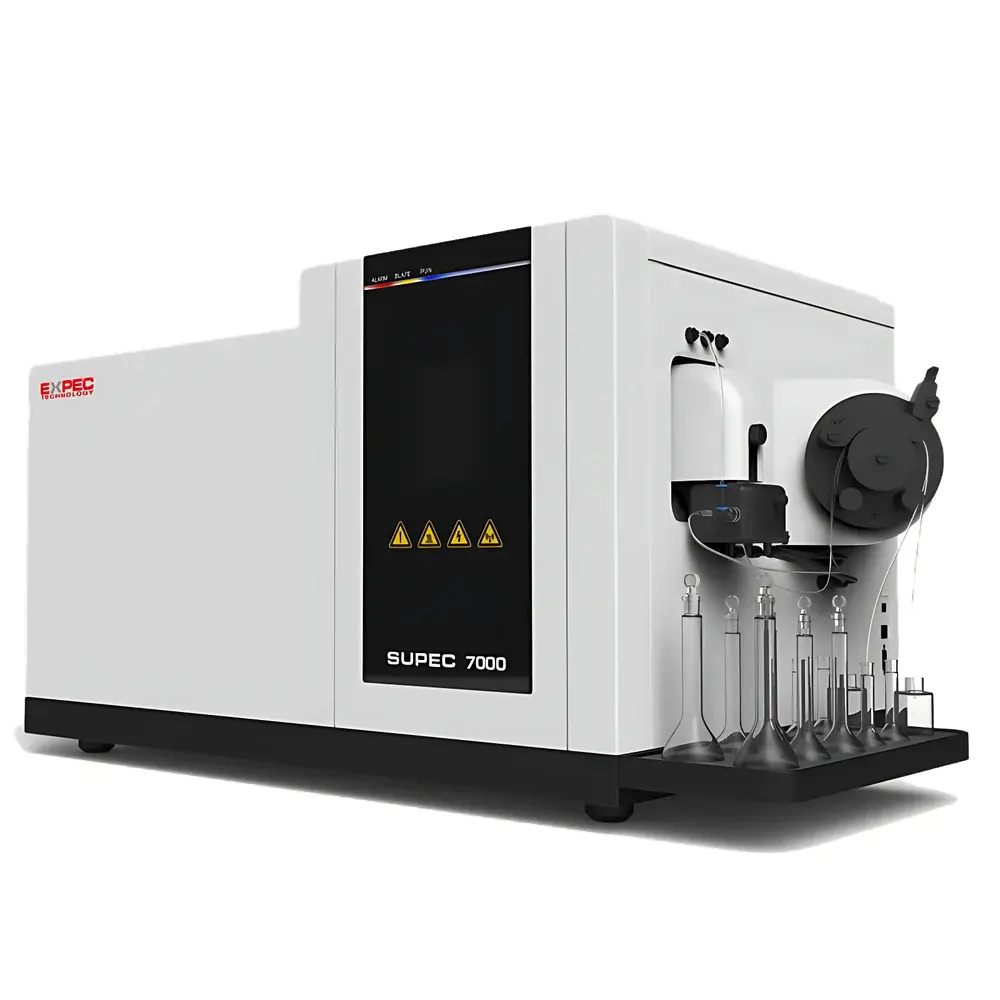
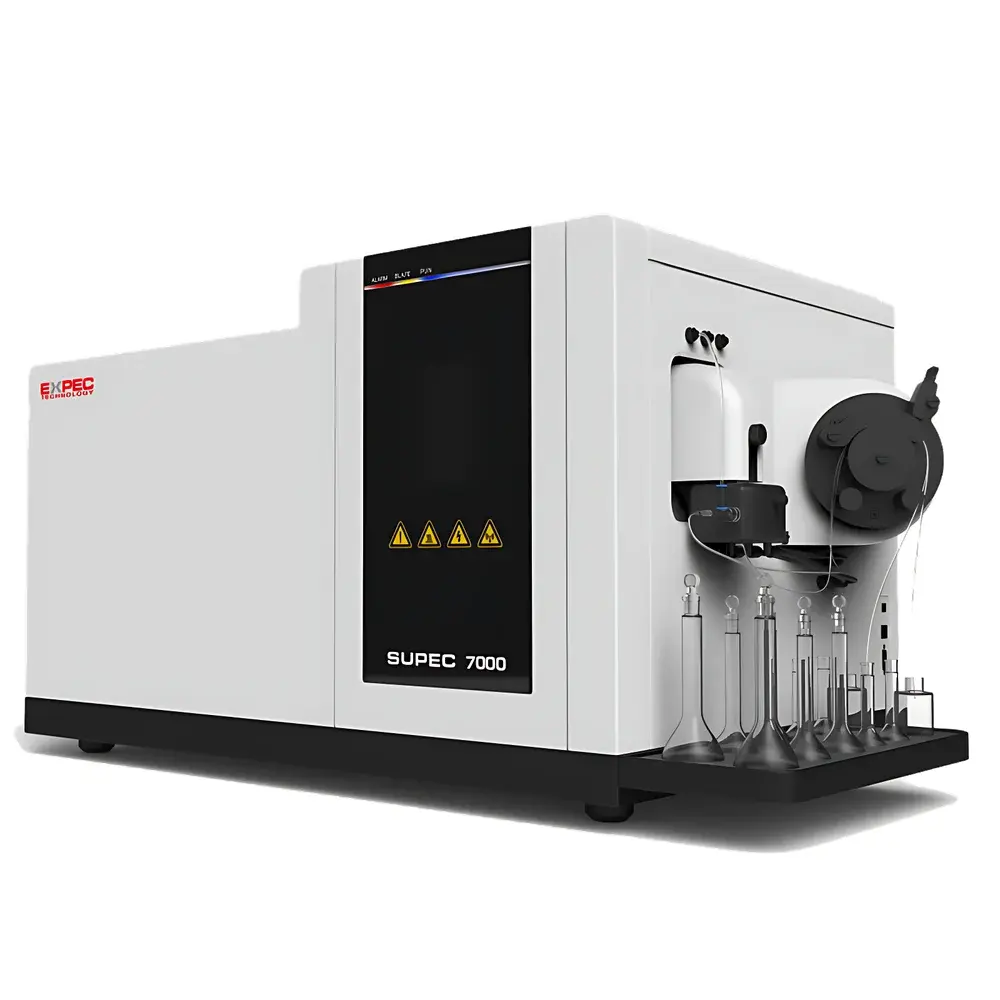
SUPEC 7000 Inductively Coupled Plasma Mass Spectrometer (ICP-MS)
| Brand | EXPEC |
|---|---|
| Origin | Zhejiang, China |
| Manufacturer Type | Authorized Distributor |
| Product Category | Domestic Instrument |
| Model | SUPEC 7000 |
| Instrument Type | Quadrupole ICP-MS |
| Application Environment | Laboratory-Based Analysis |
| Key Features | High-Temperature Gas Flow Control, Multi-Stage Gradient Vacuum System, High-Efficiency Ion Interface, Distributed Collision/Reaction Cell, Temperature- and Humidity-Stable Quadrupole Mass Analyzer |
| Compliance Context | Designed for GLP/GMP-aligned laboratories |
| Software Platform | EXPEC ICP-MS Control Suite v3.2 (with method validation templates, QC flagging, and raw data integrity logging) |
Overview
The SUPEC 7000 Inductively Coupled Plasma Mass Spectrometer (ICP-MS) is a quadrupole-based elemental analysis platform engineered by EXPEC Technology for high-sensitivity, low-background trace metal quantification in complex matrices. It operates on the fundamental principle of inductively coupled plasma ionization followed by mass-selective detection via radiofrequency-driven quadrupole mass filtering. The instrument integrates a self-excited all-solid-state RF generator, a thermally stabilized plasma torch assembly, and an aerodynamically optimized ion interface—designed using computational fluid dynamics (CFD) simulations to maximize ion transmission efficiency at the plasma–vacuum boundary. This architecture enables robust performance across environmental water, soil digests, biological fluids, pharmaceutical excipients, and geological samples, meeting analytical requirements defined in ISO/IEC 17025-accredited laboratories.
Key Features
- High-efficiency ion optics: CFD-optimized interface geometry improves ion transmission by 3–5× versus conventional designs, directly enhancing signal-to-noise ratio and lowering practical detection limits.
- Distributed collision/reaction cell: Configurable with He, H2, NH3, or O2 gases to suppress polyatomic interferences (e.g., 40Ar16O+, 40Ca16O+) without compromising sensitivity for target isotopes.
- Thermally compensated quadrupole mass analyzer: Constructed with low-expansion alloys and active thermal shielding to maintain mass calibration stability under ambient humidity and temperature fluctuations (±5 °C, 30–80% RH).
- Multi-stage gradient vacuum system: Combines turbo-molecular pumping stages with differential conductance apertures to sustain stable operating pressure profiles (<1×10⁻⁶ mbar in analyzer region) during extended runs.
- On-line argon dilution module: Enables real-time adjustment of nebulizer gas flow and plasma loading to mitigate matrix-induced signal suppression in high-dissolved-solid samples (e.g., seawater, brines, digested sludge).
- Vibration-resilient mechanical design: Fully solid-state construction with integrated shock absorption meets MIL-STD-810G transport requirements; validated over >10,000 km of road testing under simulated mobile lab conditions.
Sample Compatibility & Compliance
The SUPEC 7000 accepts liquid samples introduced via standard concentric nebulizers or specialized systems (e.g., microflow, desolvating, or high-solids nebulizers), as well as direct solid sampling through laser ablation coupling. It complies with core regulatory frameworks governing elemental impurity testing—including USP /, ICH Q3D, and EPA Method 6020B—and supports full audit-trail functionality per FDA 21 CFR Part 11 when operated with EXPEC ICP-MS Control Suite v3.2. Instrument qualification documentation (IQ/OQ/PQ protocols) and certified reference material (CRM)-based calibration verification procedures are provided to support GLP and GMP workflows.
Software & Data Management
EXPEC ICP-MS Control Suite v3.2 delivers intuitive method setup, real-time interference correction, automated internal standard normalization, and customizable reporting templates aligned with ISO/IEC 17025 clause 7.8. Raw spectral data is stored in vendor-neutral .raw format with embedded metadata (operator ID, timestamp, instrument configuration, calibration history). The software includes built-in QC monitoring (control charts, trend analysis), electronic signature support, and role-based access control. All data modifications are logged with immutable timestamps and user attribution—ensuring full traceability for regulatory submissions.
Applications
- Environmental monitoring: Quantification of ultra-trace metals (e.g., As, Cd, Pb, U) in drinking water, wastewater, and particulate matter (PM2.5/PM10) at sub-pg L−1 levels.
- Food and feed safety: Screening for toxic elements (Hg, Sn, Tl) and essential nutrients (Se, Zn, Fe) in infant formula, cereals, seafood, and dietary supplements.
- Pharmaceutical quality control: Elemental impurity profiling of active pharmaceutical ingredients (APIs), excipients, and container-closure systems per ICH Q3D thresholds.
- Geochemical research: Isotopic ratio measurement (e.g., 87Sr/86Sr, 206Pb/204Pb) in rock digests and mineral leachates using standard-sample-standard bracketing.
- Materials science: Depth-resolved analysis of thin-film coatings and battery cathode materials via LA-ICP-MS coupling.
FAQ
Is the SUPEC 7000 compliant with FDA 21 CFR Part 11 requirements?
Yes—the software includes electronic signature capability, audit trail generation, and data integrity controls fully aligned with Part 11 Annex A expectations.
Can the instrument be integrated with automated sample preparation systems?
Yes—it supports seamless communication with EXPEC SUPEC 7020 automated digestion platforms (microwave and graphite furnace), as well as third-party autosamplers and HPLC-ICP-MS interfaces via RS-232, Ethernet, and OPC-UA protocols.
What vacuum pump configuration does the SUPEC 7000 use?
It employs a dual-stage turbo-molecular pumping system with differential aperture staging, achieving base pressures below 1×10⁻⁶ mbar in the quadrupole region and <1×10⁻⁸ mbar in the detector chamber.
Does the system support isotope ratio measurements?
Yes—standard mode operation supports high-precision isotope ratio analysis using peak-jumping acquisition and offline drift correction algorithms; optional multi-collector upgrade available for enhanced precision.
What maintenance intervals are recommended for routine operation?
Ion lens cleaning every 200 hours; torch and sampler cone replacement every 500–1000 hours depending on matrix load; quarterly vacuum system performance verification and annual mass calibration validation are advised per ISO/IEC 17025 maintenance schedules.
Related Products






