
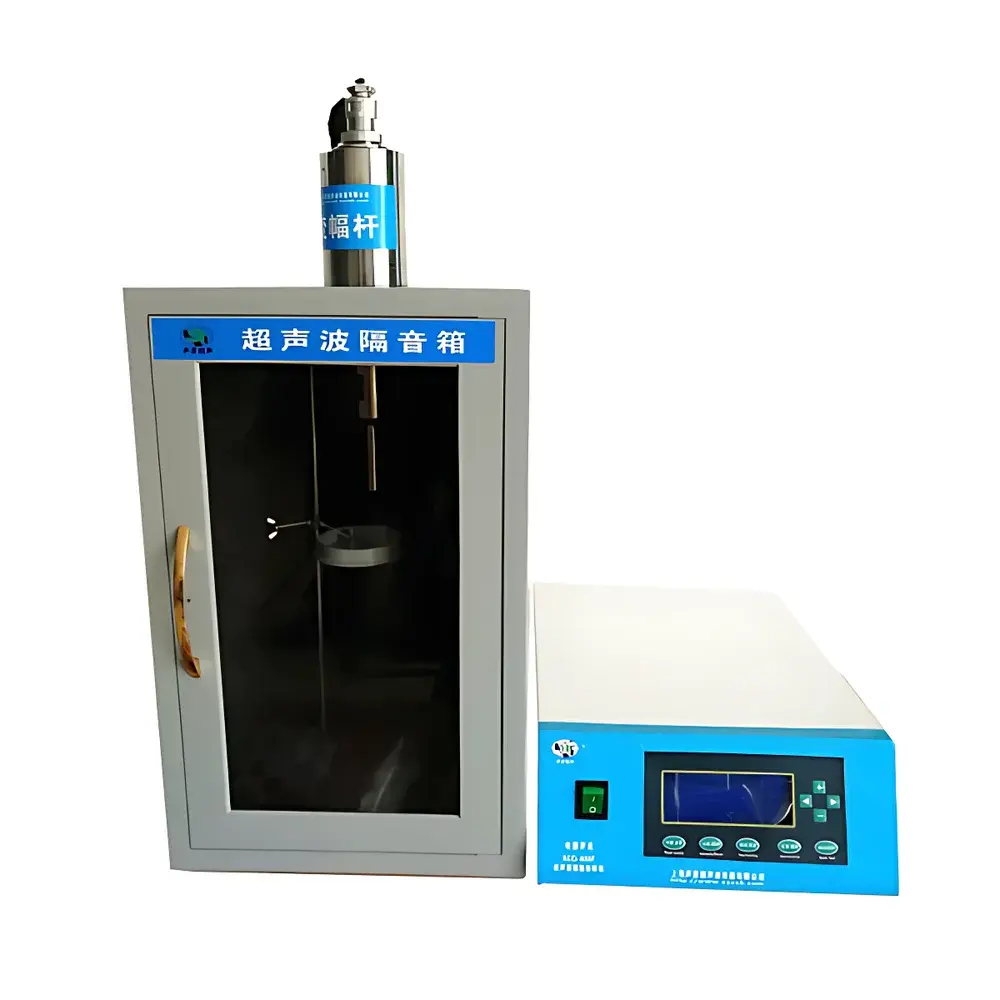
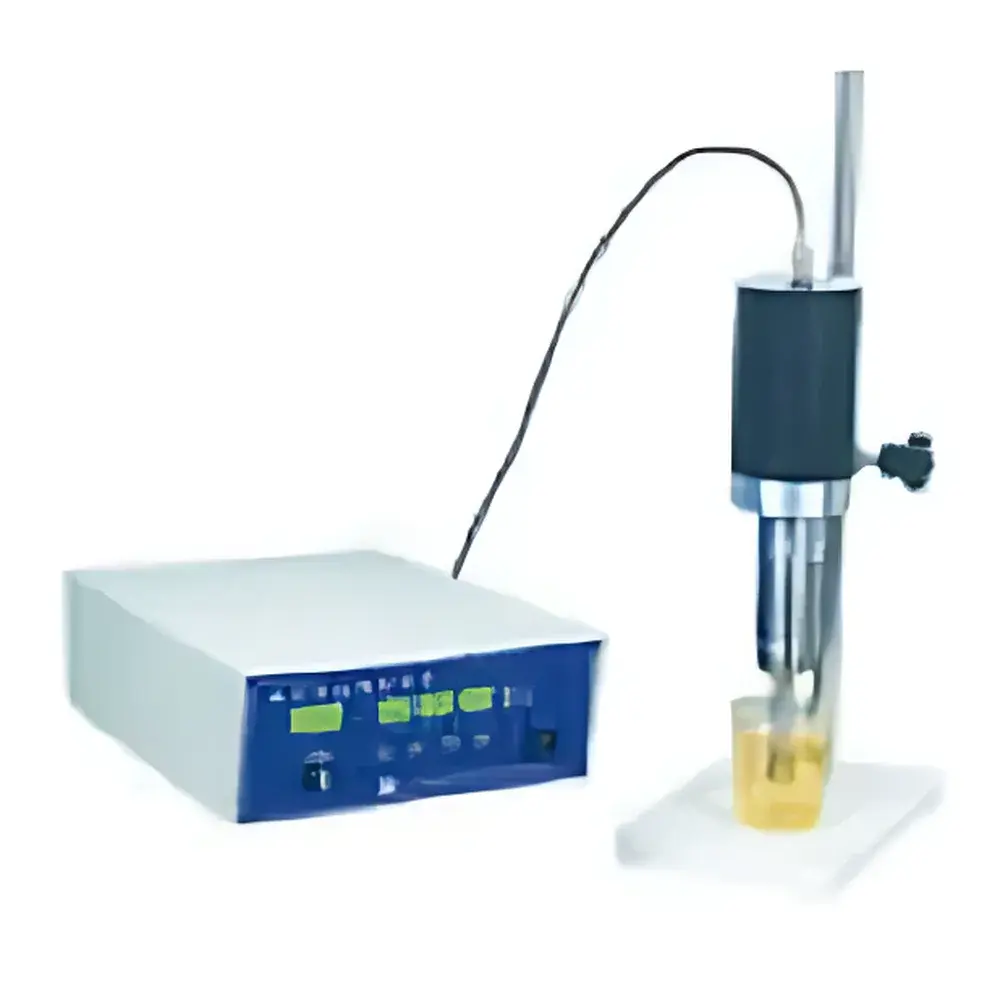
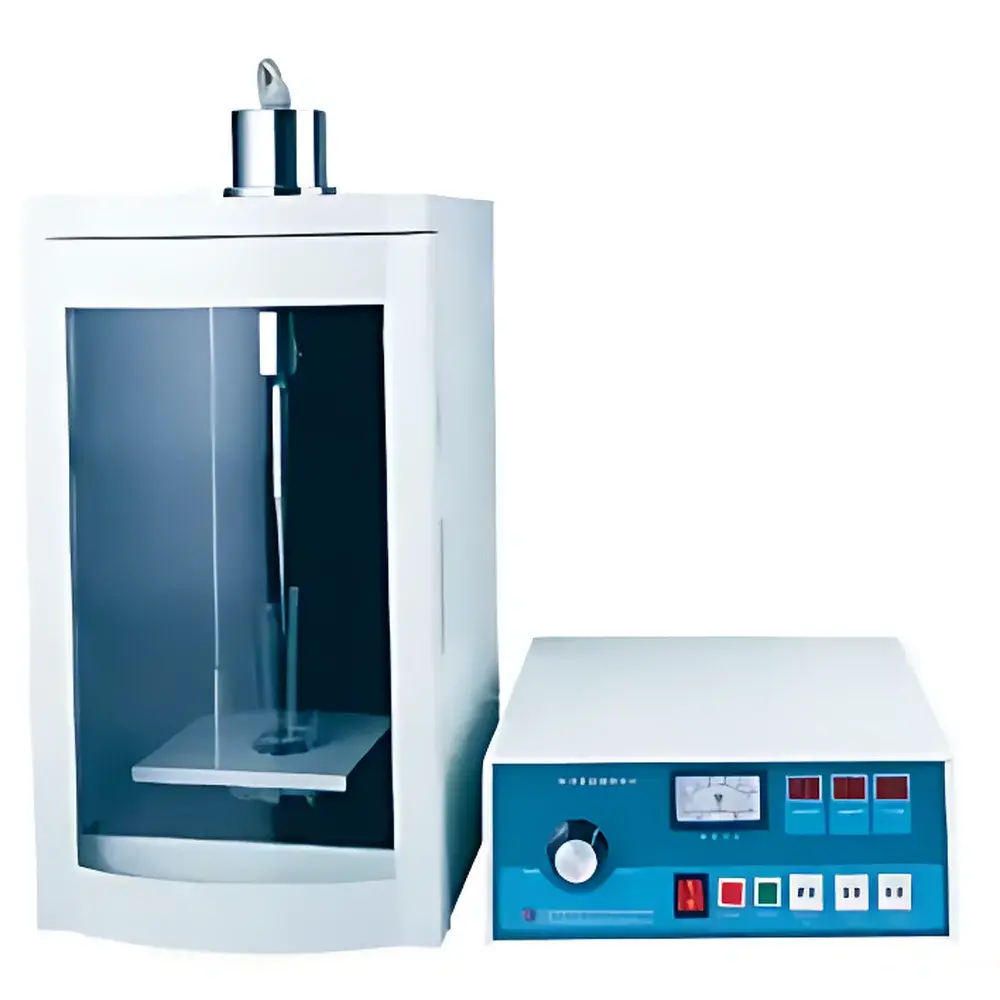
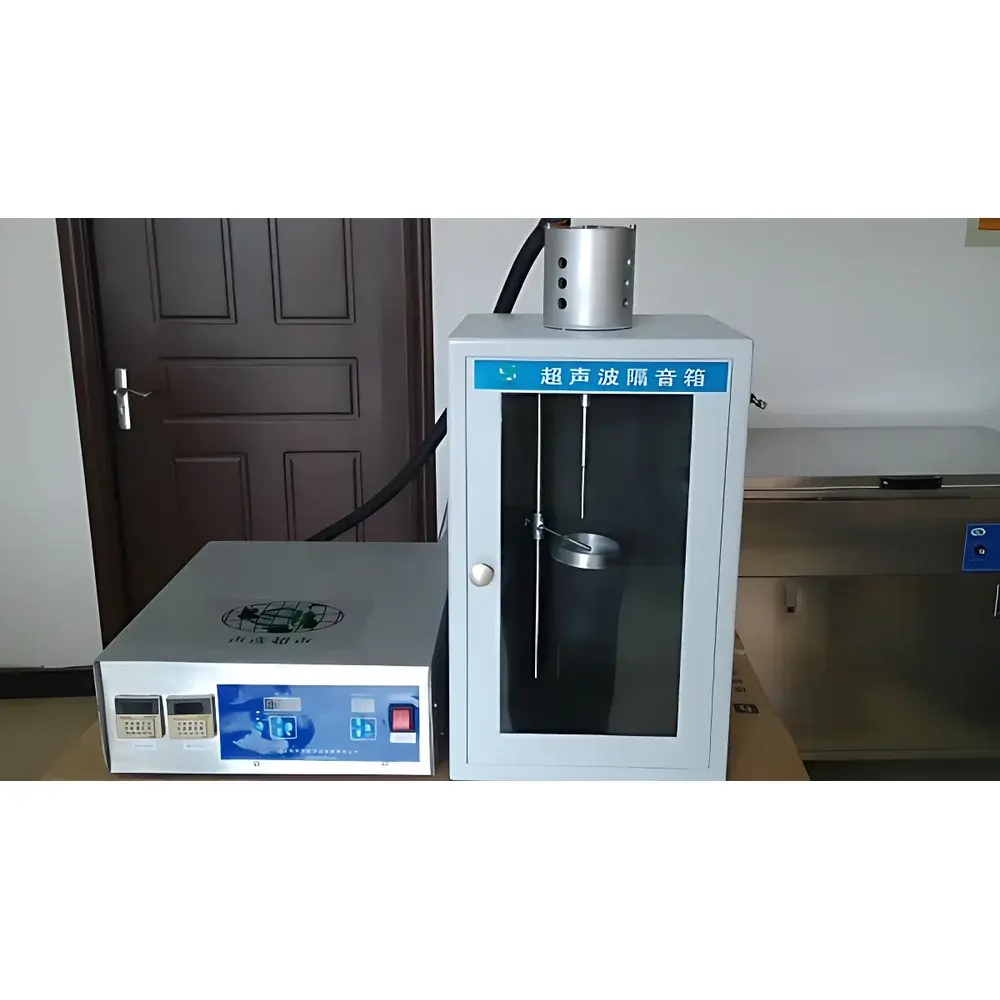
SYCS SCQ-600F Ultrasonic Cell Disruptor
| Brand | SYCS |
|---|---|
| Origin | Shanghai, China |
| Model | SCQ-600F |
| Ultrasonic Power | 600 W |
| Operating Frequency | 25 kHz / 28 kHz (switchable) |
| Sample Volume Range | 0.5–600 mL |
| Probe Tip Diameters Available | 5, 8, 10, 15, 20, 25, 30 mm |
| Timer Range | 1 s – 9 h 59 min 59 s |
| Temperature Control | Ambient only |
| Instrument Type | Ultrasonic Cell Disruptor |
| Warranty | 1 year (main unit), 6 months (replaceable probe) |
Overview
The SYCS SCQ-600F Ultrasonic Cell Disruptor is an engineered benchtop sonication system designed for controlled, reproducible cell lysis and sample homogenization in life science laboratories. It operates on the principle of high-intensity ultrasonic cavitation—where rapid pressure fluctuations in a liquid medium generate transient microbubbles that collapse violently, producing localized shear forces, microstreaming, and shockwaves. This physical mechanism enables efficient disruption of eukaryotic and prokaryotic cells, spores, tissues, and subcellular organelles without thermal degradation or chemical contamination. Unlike enzymatic or mechanical methods, ultrasonic disruption offers rapid, scalable, and tunable energy delivery, making it suitable for both routine sample preparation and demanding applications such as nucleic acid isolation, protein extraction, nanoparticle dispersion, and emulsion formation. The SCQ-600F is calibrated for consistent amplitude output across variable load conditions, ensuring high inter-run reproducibility in regulated environments.
Key Features
- 600 W nominal ultrasonic power output with continuous duty cycle capability and real-time amplitude stabilization
- Switchable operating frequency at 25 kHz or 28 kHz—optimized for broad compatibility with diverse biological matrices and suspension viscosities
- Interchangeable titanium alloy probes (tip diameters: 5–30 mm) enabling precise energy density control—from low-volume microsamples (0.5 mL) to high-throughput processing (up to 600 mL)
- Precision digital timer with resolution down to 1 second and programmable duration up to 9 hours 59 minutes 59 seconds
- Robust aluminum-alloy transducer housing with integrated cooling fins and overheat protection circuitry
- Front-panel intuitive interface with LED display, amplitude adjustment knob, and status indicators for operation mode, elapsed time, and fault codes
- No built-in temperature regulation; intended for ambient-temperature operation with optional external cooling jackets or ice-bath integration
Sample Compatibility & Compliance
The SCQ-600F supports a wide range of biological and non-biological samples including mammalian and plant cell suspensions, bacterial cultures (e.g., E. coli, Bacillus spp.), yeast, fungal mycelia, tissue homogenates, viral lysates, and colloidal dispersions of inorganic nanoparticles (e.g., TiO2, SiO2). Its probe-based architecture ensures direct energy coupling into viscous or particulate-laden media where bath-type systems exhibit diminished efficiency. While the instrument itself does not carry CE, UL, or FDA clearance, its operational parameters align with standard laboratory practices referenced in ISO 17025-accredited workflows. When used within validated protocols—including those compliant with USP <1043>, ASTM E2698-20 (standard guide for ultrasonic cleaning), and GLP documentation requirements—the SCQ-600F serves as a critical tool for sample prep in QC/QA, R&D, and preclinical research settings.
Software & Data Management
The SCQ-600F operates as a standalone hardware platform with no embedded software or network connectivity. All operational parameters are set manually via front-panel controls, eliminating firmware dependencies and ensuring long-term functional stability. For traceability in regulated environments, users may integrate the device into electronic lab notebooks (ELNs) or LIMS via manual entry of run logs—including probe type, amplitude setting (%), duration, sample volume, and operator ID. Optional third-party data acquisition modules (e.g., USB-connected power meters or thermal sensors) can be deployed externally to record real-time acoustic output or bath temperature when paired with cooling accessories. No Part 11-compliant audit trail is natively provided; however, the absence of internal storage or remote access simplifies 21 CFR Part 11 compliance validation when used under documented procedural controls.
Applications
- Cell lysis for genomic DNA, plasmid DNA, total RNA, and soluble protein extraction from cultured cells and harvested tissues
- Preparation of subcellular fractions (e.g., mitochondria, nuclei) through selective membrane disruption
- Dispersion and deagglomeration of nanomaterials in aqueous or organic solvents for TEM/SEM sample preparation
- Accelerated solvent extraction of bioactive compounds (e.g., polyphenols, alkaloids) from botanical matrices
- Emulsification of immiscible liquids (e.g., oil-in-water formulations) and homogenization of vaccine adjuvants
- Surface cleaning and particle removal from microfluidic devices or optical components prior to characterization
- Enhancement of enzymatic reaction kinetics via improved substrate accessibility in immobilized enzyme systems
FAQ
What is the recommended maintenance schedule for the ultrasonic probe?
Titanium probes require visual inspection before each use for pitting, erosion, or tip deformation. Clean immediately after use with ethanol or mild detergent; avoid abrasive scrubbing. Replace probes every 6–12 months depending on cumulative usage intensity and sample abrasiveness.
Can the SCQ-600F be operated continuously for extended periods?
Yes—provided adequate cooling is maintained (e.g., ice-water bath or recirculating chiller) and duty cycles do not exceed 70% (e.g., 7 s on / 3 s off) to prevent transducer overheating.
Is this instrument suitable for GMP-compliant manufacturing environments?
It may be incorporated into GMP workflows when operated under validated SOPs, with documented calibration of amplitude output using traceable reference standards (e.g., calorimetric or hydrophone-based verification).
Does the device support external triggering or automation interfaces?
No native RS-232, USB, or Ethernet ports are included; automation requires relay-based external control or custom mechanical actuation of the start/stop switch.
How does frequency selection (25 kHz vs. 28 kHz) affect performance?
25 kHz delivers higher cavitation intensity and greater shear force—ideal for tough cell walls (e.g., Gram-positive bacteria, plant tissues); 28 kHz provides finer bubble distribution and reduced foaming—preferred for sensitive proteins or low-viscosity suspensions.
Related Products




