
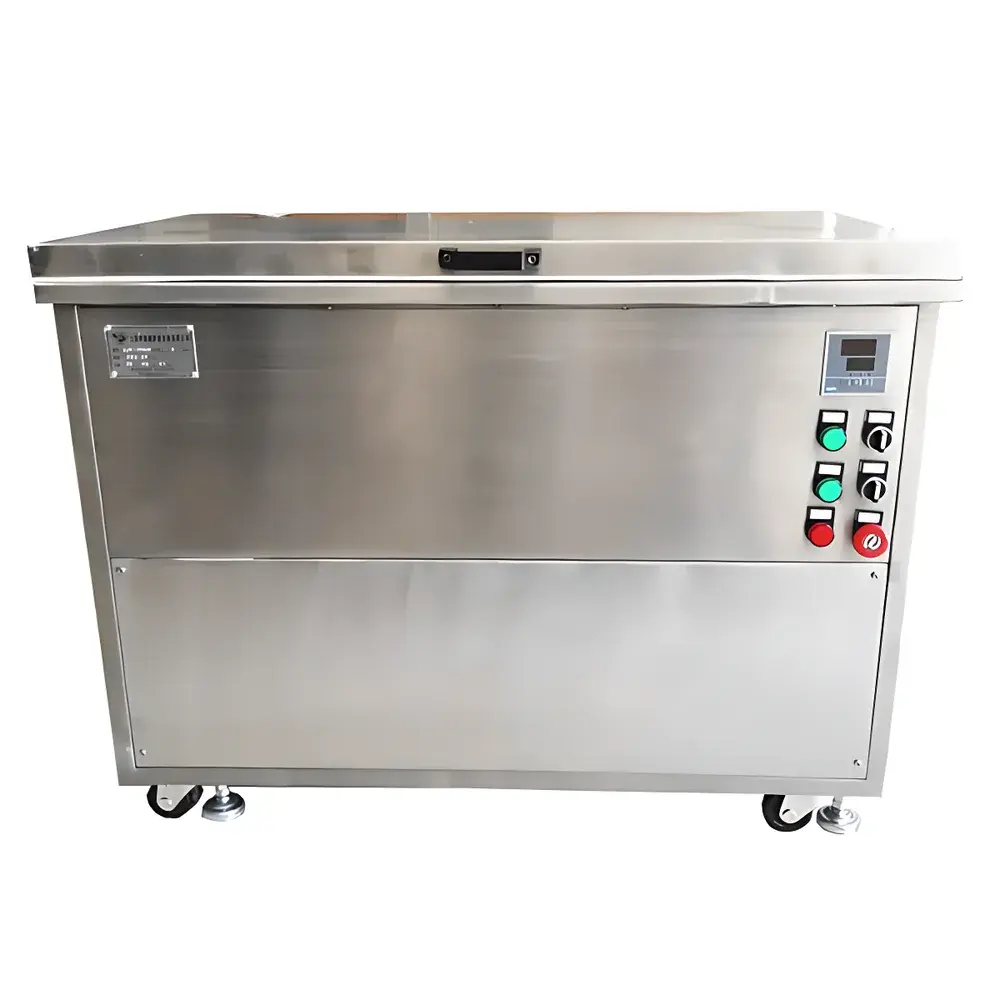
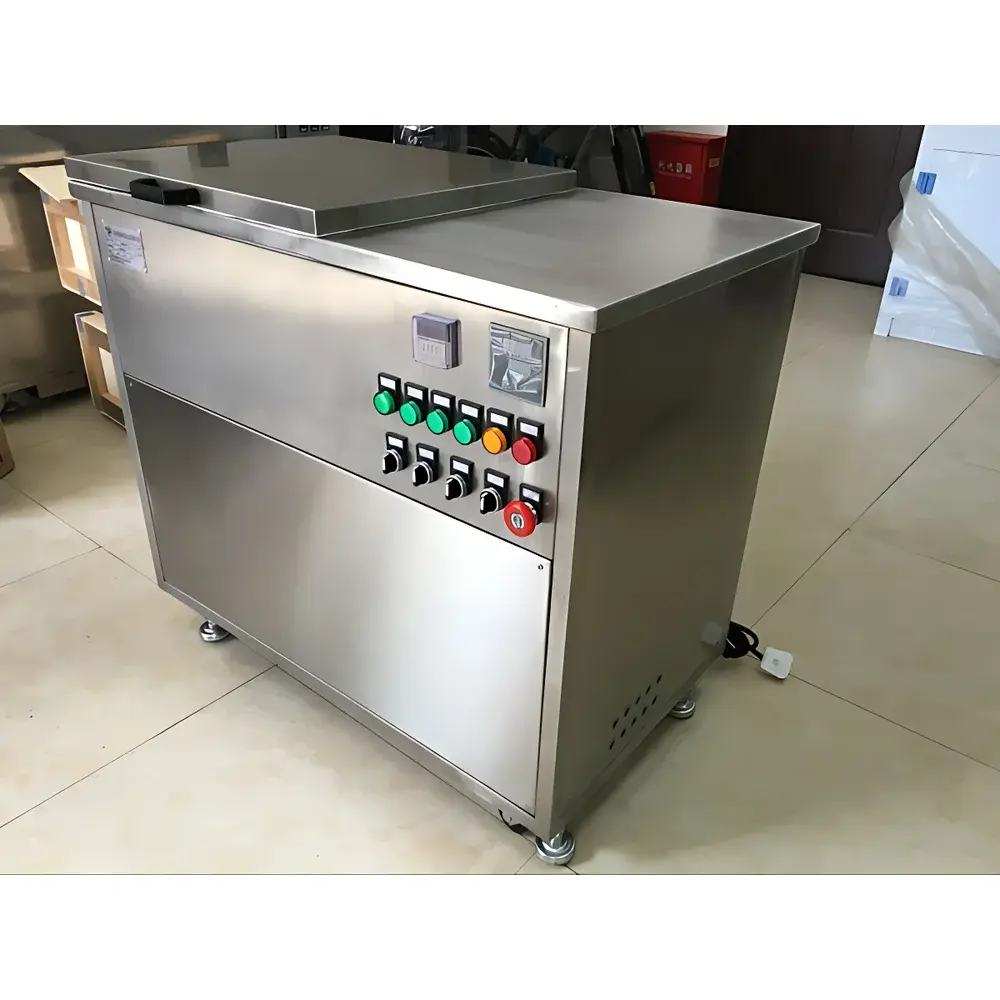
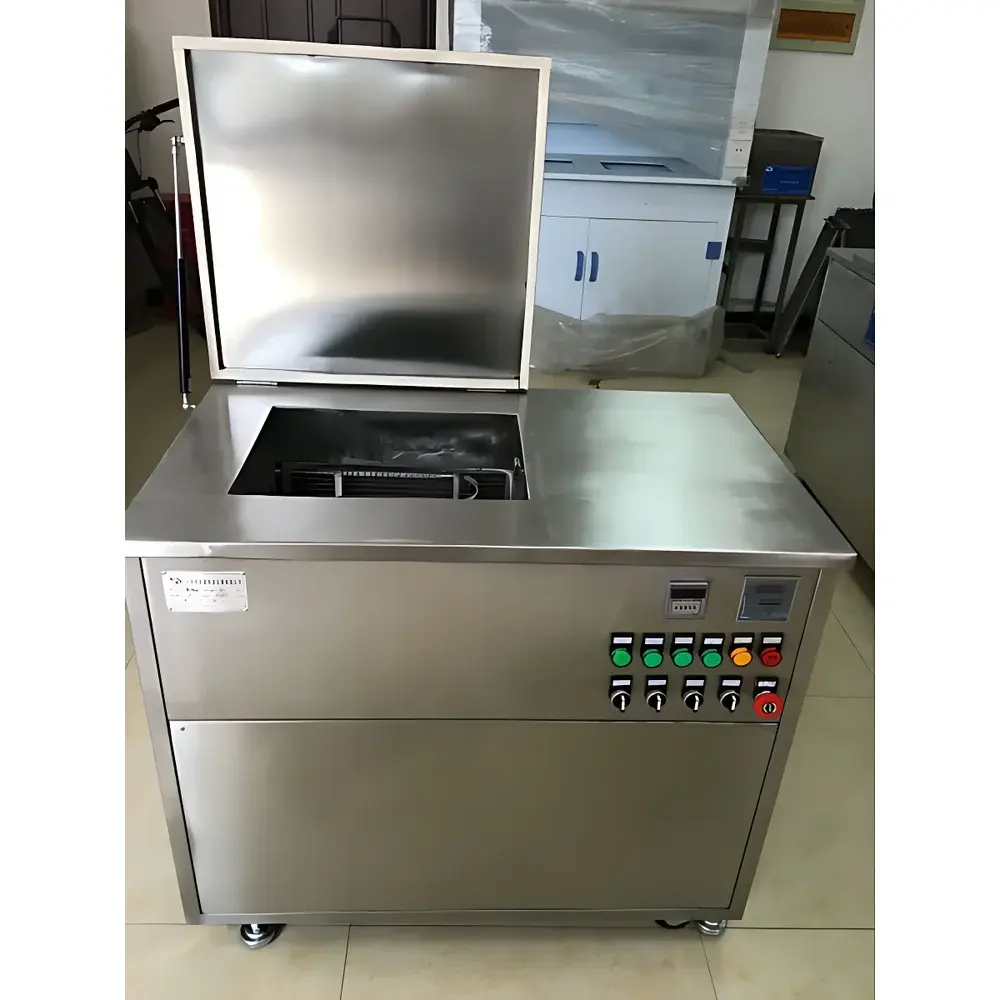
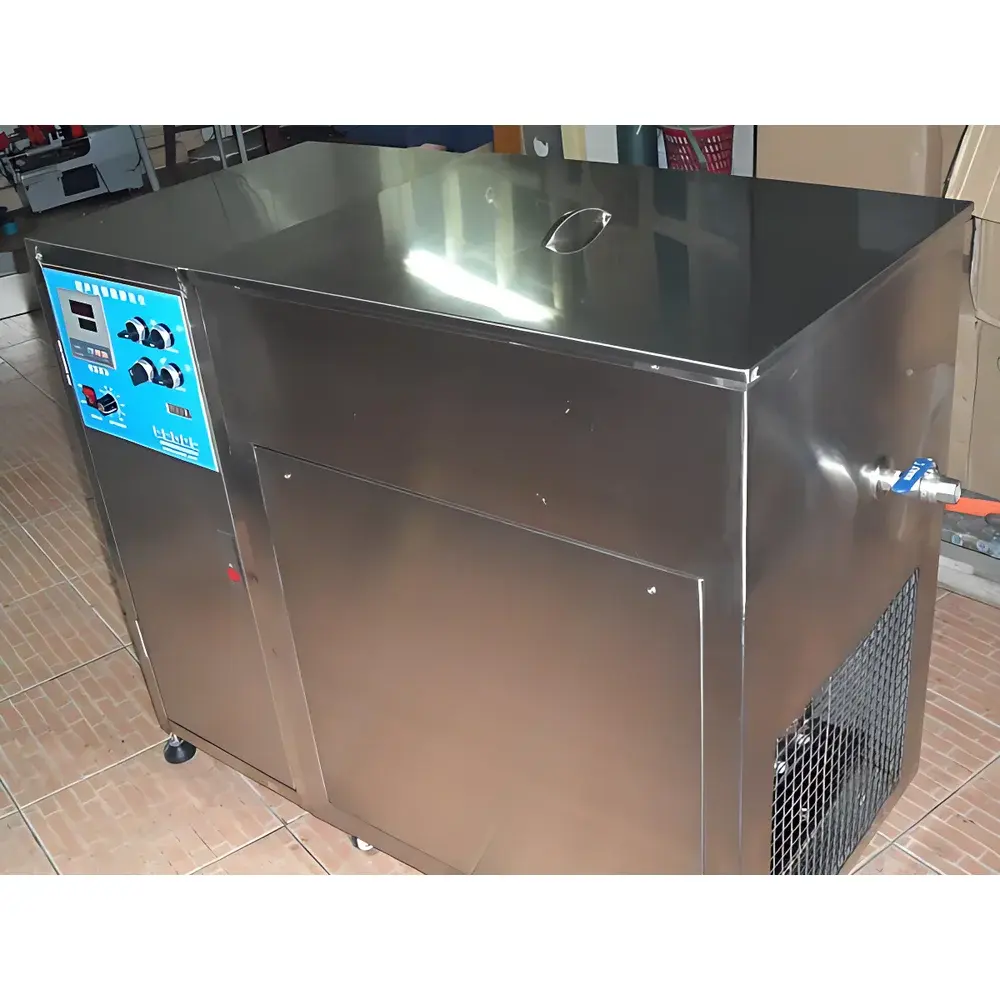
SYCS SCQ-H600A Ultrasonic Constant-Temperature Water Bath
| Brand | SYCS |
|---|---|
| Origin | Shanghai, China |
| Model | SCQ-H600A |
| Bath Volume | 20 L |
| Temperature Range | 0–100 °C |
| Temperature Stability | ±0.1 °C |
| Temperature Resolution | 0.1 °C |
| Heating Power | 1500 W |
| Cooling Power (Compressor) | 750 W |
| Ultrasonic Power | 400 W |
| Ultrasonic Frequency Options | 20 kHz / 25 kHz / 40 kHz (user-selectable) |
| Input Voltage | 220 V AC, 50 Hz |
| Timer Range | 1–600 min |
| Circulation Type | Internal & External |
| Construction | Full SUS304 Stainless Steel (2.0 mm thickness) |
| Drain Valve | Yes |
| Sound-Dampening Lid & Stainless Steel Basket | Included |
| Control Interface | Microprocessor-based with LCD display |
Overview
The SYCS SCQ-H600A Ultrasonic Constant-Temperature Water Bath integrates precise thermal regulation with high-intensity ultrasonic energy delivery in a single, robust platform engineered for reproducible laboratory processes. Unlike conventional water baths, this system employs dual-mode temperature control—combining Peltier-assisted or compressor-based active cooling (750 W) with 1500 W resistive heating—to maintain setpoint stability within ±0.1 °C across its full 0–100 °C operating range. Simultaneously, it delivers calibrated ultrasonic cavitation via a transducer operating at user-selectable frequencies (20 kHz, 25 kHz, or 40 kHz), enabling controlled acoustic energy input into samples immersed in the 20 L SUS304 stainless steel tank (400 × 300 × 180 mm internal dimensions). The unit’s architecture follows ISO/IEC 17025-aligned design principles for laboratory equipment, emphasizing thermal uniformity, mechanical durability, and operational traceability—critical for applications requiring strict process adherence under GLP or GMP frameworks.
Key Features
- Full SUS304 stainless steel construction (2.0 mm gauge) for corrosion resistance, chemical compatibility, and long-term structural integrity in demanding lab environments.
- Active dual-mode temperature control: compressor-driven refrigeration (R134a-free, eco-compliant) combined with high-wattage heating ensures rapid ramping and tight stabilization (±0.1 °C) without overshoot or drift.
- Digitally tunable ultrasonic output (400 W nominal) with frequency selection (20/25/40 kHz) to match sample viscosity, particle size, and reaction kinetics—enabling optimization of sonochemical efficiency per application protocol.
- Microprocessor-based controller with backlit LCD interface supports independent programming of temperature setpoint, ultrasonic duty cycle, and timer duration (1–600 minutes), with non-volatile memory retention.
- Dual circulation system (internal recirculation + external pump port) facilitates integration with external reactors, condensers, or inline sensors while maintaining bath homogeneity.
- Included accessories: sound-dampening lid (reducing airborne noise to <65 dB(A)), perforated stainless steel basket (for sample suspension), and bottom-mounted drain valve for rapid, spill-free fluid exchange.
Sample Compatibility & Compliance
The SCQ-H600A accommodates a wide range of sample formats—including glass vials, reaction flasks (up to 1 L), enzymatic cuvettes, and solid-phase extraction cartridges—within its open-bath geometry and adjustable basket support. Its inert stainless-steel wetted surfaces comply with USP and ASTM F899 standards for metallic biomaterial contact. Temperature calibration is traceable to NIST-certified references, and the system supports audit-ready operation when configured with optional data logging modules compliant with FDA 21 CFR Part 11 requirements (electronic signatures, change history, user access controls). All electrical components meet IEC 61010-1 safety standards for laboratory equipment; CE marking is available upon request for EU market deployment.
Software & Data Management
While the base SCQ-H600A operates via standalone front-panel control, optional RS485 or USB-C interfaces enable connection to SYCS LabLink™ software (Windows-compatible). This application provides real-time monitoring of bath temperature, ultrasonic power delivery status, elapsed time, and error logs. Users may export timestamped CSV files containing second-resolution thermal profiles and event-triggered annotations (e.g., “ultrasound ON,” “temperature stabilized”). For regulated environments, the software supports configurable audit trails, role-based permissions, and PDF report generation aligned with ISO/IEC 17025 documentation requirements.
Applications
- Controlled sonochemical synthesis: acceleration of esterification, hydrolysis, and nanoparticle nucleation under thermally stabilized conditions.
- Temperature-sensitive biomolecule processing: gentle cell lysis, plasmid DNA shearing, and protein solubilization with minimized thermal denaturation risk.
- Phytochemical extraction: enhanced mass transfer during hot-water or ethanol-based botanical extraction (e.g., polysaccharides, flavonoids, alkaloids).
- Calibration and validation: serving as a stable thermal reference source for thermometer, probe, and IR camera verification per ASTM E74 or ISO 17025 clause 5.10.
- Precision cleaning of optical components, microfluidic chips, and analytical instrumentation parts where particulate removal must occur without mechanical abrasion.
FAQ
What ultrasonic frequency should I select for my application?
Frequency selection depends on cavitation bubble dynamics: 20 kHz offers higher energy per cycle and is optimal for macro-scale dispersion and cleaning; 40 kHz provides finer, more uniform cavitation suitable for delicate biological samples or nanomaterial exfoliation.
Can the SCQ-H600A be integrated into automated workflows?
Yes—via optional analog (0–5 V) or digital (Modbus RTU over RS485) I/O, enabling synchronization with PLCs, robotic arms, or LIMS platforms for unattended batch processing.
Is external temperature calibration supported?
The unit includes a PT100 sensor port for third-party probe insertion, allowing independent verification against certified reference thermometers per ISO/IEC 17025 calibration procedures.
Does the system meet environmental compliance for refrigerant use?
Yes—the hermetic compressor uses R290 (propane), a natural hydrocarbon refrigerant with zero ozone depletion potential (ODP = 0) and global warming potential (GWP = 3), fully compliant with EU F-Gas Regulation (EU) No 517/2014.
What maintenance intervals are recommended?
Biannual inspection of ultrasonic transducer coupling integrity, annual descaling of heating elements using citric acid solution, and quarterly verification of temperature stability using a calibrated reference thermometer.
Related Products



