
TaiKun TK-2020-PM2.5 Radioactive Aerosol Sampling System
| Brand | TaiKun |
|---|---|
| Origin | USA |
| Model | TK-2020-PM2.5 |
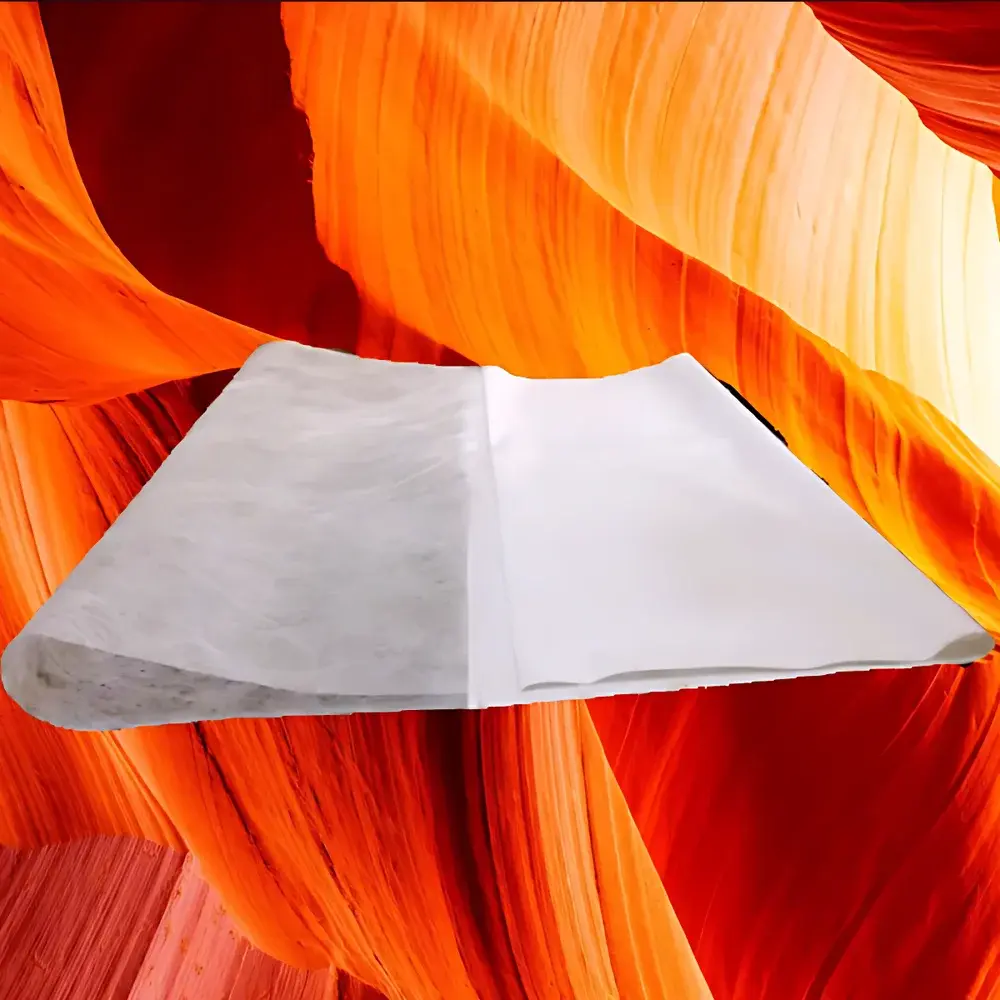
| Filter Material | Electrostatically Charged Polypropylene |
| Basis Weight | 40 g/m² |
| Thickness | 0.2 mm |
| Filtration Efficiency | 99.995% (NaCl, 0.3–0.5 µm, face velocity 0.1 m/s, test area 50 cm²) |
| Pressure Drop | 137 Pa (same test conditions) |
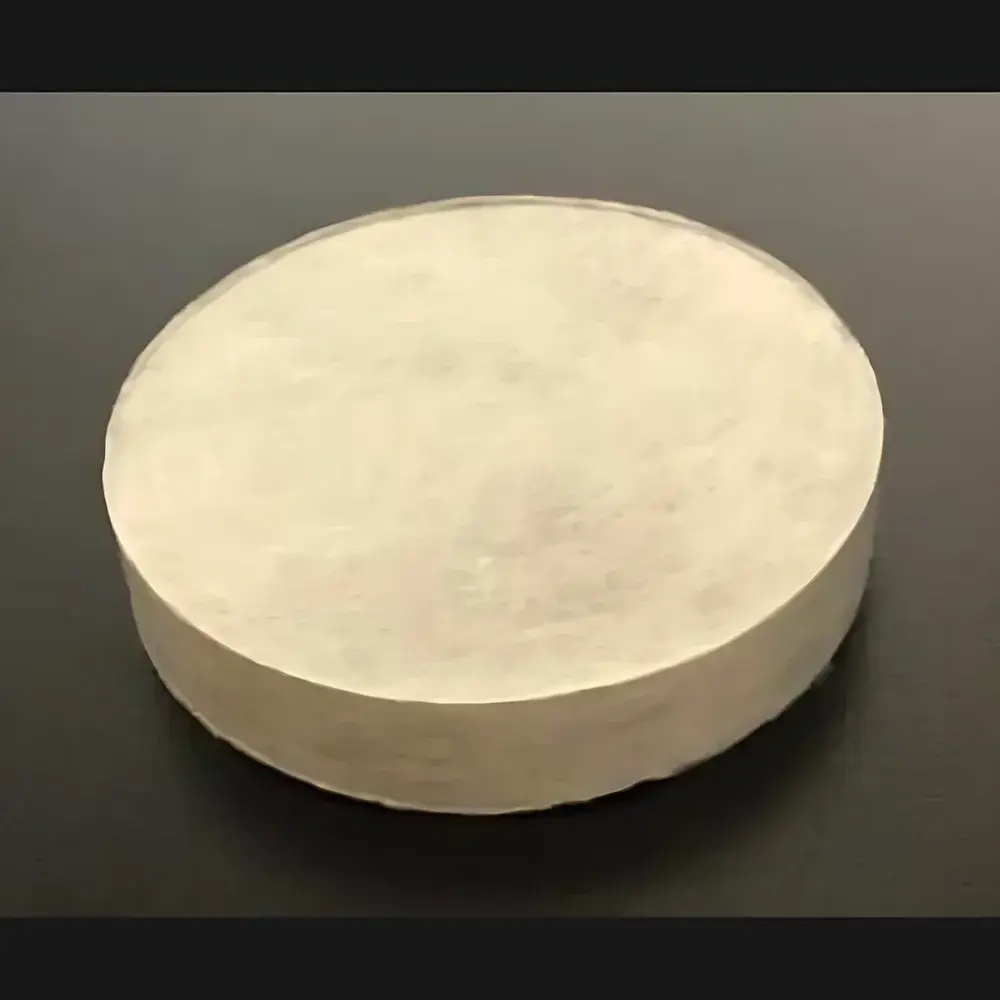
| Filter Geometry | Customizable shape and size per client specification |
Overview
The TaiKun TK-2020-PM2.5 Radioactive Aerosol Sampling System is a high-performance, field-deployable aerosol collection platform engineered for quantitative capture of airborne particulate matter ≤2.5 µm in aerodynamic diameter—including radioactive isotopes such as 210Po, 137Cs, and 239Pu-bearing aerosols—under ambient or controlled environmental conditions. Unlike passive deposition or impaction-based samplers, this system employs a precisely calibrated volumetric air pump coupled with an electrostatically enhanced polypropylene membrane filter, operating on the principle of combined inertial impaction, diffusion, and permanent electrostatic attraction. The design conforms to ISO 21501-4 (determination of particle size distribution), ASTM D1357 (standard practice for sampling atmospheric particulate matter), and supports compliance with EPA Method IO-3.1 (radioactive aerosol monitoring) when integrated into validated sampling protocols. Its primary function is to deliver gravimetrically stable, analytically recoverable samples suitable for alpha spectrometry, gamma spectroscopy, or ICP-MS quantification.
Key Features
- Electrostatically charged polypropylene filtration medium with permanent surface charge retention—no decay over time or humidity fluctuations, ensuring consistent collection efficiency across extended sampling durations (up to 72 hours at 16.7 L/min).
- Optimized fiber morphology: uniform sub-micron fiber distribution (mean fiber diameter ~2.1 µm) enables high-efficiency capture of particles in the 0.3–2.5 µm range while maintaining low pressure drop (<150 Pa at standard test conditions).
- Open-structure matrix architecture provides high dust-holding capacity (>15 mg/cm² loading tolerance before breakthrough), minimizing flow degradation during long-term deployments in high-particulate environments.
- Ultra-thin profile (0.2 mm thickness) reduces blank contribution and facilitates complete acid digestion or solvent extraction without membrane fragmentation—critical for low-background radiochemical analysis.
- RoHS-compliant construction with zero halogenated flame retardants or heavy-metal additives, eliminating spectral interference during gamma-ray spectrometry and preventing leaching artifacts in liquid scintillation counting.
- Modular filter holder compatible with standard 47 mm and 37 mm cassette formats, as well as custom-cut geometries (e.g., rectangular 50 × 70 mm for cascade impactor integration).
Sample Compatibility & Compliance
The TK-2020-PM2.5 system accommodates both gravimetric and radiometric analysis workflows. Filters are certified non-autofluorescent and exhibit negligible alpha/beta background (≤0.008 cpm/cm²), validated per ANSI N13.1-2019 Annex B. The material demonstrates chemical resistance to nitric acid (up to 8 M), hydrochloric acid (6 M), and hydrogen peroxide (30%), enabling full dissolution for isotopic ratio measurements. It meets the mechanical stability requirements of ISO/IEC 17025-accredited laboratories for filter handling under GLP conditions. Documentation includes full traceability to NIST-traceable mass calibration standards and batch-specific efficiency certification reports.
Software & Data Management
While the TK-2020-PM2.5 is a hardware-only sampling device (no embedded electronics), it integrates seamlessly with industry-standard data acquisition platforms including Thermo Fisher AirChek TOUCH, TSI SidePak AM510, and GRIMM EDM 180. All filter lot numbers are encoded in QR-tagged packaging for audit-ready chain-of-custody logging. Digital certificates of conformance (CoC) and efficiency validation reports are provided in PDF/A-1b format, compliant with FDA 21 CFR Part 11 requirements for electronic records when stored on validated laboratory information management systems (LIMS).
Applications
- Environmental radiation monitoring around nuclear facilities, uranium processing sites, and legacy waste repositories.
- Occupational health surveillance in radiopharmaceutical manufacturing, cyclotron operation, and nuclear medicine departments.
- Baseline aerosol characterization in cleanroom validation (ISO Class 5–8) where low-Z particulate interference must be excluded from alpha spectrometry.
- Atmospheric transport modeling of radionuclide dispersion following accidental releases—paired with meteorological data loggers and GPS-synchronized timers.
- Method development for regulatory submissions under IAEA Safety Standards Series No. RS-G-1.8 and EU Council Directive 2013/59/Euratom.
FAQ
Is the TK-2020-PM2.5 filter suitable for alpha-emitting radionuclides such as 239Pu and 241Am?
Yes—the electrostatic charge enhances retention of low-mass, high-charge-state particles typical of alpha-emitting aerosols, and the polypropylene matrix exhibits minimal recoil loss during subsequent alpha spectrometry.
Can these filters be used in high-humidity environments (>80% RH)?
Yes—permanent electrostatic charge remains stable up to 95% RH; no measurable efficiency decline observed after 48-hour exposure at 35°C/90% RH per ASTM D726-16.
Does the filter require pre-conditioning or ashing prior to analysis?
No—polypropylene is fully soluble in hot chloroform or xylene; ashing is not recommended due to potential volatilization of volatile radionuclides (e.g., 210Po).
What is the shelf life of unopened filter packs?
Five years from date of manufacture when stored at 15–25°C and <60% RH in original aluminum-laminated packaging.
Are custom cut-to-size filters available with NIST-traceable efficiency certification?
Yes—custom geometries (including 25 mm, 37 mm, 47 mm, and rectangular formats) are available with individual batch certification and uncertainty budgets per ISO/IEC 17025.
Related Products







