
TCT SHEV1000 Integrated Vehicle-Emission Intelligence Platform for “Sky-Ground-Vehicle-Person” Environmental Supervision
| Brand | TCT (Xiamen Tongchuang) |
|---|---|
| Model | SHEV1000 |
| Origin | Fujian, China |
| Type | Online Fixed-Station Emission Monitoring Platform |
| Application Scope | Heavy-Duty Diesel Vehicles, Non-Road Mobile Machinery (NRMM), Refueling Stations, I/M Facilities, Roadside Inspection Sites |
| Compliance Framework | Designed for integration with China’s MEP (MEE) regulatory systems including HJ 1237–2021, HJ 1289–2023, and GB 3847–2018 |
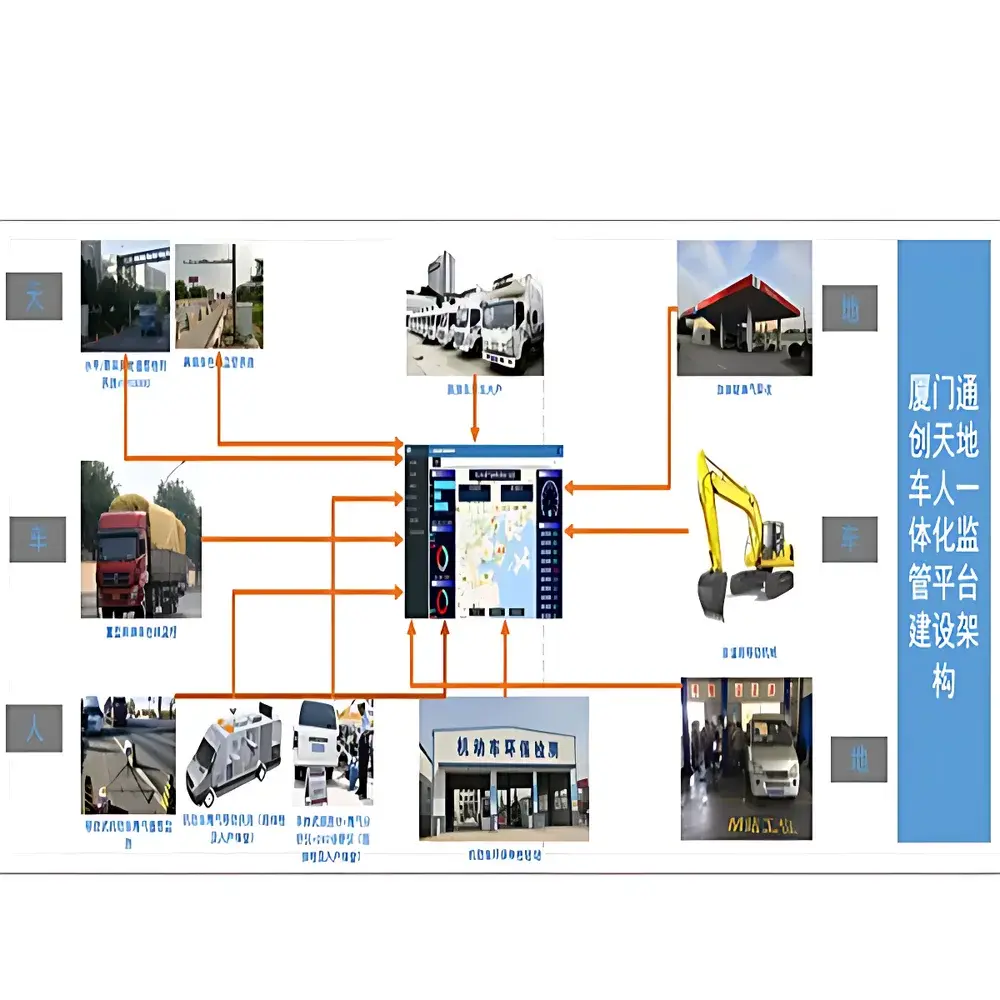
| Data Architecture | Cloud-Native, Multi-Source Federated Ingestion (OBD, RSU, Remote Sensing, Vapor Recovery Sensors, Lab Test Reports) |
| Deployment Mode | On-Premise or Hybrid Cloud |
| Cybersecurity | Meets GB/T 22239–2019 (China’s Hierarchical Protection 2.0 Level 3) |
Overview
The TCT SHEV1000 Integrated Vehicle-Emission Intelligence Platform is a regulatory-grade environmental supervision system engineered to implement China’s “Sky-Ground-Vehicle-Person” (SGVP) emission governance framework. Unlike conventional gas analyzers or standalone remote sensing units, the SHEV1000 functions as a centralized, interoperable data orchestration platform—designed not to measure exhaust gases at the sensor level, but to aggregate, normalize, correlate, and audit emissions-related telemetry from heterogeneous sources across multiple enforcement domains. Its architecture ingests real-time OBD-II and CAN bus data from heavy-duty diesel vehicles; infrared/UV spectral signatures from roadside remote sensing devices (RSUs); vapor concentration logs from gasoline station vapor recovery monitoring systems; diagnostic reports from certified I/M (Inspection & Maintenance) facilities; and geotagged inspection records from mobile enforcement units. The platform applies deterministic rule engines and statistical outlier detection—not AI black-box modeling—to identify non-compliant operation patterns, such as tampered aftertreatment systems, repeated high-emission events under load, or refueling anomalies indicative of illicit fuel handling. It operates under strict alignment with China’s Ministry of Ecology and Environment (MEE) technical specifications, including HJ 1237–2021 (for HDV OBD remote reporting), HJ 1289–2023 (for NRMM telematics), and GB 3847–2018 (opacity and NOx verification protocols).
Key Features
- Heavy-Duty Vehicle Remote OBD Supervision Module: Supports mandatory CAN message parsing per MEE standard HJ 1237–2021—including DTC status, SCR/DPF regeneration cycles, NOx sensor voltage drift, and urea dosing history—with automated alerting on parameter deviation thresholds.
- Non-Road Mobile Machinery (NRMM) Telemetry Integration: Accepts GPS-tracked operational hours, engine load profiles, and emission control status from Tier III/IV compliant construction and agricultural equipment via standardized M-Bus or LoRaWAN gateways.
- Refueling Station Vapor Recovery Monitoring Interface: Aggregates real-time hydrocarbon concentration (ppmC) and pressure differential data from Stage II vapor recovery systems, cross-referencing pump transaction logs to detect bypass or seal failure events.
- Roadside Remote Sensing Data Fusion Engine: Normalizes optical absorption spectra (220–250 nm UV + 3.3–4.5 µm IR) from multiple RSU vendors into unified NO, CO, HC, and PM2.5 equivalent outputs using NIST-traceable calibration reference curves.
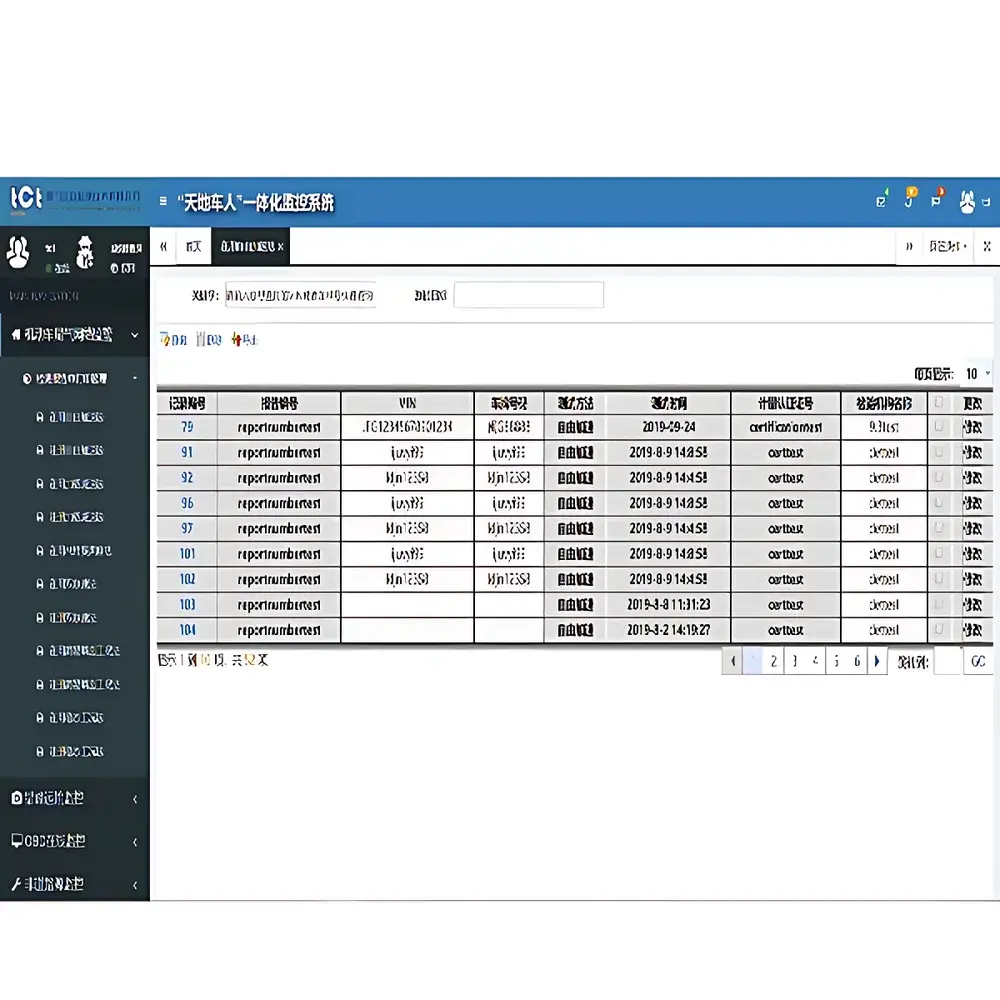
- I/M Facility Audit Trail Management: Enforces digital chain-of-custody for every emissions test—capturing technician ID, equipment calibration certificate expiry, ambient temperature/humidity, and raw analyzer output—ensuring full traceability under GLP-aligned recordkeeping.
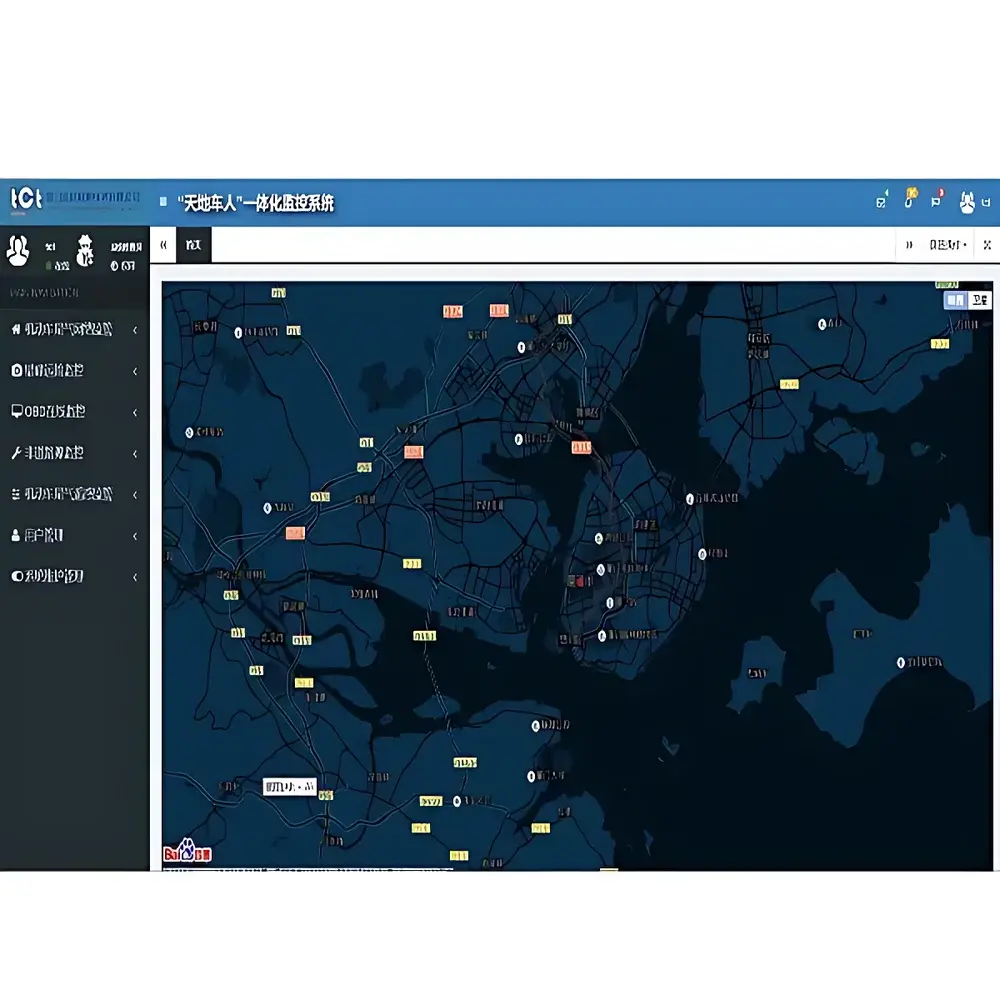
- Dynamic Electronic Geofencing: Enables jurisdictional policy enforcement via GIS-based virtual boundaries—e.g., low-emission zones (LEZs), construction site access controls, or emergency traffic restriction triggers during red-alert smog episodes.
- “One-Vehicle-One-File” Emission Lifecycle Repository: Maintains longitudinal emission behavior profiles—integrating roadside passes, repair histories, fuel purchase records, and inspection outcomes—to support root-cause analysis of persistent non-conformity.
Sample Compatibility & Compliance
The SHEV1000 platform does not perform primary gas-phase measurement; instead, it governs data integrity, semantic interoperability, and regulatory compliance across third-party analytical hardware. It is compatible with all MEE-certified remote sensing units (e.g., OPUS, Envirotest, Horiba ONR), OBD telematics modules compliant with GB/T 32960–2016, vapor recovery monitors meeting GB 20952–2020, and I/M analyzers validated under JJG 976–2017. All data ingestion pipelines enforce ISO/IEC 17025-aligned metadata tagging—including instrument ID, calibration date, uncertainty budget, and environmental conditioning parameters. The platform supports audit-ready export for MEE provincial supervision centers and satisfies requirements for periodic GLP/GMP-style internal audits per China’s “Environmental Monitoring Quality Management Specifications” (HJ 630–2011).
Software & Data Management
Built on a containerized microservices architecture (Kubernetes-managed), the SHEV1000 employs PostgreSQL with TimescaleDB extensions for time-series telemetry storage and Apache Flink for stateful stream processing. All user actions—including report generation, threshold adjustment, and alert suppression—are logged with immutable timestamps, operator credentials, and IP provenance in accordance with GB/T 22239–2019 Level 3 cybersecurity mandates. Role-based access control (RBAC) enforces separation between provincial MEE administrators, municipal enforcement officers, and third-party I/M lab technicians. Exported datasets include embedded digital signatures compliant with China’s Electronic Signature Law, enabling direct submission to national platforms such as the National Motor Vehicle Pollution Control Information System (NMPCIS). No raw sensor firmware or proprietary binary formats are stored; only standardized JSON-LD payloads conforming to MEE’s “Environmental Data Exchange Specification” (HJ 757–2015) are retained.
Applications
- Provincial-level MEE offices deploying integrated HDV fleet compliance dashboards aligned with China’s “Blue Sky Defense Campaign” Phase III targets.
- Municipal ecological environment bureaus conducting correlation analysis between roadside NOx hotspots and localized traffic flow patterns to prioritize LEZ expansion.
- State-owned port authorities monitoring NRMM emissions across dockside operations to meet IMO Tier III-equivalent local air quality agreements.
- Provincial transport departments auditing I/M facility performance metrics—including false-pass rates, turnaround time variance, and calibration adherence—to inform licensing renewals.
- Emergency response coordination centers activating dynamic vehicle restrictions during AQI > 200 episodes using real-time OBD-based emission intensity scoring.
FAQ
Does the SHEV1000 include built-in gas analyzers or remote sensing hardware?
No. The SHEV1000 is a supervisory data integration and compliance analytics platform—not a physical measurement device. It requires connection to certified third-party analyzers, RSUs, OBD gateways, and vapor recovery monitors.
Is the platform certified for use in MEE provincial monitoring centers?
Yes. It has undergone formal interoperability testing per MEE Document No. 2022-48 and is listed in the “Recommended List of Environmental Monitoring Information Systems” (2023 Edition).
Can historical data from legacy I/M systems be migrated into the SHEV1000 repository?
Yes. The platform provides ETL tools supporting CSV, XML, and database dump ingestion with schema mapping to HJ 757–2015 metadata standards.
What cybersecurity certifications does the software hold?
It complies with GB/T 22239–2019 (Level 3), passed third-party penetration testing by China Information Technology Security Evaluation Center (CNITSEC), and supports SM4 encryption for data-at-rest and TLS 1.3 for data-in-transit.
Is cloud deployment supported, or is on-premise installation mandatory?
Both options are available. Hybrid deployments—where sensitive OBD telemetry resides on-premise while public-facing dashboards run in MEE-approved government cloud environments—are most commonly implemented.







