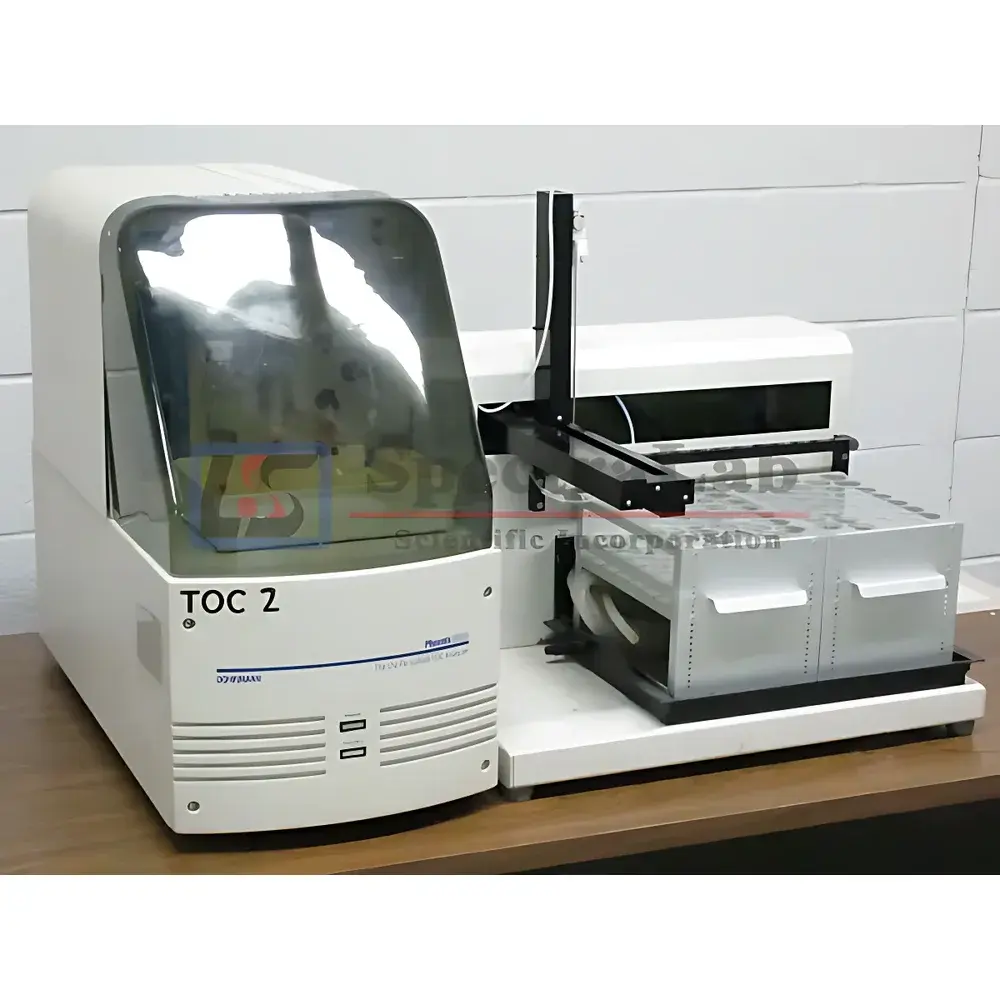
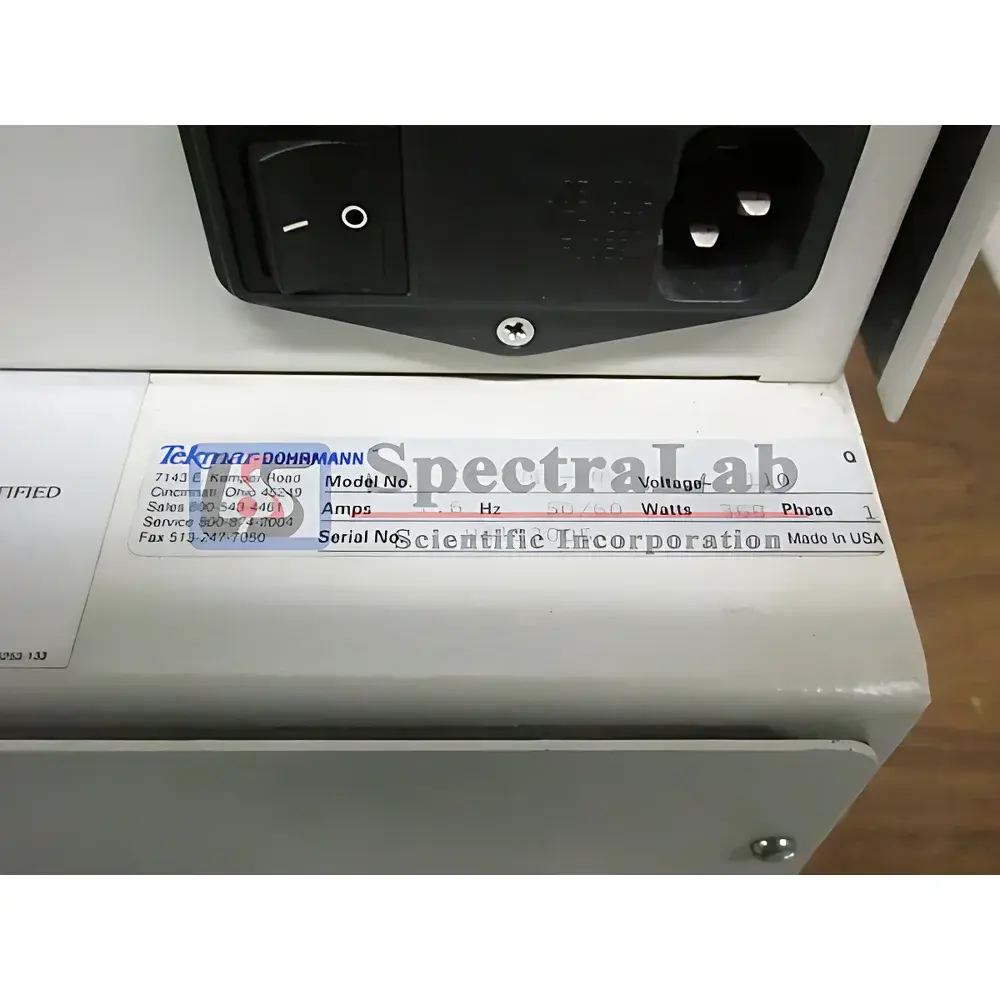
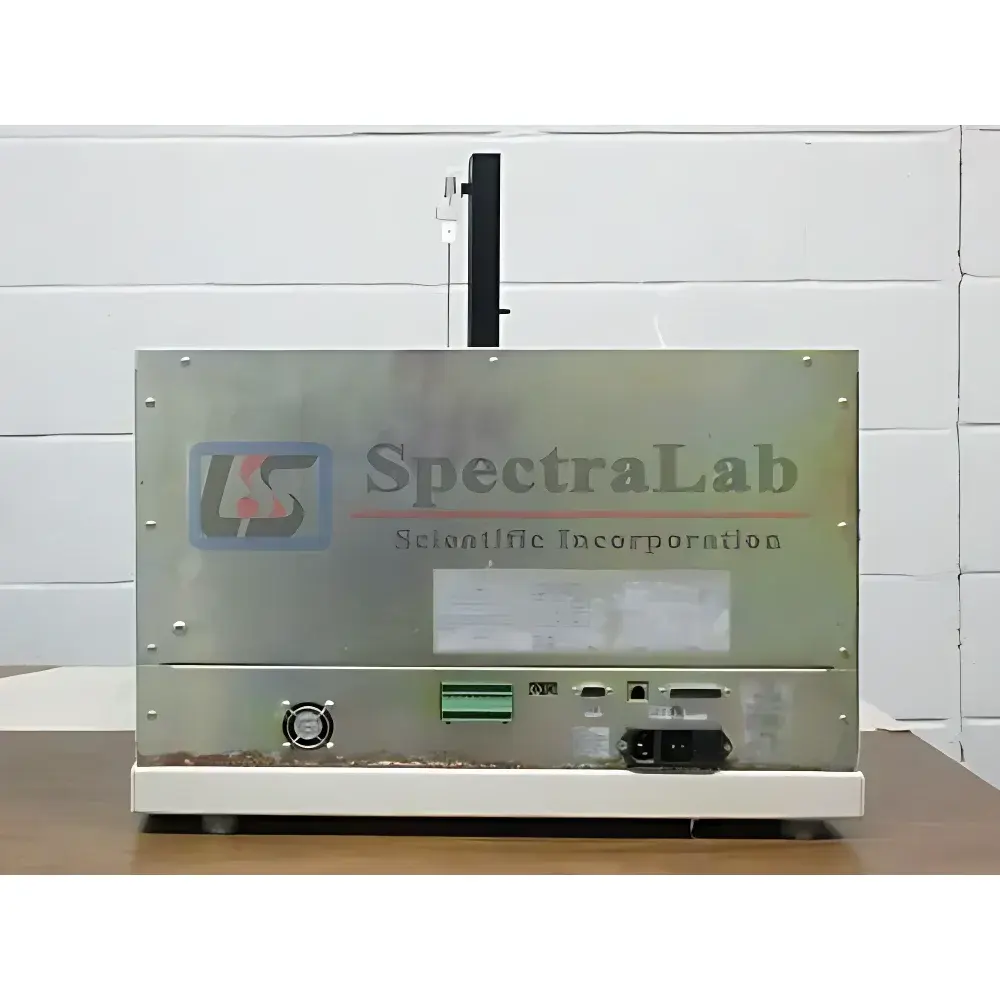
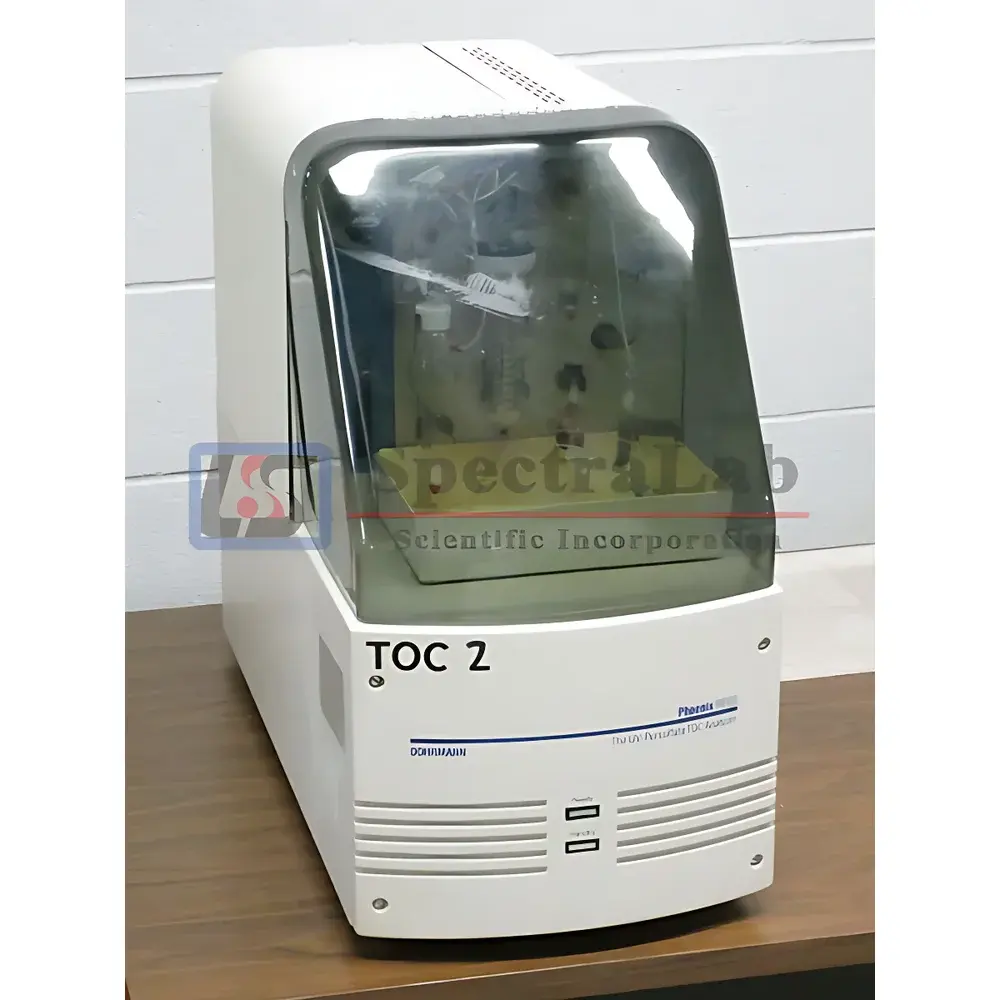
Tekmar Dohrmann Phoenix 8000 Total Organic Carbon Analyzer (Refurbished)
| Origin | USA |
|---|---|
| Manufacturer Type | Authorized Distributor |
| Origin Category | Imported |
| Model | Phoenix 8000 |
| Warranty | 6 months |
| Operational Age | 4 years |
| Detection Principle | UV-Persulfate Oxidation + NDIR |
| Detection Range | 2 ppb–10,000 ppm (TOC) |
| Accuracy | ±2% RSD or ±1 ppb or ±0.02 µg |
| Sample Volume | Up to 20 mL |
| Analysis Time | ~15 min (triplicate) |
| Detector | Non-Dispersive Infrared (NDIR), Linearized Signal Processing |
| Compliance | ASTM D7573, ISO 8245, USP <643>, EPA Method 415.3 |
| Software Interface | Windows-based Apollo Control Suite (v3.x compatible) |
| Sample Introduction | Automated syringe injection via PC-controlled autosampler |
Overview
The Tekmar Dohrmann Phoenix 8000 Total Organic Carbon (TOC) Analyzer is a high-performance, benchtop laboratory instrument engineered for precise quantification of organic carbon in aqueous matrices—including purified water, pharmaceutical process streams, environmental samples, and wastewater effluents. It operates on the UV-persulfate oxidation principle: samples are acidified to remove inorganic carbon (IC), then subjected to intense ultraviolet irradiation in the presence of sodium persulfate, which catalytically oxidizes non-volatile organic compounds to CO₂. The liberated carbon dioxide is purged, dried, and measured using a thermally stabilized, dual-beam non-dispersive infrared (NDIR) detector with linearized signal processing—ensuring high reproducibility across low- and mid-range concentrations. Unlike combustion-based TOC analyzers, the Phoenix 8000 avoids high-temperature furnaces (680–1000 °C), minimizing maintenance overhead and eliminating risks associated with catalyst deactivation or refractory compound carryover. Its design adheres to core regulatory expectations for pharmaceutical and environmental laboratories, supporting method validation under USP , EP 2.2.44, ASTM D7573, and ISO 8245.
Key Features
- UV-persulfate oxidation system with programmable acidification, sparging, and oxidation cycles—optimized for robustness and minimal reagent consumption
- NDIR detection cell with 125 mm optical path length, temperature-compensated electronics, and real-time baseline correction
- Automated syringe-based sample introduction supporting up to 20 mL injection volume, with integrated rinse and purge protocols
- PC-controlled operation via Windows-compatible Apollo software suite (compatible with Windows 98/NT/2000/ME/XP environments)
- Quantitative analysis modes: Total Carbon (TC), Total Organic Carbon (TOC), Non-Purgeable Organic Carbon (NPOC), and Inorganic Carbon (IC)
- Calibration traceability supported through certified potassium hydrogen phthalate (KHP) and sodium bicarbonate standards
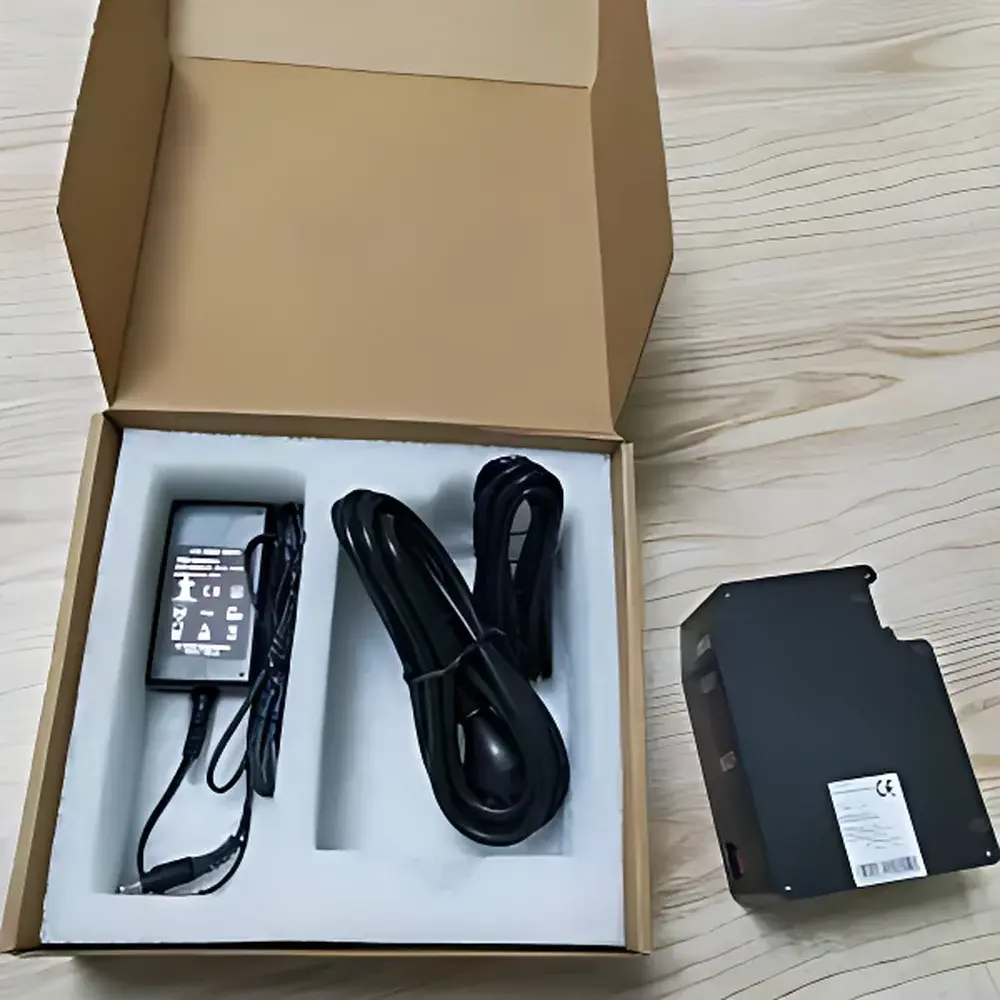
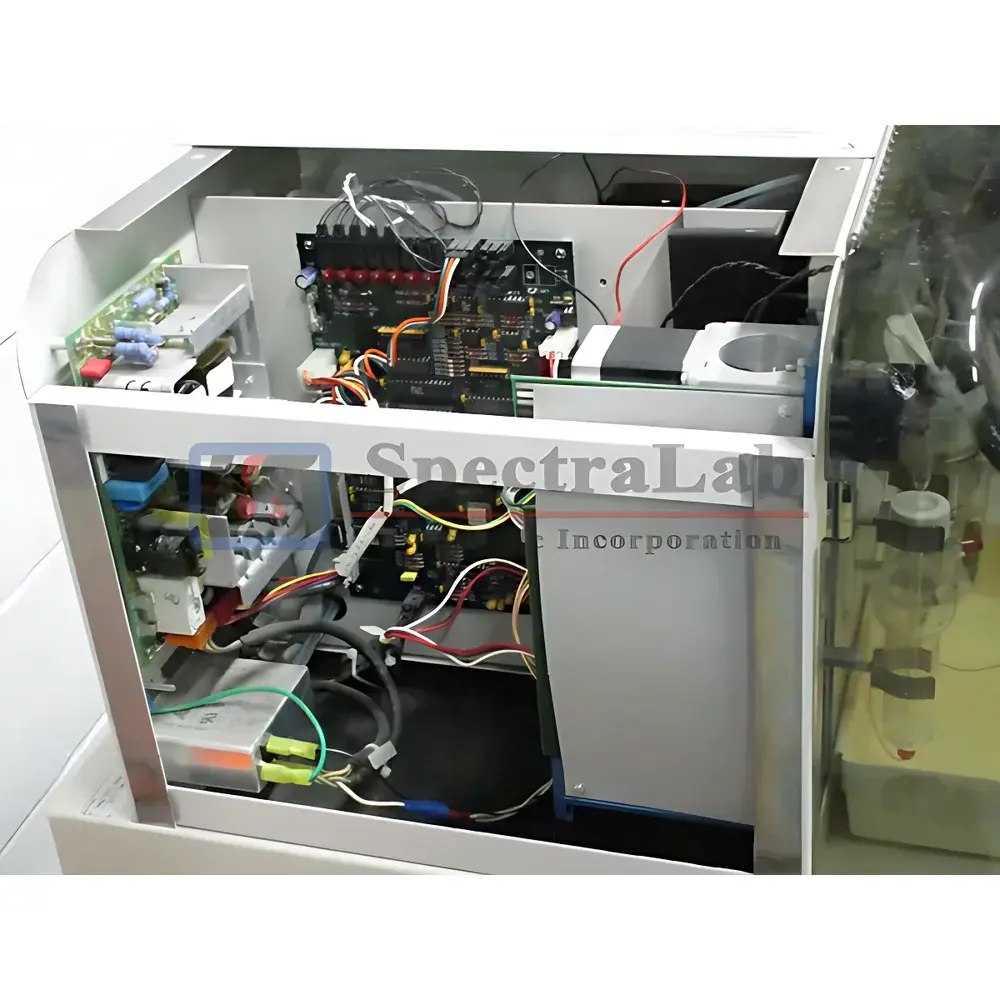
- Refurbished unit fully tested at SpectraLab Scientific; includes all original tubing, fittings, reagent reservoirs, and interface cables
Sample Compatibility & Compliance
The Phoenix 8000 accepts liquid samples with suspended solids ≤0.5 µm (optional 0.8 µm filtration available). It accommodates conductivity up to 5 mS/cm and chloride concentrations ≤10,000 mg/L without significant interference—making it suitable for purified water systems (PW, WFI), bioprocess monitoring, municipal wastewater, and groundwater screening. All analytical procedures comply with data integrity requirements under FDA 21 CFR Part 11 when operated with audit-trail-enabled software configurations. Instrument performance verification follows IQ/OQ protocols aligned with GMP/GLP frameworks, including daily system suitability testing (SST) per USP . Calibration curves demonstrate linearity (r² ≥ 0.999) across five decades—from 2 ppb to 10,000 ppm—with precision verified at three concentration levels per ICH Q2(R2).
Software & Data Management
Control and data acquisition are managed through the Apollo software platform, providing method editor, sequence scheduler, calibration manager, and report generator modules. Raw detector signals, oxidation efficiency metrics, and system pressure logs are stored in proprietary binary format with ASCII export capability (.csv, .txt). Audit trails record user actions, parameter changes, and calibration events with timestamps and operator IDs. Data backups support network drive mapping and scheduled archival. While native support is provided for legacy Windows OS versions, virtual machine deployment (e.g., Windows XP Mode on modern hosts) ensures continued operability in regulated environments where software qualification stability is prioritized over OS upgrades.
Applications
- Pharmaceutical water system validation (PW, WFI, Purified Steam Condensate) per EU Annex 1 and FDA guidance
- Environmental compliance monitoring for EPA-regulated discharges (NPDES permits) and drinking water treatment plants
- Research and development of advanced oxidation processes (AOPs) and membrane fouling studies
- Biotechnology upstream and downstream process stream characterization (cell culture media, buffer solutions, column eluates)
- Educational laboratories requiring hands-on instruction in carbon speciation and oxidation kinetics
FAQ
Is this unit factory-certified refurbished?
Yes—each Phoenix 8000 undergoes full functional testing, leak verification, oxidation efficiency validation, and NDIR response calibration at SpectraLab Scientific’s ISO 9001-certified refurbishment facility.
Does it include documentation for IQ/OQ execution?
Yes—the package includes a comprehensive refurbishment certificate, as-received test report, and electronic copies of original operation manuals and maintenance logs.
Can it be integrated into a LIMS environment?
Yes—via ASCII file export and configurable CSV output templates; direct OPC or ODBC connectivity requires third-party middleware due to legacy architecture.
What consumables are required for routine operation?
Sodium persulfate solution (10% w/v), phosphoric acid (10% v/v), CO₂-free carrier gas (ultra-high purity air or N₂), and calibrated KHP standards for periodic verification.
Is technical support available post-purchase?
Yes—SpectraLab provides remote troubleshooting, application consultation, and on-site service contracts upon request; 6-month limited warranty covers parts and labor.