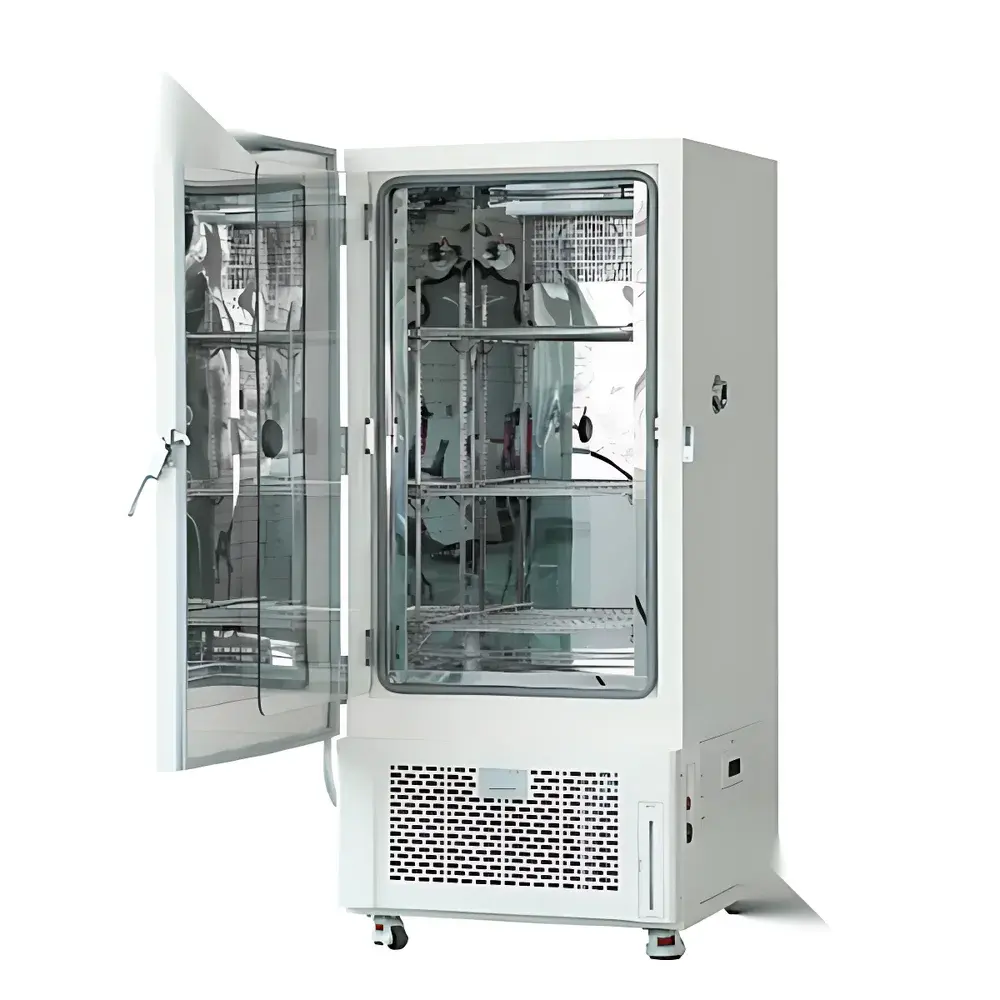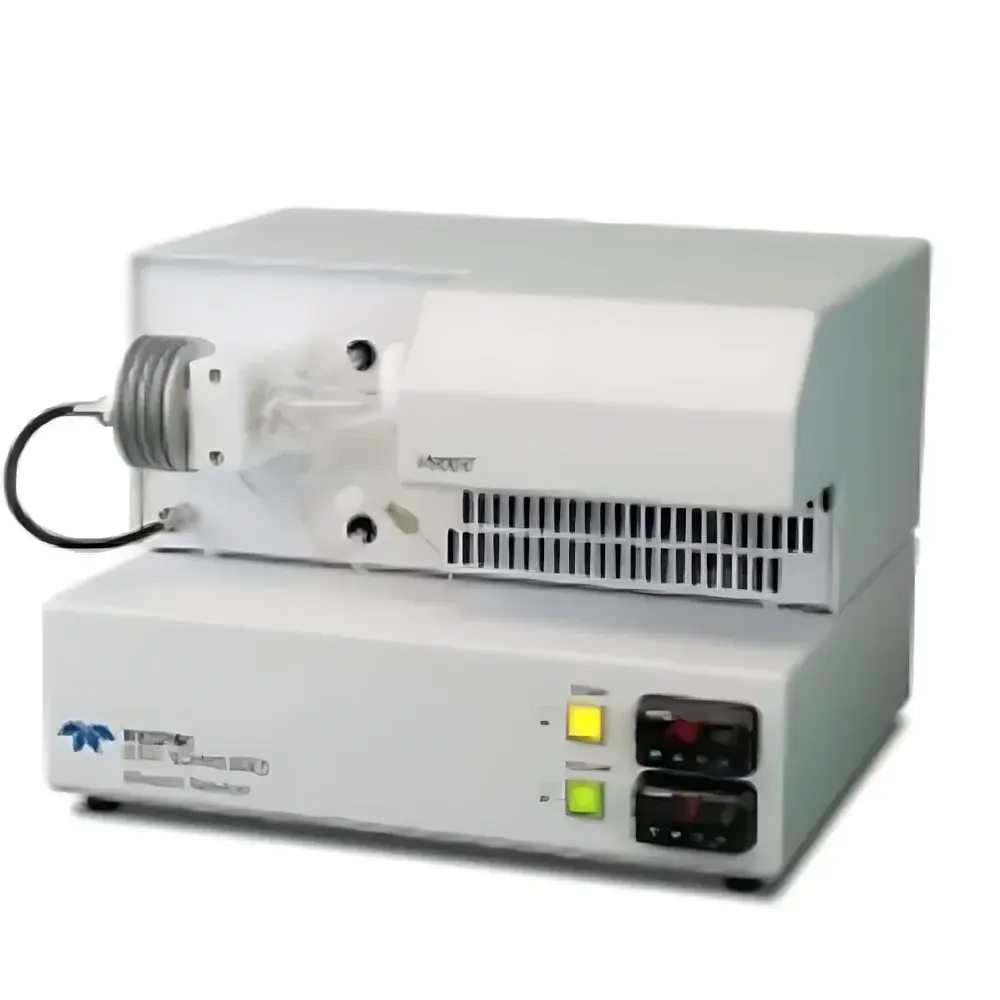
Teledyne CETAC Nebulizer Systems Series
| Brand | Teledyne CETAC |
|---|---|
| Origin | USA |
| Manufacturer Type | Authorized Distributor |
| Product Category | Imported Instrumentation |
| Model Series | CETAC Nebulizer Systems |
| Pricing | Available Upon Request |
Overview
Teledyne CETAC Nebulizer Systems represent a comprehensive portfolio of high-performance sample introduction solutions engineered for atomic absorption spectroscopy (AAS), inductively coupled plasma optical emission spectrometry (ICP-OES), and inductively coupled plasma mass spectrometry (ICP-MS). These systems are designed around fundamental principles of aerosol generation, solvent removal, and vapor-phase analyte transport—critical parameters governing detection limits, signal stability, oxide/hydride formation, and matrix tolerance. Each system employs rigorously validated fluidic and thermodynamic architectures to optimize droplet size distribution, desolvation efficiency, and analyte transmission into the plasma or flame source. Unlike generic nebulizers, CETAC systems integrate purpose-built materials science (e.g., PFA, quartz, and inert glass), precision microfluidics, and real-time energy modulation—enabling robust operation with challenging matrices including hydrofluoric acid (HF)-containing digests, organic solvents (e.g., methanol, ethanol), seawater, and high-salinity environmental extracts.
Key Features
- U5000AT+ Ultrasonic Nebulization System: Modular, energy-tunable design optimized for ICP and ICP-MS; achieves 5–25× improvement in detection limits versus conventional pneumatic nebulizers; eliminates need for graphite furnace AAS in many trace-element applications.
- U6000AT+ Ultrasonic Nebulization with Membrane Desolvation: Adds secondary heated PTFE membrane stage for selective solvent vapor removal; reduces oxide and hydride interferences by >90%; enables stable analysis of volatile organic matrices and low-volume samples.
- Aridus II Membrane Desolvation Nebulizer: Features ultra-low flow (<100 µL/min) PFA micro-nebulizer and sealed PFA spray chamber; fully inert construction compatible with HF up to 5% v/v; integrated vacuum-assisted waste liquid recovery enhances long-term signal stability.
- HGX-200 Hydride Generation System: Gas-liquid reaction-based, power-free hydride/elemental mercury generation for As, Se, Sb, Bi, Te, and Hg; delivers ≥10× signal enhancement and superior interference rejection in complex saline or biological matrices.
- All systems support ASTM D5673, ISO 17294-2, USP <232>/<233>, and EPA Method 200.8/6020B workflows; hardware and firmware comply with GLP/GMP data integrity requirements.
Sample Compatibility & Compliance
CETAC nebulizer systems accommodate aqueous, acidic (HNO₃, HCl, HF), and organic (methanol, acetonitrile, MIBK) sample matrices without performance degradation. The Aridus II and U6000AT+ systems demonstrate full compatibility with 5% HF and ≤20% organic content—validated per ASTM D7087 and ISO 15586. All wetted components meet USP Class VI biocompatibility standards and pass extractables testing per ICH Q5C. Instrument control firmware supports 21 CFR Part 11-compliant audit trails, electronic signatures, and secure user access levels when integrated with compliant LIMS or instrument control software.
Software & Data Management
Systems operate via analog/digital I/O interfaces compatible with Thermo Fisher iCAP, Agilent 7900/8900, PerkinElmer NexION, and Shimadzu ICPE-9800 platforms. Optional Teledyne CETAC Control Suite provides real-time ultrasonic frequency tuning, membrane temperature ramping, and gas flow synchronization—logging all operational parameters with timestamped metadata. Data export conforms to ASTM E1382-compliant CSV and XML formats; raw signal files include full instrument configuration headers for regulatory traceability.
Applications
- Environmental monitoring: Ultra-trace As, Se, Cd, Pb in seawater (EPA 1638), soil leachates, and wastewater using HGX-200 + ICP-MS.
- Geochemical analysis: High-precision REE and HFSE quantification in silicate melts via Aridus II + MC-ICP-MS, minimizing polyatomic interferences.
- Pharmaceutical quality control: Elemental impurities (ICH Q3D) in APIs and excipients using U5000AT+ with collision/reaction cell ICP-MS.
- Nuclear fuel cycle: U/Pu isotopic ratio analysis in nitric acid digestates with U6000AT+ and membrane-assisted desolvation.
- Clinical research: Speciated Se and Hg biomonitoring in serum and urine via hydride generation coupled to sector-field ICP-MS.
FAQ
What is the primary advantage of ultrasonic nebulization over conventional pneumatic nebulization?
Ultrasonic nebulization generates a narrower droplet size distribution with higher median velocity, resulting in improved transport efficiency (>80%) and reduced solvent load—directly enhancing sensitivity and reducing oxide-based interferences.
Can the Aridus II system handle samples containing hydrofluoric acid?
Yes—its fully PFA-wetted path is rated for continuous use with up to 5% (v/v) HF at ambient temperature and pressure, with no measurable fluorosilicate precipitation or corrosion over 1,000 hours of operation.
Is the HGX-200 compatible with ICP-OES as well as ICP-MS?
Yes—the HGX-200 delivers enhanced vapor-phase analyte delivery to both ICP-OES and ICP-MS; however, detection limit improvements are more pronounced in ICP-MS due to its inherent single-ion counting capability.
Does the U6000AT+ require external cooling or compressed gas sources?
No—it operates solely on standard line voltage (100–240 VAC); the membrane desolvation stage uses resistive heating and vacuum draw, eliminating need for chilled coolant or auxiliary gas manifolds.
How is calibration traceability maintained across CETAC systems?
Each system ships with NIST-traceable calibration certificates for nebulizer flow rate, membrane permeability, and hydride generation efficiency—valid for 12 months under ISO/IEC 17025-accredited procedures.
Related Products