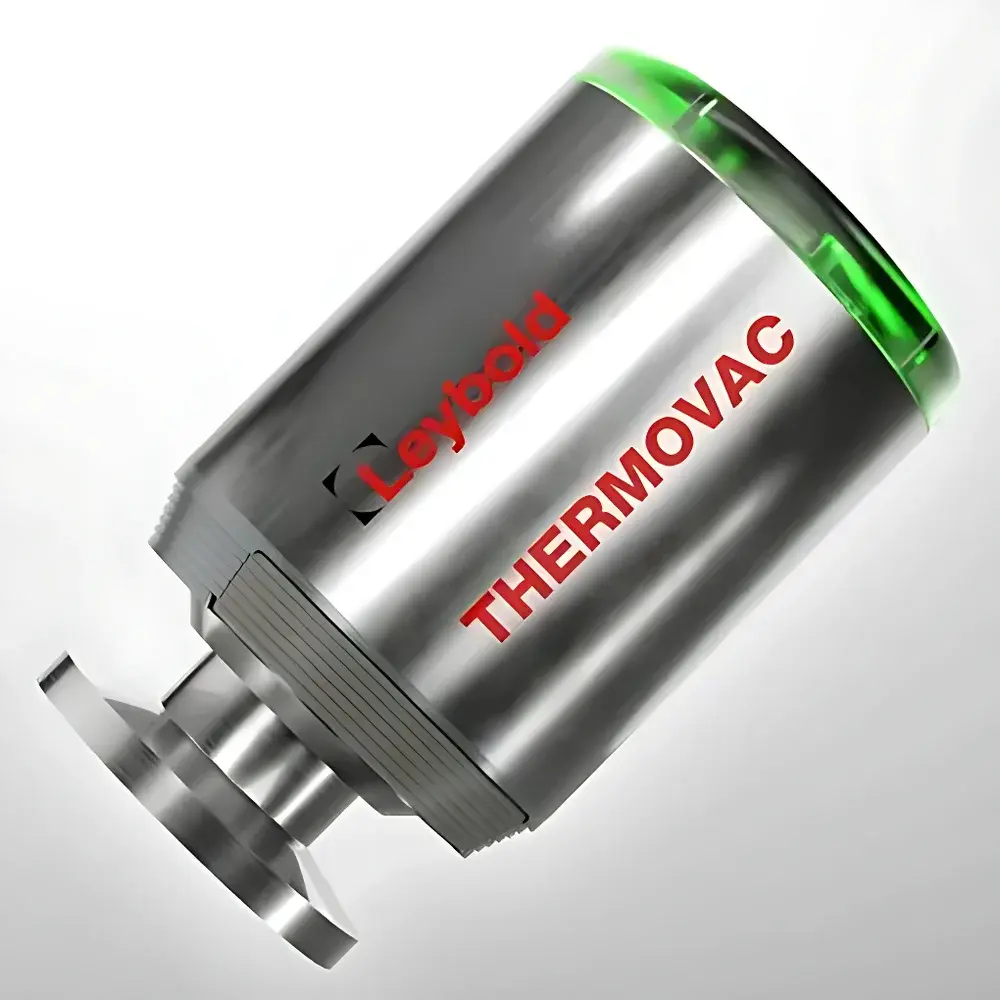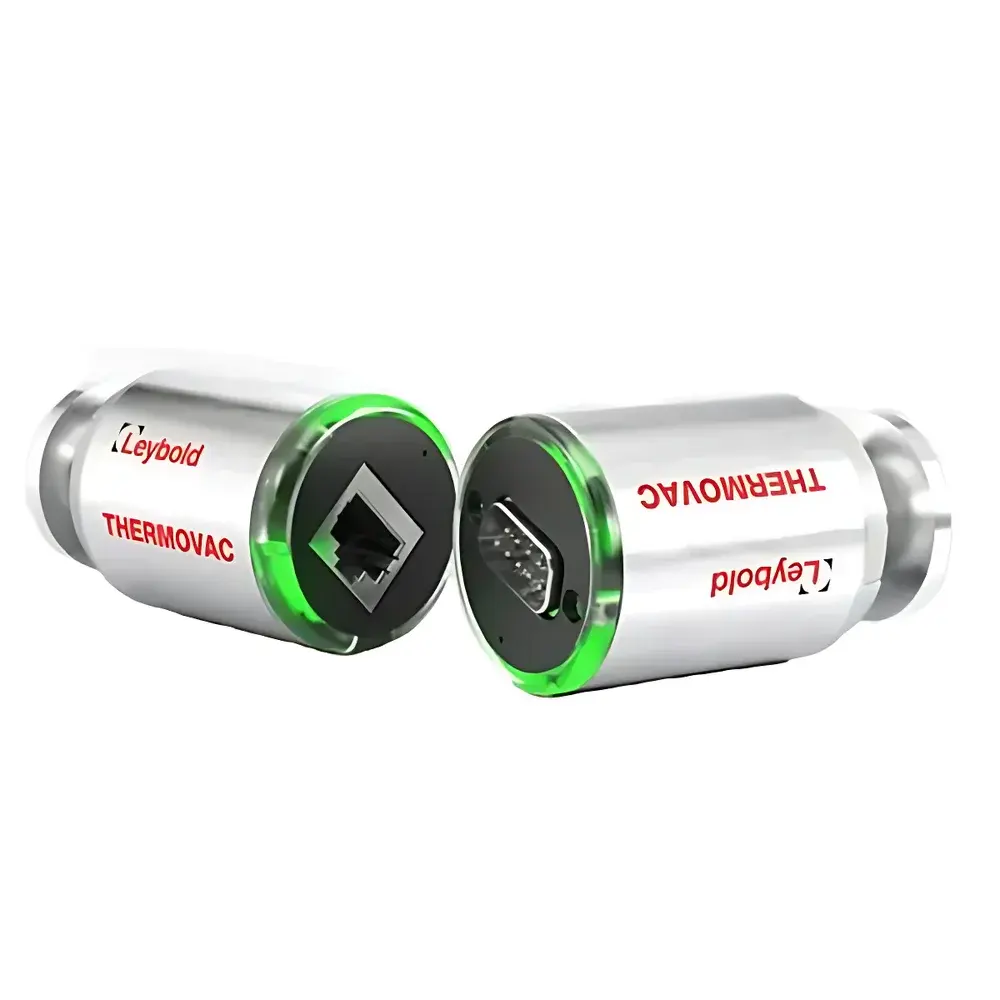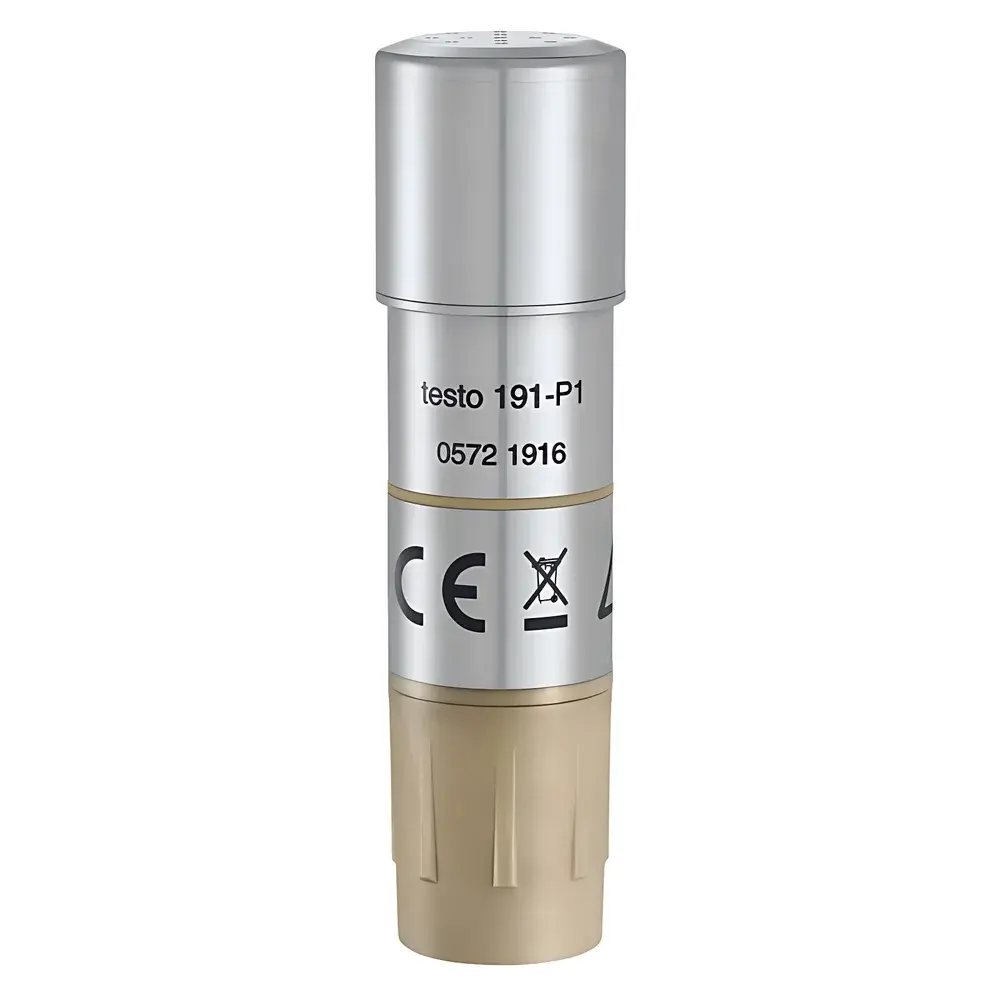
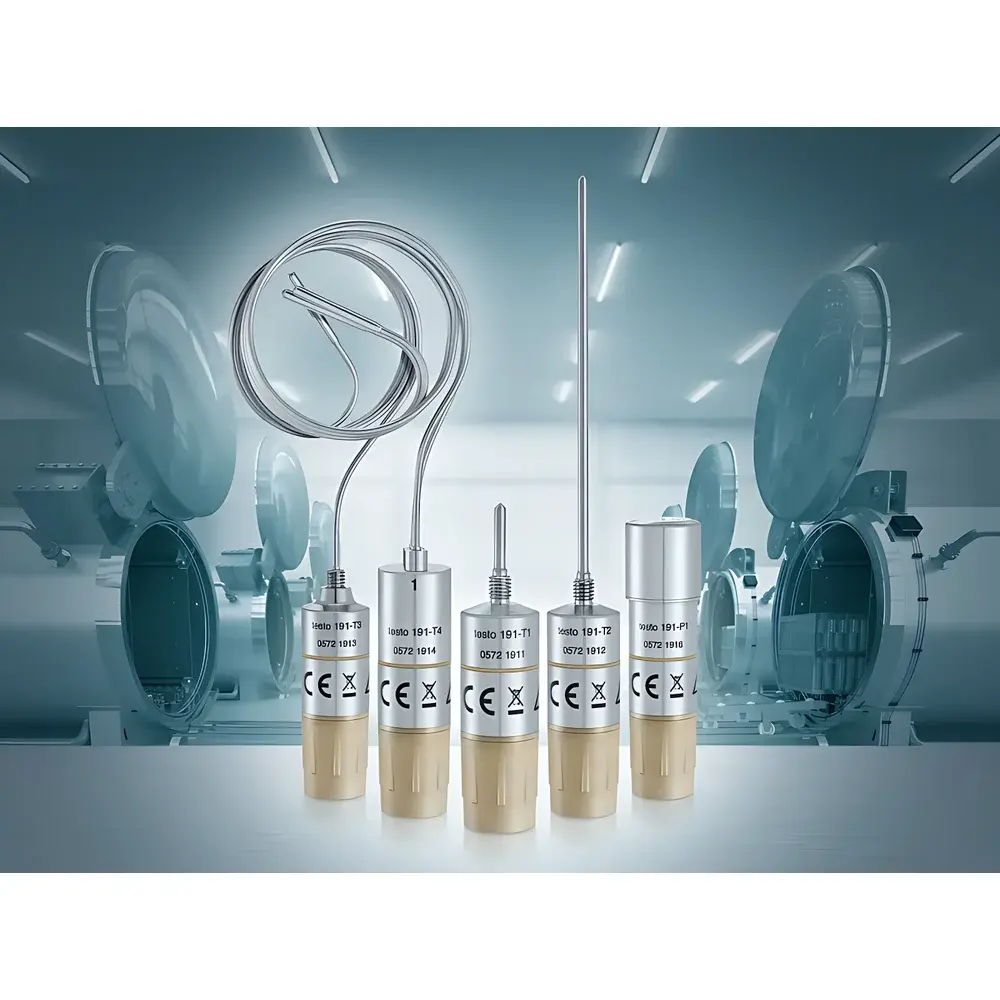
testo 191-P1 HACCP Absolute Pressure Data Logger
| Brand | testo |
|---|---|
| Origin | Germany |
| Model | 0572 1916 |
| Absolute Pressure Range | 1 mbar to 4 bar abs |
| Accuracy | ±20 mbar |
| Resolution | 1 mbar |
| Response Time (t₉₀) | 0.2 s |
| Operating Temperature | 0 °C to 140 °C |
| Storage Capacity | 60,000 measurements |
| Measurement Interval | 1 s to 24 h |
| Housing Material | Stainless steel (AISI 316L) + PEEK cap |
| IP Rating | IP68 |
| Battery | 1/2 AA lithium |
| Battery Life | 2,500 h (at 10 s interval, +121 °C) |
| Dimensions | Ø22 mm × 83 mm |
| Interface | USB |
| Compliance | CE-marked, HACCP-compliant, designed for EN 13485 / ISO 13485-aligned validation environments |
Overview
The testo 191-P1 HACCP Absolute Pressure Data Logger is a purpose-built, traceable measurement instrument engineered for continuous, high-integrity monitoring of absolute pressure during thermal process validation in food production—specifically pasteurization and steam sterilization cycles. It operates on piezoresistive sensing technology with temperature-compensated signal conditioning, delivering stable, repeatable readings across its full operating range (1 mbar to 4 bar abs) under dynamic thermal stress. Unlike generic pressure loggers, the 191-P1 is constructed to meet the physical and regulatory demands of HACCP-critical environments: its hermetically sealed stainless steel (AISI 316L) body and PEEK-coated battery cap ensure integrity at temperatures up to +140 °C and under repeated autoclave exposure. The device complies with fundamental requirements of EU Regulation (EC) No 852/2004 on food hygiene and supports documented evidence generation required for FDA 21 CFR Part 11–aligned audit trails when used with testo 191 Professional software.
Key Features
- High-precision absolute pressure measurement with ±20 mbar accuracy and 1 mbar resolution across the full 1–4000 mbar range
- Robust, fully sealed mechanical architecture: stainless steel housing (IP68-rated) and PEEK-encapsulated battery compartment maintain 100% seal integrity—even after battery replacement
- Tool-free, rotational-thread battery access enables sub-5-second battery exchange without compromising calibration or environmental sealing
- Compact cylindrical form factor (Ø22 mm × 83 mm) allows insertion into narrow sterilization trays, steam pipes, and retort chambers where spatial constraints prohibit conventional loggers
- Extended thermal endurance: validated operation from 0 °C to +140 °C; battery life sustained at 2,500 hours under continuous 10-second logging at +121 °C
- Integrated 60,000-point memory buffer with timestamped records and user-configurable sampling intervals (1 second to 24 hours)
Sample Compatibility & Compliance
The testo 191-P1 is specifically validated for use in saturated steam environments encountered during thermal lethality processes—including HTST (high-temperature short-time) pasteurization, UHT processing, and moist-heat sterilization (e.g., autoclaving per EN 285). Its stainless steel construction resists corrosion from condensate, chlorinated cleaning agents, and organic residues common in food-grade CIP/SIP systems. The device conforms to CE marking directives for electromagnetic compatibility (2014/30/EU) and low-voltage safety (2014/35/EU). While not a medical device itself, its metrological performance aligns with principles referenced in ISO 13485 and EN 13485 for process instrumentation used in quality-critical manufacturing. It supports HACCP Principle 4 (monitoring) and provides raw data suitable for validation protocols compliant with FDA Guidance for Industry: Validation of Computerized Systems (2022) and EU Annex 11.
Software & Data Management
Data retrieval, configuration, and analysis are performed using testo 191 Professional software (sold separately), a Windows-based application designed for regulated environments. The software enables batch programming of up to eight 191-P1 units simultaneously via the optional multi-slot testo 191 docking station—eliminating need for individual USB connections. All configuration parameters (start time, interval, alarm thresholds) are digitally signed and stored with audit trail metadata. Measurement files export in CSV and PDF formats with embedded device ID, calibration status, and timestamped event logs. When deployed with the docking station, the system supports automatic firmware updates and secure data archiving. The software interface includes real-time validation checks—flagging out-of-spec intervals, missing timestamps, or inconsistent pressure gradients—to prevent invalid data entry prior to report generation.
Applications
- Validation and routine monitoring of steam sterilization cycles in food packaging lines (e.g., canned vegetables, dairy products, ready-to-eat meals)
- Verification of chamber pressure profiles during pasteurization tunnels and retorts
- Mapping of pressure differentials in clean-in-place (CIP) and steam-in-place (SIP) systems
- Supporting root-cause analysis of thermal process deviations by correlating pressure transients with temperature excursions
- Integration into automated quality management systems (QMS) for electronic record retention per 21 CFR Part 11 Subpart B
FAQ
Is the testo 191-P1 calibrated before delivery?
Yes—each unit ships with an individual factory calibration certificate traceable to national standards (DAkkS-accredited lab), including pressure points at 100 mbar, 1000 mbar, 2000 mbar, and 4000 mbar.
Can the device be recalibrated in-house?
No—recalibration requires return to an authorized testo service center due to the sealed sensor module and thermal compensation algorithm; field adjustment is not supported.
Does it support wireless data transfer?
No—the 191-P1 uses only wired USB communication via the docking station or direct connection; no Bluetooth or Wi-Fi functionality is integrated.
What happens if the battery fails mid-cycle?
The device retains all logged data in non-volatile memory; power loss does not erase stored measurements. Battery depletion triggers a low-power warning in the software prior to shutdown.
Is the stainless steel housing compatible with alkaline CIP solutions?
Yes—AISI 316L stainless steel offers proven resistance to caustic cleaners up to 2% NaOH at ≤80 °C; extended exposure above this concentration or temperature requires verification per site-specific corrosion testing protocols.